What disruptions have been reported after the global tech outage?
Written by Emily J. Thompson, Senior Investment Analyst
Updated: Jul 19 2024
0mins
Should l Buy AAL?
Source: reuters
Global Tech Outage Impact: A significant global tech outage linked to CrowdStrike and Microsoft disrupted operations across various sectors, including airports, airlines, banks, and media, leading to flight cancellations, delays, and service interruptions worldwide.
Affected Services and Recovery: Major airlines, financial institutions, and healthcare services experienced disruptions, but many have begun restoring operations, with some sectors like the NHS and emergency services remaining functional despite the challenges.
Trade with 70% Backtested Accuracy
Stop guessing "Should I Buy AAL?" and start using high-conviction signals backed by rigorous historical data.
Sign up today to access powerful investing tools and make smarter, data-driven decisions.
Analyst Views on AAL
Wall Street analysts forecast AAL stock price to rise over the next 12 months. According to Wall Street analysts, the average 1-year price target for AAL is 17.44 USD with a low forecast of 10.00 USD and a high forecast of 21.00 USD. However, analyst price targets are subjective and often lag stock prices, so investors should focus on the objective reasons behind analyst rating changes, which better reflect the company's fundamentals.
15 Analyst Rating
7 Buy
7 Hold
1 Sell
Moderate Buy
Current: 15.240

Low
10.00
Averages
17.44
High
21.00
Current: 15.240
Low
10.00
Averages
17.44
High
21.00
About AAL
American Airlines Group Inc. is a holding company. Its primary business activity is the operation of a major network air carrier, providing scheduled air transportation for passengers and cargo through its hubs in Charlotte, Chicago, Dallas/Fort Worth, Los Angeles, Miami, New York, Philadelphia, Phoenix and Washington, D.C. and partner gateways, including in London, Doha, Madrid, Seattle/Tacoma, Sydney and Tokyo, among others. Together with its regional airline subsidiaries and third-party regional carriers operating as American Eagle. Its cargo division provides a wide range of freight and mail services, with facilities and interline connections available across the globe. It operates approximately 977 mainline aircraft supported by its regional airline subsidiaries and third-party regional carriers, which together operate an additional 585 regional aircraft. Its subsidiaries include American Airlines, Inc., Envoy Aviation Group Inc., PSA Airlines, Inc. and Piedmont Airlines, Inc.
About the author

Emily J. Thompson
Emily J. Thompson, a Chartered Financial Analyst (CFA) with 12 years in investment research, graduated with honors from the Wharton School. Specializing in industrial and technology stocks, she provides in-depth analysis for Intellectia’s earnings and market brief reports.
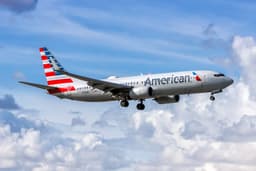
American Airlines CEO Faces No Confidence Vote from Flight Attendants
- No Confidence Vote: The board of the Association of Professional Flight Attendants unanimously voted no confidence in American Airlines (AAL) CEO Robert Isom, citing concerns that the airline is dangerously falling behind under current leadership.
- Lagging Financial Performance: Despite Isom's rising pay and executive compensation, American Airlines has underperformed compared to United Airlines (UAL), Delta Air Lines (DAL), and Southwest Airlines (LUV) since the pandemic, with the board labeling this as rewarding failure.
- Declining Customer Satisfaction: A J.D. Power consumer survey ranked American Airlines last in First/Business Class satisfaction and below segment averages in Economy, indicating worsening operational metrics and increasing customer complaints.
- Poor Market Performance: American Airlines shares have underperformed the Dow Jones US Airlines Index (DJUSAR) in one-year, three-year, and five-year comparisons, reflecting a significant competitive disadvantage and loss of market confidence.
See More

American Airlines Faces Challenges in Turnaround Efforts


- Leadership Scrutiny: Pilot and flight attendant unions have raised concerns about CEO Robert Isom's leadership, citing underperformance in financial and operational metrics that have led to reduced profit-sharing for employees, negatively impacting morale.
- Profitability Decline: American Airlines reported a profit of $111 million in 2025, which pales in comparison to Delta Air Lines' $5 billion and United Airlines' $3.3 billion profits, highlighting a significant gap in market competitiveness.
- Transformation Strategy: Isom has outlined a strategy focused on enhancing customer service and revenue management, expressing optimism for 2026 despite challenges posed by winter storms, and emphasizing the need for accountability from senior leadership and teamwork.
- Intensified Market Competition: American Airlines faces fierce competition at major hubs like Chicago and Charlotte, particularly against United Airlines, with analysts questioning whether the current strategy will effectively close the performance gap with peers, indicating a long road ahead for transformation.
See More

American Airlines Profits Lag Behind Rivals Significantly
- Profit Comparison: American Airlines reported only $111 million in profit last year, significantly trailing Delta Air Lines' $5 billion and United Airlines' over $3.3 billion, indicating a lack of competitiveness that may impact investor confidence.
- Leadership Scrutiny: The airline's poor performance has led pilot and flight attendant unions to question CEO Robert Isom's leadership, arguing that the company has failed to define an effective strategy to correct its course, resulting in employee disappointment about the future.
- Transformation Challenges: American Airlines is attempting to boost revenue through premium product offerings, despite sluggish growth in economy cabin revenue; Isom stated that by 2026, half of the company's revenue is expected to come from
See More
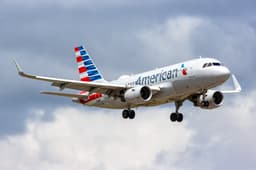
American Airlines Stock Rises Amid Mixed Outlook
- Stock Recovery: American Airlines Group shares rose 7.17% to $15.18, showing signs of recovery despite an 11.02% decline over the past year, as the stock approaches its 52-week high of $17.40.
- Earnings Miss: The company reported a fourth-quarter earnings miss on January 27, with adjusted earnings of 16 cents per share falling short of the 30-cent consensus estimate, compounded by a $325 million revenue headwind from the U.S. government shutdown.
- Future Guidance: Management guided for 2026 earnings between $1.70 and $2.70 per share, with the midpoint exceeding the consensus of $1.97, but warned that Winter Storm Fern could lead to revenue losses of $150 million to $200 million in the first quarter.
- Mixed Technical Indicators: The stock is trading 3.3% above its 20-day simple moving average and 11.2% above its 100-day SMA, indicating short-term strength, yet the RSI at 45.92 suggests neutral territory while the MACD indicates bearish pressure, warranting close monitoring by traders.
See More

Tesla's Earnings and Strategic Shift


- Earnings Performance: Tesla reported earnings per share of $0.50 for Q4, exceeding estimates but down 63% year-over-year, marking the lowest fourth-quarter results since 2020, indicating significant pressure on its automotive business amid intensifying market competition and declining demand.
- Capital Expenditure Plan: Tesla announced it will increase its capital spending to $20 billion for 2026, more than doubling its previous all-time high, aiming to invest heavily in autonomous driving and robotics, although this may exacerbate cash flow pressures requiring substantial returns within the next two years.
- Product Line Adjustment: Tesla will discontinue production of the Model S and X to repurpose its Fremont plant for Optimus robot production, a strategic shift intended to focus resources on future automation and AI projects, despite these models accounting for only 5% of total sales.
- Market Reaction: Tesla's stock has garnered market attention due to its ambitious plans, yet analysts express skepticism about the company's ability to mass-produce robots and robotaxis within two years, reflecting cautious investor sentiment regarding its future growth potential.
See More

Analysis of Tesla's Earnings and Capital Spending Plans
- Earnings Performance: Tesla reported earnings per share of $0.50 for the fourth quarter, exceeding estimates but down 63% year-over-year, marking the lowest results since 2020, indicating pressure on its automotive business.
- Capital Spending Plans: Tesla announced plans to increase its capital expenditures to $20 billion for 2026, more than doubling previous levels, reflecting the company's ambitions in autonomy and robotics, while raising concerns about its financial health.
- Product Line Adjustments: Tesla will discontinue its S and X models, which account for only 5% of total sales, aiming to reallocate resources towards the more promising production of Optimus robots, demonstrating a commitment to strategic transformation.
- Intensifying Market Competition: Tesla's automotive revenue declined by 11% in the fourth quarter, facing increasing pressure from competitors like GM in the electric vehicle market, suggesting a need for accelerated transformation to maintain market share.
See More
American Airlines CEO Faces No Confidence Vote from Flight Attendants
- No Confidence Vote: The board of the Association of Professional Flight Attendants unanimously voted no confidence in American Airlines (AAL) CEO Robert Isom, citing concerns that the airline is dangerously falling behind under current leadership.
- Lagging Financial Performance: Despite Isom's rising pay and executive compensation, American Airlines has underperformed compared to United Airlines (UAL), Delta Air Lines (DAL), and Southwest Airlines (LUV) since the pandemic, with the board labeling this as rewarding failure.
- Declining Customer Satisfaction: A J.D. Power consumer survey ranked American Airlines last in First/Business Class satisfaction and below segment averages in Economy, indicating worsening operational metrics and increasing customer complaints.
- Poor Market Performance: American Airlines shares have underperformed the Dow Jones US Airlines Index (DJUSAR) in one-year, three-year, and five-year comparisons, reflecting a significant competitive disadvantage and loss of market confidence.
See More
American Airlines Faces Challenges in Turnaround Efforts
- Leadership Scrutiny: Pilot and flight attendant unions have raised concerns about CEO Robert Isom's leadership, citing underperformance in financial and operational metrics that have led to reduced profit-sharing for employees, negatively impacting morale.
- Profitability Decline: American Airlines reported a profit of $111 million in 2025, which pales in comparison to Delta Air Lines' $5 billion and United Airlines' $3.3 billion profits, highlighting a significant gap in market competitiveness.
- Transformation Strategy: Isom has outlined a strategy focused on enhancing customer service and revenue management, expressing optimism for 2026 despite challenges posed by winter storms, and emphasizing the need for accountability from senior leadership and teamwork.
- Intensified Market Competition: American Airlines faces fierce competition at major hubs like Chicago and Charlotte, particularly against United Airlines, with analysts questioning whether the current strategy will effectively close the performance gap with peers, indicating a long road ahead for transformation.
See More
American Airlines Profits Lag Behind Rivals Significantly
- Profit Comparison: American Airlines reported only $111 million in profit last year, significantly trailing Delta Air Lines' $5 billion and United Airlines' over $3.3 billion, indicating a lack of competitiveness that may impact investor confidence.
- Leadership Scrutiny: The airline's poor performance has led pilot and flight attendant unions to question CEO Robert Isom's leadership, arguing that the company has failed to define an effective strategy to correct its course, resulting in employee disappointment about the future.
- Transformation Challenges: American Airlines is attempting to boost revenue through premium product offerings, despite sluggish growth in economy cabin revenue; Isom stated that by 2026, half of the company's revenue is expected to come from
See More
American Airlines Stock Rises Amid Mixed Outlook
- Stock Recovery: American Airlines Group shares rose 7.17% to $15.18, showing signs of recovery despite an 11.02% decline over the past year, as the stock approaches its 52-week high of $17.40.
- Earnings Miss: The company reported a fourth-quarter earnings miss on January 27, with adjusted earnings of 16 cents per share falling short of the 30-cent consensus estimate, compounded by a $325 million revenue headwind from the U.S. government shutdown.
- Future Guidance: Management guided for 2026 earnings between $1.70 and $2.70 per share, with the midpoint exceeding the consensus of $1.97, but warned that Winter Storm Fern could lead to revenue losses of $150 million to $200 million in the first quarter.
- Mixed Technical Indicators: The stock is trading 3.3% above its 20-day simple moving average and 11.2% above its 100-day SMA, indicating short-term strength, yet the RSI at 45.92 suggests neutral territory while the MACD indicates bearish pressure, warranting close monitoring by traders.
See More
Tesla's Earnings and Strategic Shift
- Earnings Performance: Tesla reported earnings per share of $0.50 for Q4, exceeding estimates but down 63% year-over-year, marking the lowest fourth-quarter results since 2020, indicating significant pressure on its automotive business amid intensifying market competition and declining demand.
- Capital Expenditure Plan: Tesla announced it will increase its capital spending to $20 billion for 2026, more than doubling its previous all-time high, aiming to invest heavily in autonomous driving and robotics, although this may exacerbate cash flow pressures requiring substantial returns within the next two years.
- Product Line Adjustment: Tesla will discontinue production of the Model S and X to repurpose its Fremont plant for Optimus robot production, a strategic shift intended to focus resources on future automation and AI projects, despite these models accounting for only 5% of total sales.
- Market Reaction: Tesla's stock has garnered market attention due to its ambitious plans, yet analysts express skepticism about the company's ability to mass-produce robots and robotaxis within two years, reflecting cautious investor sentiment regarding its future growth potential.
See More
Analysis of Tesla's Earnings and Capital Spending Plans
- Earnings Performance: Tesla reported earnings per share of $0.50 for the fourth quarter, exceeding estimates but down 63% year-over-year, marking the lowest results since 2020, indicating pressure on its automotive business.
- Capital Spending Plans: Tesla announced plans to increase its capital expenditures to $20 billion for 2026, more than doubling previous levels, reflecting the company's ambitions in autonomy and robotics, while raising concerns about its financial health.
- Product Line Adjustments: Tesla will discontinue its S and X models, which account for only 5% of total sales, aiming to reallocate resources towards the more promising production of Optimus robots, demonstrating a commitment to strategic transformation.
- Intensifying Market Competition: Tesla's automotive revenue declined by 11% in the fourth quarter, facing increasing pressure from competitors like GM in the electric vehicle market, suggesting a need for accelerated transformation to maintain market share.
See More