Upcoming Week for FX and Bonds: Attention on U.S. ISM and ADP Data as Fed Rate Cut Appears Probable

U.S. Economic Indicators: The U.S. ISM surveys on manufacturing and services, along with ADP private payrolls, are being monitored for signs that the Federal Reserve may lower interest rates in its upcoming meeting.
Eurozone Inflation Data: Investors are focusing on eurozone inflation data as it could influence market movements and economic outlooks.
Asian Economic Reports: Asia is set to release various growth and inflation data, which will be significant for understanding regional economic trends.
Purchasing Managers' Surveys: Regional purchasing managers' surveys in Asia will also be closely watched for insights into economic performance.
Trade with 70% Backtested Accuracy
Analyst Views on PM

About PM
About the author

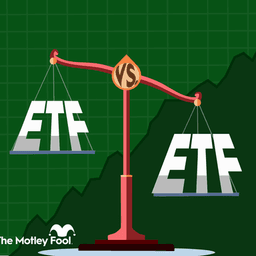
Comparison of Consumer Staples ETFs: XLP vs IYK

- Cost Comparison: State Street's XLP offers a significantly lower expense ratio of 0.08% compared to iShares' IYK at 0.38%, which means that for the same returns, XLP can provide higher net returns for long-term cost-conscious investors.
- Portfolio Composition: XLP focuses exclusively on 36 consumer staples stocks without including healthcare or basic materials, while IYK holds 54 stocks, with 85% in consumer defensive and 11% in healthcare, indicating that IYK's diversified strategy may appeal to investors seeking broader exposure.
- Returns and Risks: Over the past year, XLP delivered a return of 9.9% compared to IYK's 11.3%, and while IYK's returns are slightly higher, XLP's maximum drawdown of 16.31% indicates a higher risk profile during market volatility.
- Market Performance: XLP's top holdings include Walmart and Costco, providing a strong retail foundation, whereas IYK leans more towards product manufacturers, offering investors a defensive investment option in healthcare despite its higher fees.

Coca-Cola and Philip Morris: Dividend Investment Value
- Importance of Dividends: According to S&P Global, dividends have accounted for 31% of total stock market returns since 1926, highlighting their crucial role in long-term investing, allowing investors to focus on fundamentals while ignoring stock price fluctuations.
- Coca-Cola's Stability: As a blue-chip stock, Coca-Cola continues to deliver dividends with a third-quarter revenue growth of 5% year-over-year to $12.5 billion, demonstrating its strong resilience and profitability amid economic fluctuations.
- Philip Morris' Transformation: Philip Morris has pivoted to smoke-free products, which now account for 41% of its sales across 100 global markets, significantly expanding its distribution network following the $16 billion acquisition of Swedish Match in 2022, enhancing its competitive edge.
- Dividend Yield Comparison: Coca-Cola offers a dividend yield of 2.71%, while Philip Morris boasts a yield of 3.3%, both exceeding the S&P 500 average of 1.14%, showcasing their strong capabilities in returning value to investors.

PHILIP MORRIS SUBMITS DEBT SHELF APPLICATION; AMOUNT NOT REVEALED - SEC FILING

Philip Morris Files for Debt Shelf: Philip Morris International has filed a registration statement for a debt shelf, allowing the company to issue debt securities in the future.
Size Not Disclosed: The specific size of the debt offering has not been disclosed in the filing.
Purpose of Filing: The filing is part of the company's strategy to manage its capital structure and potentially raise funds for various corporate purposes.
SEC Filing: The registration statement was submitted to the Securities and Exchange Commission (SEC) as part of regulatory compliance.

Philip Morris International Q4 2025 Earnings Call Insights
- Tobacco Product Growth: In 2025, Philip Morris reported a 12.8% increase in smoke-free product volumes, driving an 18.7% growth in organic smoke-free gross profit, showcasing the company's strong leadership in the smoke-free sector and expected to further enhance market share.
- Strong Financial Performance: The company achieved total net revenues exceeding $40 billion, with the smoke-free business contributing nearly $17 billion, and an adjusted EPS of $7.54, which remains at the high end of guidance despite currency challenges, reflecting robust profitability.
- Optimistic Future Outlook: Management forecasts organic net revenue growth of 5% to 7% and organic operating income growth of 7% to 9% for 2026, with a targeted leverage ratio close to 2x, demonstrating confidence in future growth prospects.
- Significant Cost Control: Since 2024, Philip Morris has realized $1.5 billion in gross cost savings, aiming for $2 billion by 2026, indicating ongoing efforts to enhance operational efficiency and profitability.

Health Insurance Stocks Slide, AI Stocks Surge


- Centene Guidance Miss: Centene's full-year revenue guidance of $186.5 billion to $190.5 billion fell short of the $194.1 billion consensus, leading to a 5% drop in shares, indicating pressure in the health insurance sector.
- AI Infrastructure Stocks Surge: Companies linked to AI infrastructure, such as Lumen Technologies and Applied Digital, saw stock prices rise by at least 20%, reflecting a recovery in investor confidence after a week of selling, potentially signaling a shift in market sentiment.
- Viasat Earnings Beat: Viasat reported adjusted earnings of $0.79 per share for the third quarter, up from $0.11 a year earlier, with shares gaining about 10%, as the company anticipates double-digit operating cash flow growth in 2026, showcasing a strong business outlook.
- Roblox Optimistic Forecast: Roblox expects full-year bookings between $8.28 billion and $8.55 billion, exceeding the $7.87 billion consensus, resulting in a 12% stock increase, indicating robust performance in the online gaming market and future growth potential.

PHILIP MORRIS STOCK RISES NEARLY 1% FOLLOWING ANNUAL PROFIT OUTLOOK BEATING EXPECTATIONS
- Profit Forecast: Philip Morris has shared an optimistic annual profit forecast, projecting a growth of 1% above previous estimates.
- Market Response: The announcement has generated positive reactions in the market, reflecting investor confidence in the company's future performance.
Comparison of Consumer Staples ETFs: XLP vs IYK
- Cost Comparison: State Street's XLP offers a significantly lower expense ratio of 0.08% compared to iShares' IYK at 0.38%, which means that for the same returns, XLP can provide higher net returns for long-term cost-conscious investors.
- Portfolio Composition: XLP focuses exclusively on 36 consumer staples stocks without including healthcare or basic materials, while IYK holds 54 stocks, with 85% in consumer defensive and 11% in healthcare, indicating that IYK's diversified strategy may appeal to investors seeking broader exposure.
- Returns and Risks: Over the past year, XLP delivered a return of 9.9% compared to IYK's 11.3%, and while IYK's returns are slightly higher, XLP's maximum drawdown of 16.31% indicates a higher risk profile during market volatility.
- Market Performance: XLP's top holdings include Walmart and Costco, providing a strong retail foundation, whereas IYK leans more towards product manufacturers, offering investors a defensive investment option in healthcare despite its higher fees.
Coca-Cola and Philip Morris: Dividend Investment Value
- Importance of Dividends: According to S&P Global, dividends have accounted for 31% of total stock market returns since 1926, highlighting their crucial role in long-term investing, allowing investors to focus on fundamentals while ignoring stock price fluctuations.
- Coca-Cola's Stability: As a blue-chip stock, Coca-Cola continues to deliver dividends with a third-quarter revenue growth of 5% year-over-year to $12.5 billion, demonstrating its strong resilience and profitability amid economic fluctuations.
- Philip Morris' Transformation: Philip Morris has pivoted to smoke-free products, which now account for 41% of its sales across 100 global markets, significantly expanding its distribution network following the $16 billion acquisition of Swedish Match in 2022, enhancing its competitive edge.
- Dividend Yield Comparison: Coca-Cola offers a dividend yield of 2.71%, while Philip Morris boasts a yield of 3.3%, both exceeding the S&P 500 average of 1.14%, showcasing their strong capabilities in returning value to investors.
PHILIP MORRIS SUBMITS DEBT SHELF APPLICATION; AMOUNT NOT REVEALED - SEC FILING
Philip Morris Files for Debt Shelf: Philip Morris International has filed a registration statement for a debt shelf, allowing the company to issue debt securities in the future.
Size Not Disclosed: The specific size of the debt offering has not been disclosed in the filing.
Purpose of Filing: The filing is part of the company's strategy to manage its capital structure and potentially raise funds for various corporate purposes.
SEC Filing: The registration statement was submitted to the Securities and Exchange Commission (SEC) as part of regulatory compliance.
Philip Morris International Q4 2025 Earnings Call Insights
- Tobacco Product Growth: In 2025, Philip Morris reported a 12.8% increase in smoke-free product volumes, driving an 18.7% growth in organic smoke-free gross profit, showcasing the company's strong leadership in the smoke-free sector and expected to further enhance market share.
- Strong Financial Performance: The company achieved total net revenues exceeding $40 billion, with the smoke-free business contributing nearly $17 billion, and an adjusted EPS of $7.54, which remains at the high end of guidance despite currency challenges, reflecting robust profitability.
- Optimistic Future Outlook: Management forecasts organic net revenue growth of 5% to 7% and organic operating income growth of 7% to 9% for 2026, with a targeted leverage ratio close to 2x, demonstrating confidence in future growth prospects.
- Significant Cost Control: Since 2024, Philip Morris has realized $1.5 billion in gross cost savings, aiming for $2 billion by 2026, indicating ongoing efforts to enhance operational efficiency and profitability.
Health Insurance Stocks Slide, AI Stocks Surge
- Centene Guidance Miss: Centene's full-year revenue guidance of $186.5 billion to $190.5 billion fell short of the $194.1 billion consensus, leading to a 5% drop in shares, indicating pressure in the health insurance sector.
- AI Infrastructure Stocks Surge: Companies linked to AI infrastructure, such as Lumen Technologies and Applied Digital, saw stock prices rise by at least 20%, reflecting a recovery in investor confidence after a week of selling, potentially signaling a shift in market sentiment.
- Viasat Earnings Beat: Viasat reported adjusted earnings of $0.79 per share for the third quarter, up from $0.11 a year earlier, with shares gaining about 10%, as the company anticipates double-digit operating cash flow growth in 2026, showcasing a strong business outlook.
- Roblox Optimistic Forecast: Roblox expects full-year bookings between $8.28 billion and $8.55 billion, exceeding the $7.87 billion consensus, resulting in a 12% stock increase, indicating robust performance in the online gaming market and future growth potential.
PHILIP MORRIS STOCK RISES NEARLY 1% FOLLOWING ANNUAL PROFIT OUTLOOK BEATING EXPECTATIONS
- Profit Forecast: Philip Morris has shared an optimistic annual profit forecast, projecting a growth of 1% above previous estimates.
- Market Response: The announcement has generated positive reactions in the market, reflecting investor confidence in the company's future performance.