Toyota Unveils 2027 Highlander as All-Electric Midsize SUV
Written by Emily J. Thompson, Senior Investment Analyst
Updated: 1h ago
0mins
Should l Buy TM?
Source: PRnewswire
- First Electric SUV: The 2027 Highlander is Toyota's first three-row battery electric vehicle (BEV) for the U.S. market, marking a significant advancement in Toyota's electric vehicle strategy and is expected to attract eco-conscious family consumers.
- Power and Efficiency: The new model offers power options ranging from 221 to 338 horsepower with 77.0-kWh and 95.8-kWh battery choices, with the XLE AWD version achieving a range of up to 320 miles, showcasing Toyota's innovative capabilities in electric powertrain design.
- Advanced Technology Features: Equipped with the latest Toyota Audio Multimedia system and Toyota Safety Sense 4.0, it enhances safety and entertainment experiences, improving driving convenience and security, thereby solidifying Toyota's competitive edge in the smart vehicle market.
- Comfort and Space Design: The interior focuses on comfort, accommodating up to seven passengers, featuring a 14-inch touchscreen and multiple charging options, aimed at meeting the diverse needs of modern families and enhancing the overall user experience.
Trade with 70% Backtested Accuracy
Stop guessing "Should I Buy TM?" and start using high-conviction signals backed by rigorous historical data.
Sign up today to access powerful investing tools and make smarter, data-driven decisions.
Analyst Views on TM
About TM
Toyota Motor Corp is a Japan-based company mainly engaged in the automotive business, as well as financial services and other businesses. It operates through three business segments. The Automotive segment designs, manufactures, and sells automobiles, including sedans, minivans, compact cars, sport utility vehicles (SUVs), and trucks, as well as related parts and accessories. The Financial Services segment provides financing and vehicle leasing services to complement the sales of automobiles and other products manufactured by itself and its affiliates. The Other segment engages in information and communications services. It also oversees manufacturing and sales companies, conducts public relations and research activities, oversees financial companies, and develops various mobility products, primarily software.
About the author

Emily J. Thompson
Emily J. Thompson, a Chartered Financial Analyst (CFA) with 12 years in investment research, graduated with honors from the Wharton School. Specializing in industrial and technology stocks, she provides in-depth analysis for Intellectia’s earnings and market brief reports.

2027 Toyota Highlander Unveiled as All-Electric SUV with Advanced Features
- All-Electric Powertrain: The 2027 Toyota Highlander features a standard battery electric powertrain with two battery options, including a 95.8 kWh battery for AWD models that offers an estimated range of 320 miles, significantly enhancing its competitiveness in the electric SUV market.
- Advanced Safety Technology: The new model is equipped with the latest Toyota Safety Sense (TSS 4.0), which includes features like collision warning and automatic emergency braking, aimed at improving driving safety and boosting consumer confidence.
- Spacious Interior Design: The Highlander offers three rows of seating for up to seven passengers, with a foldable third row providing over 45 cubic feet of cargo space, catering to diverse family travel needs and enhancing user experience.
- Manufactured in the U.S.: This model will be assembled at Toyota's plant in Kentucky, with battery modules produced at the newly opened battery manufacturing facility in North Carolina, reflecting Toyota's commitment to the U.S. market and its strategic positioning in the electrification transition.
See More
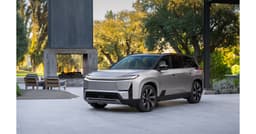
Toyota Unveils 2027 Highlander as All-Electric Midsize SUV
- First Electric SUV: The 2027 Highlander is Toyota's first three-row battery electric vehicle (BEV) for the U.S. market, marking a significant advancement in Toyota's electric vehicle strategy and is expected to attract eco-conscious family consumers.
- Power and Efficiency: The new model offers power options ranging from 221 to 338 horsepower with 77.0-kWh and 95.8-kWh battery choices, with the XLE AWD version achieving a range of up to 320 miles, showcasing Toyota's innovative capabilities in electric powertrain design.
- Advanced Technology Features: Equipped with the latest Toyota Audio Multimedia system and Toyota Safety Sense 4.0, it enhances safety and entertainment experiences, improving driving convenience and security, thereby solidifying Toyota's competitive edge in the smart vehicle market.
- Comfort and Space Design: The interior focuses on comfort, accommodating up to seven passengers, featuring a 14-inch touchscreen and multiple charging options, aimed at meeting the diverse needs of modern families and enhancing the overall user experience.
See More

Super Bowl LX: Seahawks Defeat Patriots 29-13


- Game Outcome: On February 8, 2026, Super Bowl LX saw the Seattle Seahawks defeat the New England Patriots 29-13, with 30 of the 42 total points scored in the fourth quarter, highlighting the game's intensity and enhancing the Seahawks' brand image.
- Ad Performance: According to USA Today's Ad Meter, brands like Anheuser-Busch, Lay's, and Dunkin' resonated well with viewers again this year, indicating effective emotional and comedic messaging strategies that continue to engage audiences.
- Viewer Feedback: Some ads featuring AI tools failed to win over viewers, reflecting a limited acceptance of technology-driven advertising among consumers, suggesting that companies need to reassess their advertising strategies to improve effectiveness.
- Market Impact: The Super Bowl remains a crucial platform for brand marketing, where successful ads can significantly boost brand visibility and directly influence sales performance, prompting companies to increase their advertising budgets in future campaigns.
See More
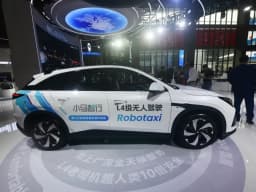
Pony.ai and Toyota Launch Mass Production of bZ4X Robotaxi

- Production Launch: The first mass-produced bZ4X Robotaxi developed by Pony.ai and Toyota has rolled off the production line, marking the start of scaled production and commercial deployment in China, with plans to produce over 1,000 vehicles by 2026, supporting Pony.ai's goal of expanding its fleet to 3,000.
- Cost Reduction: Pony.ai reported that the bill of materials for its seventh-generation autonomous driving system has decreased by approximately 70% compared to the previous generation, which not only improves deployment economics but also provides stronger financial backing for future commercial operations.
- Feature Enhancements: The new generation of Robotaxis includes features such as Bluetooth-based automatic unlocking, in-cabin voice interaction, online music, and pre-trip climate control, aimed at enhancing passenger experience and reducing motion sickness, thereby increasing market competitiveness.
- Intensifying Market Competition: As competitors like Tesla and Baidu rapidly advance in the Robotaxi sector, Pony.ai's commercial deployment will face greater market pressure, particularly in the fiercely competitive landscape of China's Tier-1 cities.
See More

Automakers Significantly Cut Super Bowl Advertising

- Declining Ad Participation: Only General Motors, Toyota, and Volkswagen are expected to advertise during Super Bowl 60, marking a significant drop from 40% of ad minutes in 2012 to just 7% by 2025, reflecting broader uncertainty in the US automotive industry.
- Tightening Budgets: Automakers are tightening their advertising budgets amid economic challenges, with iSpot CEO Sean Muller noting that the automotive sector is pulling back on spending, leading to reduced ad expenditures.
- Strategic Shift: Instead of Super Bowl ads, automakers are focusing on other sports sponsorships and digital platforms, with Muller highlighting that they now account for roughly 60% of live sports ad spend, indicating a shift away from traditional advertising models.
- High Super Bowl Ad Costs: The average cost of Super Bowl ads is $8 million for a 30-second spot, posing a significant barrier for many automakers; Stellantis CMO Olivier Francois stated that the company will spread its advertising efforts over the year to optimize budget and creativity.
See More

Hyundai's Atlas Robot Wins Best at CES 2026

- Award Recognition: Hyundai's Atlas robot won the Best Robot award at CES 2026, with the judging panel praising its naturalistic walking and sleek design, marking a significant breakthrough in robotics that is expected to enhance the company's market competitiveness.
- Factory Implementation Plans: Hyundai intends to deploy Atlas robots in its Georgia car factory by 2028, starting with simple tasks like parts sequencing and planning to expand to more complex activities by 2030, which will improve production efficiency and reduce labor costs.
- AI Technology Advancement: Toyota's collaboration with Boston Dynamics utilizes large behavior model (LBM) AI to help Atlas robots learn, enhancing their adaptability in factory settings, which is expected to accelerate skill acquisition and improve production flexibility.
- Tesla's Robotics Strategy: Tesla announced the conversion of its California factory to produce Optimus robots with a goal of 1 million units per year, and although still in the R&D phase, Musk predicts that 80% of the company's value will eventually come from this business, demonstrating strong confidence in robotics technology.
See More
2027 Toyota Highlander Unveiled as All-Electric SUV with Advanced Features
- All-Electric Powertrain: The 2027 Toyota Highlander features a standard battery electric powertrain with two battery options, including a 95.8 kWh battery for AWD models that offers an estimated range of 320 miles, significantly enhancing its competitiveness in the electric SUV market.
- Advanced Safety Technology: The new model is equipped with the latest Toyota Safety Sense (TSS 4.0), which includes features like collision warning and automatic emergency braking, aimed at improving driving safety and boosting consumer confidence.
- Spacious Interior Design: The Highlander offers three rows of seating for up to seven passengers, with a foldable third row providing over 45 cubic feet of cargo space, catering to diverse family travel needs and enhancing user experience.
- Manufactured in the U.S.: This model will be assembled at Toyota's plant in Kentucky, with battery modules produced at the newly opened battery manufacturing facility in North Carolina, reflecting Toyota's commitment to the U.S. market and its strategic positioning in the electrification transition.
See More
Toyota Unveils 2027 Highlander as All-Electric Midsize SUV
- First Electric SUV: The 2027 Highlander is Toyota's first three-row battery electric vehicle (BEV) for the U.S. market, marking a significant advancement in Toyota's electric vehicle strategy and is expected to attract eco-conscious family consumers.
- Power and Efficiency: The new model offers power options ranging from 221 to 338 horsepower with 77.0-kWh and 95.8-kWh battery choices, with the XLE AWD version achieving a range of up to 320 miles, showcasing Toyota's innovative capabilities in electric powertrain design.
- Advanced Technology Features: Equipped with the latest Toyota Audio Multimedia system and Toyota Safety Sense 4.0, it enhances safety and entertainment experiences, improving driving convenience and security, thereby solidifying Toyota's competitive edge in the smart vehicle market.
- Comfort and Space Design: The interior focuses on comfort, accommodating up to seven passengers, featuring a 14-inch touchscreen and multiple charging options, aimed at meeting the diverse needs of modern families and enhancing the overall user experience.
See More
Super Bowl LX: Seahawks Defeat Patriots 29-13
- Game Outcome: On February 8, 2026, Super Bowl LX saw the Seattle Seahawks defeat the New England Patriots 29-13, with 30 of the 42 total points scored in the fourth quarter, highlighting the game's intensity and enhancing the Seahawks' brand image.
- Ad Performance: According to USA Today's Ad Meter, brands like Anheuser-Busch, Lay's, and Dunkin' resonated well with viewers again this year, indicating effective emotional and comedic messaging strategies that continue to engage audiences.
- Viewer Feedback: Some ads featuring AI tools failed to win over viewers, reflecting a limited acceptance of technology-driven advertising among consumers, suggesting that companies need to reassess their advertising strategies to improve effectiveness.
- Market Impact: The Super Bowl remains a crucial platform for brand marketing, where successful ads can significantly boost brand visibility and directly influence sales performance, prompting companies to increase their advertising budgets in future campaigns.
See More
Pony.ai and Toyota Launch Mass Production of bZ4X Robotaxi
- Production Launch: The first mass-produced bZ4X Robotaxi developed by Pony.ai and Toyota has rolled off the production line, marking the start of scaled production and commercial deployment in China, with plans to produce over 1,000 vehicles by 2026, supporting Pony.ai's goal of expanding its fleet to 3,000.
- Cost Reduction: Pony.ai reported that the bill of materials for its seventh-generation autonomous driving system has decreased by approximately 70% compared to the previous generation, which not only improves deployment economics but also provides stronger financial backing for future commercial operations.
- Feature Enhancements: The new generation of Robotaxis includes features such as Bluetooth-based automatic unlocking, in-cabin voice interaction, online music, and pre-trip climate control, aimed at enhancing passenger experience and reducing motion sickness, thereby increasing market competitiveness.
- Intensifying Market Competition: As competitors like Tesla and Baidu rapidly advance in the Robotaxi sector, Pony.ai's commercial deployment will face greater market pressure, particularly in the fiercely competitive landscape of China's Tier-1 cities.
See More
Automakers Significantly Cut Super Bowl Advertising
- Declining Ad Participation: Only General Motors, Toyota, and Volkswagen are expected to advertise during Super Bowl 60, marking a significant drop from 40% of ad minutes in 2012 to just 7% by 2025, reflecting broader uncertainty in the US automotive industry.
- Tightening Budgets: Automakers are tightening their advertising budgets amid economic challenges, with iSpot CEO Sean Muller noting that the automotive sector is pulling back on spending, leading to reduced ad expenditures.
- Strategic Shift: Instead of Super Bowl ads, automakers are focusing on other sports sponsorships and digital platforms, with Muller highlighting that they now account for roughly 60% of live sports ad spend, indicating a shift away from traditional advertising models.
- High Super Bowl Ad Costs: The average cost of Super Bowl ads is $8 million for a 30-second spot, posing a significant barrier for many automakers; Stellantis CMO Olivier Francois stated that the company will spread its advertising efforts over the year to optimize budget and creativity.
See More
Hyundai's Atlas Robot Wins Best at CES 2026
- Award Recognition: Hyundai's Atlas robot won the Best Robot award at CES 2026, with the judging panel praising its naturalistic walking and sleek design, marking a significant breakthrough in robotics that is expected to enhance the company's market competitiveness.
- Factory Implementation Plans: Hyundai intends to deploy Atlas robots in its Georgia car factory by 2028, starting with simple tasks like parts sequencing and planning to expand to more complex activities by 2030, which will improve production efficiency and reduce labor costs.
- AI Technology Advancement: Toyota's collaboration with Boston Dynamics utilizes large behavior model (LBM) AI to help Atlas robots learn, enhancing their adaptability in factory settings, which is expected to accelerate skill acquisition and improve production flexibility.
- Tesla's Robotics Strategy: Tesla announced the conversion of its California factory to produce Optimus robots with a goal of 1 million units per year, and although still in the R&D phase, Musk predicts that 80% of the company's value will eventually come from this business, demonstrating strong confidence in robotics technology.
See More