Three European Stocks Poised to Withstand Tariff Impacts
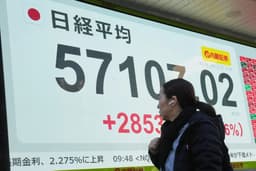
Tariff Concerns: The market is currently focused on the potential increase of tariffs on Canada, Mexico, Europe, and Asia, which has led to volatility in various markets and prompted trading partners to insulate themselves from unpredictable import tax policies.
International Diversification Trend: There is a growing trend of international diversification among investors, with firms like BlackRock and Vanguard emphasizing the importance of global diversification to mitigate risks associated with U.S. tariffs.
European Stocks Performance: European stocks have been outperforming U.S. stocks, with the gap widening over the last three months, as investors seek stability amid tariff threats and geopolitical tensions.
Investment Recommendations: Analysts are recommending stocks that are less affected by U.S. tariffs, particularly those generating revenue outside the U.S. or involved in essential services, as a strategy to navigate the current market uncertainties.
Trade with 70% Backtested Accuracy
Analyst Views on LMT

About LMT
About the author


Global Military Spending Reaches Record High

- Surge in Military Spending: Global military expenditure reached a record $2.7 trillion in 2024, with the U.S. accounting for about half, as its 2026 budget is set at $1.48 trillion, reflecting a $500 billion increase from 2025, indicating a strong commitment to defense investment.
- Germany's Defense Budget Growth: Germany boosted its defense spending to €86 billion in 2025, becoming the fourth-largest military spender globally, and increased its 2026 budget by 25% to €108 billion, aiming for €152 billion by 2029, highlighting its focus on military modernization.
- Lockheed Martin's Revenue Growth: Lockheed Martin's sales grew 6% to $75 billion in 2025, with a slight decline in earnings per share, yet its net cash position surged 66% to $4.12 billion and operating cash flow skyrocketed 214% to $3.22 billion, showcasing strong financial performance amid rising defense spending.
- Rheinmetall's Sales Increase: Rheinmetall reported a 13% sales increase to €2.78 billion in Q3 2025, with operating margin rising to 12.9% and backlog growing 23% to €63.8 billion, projecting 35%-40% sales growth for 2025, indicating its strong position to benefit from Germany's defense budget expansion.

Google Employees Demand End to Immigration Enforcement Ties


- Employee Open Letter: A total of 1,002 full-time employees at Google have signed an open letter urging the company to sever ties with federal immigration enforcement agencies, reflecting strong dissatisfaction with the lack of transparency regarding the company's contracts and technology usage with the federal government.
- Transparency Demands: The letter highlights that Google has failed to provide internal transparency about its collaboration with federal agencies, prompting employees to call on leadership, particularly CEO Sundar Pichai, for greater disclosure to enhance internal trust and accountability.
- Request to Withdraw Technology: Employees are demanding that Google withdraw its technology from all work associated with the Department of Homeland Security, Immigration and Customs Enforcement, and Customs and Border Protection, aiming to protect workers and communities from immigration enforcement actions and emphasizing social responsibility.
- Advocacy for Safety Measures: Additionally, employees are advocating for safety measures to protect workers and are calling for an all-hands meeting to address these concerns, indicating a heightened awareness of corporate policies and social responsibilities among the workforce.

Nuclear Energy ETF Leads New Investment Trend

- Emerging Investment Theme: Nuclear energy is recognized as a key power source for AI, with the Range Nuclear Renaissance Index ETF (NUKZ) amassing over $808 million in assets under management within just two years, reflecting strong market demand and investor confidence.
- Sector Allocation Advantage: The ETF's allocation to energy stocks stands at 13.20%, significantly higher than the category average of 2.14%, while its nearly 55% weight in industrial stocks enhances its performance during market fluctuations, increasing potential returns for investors.
- Global Investment Strategy: More than one-third of NUKZ's 45 holdings are from companies outside the U.S., providing investors with diversified revenue opportunities while maintaining exposure to the domestic market.
- Defensive Positioning: With an allocation of nearly 28% to the utilities sector, which is double that of competing funds, this ETF offers investors some protection in the event of a technology sell-off, demonstrating its robustness in uncertain market conditions.

Nuclear ETFs Surge Amid Investment Opportunities
- Nuclear ETF Market Growth: There are nearly 10 dedicated nuclear or uranium ETFs currently available, with the Range Nuclear Renaissance Index ETF (NUKZ) managing over $808 million in assets within just two years, reflecting strong investor confidence and demand in the nuclear sector.
- Outperforming Competitors: NUKZ has outperformed many more well-known rivals, primarily due to its significant overweight in energy stocks (13.20%) and nearly 55% allocation to industrial stocks, which has generated unexpected gains in its portfolio.
- Global Investment Portfolio: More than a third of the ETF's 45 holdings are from companies outside the U.S., providing geographic diversification that appeals to investors looking to maintain domestic exposure while capitalizing on growth from international markets.
- Defensive Positioning Advantage: With an allocation of nearly 28% to the utilities sector, which is more than double that of competing funds, NUKZ's defensive posture may offer protection for investors amid recent technology sell-offs, enhancing its attractiveness.

Trump Administration Invests in Critical Minerals Sector

- Scale of Government Investment: The Trump administration's equity stakes in at least 10 companies, including USA Rare Earth and MP Materials, represent an unprecedented scale aimed at reducing reliance on Chinese rare earths, potentially altering market competition dynamics.
- Legal Risk Concerns: The lack of a clear legal basis for these investments exposes the Trump administration to lawsuits from competitors and political scrutiny during potential regime changes, increasing operational uncertainties for the involved companies.
- Capital Allocation Risks: Government equity stakes raise concerns about capital misallocation, as funds may flow to less competitive companies, which could adversely affect the overall health of the market and investor confidence.
- Corporate Silence: Despite some executives expressing distaste for government intervention, most corporate leaders remain silent, fearing that public opposition could strain relations with the administration and negatively impact shareholder interests.
Trump Administration Increases Investments in Critical Minerals

- Surge in Investments: The Trump administration has made unprecedented equity investments in at least 10 companies over the past year, including critical minerals and chipmakers, aiming to build a domestic supply chain and reduce reliance on China, indicating a proactive government role in economic strategy.
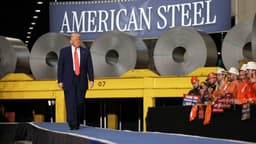
- U.S. Steel Golden Share: The administration secured a golden share in U.S. Steel as a condition for approving Nippon Steel's acquisition, granting the president veto power over key business decisions, which ensures stability and growth in the U.S. steel industry, reflecting direct government intervention in vital sectors.
- Strategic Deal with MP Materials: The Defense Department struck a landmark deal with MP Materials, investing $400 million in preferred stock with rights to purchase additional shares, positioning the Pentagon as the largest single shareholder and further solidifying U.S. dominance in the rare earth mining sector.
- L3Harris and Defense Partnership: L3Harris announced a proposed partnership with the U.S. government, where the Pentagon will invest $1 billion in its rocket motor business, with plans for an IPO in the second half of 2026, allowing the Pentagon's investment to convert into common equity, enhancing the capital base of the defense industry.
Global Military Spending Reaches Record High
- Surge in Military Spending: Global military expenditure reached a record $2.7 trillion in 2024, with the U.S. accounting for about half, as its 2026 budget is set at $1.48 trillion, reflecting a $500 billion increase from 2025, indicating a strong commitment to defense investment.
- Germany's Defense Budget Growth: Germany boosted its defense spending to €86 billion in 2025, becoming the fourth-largest military spender globally, and increased its 2026 budget by 25% to €108 billion, aiming for €152 billion by 2029, highlighting its focus on military modernization.
- Lockheed Martin's Revenue Growth: Lockheed Martin's sales grew 6% to $75 billion in 2025, with a slight decline in earnings per share, yet its net cash position surged 66% to $4.12 billion and operating cash flow skyrocketed 214% to $3.22 billion, showcasing strong financial performance amid rising defense spending.
- Rheinmetall's Sales Increase: Rheinmetall reported a 13% sales increase to €2.78 billion in Q3 2025, with operating margin rising to 12.9% and backlog growing 23% to €63.8 billion, projecting 35%-40% sales growth for 2025, indicating its strong position to benefit from Germany's defense budget expansion.
Google Employees Demand End to Immigration Enforcement Ties
- Employee Open Letter: A total of 1,002 full-time employees at Google have signed an open letter urging the company to sever ties with federal immigration enforcement agencies, reflecting strong dissatisfaction with the lack of transparency regarding the company's contracts and technology usage with the federal government.
- Transparency Demands: The letter highlights that Google has failed to provide internal transparency about its collaboration with federal agencies, prompting employees to call on leadership, particularly CEO Sundar Pichai, for greater disclosure to enhance internal trust and accountability.
- Request to Withdraw Technology: Employees are demanding that Google withdraw its technology from all work associated with the Department of Homeland Security, Immigration and Customs Enforcement, and Customs and Border Protection, aiming to protect workers and communities from immigration enforcement actions and emphasizing social responsibility.
- Advocacy for Safety Measures: Additionally, employees are advocating for safety measures to protect workers and are calling for an all-hands meeting to address these concerns, indicating a heightened awareness of corporate policies and social responsibilities among the workforce.
Nuclear Energy ETF Leads New Investment Trend
- Emerging Investment Theme: Nuclear energy is recognized as a key power source for AI, with the Range Nuclear Renaissance Index ETF (NUKZ) amassing over $808 million in assets under management within just two years, reflecting strong market demand and investor confidence.
- Sector Allocation Advantage: The ETF's allocation to energy stocks stands at 13.20%, significantly higher than the category average of 2.14%, while its nearly 55% weight in industrial stocks enhances its performance during market fluctuations, increasing potential returns for investors.
- Global Investment Strategy: More than one-third of NUKZ's 45 holdings are from companies outside the U.S., providing investors with diversified revenue opportunities while maintaining exposure to the domestic market.
- Defensive Positioning: With an allocation of nearly 28% to the utilities sector, which is double that of competing funds, this ETF offers investors some protection in the event of a technology sell-off, demonstrating its robustness in uncertain market conditions.
Nuclear ETFs Surge Amid Investment Opportunities
- Nuclear ETF Market Growth: There are nearly 10 dedicated nuclear or uranium ETFs currently available, with the Range Nuclear Renaissance Index ETF (NUKZ) managing over $808 million in assets within just two years, reflecting strong investor confidence and demand in the nuclear sector.
- Outperforming Competitors: NUKZ has outperformed many more well-known rivals, primarily due to its significant overweight in energy stocks (13.20%) and nearly 55% allocation to industrial stocks, which has generated unexpected gains in its portfolio.
- Global Investment Portfolio: More than a third of the ETF's 45 holdings are from companies outside the U.S., providing geographic diversification that appeals to investors looking to maintain domestic exposure while capitalizing on growth from international markets.
- Defensive Positioning Advantage: With an allocation of nearly 28% to the utilities sector, which is more than double that of competing funds, NUKZ's defensive posture may offer protection for investors amid recent technology sell-offs, enhancing its attractiveness.
Trump Administration Invests in Critical Minerals Sector
- Scale of Government Investment: The Trump administration's equity stakes in at least 10 companies, including USA Rare Earth and MP Materials, represent an unprecedented scale aimed at reducing reliance on Chinese rare earths, potentially altering market competition dynamics.
- Legal Risk Concerns: The lack of a clear legal basis for these investments exposes the Trump administration to lawsuits from competitors and political scrutiny during potential regime changes, increasing operational uncertainties for the involved companies.
- Capital Allocation Risks: Government equity stakes raise concerns about capital misallocation, as funds may flow to less competitive companies, which could adversely affect the overall health of the market and investor confidence.
- Corporate Silence: Despite some executives expressing distaste for government intervention, most corporate leaders remain silent, fearing that public opposition could strain relations with the administration and negatively impact shareholder interests.
Trump Administration Increases Investments in Critical Minerals
- Surge in Investments: The Trump administration has made unprecedented equity investments in at least 10 companies over the past year, including critical minerals and chipmakers, aiming to build a domestic supply chain and reduce reliance on China, indicating a proactive government role in economic strategy.
- U.S. Steel Golden Share: The administration secured a golden share in U.S. Steel as a condition for approving Nippon Steel's acquisition, granting the president veto power over key business decisions, which ensures stability and growth in the U.S. steel industry, reflecting direct government intervention in vital sectors.
- Strategic Deal with MP Materials: The Defense Department struck a landmark deal with MP Materials, investing $400 million in preferred stock with rights to purchase additional shares, positioning the Pentagon as the largest single shareholder and further solidifying U.S. dominance in the rare earth mining sector.
- L3Harris and Defense Partnership: L3Harris announced a proposed partnership with the U.S. government, where the Pentagon will invest $1 billion in its rocket motor business, with plans for an IPO in the second half of 2026, allowing the Pentagon's investment to convert into common equity, enhancing the capital base of the defense industry.