Tesla's Earnings Flop Trips Up These ETFs


Tesla's Q2 Performance Impact: Tesla Inc. reported disappointing Q2 earnings, missing forecasts with adjusted earnings of 33 cents per share and a 12% year-over-year revenue decline, leading to significant drops in several ETFs heavily invested in the company.
Investor Sentiment and Future Prospects: Despite the poor quarterly results, Tesla is pursuing ambitious projects like its robotaxi service, which could provide long-term growth potential, but current market sentiment remains cautious due to recent performance issues.
Trade with 70% Backtested Accuracy
Analyst Views on TSLA

About TSLA
About the author


Musk Merges SpaceX with xAI, Wealth Soars

- Merger Valuation Surge: Musk's merger of SpaceX with xAI creates a new entity valued at $1.25 trillion, boosting his net worth to approximately $845 billion, reflecting his ambitions in aerospace and AI sectors.
- Wealth Shift: Post-merger, Musk's ownership in the new entity is estimated at 43%, valued at over $530 billion, indicating a shift in his wealth focus from Tesla to SpaceX, which now constitutes nearly two-thirds of his wealth.
- Market Potential: The merger is seen as a strategic move to access larger capital markets, particularly as xAI's AI model development requires significant funding, potentially opening up greater business opportunities for Musk.
- Future Challenges: While Musk aims to become the world's first trillionaire, SpaceX needs to reach a valuation of approximately $1.6 trillion, facing regulatory scrutiny and ongoing investigations into xAI, which could impact his financial strategy.
Tesla Launches Limited-Time FSD Transfer Program
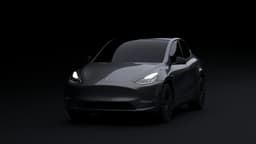
- FSD Transfer Program Overview: Tesla has launched a limited-time FSD transfer program allowing customers to order a new vehicle and transfer the Full Self-Driving feature from their existing vehicle by March 31, 2026, aimed at enhancing customer experience and boosting new vehicle sales.
- Eligibility Requirements: Customers must be the legal owners of the current FSD vehicle, with both vehicles under the same Tesla account, ensuring a smooth transfer process that enhances customer loyalty to the Tesla brand.
- Transfer Conditions: Vehicles eligible for transfer must not be under lease, used for commercial purposes, or have unresolved financial issues, ensuring compliance and safety during the transfer process while minimizing potential legal risks.
- Policy Update Context: This program follows Tesla's announcement that the free FSD transfer service will end in March, demonstrating the company's flexibility in adjusting policies to meet market demands and customer feedback.

Tesla's Transition Risks vs. AI Investment Opportunities


- Tesla's Transition Challenges: Tesla's stock has surged 3,500% over the past decade, but it is currently undergoing a significant shift from electric vehicles to robotics and autonomous vehicles, facing dual pressures from slowing core EV sales and rising costs.
- Deteriorating Financials: Tesla's sales declined in Q4, with annual revenue falling for the first time to $94.8 billion, operating expenses rising 39% to $3.6 billion, and net income dropping 60% to $0.24 per share, indicating financial strain during this transition.
- AI Stock Potential: In contrast to Tesla, Micron and TSMC are benefiting from a surge in demand for AI infrastructure, with Micron's Q1 revenue rising 56% to $13.6 billion and adjusted EPS up 167% to $4.78, while TSMC's sales increased nearly 26% to $33.7 billion, showcasing strong growth potential.
- Valuation Advantage: Micron and TSMC have P/E ratios of 39 and 33, respectively, compared to Tesla's 390, highlighting their relative value in the current market environment, making them more attractive investment options for shareholders.

3 Strategies to Calm Stock Market Anxiety Ahead of Key Jobs Report


Stock Market Outlook: The Super Bowl Indicator suggests a positive year for the stock market, particularly following the Seattle Seahawks' victory.
Investor Sentiment: Even skeptics of the Super Bowl Indicator can find reasons for optimism as the market approaches a significant January jobs report.
Analysis of Peter Thiel's Investment Portfolio


- Tesla Position Change: Peter Thiel reduced his Tesla holdings by 76% in Q3 2025, yet it remains the largest position in his portfolio, indicating ongoing confidence in the electric vehicle market despite skepticism towards Musk's humanoid robot strategy.
- Microsoft Investment Increase: Thiel purchased 49,000 shares of Microsoft in Q3, elevating it to the second-largest holding at 34% of his total portfolio, reflecting his optimism about Microsoft's cloud services and AI integration, even as the company faces growth slowdowns.
- New Investment in Apple: Thiel initiated a new position in Apple by acquiring over 79,000 shares in Q3, suggesting he sees potential in Apple's AI capabilities, particularly its vast iPhone sales network and upcoming AI-powered smart glasses.
- AI Stock Selection: Although Thiel's hedge fund holds only three AI stocks, his choices of Microsoft and Apple demonstrate a preference for technology builders, indicating a belief that these companies will play a more significant role in future technological revolutions.

Thiel Reduces Tesla Stake, Increases Microsoft and Apple Holdings
- Tesla Stake Reduction: Thiel slashed his Tesla holdings by 76% in Q3 2025, although it remains his largest position, indicating a cautious stance towards the electric vehicle market, possibly due to skepticism about Musk's humanoid robot strategy.
- Increased Microsoft Investment: Thiel purchased 49,000 shares of Microsoft in Q3, elevating its share to 34% of his hedge fund, reflecting his endorsement of Microsoft's focus on AI-integrated products, despite lower-than-expected growth in its cloud services.
- New Position in Apple: Thiel initiated a new position in Apple by acquiring over 79,000 shares in Q3, signaling confidence in Apple's AI potential, particularly its vast iPhone user base and upcoming AI-powered smart glasses.
- AI Investment Portfolio Analysis: Although Thiel's hedge fund does not hold Nvidia or Palantir, his investments in Microsoft and Apple demonstrate a preference for
Musk Merges SpaceX with xAI, Wealth Soars
- Merger Valuation Surge: Musk's merger of SpaceX with xAI creates a new entity valued at $1.25 trillion, boosting his net worth to approximately $845 billion, reflecting his ambitions in aerospace and AI sectors.
- Wealth Shift: Post-merger, Musk's ownership in the new entity is estimated at 43%, valued at over $530 billion, indicating a shift in his wealth focus from Tesla to SpaceX, which now constitutes nearly two-thirds of his wealth.
- Market Potential: The merger is seen as a strategic move to access larger capital markets, particularly as xAI's AI model development requires significant funding, potentially opening up greater business opportunities for Musk.
- Future Challenges: While Musk aims to become the world's first trillionaire, SpaceX needs to reach a valuation of approximately $1.6 trillion, facing regulatory scrutiny and ongoing investigations into xAI, which could impact his financial strategy.
Tesla Launches Limited-Time FSD Transfer Program
- FSD Transfer Program Overview: Tesla has launched a limited-time FSD transfer program allowing customers to order a new vehicle and transfer the Full Self-Driving feature from their existing vehicle by March 31, 2026, aimed at enhancing customer experience and boosting new vehicle sales.
- Eligibility Requirements: Customers must be the legal owners of the current FSD vehicle, with both vehicles under the same Tesla account, ensuring a smooth transfer process that enhances customer loyalty to the Tesla brand.
- Transfer Conditions: Vehicles eligible for transfer must not be under lease, used for commercial purposes, or have unresolved financial issues, ensuring compliance and safety during the transfer process while minimizing potential legal risks.
- Policy Update Context: This program follows Tesla's announcement that the free FSD transfer service will end in March, demonstrating the company's flexibility in adjusting policies to meet market demands and customer feedback.
Tesla's Transition Risks vs. AI Investment Opportunities
- Tesla's Transition Challenges: Tesla's stock has surged 3,500% over the past decade, but it is currently undergoing a significant shift from electric vehicles to robotics and autonomous vehicles, facing dual pressures from slowing core EV sales and rising costs.
- Deteriorating Financials: Tesla's sales declined in Q4, with annual revenue falling for the first time to $94.8 billion, operating expenses rising 39% to $3.6 billion, and net income dropping 60% to $0.24 per share, indicating financial strain during this transition.
- AI Stock Potential: In contrast to Tesla, Micron and TSMC are benefiting from a surge in demand for AI infrastructure, with Micron's Q1 revenue rising 56% to $13.6 billion and adjusted EPS up 167% to $4.78, while TSMC's sales increased nearly 26% to $33.7 billion, showcasing strong growth potential.
- Valuation Advantage: Micron and TSMC have P/E ratios of 39 and 33, respectively, compared to Tesla's 390, highlighting their relative value in the current market environment, making them more attractive investment options for shareholders.
3 Strategies to Calm Stock Market Anxiety Ahead of Key Jobs Report
Stock Market Outlook: The Super Bowl Indicator suggests a positive year for the stock market, particularly following the Seattle Seahawks' victory.
Investor Sentiment: Even skeptics of the Super Bowl Indicator can find reasons for optimism as the market approaches a significant January jobs report.
Analysis of Peter Thiel's Investment Portfolio
- Tesla Position Change: Peter Thiel reduced his Tesla holdings by 76% in Q3 2025, yet it remains the largest position in his portfolio, indicating ongoing confidence in the electric vehicle market despite skepticism towards Musk's humanoid robot strategy.
- Microsoft Investment Increase: Thiel purchased 49,000 shares of Microsoft in Q3, elevating it to the second-largest holding at 34% of his total portfolio, reflecting his optimism about Microsoft's cloud services and AI integration, even as the company faces growth slowdowns.
- New Investment in Apple: Thiel initiated a new position in Apple by acquiring over 79,000 shares in Q3, suggesting he sees potential in Apple's AI capabilities, particularly its vast iPhone sales network and upcoming AI-powered smart glasses.
- AI Stock Selection: Although Thiel's hedge fund holds only three AI stocks, his choices of Microsoft and Apple demonstrate a preference for technology builders, indicating a belief that these companies will play a more significant role in future technological revolutions.
Thiel Reduces Tesla Stake, Increases Microsoft and Apple Holdings
- Tesla Stake Reduction: Thiel slashed his Tesla holdings by 76% in Q3 2025, although it remains his largest position, indicating a cautious stance towards the electric vehicle market, possibly due to skepticism about Musk's humanoid robot strategy.
- Increased Microsoft Investment: Thiel purchased 49,000 shares of Microsoft in Q3, elevating its share to 34% of his hedge fund, reflecting his endorsement of Microsoft's focus on AI-integrated products, despite lower-than-expected growth in its cloud services.
- New Position in Apple: Thiel initiated a new position in Apple by acquiring over 79,000 shares in Q3, signaling confidence in Apple's AI potential, particularly its vast iPhone user base and upcoming AI-powered smart glasses.
- AI Investment Portfolio Analysis: Although Thiel's hedge fund does not hold Nvidia or Palantir, his investments in Microsoft and Apple demonstrate a preference for