Sales of Electric Vehicles Surge in South America — Excluding Tesla

Growth of Electric Vehicles in Peru: The electric vehicle (EV) market in Peru is expanding, with sales of hybrid and electric vehicles increasing by 44% year-on-year, driven by the influx of affordable Chinese models and the establishment of local charging infrastructure.
Chinese Manufacturers' Influence: Chinese carmakers like BYD and Geely are significantly increasing their presence in South America, capitalizing on lower prices and local partnerships, which has led to a rise in their market share across various countries, including Chile and Uruguay.
Regional Distribution Hub Development: The Port of Chancay in Peru has become a key distribution hub for Chinese vehicles, facilitating faster shipping times and enabling the export of cars to neighboring countries like Chile and Ecuador.
Challenges to EV Adoption: Despite the growth in EV sales, challenges such as long distances, uneven charging networks, and economic barriers remain, which could hinder broader adoption of electric vehicles in South America.
Trade with 70% Backtested Accuracy
Analyst Views on TSLA

About TSLA
About the author


Musk Merges SpaceX with xAI, Wealth Soars

- Merger Valuation Surge: Musk's merger of SpaceX with xAI creates a new entity valued at $1.25 trillion, boosting his net worth to approximately $845 billion, reflecting his ambitions in aerospace and AI sectors.
- Wealth Shift: Post-merger, Musk's ownership in the new entity is estimated at 43%, valued at over $530 billion, indicating a shift in his wealth focus from Tesla to SpaceX, which now constitutes nearly two-thirds of his wealth.
- Market Potential: The merger is seen as a strategic move to access larger capital markets, particularly as xAI's AI model development requires significant funding, potentially opening up greater business opportunities for Musk.
- Future Challenges: While Musk aims to become the world's first trillionaire, SpaceX needs to reach a valuation of approximately $1.6 trillion, facing regulatory scrutiny and ongoing investigations into xAI, which could impact his financial strategy.
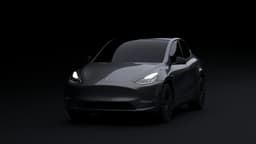
Tesla Launches Limited-Time FSD Transfer Program
- FSD Transfer Program Overview: Tesla has launched a limited-time FSD transfer program allowing customers to order a new vehicle and transfer the Full Self-Driving feature from their existing vehicle by March 31, 2026, aimed at enhancing customer experience and boosting new vehicle sales.
- Eligibility Requirements: Customers must be the legal owners of the current FSD vehicle, with both vehicles under the same Tesla account, ensuring a smooth transfer process that enhances customer loyalty to the Tesla brand.
- Transfer Conditions: Vehicles eligible for transfer must not be under lease, used for commercial purposes, or have unresolved financial issues, ensuring compliance and safety during the transfer process while minimizing potential legal risks.
- Policy Update Context: This program follows Tesla's announcement that the free FSD transfer service will end in March, demonstrating the company's flexibility in adjusting policies to meet market demands and customer feedback.
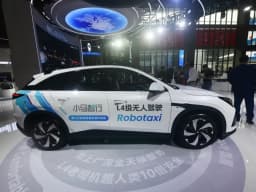
Pony.ai and Toyota Launch Mass Production of bZ4X Robotaxi


- Production Launch: The first mass-produced bZ4X Robotaxi developed by Pony.ai and Toyota has rolled off the production line, marking the start of scaled production and commercial deployment in China, with plans to produce over 1,000 vehicles by 2026, supporting Pony.ai's goal of expanding its fleet to 3,000.
- Cost Reduction: Pony.ai reported that the bill of materials for its seventh-generation autonomous driving system has decreased by approximately 70% compared to the previous generation, which not only improves deployment economics but also provides stronger financial backing for future commercial operations.
- Feature Enhancements: The new generation of Robotaxis includes features such as Bluetooth-based automatic unlocking, in-cabin voice interaction, online music, and pre-trip climate control, aimed at enhancing passenger experience and reducing motion sickness, thereby increasing market competitiveness.
- Intensifying Market Competition: As competitors like Tesla and Baidu rapidly advance in the Robotaxi sector, Pony.ai's commercial deployment will face greater market pressure, particularly in the fiercely competitive landscape of China's Tier-1 cities.
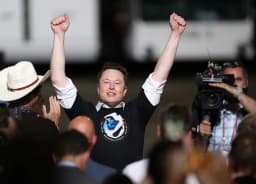
SpaceX Plans IPO Targeting Over $1 Trillion Valuation
- Diverse Revenue Sources: Musk indicated that NASA will account for only about 5% of SpaceX's revenue this year, highlighting the company's strong performance in the commercial sector, particularly with the success of Starlink, which is expected to drive future revenue growth.
- Starlink Revenue Surge: According to Payload Space, Starlink's revenue is projected to rise from $1.9 billion in 2022 to $8.2 billion by 2024, showcasing its potential as a cash cow and further solidifying SpaceX's market position.
- Second-Generation System Plans: SpaceX plans to launch its second-generation Starlink cellular system in 2027, aimed at enhancing service capabilities to meet growing user demand and laying the groundwork for the upcoming IPO.
- Optimistic IPO Outlook: SpaceX is targeting a valuation of over $1 trillion during its IPO, which would make it the largest IPO in history, reflecting strong market confidence in its future growth.
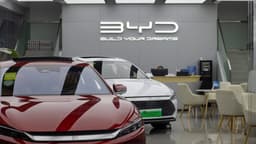
BYD Achieves Breakthroughs in Battery Technology

- Sodium-Ion Battery Lifespan: BYD's sodium-ion batteries are capable of 10,000 charge cycles, significantly exceeding the typical range of 1,500 to 3,000 cycles, which enhances the overall lifespan and market competitiveness of its electric vehicles.
- Solid-State Battery Production Plans: BYD aims to commence small-scale production of its sulfide solid-state batteries by 2027, promising longer lifespans and faster charging times, which could further advance electric vehicle technology and market acceptance.
- Sales Decline Impacting Stock: BYD's sales in the Chinese market fell by 30% in January, with only 210,051 units sold, marking a 50% drop from December 2025, potentially exerting negative pressure on its stock price and reflecting market demand fluctuations.
- Competitive Dynamics with Tesla: BYD's technological breakthroughs may intensify competition with Tesla, which is enhancing battery energy density through dry electrode processes, indicating a fierce competitive landscape in the battery technology sector.

Japan's LDP Secures Overwhelming Election Victory


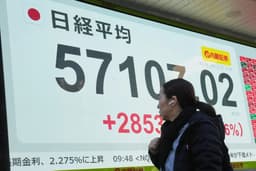
- Election Impact: Japan's Prime Minister Sanae Takaichi and her ruling LDP secured a supermajority in the election, controlling over two-thirds of the Lower House, which allows her to freely pursue an agenda of increased spending and suspension of certain food taxes, likely stimulating economic growth further.
- Market Surge: Following the election results, Japanese stocks reached a record high, with the yen strengthening to 156.88 per dollar, reflecting renewed investor confidence and indicating positive market expectations regarding Takaichi's policies.
- U.S. Market Rebound: Major U.S. indexes rebounded post-election, with the S&P 500 rising 1.97% and the Nasdaq Composite climbing 2.18%, driven by strong performances from tech stocks like Nvidia and Oracle, which bolstered global investor confidence.
- Private Credit Concerns: The private credit market faces renewed uncertainty as AI pressures software companies, raising investor concerns about borrower business models and potentially increasing default risks, which could impact overall financial stability.
Musk Merges SpaceX with xAI, Wealth Soars
- Merger Valuation Surge: Musk's merger of SpaceX with xAI creates a new entity valued at $1.25 trillion, boosting his net worth to approximately $845 billion, reflecting his ambitions in aerospace and AI sectors.
- Wealth Shift: Post-merger, Musk's ownership in the new entity is estimated at 43%, valued at over $530 billion, indicating a shift in his wealth focus from Tesla to SpaceX, which now constitutes nearly two-thirds of his wealth.
- Market Potential: The merger is seen as a strategic move to access larger capital markets, particularly as xAI's AI model development requires significant funding, potentially opening up greater business opportunities for Musk.
- Future Challenges: While Musk aims to become the world's first trillionaire, SpaceX needs to reach a valuation of approximately $1.6 trillion, facing regulatory scrutiny and ongoing investigations into xAI, which could impact his financial strategy.
Tesla Launches Limited-Time FSD Transfer Program
- FSD Transfer Program Overview: Tesla has launched a limited-time FSD transfer program allowing customers to order a new vehicle and transfer the Full Self-Driving feature from their existing vehicle by March 31, 2026, aimed at enhancing customer experience and boosting new vehicle sales.
- Eligibility Requirements: Customers must be the legal owners of the current FSD vehicle, with both vehicles under the same Tesla account, ensuring a smooth transfer process that enhances customer loyalty to the Tesla brand.
- Transfer Conditions: Vehicles eligible for transfer must not be under lease, used for commercial purposes, or have unresolved financial issues, ensuring compliance and safety during the transfer process while minimizing potential legal risks.
- Policy Update Context: This program follows Tesla's announcement that the free FSD transfer service will end in March, demonstrating the company's flexibility in adjusting policies to meet market demands and customer feedback.
Pony.ai and Toyota Launch Mass Production of bZ4X Robotaxi
- Production Launch: The first mass-produced bZ4X Robotaxi developed by Pony.ai and Toyota has rolled off the production line, marking the start of scaled production and commercial deployment in China, with plans to produce over 1,000 vehicles by 2026, supporting Pony.ai's goal of expanding its fleet to 3,000.
- Cost Reduction: Pony.ai reported that the bill of materials for its seventh-generation autonomous driving system has decreased by approximately 70% compared to the previous generation, which not only improves deployment economics but also provides stronger financial backing for future commercial operations.
- Feature Enhancements: The new generation of Robotaxis includes features such as Bluetooth-based automatic unlocking, in-cabin voice interaction, online music, and pre-trip climate control, aimed at enhancing passenger experience and reducing motion sickness, thereby increasing market competitiveness.
- Intensifying Market Competition: As competitors like Tesla and Baidu rapidly advance in the Robotaxi sector, Pony.ai's commercial deployment will face greater market pressure, particularly in the fiercely competitive landscape of China's Tier-1 cities.
SpaceX Plans IPO Targeting Over $1 Trillion Valuation
- Diverse Revenue Sources: Musk indicated that NASA will account for only about 5% of SpaceX's revenue this year, highlighting the company's strong performance in the commercial sector, particularly with the success of Starlink, which is expected to drive future revenue growth.
- Starlink Revenue Surge: According to Payload Space, Starlink's revenue is projected to rise from $1.9 billion in 2022 to $8.2 billion by 2024, showcasing its potential as a cash cow and further solidifying SpaceX's market position.
- Second-Generation System Plans: SpaceX plans to launch its second-generation Starlink cellular system in 2027, aimed at enhancing service capabilities to meet growing user demand and laying the groundwork for the upcoming IPO.
- Optimistic IPO Outlook: SpaceX is targeting a valuation of over $1 trillion during its IPO, which would make it the largest IPO in history, reflecting strong market confidence in its future growth.
BYD Achieves Breakthroughs in Battery Technology
- Sodium-Ion Battery Lifespan: BYD's sodium-ion batteries are capable of 10,000 charge cycles, significantly exceeding the typical range of 1,500 to 3,000 cycles, which enhances the overall lifespan and market competitiveness of its electric vehicles.
- Solid-State Battery Production Plans: BYD aims to commence small-scale production of its sulfide solid-state batteries by 2027, promising longer lifespans and faster charging times, which could further advance electric vehicle technology and market acceptance.
- Sales Decline Impacting Stock: BYD's sales in the Chinese market fell by 30% in January, with only 210,051 units sold, marking a 50% drop from December 2025, potentially exerting negative pressure on its stock price and reflecting market demand fluctuations.
- Competitive Dynamics with Tesla: BYD's technological breakthroughs may intensify competition with Tesla, which is enhancing battery energy density through dry electrode processes, indicating a fierce competitive landscape in the battery technology sector.
Japan's LDP Secures Overwhelming Election Victory
- Election Impact: Japan's Prime Minister Sanae Takaichi and her ruling LDP secured a supermajority in the election, controlling over two-thirds of the Lower House, which allows her to freely pursue an agenda of increased spending and suspension of certain food taxes, likely stimulating economic growth further.
- Market Surge: Following the election results, Japanese stocks reached a record high, with the yen strengthening to 156.88 per dollar, reflecting renewed investor confidence and indicating positive market expectations regarding Takaichi's policies.
- U.S. Market Rebound: Major U.S. indexes rebounded post-election, with the S&P 500 rising 1.97% and the Nasdaq Composite climbing 2.18%, driven by strong performances from tech stocks like Nvidia and Oracle, which bolstered global investor confidence.
- Private Credit Concerns: The private credit market faces renewed uncertainty as AI pressures software companies, raising investor concerns about borrower business models and potentially increasing default risks, which could impact overall financial stability.