Musk's xAI Approaches $15 Billion Funding Agreement with a Staggering $230 Billion Valuation
Funding Round: Elon Musk's AI startup xAI is reportedly nearing a $15 billion funding round, raising its valuation to $230 billion, a significant increase from the previous $113 billion valuation after acquiring X in March.
Investor Communication: Jared Birchall, Musk's wealth manager, has shared fundraising details with investors, though it remains unclear if the valuation discussed was pre-money or post-money.
Cash Burn and Competition: Like many AI startups, xAI is rapidly spending cash to develop its Grok chatbot and expand its data-center operations, aiming to compete with established players like OpenAI and Anthropic.
Infrastructure Investments: xAI is heavily investing in infrastructure, including plans for a Colossus supercomputer in Memphis, Tennessee, which could solidify its position as a leading player in the AI sector.
Trade with 70% Backtested Accuracy
Analyst Views on TSLA

About TSLA
About the author

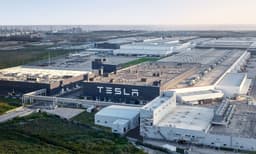
Tesla Plans Over $20 Billion Investment in 2026

- Surge in Capex: Tesla's capital expenditures totaled $8.5 billion in 2025 and are projected to exceed $20 billion in 2026, reflecting the company's ambitious plans in AI and robotics to enhance long-term competitiveness.
- Investment in Key Projects: The company is investing in six new factories and plans to expand its robotaxi and Optimus fleets to meet future market demands while ensuring supply chain stability.
- Strong Financial Position: Despite an 11% drop in auto sales and operating income in Q4 2025, Tesla generated $6.2 billion in free cash flow and has $44 billion in cash and investments, providing a solid financial foundation for future investments.
- Diversified Financing Strategy: Tesla's management is in discussions with banks regarding funding needs, potentially considering debt financing to bolster liquidity, while its $1.2 trillion market cap and a high P/E ratio of 365 offer options for raising equity capital with minimal dilution.

Musk Merges SpaceX with xAI, Wealth Soars
- Merger Valuation Surge: Musk's merger of SpaceX with xAI creates a new entity valued at $1.25 trillion, boosting his net worth to approximately $845 billion, reflecting his ambitions in aerospace and AI sectors.
- Wealth Shift: Post-merger, Musk's ownership in the new entity is estimated at 43%, valued at over $530 billion, indicating a shift in his wealth focus from Tesla to SpaceX, which now constitutes nearly two-thirds of his wealth.
- Market Potential: The merger is seen as a strategic move to access larger capital markets, particularly as xAI's AI model development requires significant funding, potentially opening up greater business opportunities for Musk.
- Future Challenges: While Musk aims to become the world's first trillionaire, SpaceX needs to reach a valuation of approximately $1.6 trillion, facing regulatory scrutiny and ongoing investigations into xAI, which could impact his financial strategy.

Fintech Stocks in Focus as MrBeast Acquires Step App

- Fintech Developments: YouTube star MrBeast's acquisition of the fintech app Step has reignited interest in fintech stocks, potentially attracting a younger demographic into financial services and enhancing market competitiveness.
- Market Sentiment Shift: Despite the Dow's record close above 50,000 points in the previous session, investor sentiment towards the SPDR S&P 500 ETF remains bearish, indicating a cautious outlook that may influence short-term investment decisions.
- Earnings Reports Watch: Investors are set to closely monitor upcoming quarterly reports from major companies like Coca-Cola, CVS Health, and Spotify, as these earnings will provide critical performance guidance that could impact stock movements in their respective sectors.
- Economic Data Monitoring: The market will keep an eye on December retail sales data and the Q4 employee cost index, as these economic indicators will offer key insights into consumer trends and economic health, potentially affecting overall market sentiment.

Analysis of Tesla's Robotaxi Business Prospects
- Surge in Robotaxi Numbers: During Tesla's Q4 2025 earnings call, Musk stated that over 500 robotaxis are operating in Austin and San Francisco, with expectations to double monthly, significantly enhancing Tesla's competitive edge in the autonomous driving market.
- Regulatory Approval Challenges: While Musk predicts that by year-end, robotaxis could be present in a quarter to half of the U.S., the complexities of regulatory approvals may delay this goal, impacting Tesla's market expansion speed.
- Safety Concerns Raised: The operation of Tesla's robotaxis without human monitoring in Austin has been questioned, with the independent Robotaxi Tracker reporting only four out of 58 vehicles are unsupervised, potentially undermining public trust and regulatory approval.
- Significant Capital Expenditure Increase: Tesla plans to more than double capital expenditures to support the production of robotaxis and Optimus humanoid robots, but analysts expect no free cash flow in 2026 or 2027, suggesting that market expectations for Tesla's future success may be overly optimistic.

Xiaomi CEO Denies Plans for U.S. EV Market Entry

- Market Entry Plans: Xiaomi founder and CEO Lei Jun confirmed on Weibo that there are currently no plans for the company to enter the U.S. market, despite rumors about its EV being tested in California, which helps alleviate investor concerns regarding Xiaomi's future market expansion.
- Testing Vehicle Situation: Lei mentioned that the YU7 EV seen on a California highway was merely a standard purchase by another company for testing, further clarifying misconceptions about Xiaomi's market intentions and demonstrating the company's cautious approach to market strategy.
- SU7 Ultra Sales Performance: Although the SU7 Ultra sold only 45 units in December 2025, indicating a sharp decline in sales, it still met the CEO's target of 10,000 units, showcasing Xiaomi's potential and goal-oriented approach in the EV market.
- Partnership Rumors: The unconfirmed rumors regarding a partnership between Xiaomi and Ford may influence market expectations about Xiaomi's future collaboration opportunities, particularly in the strategic layout of the electric vehicle sector.
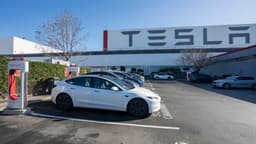
Tesla VP of IT and AI Infrastructure Departs After 13 Years
- Executive Departure: Tesla's VP of IT and AI Infrastructure, Raj Jegannathan, has left the company after 13 years, and while he expressed gratitude on LinkedIn, his lack of future plans may impact Tesla's leadership in IT and AI sectors.
- Sales Role Changes: Jegannathan was tasked with overseeing North American sales last year despite lacking sales experience, and his departure could lead to further instability in key sales positions, potentially affecting market performance.
- FSD Policy Update: Tesla recently revised its Full Self-Driving (FSD) transfer terms, allowing customers to qualify for free transfers as long as they place orders by March 31, 2026, a change aimed at enhancing customer appeal and driving sales growth.
- Market Performance: Tesla's stock surged 1.51% to $417.32 at market close on Monday, reflecting market confidence in the company's future despite potential short-term uncertainties following the executive departure.
Tesla Plans Over $20 Billion Investment in 2026
- Surge in Capex: Tesla's capital expenditures totaled $8.5 billion in 2025 and are projected to exceed $20 billion in 2026, reflecting the company's ambitious plans in AI and robotics to enhance long-term competitiveness.
- Investment in Key Projects: The company is investing in six new factories and plans to expand its robotaxi and Optimus fleets to meet future market demands while ensuring supply chain stability.
- Strong Financial Position: Despite an 11% drop in auto sales and operating income in Q4 2025, Tesla generated $6.2 billion in free cash flow and has $44 billion in cash and investments, providing a solid financial foundation for future investments.
- Diversified Financing Strategy: Tesla's management is in discussions with banks regarding funding needs, potentially considering debt financing to bolster liquidity, while its $1.2 trillion market cap and a high P/E ratio of 365 offer options for raising equity capital with minimal dilution.
Musk Merges SpaceX with xAI, Wealth Soars
- Merger Valuation Surge: Musk's merger of SpaceX with xAI creates a new entity valued at $1.25 trillion, boosting his net worth to approximately $845 billion, reflecting his ambitions in aerospace and AI sectors.
- Wealth Shift: Post-merger, Musk's ownership in the new entity is estimated at 43%, valued at over $530 billion, indicating a shift in his wealth focus from Tesla to SpaceX, which now constitutes nearly two-thirds of his wealth.
- Market Potential: The merger is seen as a strategic move to access larger capital markets, particularly as xAI's AI model development requires significant funding, potentially opening up greater business opportunities for Musk.
- Future Challenges: While Musk aims to become the world's first trillionaire, SpaceX needs to reach a valuation of approximately $1.6 trillion, facing regulatory scrutiny and ongoing investigations into xAI, which could impact his financial strategy.
Fintech Stocks in Focus as MrBeast Acquires Step App
- Fintech Developments: YouTube star MrBeast's acquisition of the fintech app Step has reignited interest in fintech stocks, potentially attracting a younger demographic into financial services and enhancing market competitiveness.
- Market Sentiment Shift: Despite the Dow's record close above 50,000 points in the previous session, investor sentiment towards the SPDR S&P 500 ETF remains bearish, indicating a cautious outlook that may influence short-term investment decisions.
- Earnings Reports Watch: Investors are set to closely monitor upcoming quarterly reports from major companies like Coca-Cola, CVS Health, and Spotify, as these earnings will provide critical performance guidance that could impact stock movements in their respective sectors.
- Economic Data Monitoring: The market will keep an eye on December retail sales data and the Q4 employee cost index, as these economic indicators will offer key insights into consumer trends and economic health, potentially affecting overall market sentiment.
Analysis of Tesla's Robotaxi Business Prospects
- Surge in Robotaxi Numbers: During Tesla's Q4 2025 earnings call, Musk stated that over 500 robotaxis are operating in Austin and San Francisco, with expectations to double monthly, significantly enhancing Tesla's competitive edge in the autonomous driving market.
- Regulatory Approval Challenges: While Musk predicts that by year-end, robotaxis could be present in a quarter to half of the U.S., the complexities of regulatory approvals may delay this goal, impacting Tesla's market expansion speed.
- Safety Concerns Raised: The operation of Tesla's robotaxis without human monitoring in Austin has been questioned, with the independent Robotaxi Tracker reporting only four out of 58 vehicles are unsupervised, potentially undermining public trust and regulatory approval.
- Significant Capital Expenditure Increase: Tesla plans to more than double capital expenditures to support the production of robotaxis and Optimus humanoid robots, but analysts expect no free cash flow in 2026 or 2027, suggesting that market expectations for Tesla's future success may be overly optimistic.
Xiaomi CEO Denies Plans for U.S. EV Market Entry
- Market Entry Plans: Xiaomi founder and CEO Lei Jun confirmed on Weibo that there are currently no plans for the company to enter the U.S. market, despite rumors about its EV being tested in California, which helps alleviate investor concerns regarding Xiaomi's future market expansion.
- Testing Vehicle Situation: Lei mentioned that the YU7 EV seen on a California highway was merely a standard purchase by another company for testing, further clarifying misconceptions about Xiaomi's market intentions and demonstrating the company's cautious approach to market strategy.
- SU7 Ultra Sales Performance: Although the SU7 Ultra sold only 45 units in December 2025, indicating a sharp decline in sales, it still met the CEO's target of 10,000 units, showcasing Xiaomi's potential and goal-oriented approach in the EV market.
- Partnership Rumors: The unconfirmed rumors regarding a partnership between Xiaomi and Ford may influence market expectations about Xiaomi's future collaboration opportunities, particularly in the strategic layout of the electric vehicle sector.
Tesla VP of IT and AI Infrastructure Departs After 13 Years
- Executive Departure: Tesla's VP of IT and AI Infrastructure, Raj Jegannathan, has left the company after 13 years, and while he expressed gratitude on LinkedIn, his lack of future plans may impact Tesla's leadership in IT and AI sectors.
- Sales Role Changes: Jegannathan was tasked with overseeing North American sales last year despite lacking sales experience, and his departure could lead to further instability in key sales positions, potentially affecting market performance.
- FSD Policy Update: Tesla recently revised its Full Self-Driving (FSD) transfer terms, allowing customers to qualify for free transfers as long as they place orders by March 31, 2026, a change aimed at enhancing customer appeal and driving sales growth.
- Market Performance: Tesla's stock surged 1.51% to $417.32 at market close on Monday, reflecting market confidence in the company's future despite potential short-term uncertainties following the executive departure.