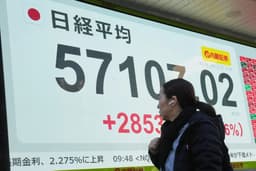
Japan's Prime Minister Ishiba Announces Resignation

Ishiba's Resignation: Japan's Prime Minister Shigeru Ishiba plans to resign due to pressure from his party following a significant parliamentary election loss in July.
Party Leadership Election: His resignation comes ahead of a decision by the Liberal Democratic Party on whether to hold an early leadership election, which would act as a no-confidence motion against him.
Trade with 70% Backtested Accuracy
Analyst Views on EWJ


No data
About the author


Takaichi of Japan May Trigger a Reaction from Bond Vigilantes


- Political Influence: The presence of Liz Truss is being felt in Japan, highlighting the impact of female leadership in global politics.
- Emerging Leadership: Sanae Takaichi, another female politician, is noted for bringing this influence to Japan.

Japanese Citizens Support New Prime Minister, But Markets Disagree.

Voter Concerns: U.S. voters are increasingly frustrated with issues related to affordability, reflecting broader economic anxieties.
Global Context: The sentiment regarding affordability is not limited to the U.S.; it resonates with voters in other countries as well.

Countering the Bubble: A Protective Fund Portfolio for Current Conditions


Types of Market Crashes: Stock market bubbles can lead to two distinct types of crashes when they burst: sector-specific crashes and systemic crashes.
Sector-Specific Crashes: An example of a sector-specific crash is the dot-com collapse that occurred between 2000 and 2002, which primarily affected technology stocks.
Systemic Crashes: In contrast, systemic crashes impact the entire market, as seen during the financial crisis of 2008-09, where widespread declines occurred across various sectors.
Uniqueness of Bubbles: Each stock market bubble is unique, much like snowflakes, indicating that the circumstances and outcomes of each bubble's burst can vary significantly.

International Deals to Watch in 2026: Alibaba, Kering, and 5 Others


International Stock Performance: In 2025, international stocks, particularly in export-driven countries like Korea and China, experienced strong gains, surpassing the performance of the S&P 500 despite high U.S. tariffs.
Future Market Outlook: There is potential for further rallies in non-U.S. markets in 2026, driven by decreasing interest rates and increasing corporate earnings.

Asia Markets Show Little Movement as Trading Volumes Remain Low and BoJ Under Review

Asia Stock Markets: Asian stock markets remained mostly flat amid low trading volumes and holiday liquidity, with Japan's Nikkei slightly declining while the yen strengthened due to potential government intervention.
Bank of Japan Rate Hike: The Bank of Japan raised its key short-term interest rate by 25 basis points to 0.75%, marking its second increase of the year and indicating a shift from a loose monetary policy.
Gold Prices Surge: Gold prices reached a record high of over $4,500 per ounce, driven by expectations of further easing from the Federal Reserve and increasing geopolitical tensions.
Mixed U.S. Market Performance: U.S. stock indexes closed mixed, with technology and energy stocks performing well, while futures showed little change following a record high for the S&P 500.
BoJ Votes Unanimously to Increase Rates to 0.75% in Second Tightening Action of the Year

Interest Rate Increase: The Bank of Japan raised its key short-term interest rate by 25bps to 0.75%, the highest since September 1995, marking a shift from a very loose monetary policy.
Economic Outlook: The BoJ anticipates steady wage increases in 2026 due to improving corporate profits, but real interest rates remain significantly negative, with overall financial conditions still supportive of economic activity.
Future Rate Hikes: The central bank indicated potential for further rate increases if the economic outlook improves, despite inflation expected to dip below 2% through early FY 2026.
Market Reactions: The Nikkei 225 Index rose by 0.4% to 50,630, and the Japanese yen strengthened to around 156.7 per dollar, as traders speculated on possible government intervention in the currency market.
Takaichi of Japan May Trigger a Reaction from Bond Vigilantes
- Political Influence: The presence of Liz Truss is being felt in Japan, highlighting the impact of female leadership in global politics.
- Emerging Leadership: Sanae Takaichi, another female politician, is noted for bringing this influence to Japan.
Japanese Citizens Support New Prime Minister, But Markets Disagree.
Voter Concerns: U.S. voters are increasingly frustrated with issues related to affordability, reflecting broader economic anxieties.
Global Context: The sentiment regarding affordability is not limited to the U.S.; it resonates with voters in other countries as well.
Countering the Bubble: A Protective Fund Portfolio for Current Conditions
Types of Market Crashes: Stock market bubbles can lead to two distinct types of crashes when they burst: sector-specific crashes and systemic crashes.
Sector-Specific Crashes: An example of a sector-specific crash is the dot-com collapse that occurred between 2000 and 2002, which primarily affected technology stocks.
Systemic Crashes: In contrast, systemic crashes impact the entire market, as seen during the financial crisis of 2008-09, where widespread declines occurred across various sectors.
Uniqueness of Bubbles: Each stock market bubble is unique, much like snowflakes, indicating that the circumstances and outcomes of each bubble's burst can vary significantly.
International Deals to Watch in 2026: Alibaba, Kering, and 5 Others
International Stock Performance: In 2025, international stocks, particularly in export-driven countries like Korea and China, experienced strong gains, surpassing the performance of the S&P 500 despite high U.S. tariffs.
Future Market Outlook: There is potential for further rallies in non-U.S. markets in 2026, driven by decreasing interest rates and increasing corporate earnings.
Asia Markets Show Little Movement as Trading Volumes Remain Low and BoJ Under Review
Asia Stock Markets: Asian stock markets remained mostly flat amid low trading volumes and holiday liquidity, with Japan's Nikkei slightly declining while the yen strengthened due to potential government intervention.
Bank of Japan Rate Hike: The Bank of Japan raised its key short-term interest rate by 25 basis points to 0.75%, marking its second increase of the year and indicating a shift from a loose monetary policy.
Gold Prices Surge: Gold prices reached a record high of over $4,500 per ounce, driven by expectations of further easing from the Federal Reserve and increasing geopolitical tensions.
Mixed U.S. Market Performance: U.S. stock indexes closed mixed, with technology and energy stocks performing well, while futures showed little change following a record high for the S&P 500.
BoJ Votes Unanimously to Increase Rates to 0.75% in Second Tightening Action of the Year
Interest Rate Increase: The Bank of Japan raised its key short-term interest rate by 25bps to 0.75%, the highest since September 1995, marking a shift from a very loose monetary policy.
Economic Outlook: The BoJ anticipates steady wage increases in 2026 due to improving corporate profits, but real interest rates remain significantly negative, with overall financial conditions still supportive of economic activity.
Future Rate Hikes: The central bank indicated potential for further rate increases if the economic outlook improves, despite inflation expected to dip below 2% through early FY 2026.
Market Reactions: The Nikkei 225 Index rose by 0.4% to 50,630, and the Japanese yen strengthened to around 156.7 per dollar, as traders speculated on possible government intervention in the currency market.