Hedera Launches Its First ETF: Canary's HBAR Fund Enables Investors to Capitalize on the Tokenization Surge

Launch of Canary HBAR ETF: Canary Capital Group launched the Canary HBAR ETF (NASDAQ: HBR) on October 28, providing investors with direct exposure to the Hedera network's native token, HBAR, which features a proof-of-stake design for fast and low-cost transactions.
Investor Accessibility: The ETF aims to simplify investment in Hedera for both institutional and retail investors by offering a regulated exchange-traded structure, following the success of the Canary HBAR Trust, the first U.S. investment vehicle for HBAR.
Corporate Involvement: Hedera's ecosystem includes major corporate players like Alphabet Inc. and IBM, which are part of its governing council, and the technology is already facilitating billions of transactions for enterprises exploring tokenization and decentralized applications.
Market Trends: The approval of the HBAR ETF reflects a growing investor interest in digital assets with practical utility and scalability, as the market matures and moves towards real-world adoption of tokenization technologies.
Trade with 70% Backtested Accuracy
Analyst Views on GOOG

About GOOG
About the author


Google Cloud Revenue Soars 48%, Analyzing AI Stock Investment Prospects

- Earnings Beat: Alphabet's Q4 2025 results exceeded Wall Street estimates with a 2.4% revenue surprise and a 6.8% earnings outperformance, reflecting strong financial performance despite a 6.5% stock drop post-report.
- Cloud Business Surge: Google Cloud's sales surged 48% year-over-year to $17.7 billion, representing 15.5% of Alphabet's total revenue, while operating income soared 154% to $5.3 billion, indicating robust growth potential in the AI sector.
- Market Reaction Analysis: Although Alphabet lost approximately $250 billion in market value over three days due to concerns over massive AI infrastructure spending, it remains the top performer among the
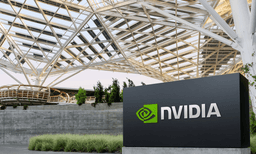
Nvidia Shares Up 47% with Promising Growth Ahead


- Strong Market Demand: Nvidia's (NVDA) stock has surged 47% over the past year, driven by ongoing investments in chips and data centers, particularly as Google's parent company Alphabet announced a minimum of $175 billion in capital expenditures this year to support AI demand, indicating robust market interest in artificial intelligence.
- Diversified Market Opportunities: Nvidia is not solely reliant on selling powerful chips to AI hyperscalers; it is also partnering with Thermo Fisher Scientific to build an AI lab computing system powered by its DGX Spark supercomputer, targeting the life sciences industry, which spends approximately $300 billion annually on research and development, thereby expanding its market potential.
- Systems Solutions Provider: Nvidia distinguishes itself as a systems and solutions provider rather than just a chip supplier, which enhances its competitive edge against custom chip designers like Broadcom, making it an indispensable partner for enterprises seeking to solve complex problems and solidifying its market position.
- Attractive Investment Value: Nvidia's stock appears attractively valued, trading at 24 times this year's consensus earnings estimate, with Wall Street analysts projecting a 57% increase in earnings this year, suggesting that the recent dip could present an excellent buying opportunity before the stock rises to new highs later this year.

SpaceX and xAI Merger Sparks IPO Speculation
- Strategic Merger: On February 2, Musk announced the merger of SpaceX with his AI startup xAI, valuing the combined entity at $1.25 trillion, which not only enhances the appeal of a potential SpaceX IPO but also reflects Musk's obsession with control, potentially impacting future investor confidence.
- Technological Synergy: The merger allows xAI and SpaceX to leverage vast data collected by satellites and rockets to enhance the efficiency of autonomous systems training and deployment, thereby driving new business models in AI applications within space infrastructure.
- Alphabet's Investment Edge: Alphabet's significant investments in the space economy, including an 18% stake in AST SpaceMobile and equity in SpaceX, enable investors to benefit from the upside of the space economy without directly facing regulatory scrutiny and capital-intensive requirements.
- Market Outlook Analysis: Compared to SpaceX, Alphabet has already monetized AI across various products and services, positioning itself with stronger market competitiveness and investment appeal as space exploration becomes more commercialized.

Nvidia Expands Competitive Lead in AI Market
- Surge in Capital Expenditure: Alphabet, Google's parent company, announced it will invest at least $175 billion in capital expenditures this year to support AI demand, indicating sustained enthusiasm for AI investments that further boosts Nvidia's market demand.
- Market Potential Expansion: Nvidia is not solely reliant on selling powerful chips to AI hyperscalers like Google; it is partnering with Thermo Fisher Scientific to build AI lab computing systems, which is expected to tap into the $300 billion market opportunity in the life sciences sector.
- Optimistic Earnings Outlook: Analysts project Nvidia's earnings to grow by 57% this year, with the stock currently trading at 24 times this year's consensus earnings estimate, making it an attractive investment option for investors looking for value.
- Strengthened Industry Position: Nvidia is not just a chip supplier but a systems and solutions provider, solidifying its indispensable role in the AI sector by solving complex problems, thereby differentiating itself from custom chip designers like Broadcom.
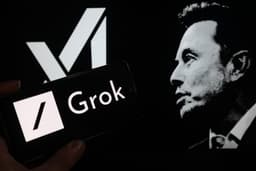
Grok Experiences Rapid User Growth with 43% Surge in Downloads
- Surge in Downloads: According to Similarweb data, Grok's downloads jumped 43% month-over-month in January, indicating strong user interest in the AI chatbot and further solidifying its market position.
- Active User Growth: Monthly active users of Grok rose from 48 million in December to 62 million in January, representing a 29.1% increase, which highlights a significant boost in user engagement and frequency of use, reflecting enhanced product appeal.
- Sustained Growth Trend: Grok has experienced explosive growth for four consecutive months, and even with the upcoming release of Grok 4.20, the rapid expansion of its user base lays a solid foundation for future product launches.
- Regulatory Challenges: Despite the strong user growth momentum, xAI faces a criminal investigation in France related to alleged illegal content generation, which could pose potential risks to its future development.
TotalEnergies Signs Historic PPA Agreements with Google
- Renewable Energy Milestone: TotalEnergies' two long-term Power Purchase Agreements (PPAs) with Google will supply 1 GW of solar capacity to Texas data centers, providing 28 TWh of renewable electricity over 15 years, marking the largest renewable PPA signed by the company in the U.S.
- Project Development Timeline: The power will be generated from the Wichita and Mustang Creek solar farms, which are set to begin construction in Q2 2026, further advancing TotalEnergies' strategic positioning in the renewable energy sector.
- Economic Impact and Job Creation: The development of the Wichita and Mustang Creek solar farms is expected to create several hundred construction jobs in Texas, providing economic benefits and supporting public services through tax revenues, thereby boosting local economies.
- Strategic Alignment and Market Positioning: This PPA complements other agreements secured by Clearway, a company 50% owned by TotalEnergies, which recently locked in 1.2 GW of PPAs, showcasing the company's strategy to provide tailored renewable energy solutions that support the decarbonization goals of digital players like Google.
Google Cloud Revenue Soars 48%, Analyzing AI Stock Investment Prospects
- Earnings Beat: Alphabet's Q4 2025 results exceeded Wall Street estimates with a 2.4% revenue surprise and a 6.8% earnings outperformance, reflecting strong financial performance despite a 6.5% stock drop post-report.
- Cloud Business Surge: Google Cloud's sales surged 48% year-over-year to $17.7 billion, representing 15.5% of Alphabet's total revenue, while operating income soared 154% to $5.3 billion, indicating robust growth potential in the AI sector.
- Market Reaction Analysis: Although Alphabet lost approximately $250 billion in market value over three days due to concerns over massive AI infrastructure spending, it remains the top performer among the
Nvidia Shares Up 47% with Promising Growth Ahead
- Strong Market Demand: Nvidia's (NVDA) stock has surged 47% over the past year, driven by ongoing investments in chips and data centers, particularly as Google's parent company Alphabet announced a minimum of $175 billion in capital expenditures this year to support AI demand, indicating robust market interest in artificial intelligence.
- Diversified Market Opportunities: Nvidia is not solely reliant on selling powerful chips to AI hyperscalers; it is also partnering with Thermo Fisher Scientific to build an AI lab computing system powered by its DGX Spark supercomputer, targeting the life sciences industry, which spends approximately $300 billion annually on research and development, thereby expanding its market potential.
- Systems Solutions Provider: Nvidia distinguishes itself as a systems and solutions provider rather than just a chip supplier, which enhances its competitive edge against custom chip designers like Broadcom, making it an indispensable partner for enterprises seeking to solve complex problems and solidifying its market position.
- Attractive Investment Value: Nvidia's stock appears attractively valued, trading at 24 times this year's consensus earnings estimate, with Wall Street analysts projecting a 57% increase in earnings this year, suggesting that the recent dip could present an excellent buying opportunity before the stock rises to new highs later this year.
SpaceX and xAI Merger Sparks IPO Speculation
- Strategic Merger: On February 2, Musk announced the merger of SpaceX with his AI startup xAI, valuing the combined entity at $1.25 trillion, which not only enhances the appeal of a potential SpaceX IPO but also reflects Musk's obsession with control, potentially impacting future investor confidence.
- Technological Synergy: The merger allows xAI and SpaceX to leverage vast data collected by satellites and rockets to enhance the efficiency of autonomous systems training and deployment, thereby driving new business models in AI applications within space infrastructure.
- Alphabet's Investment Edge: Alphabet's significant investments in the space economy, including an 18% stake in AST SpaceMobile and equity in SpaceX, enable investors to benefit from the upside of the space economy without directly facing regulatory scrutiny and capital-intensive requirements.
- Market Outlook Analysis: Compared to SpaceX, Alphabet has already monetized AI across various products and services, positioning itself with stronger market competitiveness and investment appeal as space exploration becomes more commercialized.
Nvidia Expands Competitive Lead in AI Market
- Surge in Capital Expenditure: Alphabet, Google's parent company, announced it will invest at least $175 billion in capital expenditures this year to support AI demand, indicating sustained enthusiasm for AI investments that further boosts Nvidia's market demand.
- Market Potential Expansion: Nvidia is not solely reliant on selling powerful chips to AI hyperscalers like Google; it is partnering with Thermo Fisher Scientific to build AI lab computing systems, which is expected to tap into the $300 billion market opportunity in the life sciences sector.
- Optimistic Earnings Outlook: Analysts project Nvidia's earnings to grow by 57% this year, with the stock currently trading at 24 times this year's consensus earnings estimate, making it an attractive investment option for investors looking for value.
- Strengthened Industry Position: Nvidia is not just a chip supplier but a systems and solutions provider, solidifying its indispensable role in the AI sector by solving complex problems, thereby differentiating itself from custom chip designers like Broadcom.
Grok Experiences Rapid User Growth with 43% Surge in Downloads
- Surge in Downloads: According to Similarweb data, Grok's downloads jumped 43% month-over-month in January, indicating strong user interest in the AI chatbot and further solidifying its market position.
- Active User Growth: Monthly active users of Grok rose from 48 million in December to 62 million in January, representing a 29.1% increase, which highlights a significant boost in user engagement and frequency of use, reflecting enhanced product appeal.
- Sustained Growth Trend: Grok has experienced explosive growth for four consecutive months, and even with the upcoming release of Grok 4.20, the rapid expansion of its user base lays a solid foundation for future product launches.
- Regulatory Challenges: Despite the strong user growth momentum, xAI faces a criminal investigation in France related to alleged illegal content generation, which could pose potential risks to its future development.
TotalEnergies Signs Historic PPA Agreements with Google
- Renewable Energy Milestone: TotalEnergies' two long-term Power Purchase Agreements (PPAs) with Google will supply 1 GW of solar capacity to Texas data centers, providing 28 TWh of renewable electricity over 15 years, marking the largest renewable PPA signed by the company in the U.S.
- Project Development Timeline: The power will be generated from the Wichita and Mustang Creek solar farms, which are set to begin construction in Q2 2026, further advancing TotalEnergies' strategic positioning in the renewable energy sector.
- Economic Impact and Job Creation: The development of the Wichita and Mustang Creek solar farms is expected to create several hundred construction jobs in Texas, providing economic benefits and supporting public services through tax revenues, thereby boosting local economies.
- Strategic Alignment and Market Positioning: This PPA complements other agreements secured by Clearway, a company 50% owned by TotalEnergies, which recently locked in 1.2 GW of PPAs, showcasing the company's strategy to provide tailored renewable energy solutions that support the decarbonization goals of digital players like Google.