EXCLUSIVE: Novo Nordisk Faces Political Heat Over Weight-Loss Drug Prices Ahead Of Elections, Yet 'The Real Issue Is With The Middlemen'
Political Pressure on Drug Pricing: Novo Nordisk faces increasing scrutiny over the high prices of its weight-loss drugs, Ozempic and Wegovy, in the U.S. compared to international markets, prompting CEO Lars Fruergaard Jorgensen to testify before Congress about the role of pharmacy benefit managers (PBMs) in drug pricing.
Market Stability Despite Price Cuts: Despite potential political pressure for price reductions, experts believe that Novo Nordisk's revenue will remain stable due to strong demand for its products, and anticipate increased M&A activity in the pharmaceutical sector post-election.
Trade with 70% Backtested Accuracy
Analyst Views on HRTS


No data
About the author


EXCLUSIVE: Weight-Loss Market Experts Scoop Up Novo Nordisk Stock After Worst Drop Since 2002 Following Drug Trial Miss

Stock Decline: Novo Nordisk's stock plummeted nearly 20% after disappointing results from its obesity drug CagriSema, leading to a $20 billion loss in market value and marking the company's worst single-day drop since April 2002.
Analysts' Reactions: Some analysts believe the market overreacted to the trial results, maintaining a positive outlook on CagriSema's potential and suggesting that it could still compete effectively in the obesity drug market.
The Zacks Analyst Blog Highlights Eli Lilly, Novo Nordisk, PPH, HRTS and THNR

Obesity Drug Market Growth: The obesity drug market is rapidly expanding, driven by the increasing prevalence of obesity and related chronic conditions. GLP-1 receptor agonists like Ozempic and Wegovy are leading this surge, with the global market expected to reach $50 billion by 2030.
Investment Opportunities in ETFs: Investors can capitalize on this growing market through specific exchange-traded funds (ETFs) such as VanEck Pharmaceutical ETF, Obesity & Cardiometabolic ETF, and Amplify Weight Loss Drug & Treatment ETF, which focus on companies involved in weight loss medications.

Inside the Booming Obesity Drug Market: Weight Loss ETFs to Win
Growth of Weight Loss Medications: The pharmaceutical industry is experiencing a surge in weight loss medications, particularly GLP-1 receptor agonists like Ozempic and Wegovy, driven by rising obesity rates and related health conditions. The global market for anti-obesity drugs is projected to reach $50 billion by 2030.
Emerging Competitors and Innovations: Companies such as Zealand Pharma and Viking Therapeutics are developing new weight loss treatments, including oral options and alternative hormone therapies, indicating a competitive landscape alongside established players Eli Lilly and Novo Nordisk.

EXCLUSIVE: Novo Nordisk Faces Political Heat Over Weight-Loss Drug Prices Ahead Of Elections, Yet 'The Real Issue Is With The Middlemen'
Political Pressure on Drug Pricing: Novo Nordisk faces increasing scrutiny over the high prices of its weight-loss drugs, Ozempic and Wegovy, in the U.S. compared to international markets, prompting CEO Lars Fruergaard Jorgensen to testify before Congress about the role of pharmacy benefit managers (PBMs) in drug pricing.
Market Stability Despite Price Cuts: Despite potential political pressure for price reductions, experts believe that Novo Nordisk's revenue will remain stable due to strong demand for its products, and anticipate increased M&A activity in the pharmaceutical sector post-election.
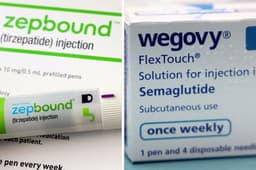
Tap the Weight-Loss Drug Market With These ETFs
Emerging Weight-Loss Drug Market: The weight-loss drug market is expanding with the introduction of GLP-1 pills, showing promising results in clinical trials for effective weight loss and fewer side effects compared to injectables. Analysts predict significant growth in this sector, potentially reaching a market size of $200 billion by 2031.
Investment Opportunities: Several ETFs focused on GLP-1 and weight-loss treatments are available for investors, including Roundhill GLP-1 & Weight Loss ETF (OZEM), Amplify Weight Loss Drug & Treatment ETF (THNR), and GLP-1, Obesity & Cardiometabolic ETF (HRTS), each offering exposure to companies involved in this burgeoning pharmaceutical field.

EXCLUSIVE: Weight-Loss Duopoly Breaks As Eli Lilly, Novo Plummet; 'Market Won't Be Dominated By Just 2 Players'


- GLP-1 Market Leaders Face Selloff: Eli Lilly and Novo Nordisk experienced a significant drop in stock prices due to competition from new weight-loss drugs developed by other pharmaceutical companies.
- Competition and Future Outlook: The entry of Pfizer and Roche into the obesity-fighting drug market poses a threat to the dominance of Novo and Lilly, with potential for up to five credible players in the GLP-1 market.
EXCLUSIVE: Weight-Loss Market Experts Scoop Up Novo Nordisk Stock After Worst Drop Since 2002 Following Drug Trial Miss
Stock Decline: Novo Nordisk's stock plummeted nearly 20% after disappointing results from its obesity drug CagriSema, leading to a $20 billion loss in market value and marking the company's worst single-day drop since April 2002.
Analysts' Reactions: Some analysts believe the market overreacted to the trial results, maintaining a positive outlook on CagriSema's potential and suggesting that it could still compete effectively in the obesity drug market.
The Zacks Analyst Blog Highlights Eli Lilly, Novo Nordisk, PPH, HRTS and THNR
Obesity Drug Market Growth: The obesity drug market is rapidly expanding, driven by the increasing prevalence of obesity and related chronic conditions. GLP-1 receptor agonists like Ozempic and Wegovy are leading this surge, with the global market expected to reach $50 billion by 2030.
Investment Opportunities in ETFs: Investors can capitalize on this growing market through specific exchange-traded funds (ETFs) such as VanEck Pharmaceutical ETF, Obesity & Cardiometabolic ETF, and Amplify Weight Loss Drug & Treatment ETF, which focus on companies involved in weight loss medications.
Inside the Booming Obesity Drug Market: Weight Loss ETFs to Win
Growth of Weight Loss Medications: The pharmaceutical industry is experiencing a surge in weight loss medications, particularly GLP-1 receptor agonists like Ozempic and Wegovy, driven by rising obesity rates and related health conditions. The global market for anti-obesity drugs is projected to reach $50 billion by 2030.
Emerging Competitors and Innovations: Companies such as Zealand Pharma and Viking Therapeutics are developing new weight loss treatments, including oral options and alternative hormone therapies, indicating a competitive landscape alongside established players Eli Lilly and Novo Nordisk.
EXCLUSIVE: Novo Nordisk Faces Political Heat Over Weight-Loss Drug Prices Ahead Of Elections, Yet 'The Real Issue Is With The Middlemen'
Political Pressure on Drug Pricing: Novo Nordisk faces increasing scrutiny over the high prices of its weight-loss drugs, Ozempic and Wegovy, in the U.S. compared to international markets, prompting CEO Lars Fruergaard Jorgensen to testify before Congress about the role of pharmacy benefit managers (PBMs) in drug pricing.
Market Stability Despite Price Cuts: Despite potential political pressure for price reductions, experts believe that Novo Nordisk's revenue will remain stable due to strong demand for its products, and anticipate increased M&A activity in the pharmaceutical sector post-election.
Tap the Weight-Loss Drug Market With These ETFs
Emerging Weight-Loss Drug Market: The weight-loss drug market is expanding with the introduction of GLP-1 pills, showing promising results in clinical trials for effective weight loss and fewer side effects compared to injectables. Analysts predict significant growth in this sector, potentially reaching a market size of $200 billion by 2031.
Investment Opportunities: Several ETFs focused on GLP-1 and weight-loss treatments are available for investors, including Roundhill GLP-1 & Weight Loss ETF (OZEM), Amplify Weight Loss Drug & Treatment ETF (THNR), and GLP-1, Obesity & Cardiometabolic ETF (HRTS), each offering exposure to companies involved in this burgeoning pharmaceutical field.
EXCLUSIVE: Weight-Loss Duopoly Breaks As Eli Lilly, Novo Plummet; 'Market Won't Be Dominated By Just 2 Players'
- GLP-1 Market Leaders Face Selloff: Eli Lilly and Novo Nordisk experienced a significant drop in stock prices due to competition from new weight-loss drugs developed by other pharmaceutical companies.
- Competition and Future Outlook: The entry of Pfizer and Roche into the obesity-fighting drug market poses a threat to the dominance of Novo and Lilly, with potential for up to five credible players in the GLP-1 market.