Delta and Aeromexico request court intervention to halt Trump's directive terminating their joint venture.

Joint Venture Dispute: Delta Air Lines and Aeromexico are seeking to halt a U.S. appeals court order that requires them to dismantle their joint venture for U.S.-Mexico flights, citing significant financial losses and operational disruptions.
USDOT's Competition Concerns: The U.S. Department of Transportation ordered the end of the nearly nine-year-old joint venture due to concerns over anticompetitive effects in the U.S.-Mexico market, which the airlines argue is competitive.
Operational Impact: Delta has already canceled flights to Mexico and may need to cancel more, while Aeromexico faces the challenge of restructuring its operations and staffing in response to the order.
Consumer Benefits at Risk: Delta claims that the termination of the joint venture could lead to the loss of up to $800 million in annual consumer benefits and potential route cancellations, affecting overall market competition.
Trade with 70% Backtested Accuracy
Analyst Views on AAL

About AAL
About the author

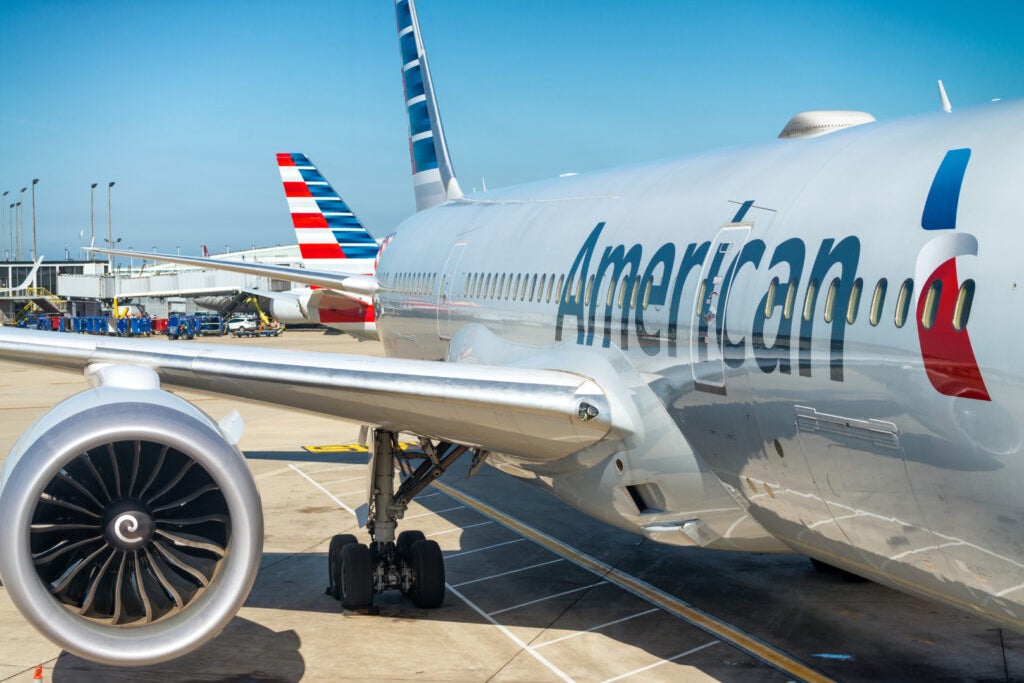
American Airlines Invests $1 Billion to Expand Miami Airport
- Investment Expansion Plan: American Airlines Group has announced a $1 billion investment in Miami International Airport to build a new three-level Concourse D extension, aimed at accommodating larger aircraft and eliminating outside boarding, with groundbreaking set for 2027.
- Enhanced Terminal Functionality: The new Concourse D will feature 17 additional gates and will eventually provide direct access to the airport's customs hall, enhancing the convenience of international travel and improving customer experience while strengthening the airline's competitive position.
- CEO Outlook: American Airlines CEO Robert Isom stated that the brand-new D60 project will provide a significantly improved experience for customers and the team, reflecting the company's commitment to enhancing service quality.
- Market Reaction: Despite pressures from rising oil prices, American Airlines' stock price surged 1.29% to $13.32 at market close on Wednesday, with a further increase of 0.08% in after-hours trading, indicating positive market expectations for the company's long-term growth.
ETF Component Trading Dynamics Analysis

- American Airlines Decline: American Airlines Group's stock fell approximately 6.3% on Friday, with over 61.3 million shares traded, reflecting market concerns about the airline industry's recovery, which could negatively impact the company's short-term financial performance.
- Ford's Weak Performance: Ford Motor's stock decreased by about 1.9% during the same session, with trading volume exceeding 39.6 million shares, indicating investor caution regarding its future growth prospects, potentially leading to a decline in market confidence.
- XPO's Strong Performance: XPO was the best-performing component on Friday, rising by about 2.5%, suggesting market recognition of its business model, which may attract more investor interest.
- United Airlines Struggles: United Airlines Holdings lagged behind other ETF components, with a decline of approximately 8.6%, highlighting the challenges it faces in a competitive market, which could affect its market share and profitability.

US Stocks Decline as AI Disrupts Markets


- Market Weakness: The S&P 500 index fell by 0.61%, the Dow Jones Industrial Average dropped by 1.17%, and the Nasdaq 100 index decreased by 0.41%, reflecting investor concerns over the disruptive potential of AI, which has put overall market sentiment under pressure.
- Producer Prices Rise: The US January Producer Price Index (PPI) increased by 0.5% month-over-month and 2.9% year-over-year, exceeding expectations, indicating rising inflationary pressures that could influence the Fed's interest rate decisions and increase market uncertainty.
- Strong Economic Data: Despite the market downturn, the February Chicago PMI unexpectedly rose to 57.7, signaling signs of economic expansion, which may alleviate some investor concerns about a slowdown in economic growth.
- Airline Stocks Under Pressure: With WTI crude oil prices reaching a 6.5-month high, airline stocks are generally declining, with United Airlines down over 8%, reflecting the potential threat of rising fuel costs on airline profitability.

United Airlines and Delta Shares Decline: Understanding the Struggles Facing Airlines.


- Stock Performance: Shares of United Airlines Holdings and Delta Air Lines experienced a significant decline on Friday.
- Market Influences: The drop in airline stocks is attributed to escalating geopolitical tensions and increasing oil prices.
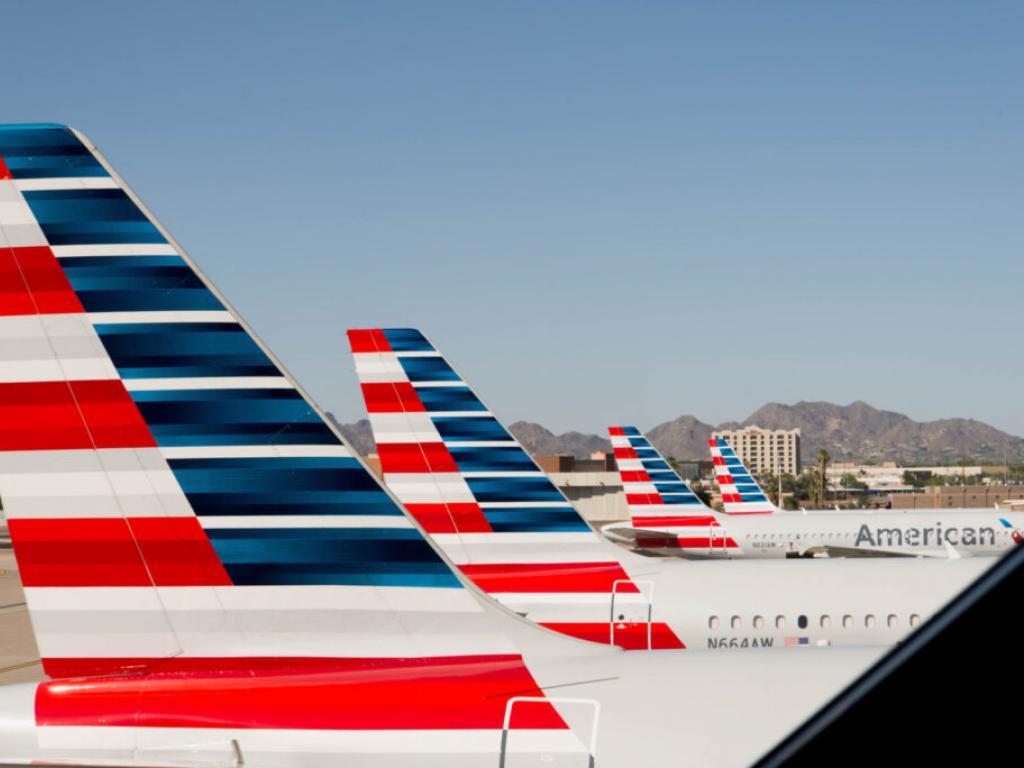
U.S. Airline Sector Expected to Hit Record Profits in 2026

- Profit Growth: According to the International Air Transport Association (IATA), the U.S. airline sector is projected to achieve a net profit of $41 billion in 2026, up from $39.5 billion in 2025, marking a new industry record.
- Operating Profit Increase: The operating profits for the airline industry are expected to rise from $67 billion to $72.8 billion in 2026, with operating margins increasing from 6.6% to 6.9%, indicating enhanced overall profitability across the sector.
- Challenges and Opportunities: Despite increased cash flow, net profit margins are expected to remain at 3.9%, with net profit per passenger forecasted at $7.90, below the 2023 high of $8.50, highlighting the need for cautious investment amid high operating costs.
- AI Integration: With 97% of airlines planning or already integrating AI technology, particularly in maintenance and operations, this move is expected to enhance efficiency and provide new growth momentum for future profitability.
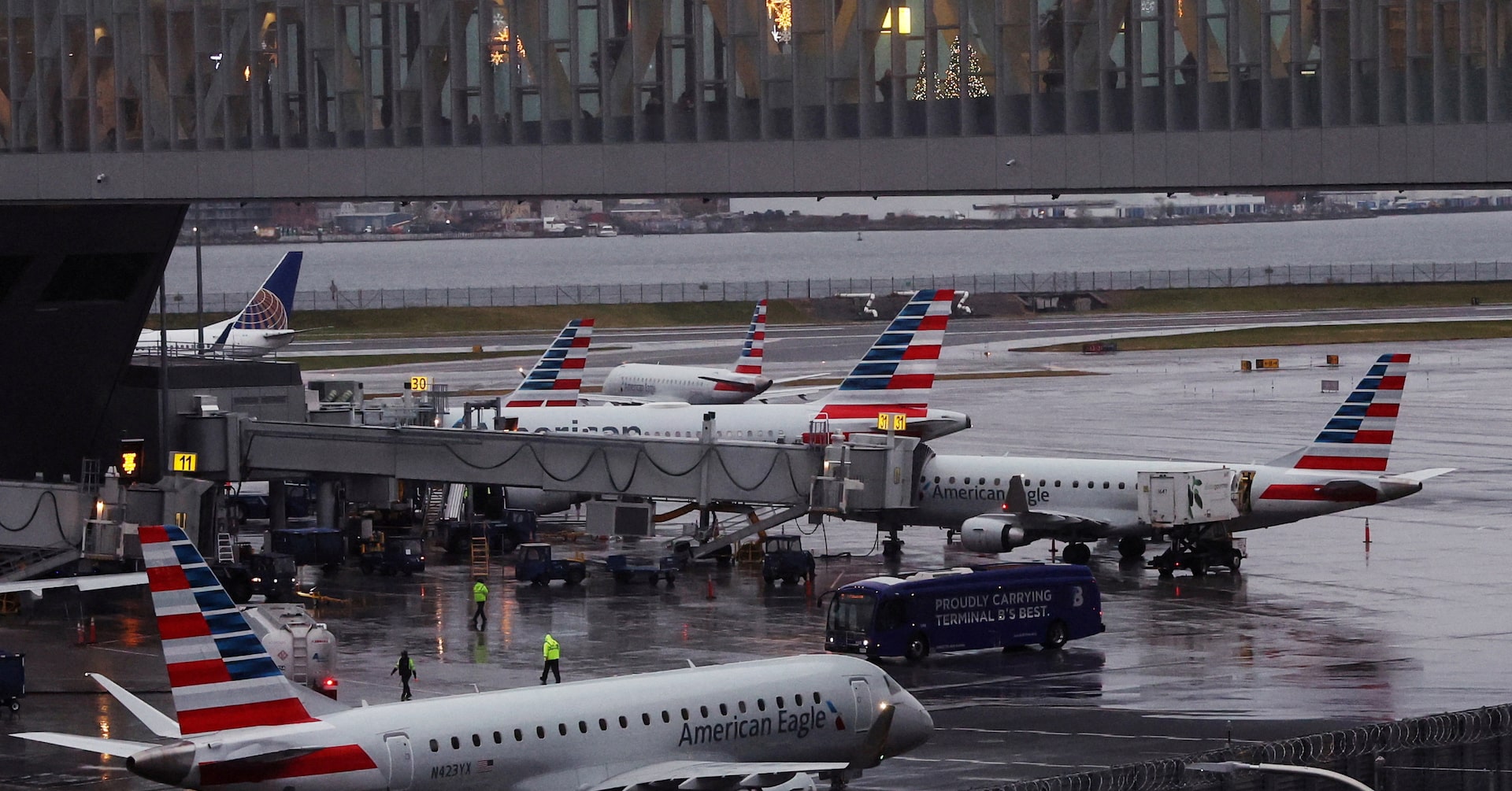
Buttigieg Criticizes Trump Administration's Airline Policies
- Passenger Rights Advocacy: Former Transportation Secretary Buttigieg criticized the Trump administration for rescinding passenger protection laws on social media, emphasizing the need to restore these regulations to ensure passenger rights and improve airline service quality.
- Flight Delay Accusation: White House Deputy for Legislative, Political and Public Affairs James Blair accused American Airlines of a 2.5-hour flight delay due to a failure to check hydraulic fluid, reflecting operational mismanagement that could undermine customer trust.
- Policy Reform Promotion: Buttigieg highlighted legislation during his tenure that allowed families to sit together on flights without extra charges, questioning whether the Trump administration was stalling this reform and urging the White House to act to implement this policy for better passenger experience.
- Airline Investment Commitment: American Airlines pledged a $1 billion investment in Miami, which, despite facing criticism, could enhance its operational capabilities and customer service, thereby strengthening its competitive position in the market.
American Airlines Invests $1 Billion to Expand Miami Airport
- Investment Expansion Plan: American Airlines Group has announced a $1 billion investment in Miami International Airport to build a new three-level Concourse D extension, aimed at accommodating larger aircraft and eliminating outside boarding, with groundbreaking set for 2027.
- Enhanced Terminal Functionality: The new Concourse D will feature 17 additional gates and will eventually provide direct access to the airport's customs hall, enhancing the convenience of international travel and improving customer experience while strengthening the airline's competitive position.
- CEO Outlook: American Airlines CEO Robert Isom stated that the brand-new D60 project will provide a significantly improved experience for customers and the team, reflecting the company's commitment to enhancing service quality.
- Market Reaction: Despite pressures from rising oil prices, American Airlines' stock price surged 1.29% to $13.32 at market close on Wednesday, with a further increase of 0.08% in after-hours trading, indicating positive market expectations for the company's long-term growth.
ETF Component Trading Dynamics Analysis
- American Airlines Decline: American Airlines Group's stock fell approximately 6.3% on Friday, with over 61.3 million shares traded, reflecting market concerns about the airline industry's recovery, which could negatively impact the company's short-term financial performance.
- Ford's Weak Performance: Ford Motor's stock decreased by about 1.9% during the same session, with trading volume exceeding 39.6 million shares, indicating investor caution regarding its future growth prospects, potentially leading to a decline in market confidence.
- XPO's Strong Performance: XPO was the best-performing component on Friday, rising by about 2.5%, suggesting market recognition of its business model, which may attract more investor interest.
- United Airlines Struggles: United Airlines Holdings lagged behind other ETF components, with a decline of approximately 8.6%, highlighting the challenges it faces in a competitive market, which could affect its market share and profitability.
US Stocks Decline as AI Disrupts Markets
- Market Weakness: The S&P 500 index fell by 0.61%, the Dow Jones Industrial Average dropped by 1.17%, and the Nasdaq 100 index decreased by 0.41%, reflecting investor concerns over the disruptive potential of AI, which has put overall market sentiment under pressure.
- Producer Prices Rise: The US January Producer Price Index (PPI) increased by 0.5% month-over-month and 2.9% year-over-year, exceeding expectations, indicating rising inflationary pressures that could influence the Fed's interest rate decisions and increase market uncertainty.
- Strong Economic Data: Despite the market downturn, the February Chicago PMI unexpectedly rose to 57.7, signaling signs of economic expansion, which may alleviate some investor concerns about a slowdown in economic growth.
- Airline Stocks Under Pressure: With WTI crude oil prices reaching a 6.5-month high, airline stocks are generally declining, with United Airlines down over 8%, reflecting the potential threat of rising fuel costs on airline profitability.
United Airlines and Delta Shares Decline: Understanding the Struggles Facing Airlines.
- Stock Performance: Shares of United Airlines Holdings and Delta Air Lines experienced a significant decline on Friday.
- Market Influences: The drop in airline stocks is attributed to escalating geopolitical tensions and increasing oil prices.
U.S. Airline Sector Expected to Hit Record Profits in 2026
- Profit Growth: According to the International Air Transport Association (IATA), the U.S. airline sector is projected to achieve a net profit of $41 billion in 2026, up from $39.5 billion in 2025, marking a new industry record.
- Operating Profit Increase: The operating profits for the airline industry are expected to rise from $67 billion to $72.8 billion in 2026, with operating margins increasing from 6.6% to 6.9%, indicating enhanced overall profitability across the sector.
- Challenges and Opportunities: Despite increased cash flow, net profit margins are expected to remain at 3.9%, with net profit per passenger forecasted at $7.90, below the 2023 high of $8.50, highlighting the need for cautious investment amid high operating costs.
- AI Integration: With 97% of airlines planning or already integrating AI technology, particularly in maintenance and operations, this move is expected to enhance efficiency and provide new growth momentum for future profitability.
Buttigieg Criticizes Trump Administration's Airline Policies
- Passenger Rights Advocacy: Former Transportation Secretary Buttigieg criticized the Trump administration for rescinding passenger protection laws on social media, emphasizing the need to restore these regulations to ensure passenger rights and improve airline service quality.
- Flight Delay Accusation: White House Deputy for Legislative, Political and Public Affairs James Blair accused American Airlines of a 2.5-hour flight delay due to a failure to check hydraulic fluid, reflecting operational mismanagement that could undermine customer trust.
- Policy Reform Promotion: Buttigieg highlighted legislation during his tenure that allowed families to sit together on flights without extra charges, questioning whether the Trump administration was stalling this reform and urging the White House to act to implement this policy for better passenger experience.
- Airline Investment Commitment: American Airlines pledged a $1 billion investment in Miami, which, despite facing criticism, could enhance its operational capabilities and customer service, thereby strengthening its competitive position in the market.