

Crude Oil Declines More Than 2%; Lowe's Stock Rises Following Q3 Earnings Report


U.S. Stock Market Performance: U.S. stocks showed mixed results, with the Dow Jones down 0.23%, while the NASDAQ and S&P 500 saw slight gains of 0.19% and 0.08%, respectively.
Lowe's Earnings Report: Lowe's Companies, Inc. shares rose over 5% after exceeding profit expectations for Q3, reporting adjusted earnings per share of $3.06, although sales fell slightly short.
Notable Stock Movements: WeShop Holdings saw a dramatic 413% increase following its Nasdaq debut, while Agios Pharmaceuticals and Carver Bancorp experienced significant declines of 50% and 51%, respectively.
Commodity and Economic Updates: Oil prices fell by 2.4% to $59.26, while gold and silver saw slight increases. The U.S. trade deficit narrowed to $59.6 billion in August, with a notable decline in crude oil inventories.
Trade with 70% Backtested Accuracy
Analyst Views on LOW

About LOW
About the author

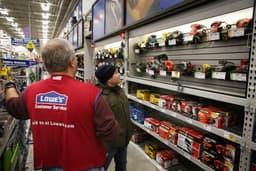
Home Retailers Face Challenges and Transformations Amid Economic Headwinds
- Weak Consumer Demand: Home improvement retailers faced significant challenges over the past year due to rising prices, job losses, and high interest rates, with foot traffic for Home Depot and Lowe's declining by 3.8% and 3.5% respectively in Q1 2025, indicating a direct impact of the economic environment on consumer spending.
- High Rates Affecting Confidence: Lowe's CEO Marvin Ellison highlighted that affordability concerns and high interest rates in the housing market have severely impacted consumer confidence, leading to reduced spending on larger discretionary items, reflecting the profound effects of economic uncertainty on the retail sector.
- AI Technology Implementation: In 2025, Lowe's rolled out AI voice agents to reduce employee distractions from phone calls on the sales floor, aiming to enhance customer service quality, although consumer preference for human interaction over AI remains a challenge, indicating the need for a balance between technology and personalized service.
- Divergent Competitive Strategies: Home Depot and Lowe's exhibit significant differences in their AI investment strategies, with the former adopting a more disciplined execution-first approach, while the latter treats AI as foundational infrastructure to rebuild its business model, aiming to enhance customer experience and employee capabilities, reflecting different paths in market adaptability.

Dramatic Drop in Fortune 500 Companies' DEI Participation

- Participation Rate Plummets: Research from the Human Rights Campaign reveals a staggering 65% drop in Fortune 500 companies publicly disclosing their diversity, equity, and inclusion (DEI) practices, falling from 377 in 2025 to just 131 in 2026, highlighting the pressures and challenges businesses face in the current political climate.
- Widespread Impact: Among the 534 companies that participated, 100 achieved a perfect score, representing nearly 6 million U.S. employees, indicating that despite the overall decline, some firms continue to excel in DEI, reflecting varying market perceptions of social responsibility.
- Political Shift: The rise of the anti-DEI movement, particularly with backing from the White House, has prompted many companies to reassess their DEI policies, with major firms like Walmart and Ford, which previously supported DEI, now withdrawing from related assessments, signaling a significant strategic shift.
- Uncertain Future: As more companies exit the Human Rights Campaign's Corporate Equality Index, the future implementation and evaluation of DEI initiatives face greater uncertainty, potentially impacting corporate social image and employee work environments.

65% Drop in Fortune 500 Companies' Participation in Equity Index


- Significant Participation Decline: The Human Rights Campaign's Corporate Equality Index reveals a drastic 65% drop in Fortune 500 companies' participation, plummeting from 377 in 2025 to just 131 in 2026, indicating a troubling decline in corporate transparency regarding diversity, equity, and inclusion (DEI) practices.
- Widespread Impact: Among the 534 companies that participated, 100 achieved a perfect score, representing nearly 6 million U.S. employees; however, the significant reduction in participation raises concerns about the potential erosion of workplace rights and support for these employees, adversely affecting the overall work environment.
- Political Influence: The rise of the anti-DEI movement, particularly with backing from the White House, has prompted many companies to reassess their DEI policies, leading to exits from the index by major firms like Walmart, Ford, and Lowe's, highlighting the impact of the political landscape on corporate social responsibility.
- Uncertain Future Outlook: HRC President Kelley Robinson emphasized that the current climate poses challenges for LGBTQ+ workers and consumers, suggesting that future corporate commitments and practices regarding DEI may face greater scrutiny, potentially affecting brand reputation and market competitiveness.

This Successful Fund Manager Favors J&J, Lowe’s, and Utility Stocks


- Active Equity Managers: Few active equity managers consistently outperform the S&P 500 index.
- Long-Term Consistency: It is even rarer for these managers to achieve consistent success over many years.

Sherwin-Williams Shares Decline as Earnings Reveal Dismal Customer Spending Trends.


- Earnings Report: Sherwin-Williams reported its fourth-quarter earnings, highlighting challenges in consumer spending.
- Market Outlook: The company's performance reflects broader economic trends affecting the paint and coatings industry.

Top Consumer Discretionary Stocks Performance in January 2026
- Lowe's Leads Performance: Lowe’s Companies (LOW) tops the list with a remarkable 13.67% increase in one-month price performance, indicating strong recovery potential in the consumer market that may attract more investor interest.
- Starbucks Follows Closely: Starbucks (SBUX) closely follows with a 13.22% gain, reflecting its solid performance amid recovering consumer spending, which could enhance its market share.
- Top Five Stocks Performance: TopBuild (BLD), eBay (EBAY), and Genuine Parts (GPC) achieved increases of 11.35%, 10.81%, and 10.55% respectively, showcasing the overall health of the consumer sector that may draw more capital inflow.
- Neutral Quant Ratings: Despite all listed stocks holding a “Hold” rating, indicating a neutral outlook, their strong short-term performance may prompt investors to reassess their investment strategies.
Home Retailers Face Challenges and Transformations Amid Economic Headwinds
- Weak Consumer Demand: Home improvement retailers faced significant challenges over the past year due to rising prices, job losses, and high interest rates, with foot traffic for Home Depot and Lowe's declining by 3.8% and 3.5% respectively in Q1 2025, indicating a direct impact of the economic environment on consumer spending.
- High Rates Affecting Confidence: Lowe's CEO Marvin Ellison highlighted that affordability concerns and high interest rates in the housing market have severely impacted consumer confidence, leading to reduced spending on larger discretionary items, reflecting the profound effects of economic uncertainty on the retail sector.
- AI Technology Implementation: In 2025, Lowe's rolled out AI voice agents to reduce employee distractions from phone calls on the sales floor, aiming to enhance customer service quality, although consumer preference for human interaction over AI remains a challenge, indicating the need for a balance between technology and personalized service.
- Divergent Competitive Strategies: Home Depot and Lowe's exhibit significant differences in their AI investment strategies, with the former adopting a more disciplined execution-first approach, while the latter treats AI as foundational infrastructure to rebuild its business model, aiming to enhance customer experience and employee capabilities, reflecting different paths in market adaptability.
Dramatic Drop in Fortune 500 Companies' DEI Participation
- Participation Rate Plummets: Research from the Human Rights Campaign reveals a staggering 65% drop in Fortune 500 companies publicly disclosing their diversity, equity, and inclusion (DEI) practices, falling from 377 in 2025 to just 131 in 2026, highlighting the pressures and challenges businesses face in the current political climate.
- Widespread Impact: Among the 534 companies that participated, 100 achieved a perfect score, representing nearly 6 million U.S. employees, indicating that despite the overall decline, some firms continue to excel in DEI, reflecting varying market perceptions of social responsibility.
- Political Shift: The rise of the anti-DEI movement, particularly with backing from the White House, has prompted many companies to reassess their DEI policies, with major firms like Walmart and Ford, which previously supported DEI, now withdrawing from related assessments, signaling a significant strategic shift.
- Uncertain Future: As more companies exit the Human Rights Campaign's Corporate Equality Index, the future implementation and evaluation of DEI initiatives face greater uncertainty, potentially impacting corporate social image and employee work environments.
65% Drop in Fortune 500 Companies' Participation in Equity Index
- Significant Participation Decline: The Human Rights Campaign's Corporate Equality Index reveals a drastic 65% drop in Fortune 500 companies' participation, plummeting from 377 in 2025 to just 131 in 2026, indicating a troubling decline in corporate transparency regarding diversity, equity, and inclusion (DEI) practices.
- Widespread Impact: Among the 534 companies that participated, 100 achieved a perfect score, representing nearly 6 million U.S. employees; however, the significant reduction in participation raises concerns about the potential erosion of workplace rights and support for these employees, adversely affecting the overall work environment.
- Political Influence: The rise of the anti-DEI movement, particularly with backing from the White House, has prompted many companies to reassess their DEI policies, leading to exits from the index by major firms like Walmart, Ford, and Lowe's, highlighting the impact of the political landscape on corporate social responsibility.
- Uncertain Future Outlook: HRC President Kelley Robinson emphasized that the current climate poses challenges for LGBTQ+ workers and consumers, suggesting that future corporate commitments and practices regarding DEI may face greater scrutiny, potentially affecting brand reputation and market competitiveness.
This Successful Fund Manager Favors J&J, Lowe’s, and Utility Stocks
- Active Equity Managers: Few active equity managers consistently outperform the S&P 500 index.
- Long-Term Consistency: It is even rarer for these managers to achieve consistent success over many years.
Sherwin-Williams Shares Decline as Earnings Reveal Dismal Customer Spending Trends.
- Earnings Report: Sherwin-Williams reported its fourth-quarter earnings, highlighting challenges in consumer spending.
- Market Outlook: The company's performance reflects broader economic trends affecting the paint and coatings industry.
Top Consumer Discretionary Stocks Performance in January 2026
- Lowe's Leads Performance: Lowe’s Companies (LOW) tops the list with a remarkable 13.67% increase in one-month price performance, indicating strong recovery potential in the consumer market that may attract more investor interest.
- Starbucks Follows Closely: Starbucks (SBUX) closely follows with a 13.22% gain, reflecting its solid performance amid recovering consumer spending, which could enhance its market share.
- Top Five Stocks Performance: TopBuild (BLD), eBay (EBAY), and Genuine Parts (GPC) achieved increases of 11.35%, 10.81%, and 10.55% respectively, showcasing the overall health of the consumer sector that may draw more capital inflow.
- Neutral Quant Ratings: Despite all listed stocks holding a “Hold” rating, indicating a neutral outlook, their strong short-term performance may prompt investors to reassess their investment strategies.


