Breakingviews - Victoria Beckham's transformation could be worth $700 million

Victoria Beckham's Brand Growth: Victoria Beckham's fashion and beauty brands have shown significant improvement, with total revenue rising 26% to £113 million in 2024, and losses decreasing from £17 million in 2019 to £5 million.
Celebrity Brand Landscape: Beckham's brand, while growing, remains small compared to major competitors like Rihanna's Fenty Beauty and Hailey Bieber's Rhode, which have achieved valuations significantly higher than Beckham's potential $700 million.
Investment and Valuation Potential: The potential sale of a stake in Victoria Beckham Holdings could value the company at $700 million, a notable increase from its $130 million valuation in 2017, attracting interest from various investors in the celebrity brand space.
Turning Point with Beauty Line: The launch of Victoria Beckham Beauty in 2019 has been a crucial factor in improving the company's financial health, with the beauty division experiencing 24% revenue growth, outpacing established beauty brands.
Trade with 70% Backtested Accuracy
Analyst Views on ELF

About ELF
About the author

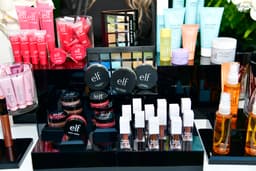
e.l.f. Beauty's Super Bowl Ad Falls Flat with Viewers

- Ad Performance Lacks Impact: e.l.f. Beauty's (ELF) 30-second Super Bowl ad was rated as one of the worst, and while it is unlikely to significantly hurt sales, it represented a missed opportunity to engage new consumers during the year's most-watched sporting event.
- Brand Awareness Potential: Media studies indicate that successful Super Bowl ads can increase brand awareness by 43%, and e.l.f.'s ad failed to capitalize on this potential, which may affect its long-term market performance.
- Significant Advertising Investment: e.l.f. Beauty has ramped up its advertising investment to 24%-26% of net sales for fiscal 2025, approximately $281.5 million, reflecting an over 800% increase over four years and far exceeding the industry average of 10%-20%.
- Optimistic Future Outlook: Despite the ad's poor reception, e.l.f. Beauty has raised its fiscal 2026 net sales growth outlook to 22%-23%, demonstrating the company's confidence in future growth prospects.

e.l.f. Beauty Surprises with Q3 Results, Stock Reversal Presents Buying Opportunity

- Significant Sales Growth: e.l.f. Beauty reported a 38% year-over-year sales increase in Q3 2023, reaching $489.5 million, significantly exceeding the analyst consensus of $460 million, indicating robust market demand and brand appeal.
- Enhanced Profitability: Adjusted earnings per share (EPS) surged 68% from $0.74 to $1.24, surpassing the analyst expectation of $0.72, reflecting the company's success in cost control and operational efficiency.
- Market Share Expansion: The e.l.f. brand gained 130 basis points in the mass cosmetics market, with U.S. and international revenues rising 36% and 44% respectively, despite weak consumption in the U.K., showcasing the brand's global appeal.
- Optimistic Outlook: The company raised its fiscal 2026 sales guidance to a growth range of 22% to 33%, expecting Rhode to contribute $260 million to $265 million in revenue, demonstrating confidence in future growth and strategic positioning.

e.l.f. Beauty Reports Strong Q3 Results Exceeding Expectations
- Significant Sales Growth: e.l.f. Beauty's Q3 sales soared 38% year-over-year to $489.5 million, easily surpassing the analyst consensus of $460 million, indicating strong market demand and brand appeal.
- Improved Profitability: Adjusted earnings per share (EPS) surged 68% from $0.74 to $1.24, exceeding the analyst estimate of $0.72, reflecting the company's success in cost control and operational efficiency.
- Rhode Brand Contribution: The Rhode brand contributed $128 million in revenue during the quarter, bolstered by its successful launch at Sephora, further solidifying e.l.f.'s position in the rapidly growing beauty market.
- Optimistic Outlook: e.l.f. raised its fiscal 2026 sales guidance to an increase of 22% to 33%, with Rhode expected to contribute $260 million to $265 million in revenue, demonstrating the company's confidence in future growth and strategic positioning.

2016 Nostalgia Sparks Retail Revival Potential


- Social Media Surge: Since January 1, user-generated '2016' playlists on Spotify have surged by 790%, indicating a strong nostalgic sentiment among young consumers that could drive sales for brands associated with that era.
- Return to Brick-and-Mortar: Young consumers are rediscovering the joy of in-store shopping, reflecting a longing for the carefree atmosphere of 2016, which may lead to improved performance for retailers.
- Brand Opportunities: Brands like Abercrombie & Fitch could leverage this nostalgia wave to reshape their image, particularly if they successfully distance themselves from past controversies, potentially attracting more young consumers.
- Market Outlook: Retail trends typically last about 18 months, and this nostalgia cycle is expected to persist through the midterm elections this year, possibly extending into next year, providing long-term market opportunities for related brands.

Gen Z's Nostalgia for 2016 and Its Impact on Retail

- Nostalgia Trend Emergence: Gen Z's nostalgia for 2016 has rapidly spread across social media, with Spotify user-generated '2016' playlists soaring by 790% since January 1, indicating a strong yearning for the cultural elements of that time, potentially driving a revival for related brands.
- Return to Brick-and-Mortar: Young consumers are rediscovering the appeal of in-store shopping after years dominated by e-commerce, reflecting a longing for the carefree and familiar comfort of 2016, which could stimulate a retail resurgence.
- Brand Opportunities Arise: Brands like Abercrombie & Fitch and Levi Strauss, which held significant cultural relevance in 2016, may leverage this nostalgia wave to regain market traction, especially as consumers show renewed interest in classic styles.
- Market Strategy Adjustments: As nostalgia rises, brands must adjust their market strategies to align with Gen Z's desire for authenticity and less intentionality, with successful brands likely to harness this emotional connection to reshape their cultural relevance.

U.S. Stocks Hit Historic Highs as Tech Stocks Rebound


- Dow Jones Milestone: The Dow Jones Industrial Average surpassed the 50,000 mark for the first time, reflecting renewed investor confidence in technology and semiconductor stocks, which may drive future investment enthusiasm.
- Tech Stock Recovery: Despite a severe selloff in software and AI-related stocks leading to one of the sharpest pullbacks in years, the market's rebound before the weekend indicates sustained investor interest in tech stocks, potentially boosting earnings for related companies.
- Improved Market Breadth: Financials, industrials, and select consumer names joined the rally, indicating improved market sentiment, while Bitcoin's rebound also lifted crypto-linked stocks, showcasing investors' preference for diversified investments.
- Analysts Warn of Volatility: Despite a strong market finish, analysts caution that volatility remains high, urging investors to closely monitor upcoming earnings reports and Federal Reserve policy signals to assess the sustainability of massive AI spending.
e.l.f. Beauty's Super Bowl Ad Falls Flat with Viewers
- Ad Performance Lacks Impact: e.l.f. Beauty's (ELF) 30-second Super Bowl ad was rated as one of the worst, and while it is unlikely to significantly hurt sales, it represented a missed opportunity to engage new consumers during the year's most-watched sporting event.
- Brand Awareness Potential: Media studies indicate that successful Super Bowl ads can increase brand awareness by 43%, and e.l.f.'s ad failed to capitalize on this potential, which may affect its long-term market performance.
- Significant Advertising Investment: e.l.f. Beauty has ramped up its advertising investment to 24%-26% of net sales for fiscal 2025, approximately $281.5 million, reflecting an over 800% increase over four years and far exceeding the industry average of 10%-20%.
- Optimistic Future Outlook: Despite the ad's poor reception, e.l.f. Beauty has raised its fiscal 2026 net sales growth outlook to 22%-23%, demonstrating the company's confidence in future growth prospects.
e.l.f. Beauty Surprises with Q3 Results, Stock Reversal Presents Buying Opportunity
- Significant Sales Growth: e.l.f. Beauty reported a 38% year-over-year sales increase in Q3 2023, reaching $489.5 million, significantly exceeding the analyst consensus of $460 million, indicating robust market demand and brand appeal.
- Enhanced Profitability: Adjusted earnings per share (EPS) surged 68% from $0.74 to $1.24, surpassing the analyst expectation of $0.72, reflecting the company's success in cost control and operational efficiency.
- Market Share Expansion: The e.l.f. brand gained 130 basis points in the mass cosmetics market, with U.S. and international revenues rising 36% and 44% respectively, despite weak consumption in the U.K., showcasing the brand's global appeal.
- Optimistic Outlook: The company raised its fiscal 2026 sales guidance to a growth range of 22% to 33%, expecting Rhode to contribute $260 million to $265 million in revenue, demonstrating confidence in future growth and strategic positioning.
e.l.f. Beauty Reports Strong Q3 Results Exceeding Expectations
- Significant Sales Growth: e.l.f. Beauty's Q3 sales soared 38% year-over-year to $489.5 million, easily surpassing the analyst consensus of $460 million, indicating strong market demand and brand appeal.
- Improved Profitability: Adjusted earnings per share (EPS) surged 68% from $0.74 to $1.24, exceeding the analyst estimate of $0.72, reflecting the company's success in cost control and operational efficiency.
- Rhode Brand Contribution: The Rhode brand contributed $128 million in revenue during the quarter, bolstered by its successful launch at Sephora, further solidifying e.l.f.'s position in the rapidly growing beauty market.
- Optimistic Outlook: e.l.f. raised its fiscal 2026 sales guidance to an increase of 22% to 33%, with Rhode expected to contribute $260 million to $265 million in revenue, demonstrating the company's confidence in future growth and strategic positioning.
2016 Nostalgia Sparks Retail Revival Potential
- Social Media Surge: Since January 1, user-generated '2016' playlists on Spotify have surged by 790%, indicating a strong nostalgic sentiment among young consumers that could drive sales for brands associated with that era.
- Return to Brick-and-Mortar: Young consumers are rediscovering the joy of in-store shopping, reflecting a longing for the carefree atmosphere of 2016, which may lead to improved performance for retailers.
- Brand Opportunities: Brands like Abercrombie & Fitch could leverage this nostalgia wave to reshape their image, particularly if they successfully distance themselves from past controversies, potentially attracting more young consumers.
- Market Outlook: Retail trends typically last about 18 months, and this nostalgia cycle is expected to persist through the midterm elections this year, possibly extending into next year, providing long-term market opportunities for related brands.
Gen Z's Nostalgia for 2016 and Its Impact on Retail
- Nostalgia Trend Emergence: Gen Z's nostalgia for 2016 has rapidly spread across social media, with Spotify user-generated '2016' playlists soaring by 790% since January 1, indicating a strong yearning for the cultural elements of that time, potentially driving a revival for related brands.
- Return to Brick-and-Mortar: Young consumers are rediscovering the appeal of in-store shopping after years dominated by e-commerce, reflecting a longing for the carefree and familiar comfort of 2016, which could stimulate a retail resurgence.
- Brand Opportunities Arise: Brands like Abercrombie & Fitch and Levi Strauss, which held significant cultural relevance in 2016, may leverage this nostalgia wave to regain market traction, especially as consumers show renewed interest in classic styles.
- Market Strategy Adjustments: As nostalgia rises, brands must adjust their market strategies to align with Gen Z's desire for authenticity and less intentionality, with successful brands likely to harness this emotional connection to reshape their cultural relevance.
U.S. Stocks Hit Historic Highs as Tech Stocks Rebound
- Dow Jones Milestone: The Dow Jones Industrial Average surpassed the 50,000 mark for the first time, reflecting renewed investor confidence in technology and semiconductor stocks, which may drive future investment enthusiasm.
- Tech Stock Recovery: Despite a severe selloff in software and AI-related stocks leading to one of the sharpest pullbacks in years, the market's rebound before the weekend indicates sustained investor interest in tech stocks, potentially boosting earnings for related companies.
- Improved Market Breadth: Financials, industrials, and select consumer names joined the rally, indicating improved market sentiment, while Bitcoin's rebound also lifted crypto-linked stocks, showcasing investors' preference for diversified investments.
- Analysts Warn of Volatility: Despite a strong market finish, analysts caution that volatility remains high, urging investors to closely monitor upcoming earnings reports and Federal Reserve policy signals to assess the sustainability of massive AI spending.