BMW Calls Tesla FSD 'Very Impressive,' Gary Black Says Automakers Will Eventually License It: 'One Deal Will Cause Others To Follow'
Written by Emily J. Thompson, Senior Investment Analyst
Updated: Dec 11 2024
0mins
Should l Buy TSLA?
Source: Benzinga
BMW's Reaction to Tesla's FSD: BMW praised Tesla's latest version of its full self-driving software as "very impressive" after witnessing a demonstration of hands-free navigation, sparking speculation about potential licensing deals between the two companies.
Elon Musk on Licensing Technology: Despite expressing willingness to license Tesla's FSD technology to other automakers, no agreements have been made yet, with Musk suggesting that rival companies may still be skeptical about its viability.
Trade with 70% Backtested Accuracy
Stop guessing "Should I Buy TSLA?" and start using high-conviction signals backed by rigorous historical data.
Sign up today to access powerful investing tools and make smarter, data-driven decisions.
Analyst Views on TSLA
Wall Street analysts forecast TSLA stock price to fall over the next 12 months. According to Wall Street analysts, the average 1-year price target for TSLA is 401.93 USD with a low forecast of 25.28 USD and a high forecast of 600.00 USD. However, analyst price targets are subjective and often lag stock prices, so investors should focus on the objective reasons behind analyst rating changes, which better reflect the company's fundamentals.
30 Analyst Rating
12 Buy
11 Hold
7 Sell
Hold
Current: 411.110

Low
25.28
Averages
401.93
High
600.00
Current: 411.110
Low
25.28
Averages
401.93
High
600.00
About TSLA
Tesla, Inc. designs, develops, manufactures, sells and leases high-performance fully electric vehicles and energy generation and storage systems, and offers services related to its products. Its segments include automotive, and energy generation and storage. The automotive segment includes the design, development, manufacturing, sales and leasing of high-performance fully electric vehicles, and sales of automotive regulatory credits. It also includes sales of used vehicles, non-warranty maintenance services and collisions, part sales, paid supercharging, insurance services revenue and retail merchandise sales. The energy generation and storage segment include the design, manufacture, installation, sales and leasing of solar energy generation and energy storage products and related services and sales of solar energy systems incentives. Its consumer vehicles include the Model 3, Y, S, X and Cybertruck. Its lithium-ion battery energy storage products include Powerwall and Megapack.
About the author

Emily J. Thompson
Emily J. Thompson, a Chartered Financial Analyst (CFA) with 12 years in investment research, graduated with honors from the Wharton School. Specializing in industrial and technology stocks, she provides in-depth analysis for Intellectia’s earnings and market brief reports.
Tesla Plans Over $20 Billion Investment in 2026

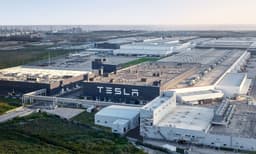
- Surge in Capex: Tesla's capital expenditures totaled $8.5 billion in 2025 and are projected to exceed $20 billion in 2026, reflecting the company's ambitious plans in AI and robotics to enhance long-term competitiveness.
- Investment in Key Projects: The company is investing in six new factories and plans to expand its robotaxi and Optimus fleets to meet future market demands while ensuring supply chain stability.
- Strong Financial Position: Despite an 11% drop in auto sales and operating income in Q4 2025, Tesla generated $6.2 billion in free cash flow and has $44 billion in cash and investments, providing a solid financial foundation for future investments.
- Diversified Financing Strategy: Tesla's management is in discussions with banks regarding funding needs, potentially considering debt financing to bolster liquidity, while its $1.2 trillion market cap and a high P/E ratio of 365 offer options for raising equity capital with minimal dilution.
See More

Musk Merges SpaceX with xAI, Wealth Soars
- Merger Valuation Surge: Musk's merger of SpaceX with xAI creates a new entity valued at $1.25 trillion, boosting his net worth to approximately $845 billion, reflecting his ambitions in aerospace and AI sectors.
- Wealth Shift: Post-merger, Musk's ownership in the new entity is estimated at 43%, valued at over $530 billion, indicating a shift in his wealth focus from Tesla to SpaceX, which now constitutes nearly two-thirds of his wealth.
- Market Potential: The merger is seen as a strategic move to access larger capital markets, particularly as xAI's AI model development requires significant funding, potentially opening up greater business opportunities for Musk.
- Future Challenges: While Musk aims to become the world's first trillionaire, SpaceX needs to reach a valuation of approximately $1.6 trillion, facing regulatory scrutiny and ongoing investigations into xAI, which could impact his financial strategy.
See More
Tesla VP Raj Jegannathan Announces Departure Amid Sales Decline
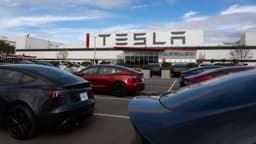
- Executive Departure: Tesla VP Raj Jegannathan announced his departure after 13 years, indicating instability at the executive level, which could negatively impact employee morale and investor confidence.
- Sales Team Restructuring: Recently tasked with leading Tesla's sales team after the dismissal of the North America sales head, Jegannathan's exit highlights the urgent need for strategic adjustments to address declining core automotive sales.
- Revenue Decline: Tesla's revenue dropped 3% in 2025, marking the first recorded decline, which underscores the unprecedented pressure the company faces to innovate and revitalize sales growth.
- Brand Reputation Crisis: The aging EV lineup and CEO Elon Musk's controversial rhetoric have tarnished Tesla's brand reputation, exacerbating consumer backlash and intensifying competitive pressures in the market.
See More
Tesla VP Raj Jegannathan Departs Amid Sales Challenges
- Executive Departure: Tesla's VP Raj Jegannathan announced his departure after 13 years with the company, where he recently oversaw IT, AI infrastructure, and InfoSec, indicating increasing executive turnover at the automaker.
- Sales Team Changes: Last year, Jegannathan was appointed to lead the North American sales team following the dismissal of Troy Jones, yet Tesla's core automotive sales have declined, reflecting mounting pressure in a competitive market.
- Brand Reputation Issues: Tesla's brand reputation has been tarnished due to its aging EV lineup and CEO Elon Musk's controversial political rhetoric, leading to consumer backlash and exacerbating sales declines.
- Financial Strain: Tesla's revenue for 2025 dropped 3%, marking the first decline on record, as the company faces pressure to revitalize EV sales and deliver on its promised driverless systems, highlighting both challenges and opportunities in the market.
See More

Tesla's Optimus Robot Outlook Remains Uncertain

- Market Skepticism: Despite Elon Musk touting the Optimus robot as Tesla's most significant long-term value driver, prediction market odds from Kalshi indicate only a 21% chance of it being available for sale by 2026, reflecting a broader skepticism about its future performance.
- Delayed Revenue Contribution: Should Tesla fail to meet its internal production milestones in 2025, the odds in prediction markets may drop further, impacting revenue expectations at a time when the company's car-based revenue is already declining.
- Intensifying Competition: Hyundai Motor Co. emerges as Tesla's primary rival in the humanoid space, with its Boston Dynamics unit recently commencing pilot deployments of the electric Atlas bot, meaning a delay from Tesla could allow Hyundai to capture significant enterprise market share.
- Musk's Timing Reputation: While Musk is known for achieving
See More
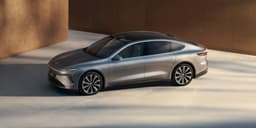
Nio's Stock Valuation Appears Undervalued

- Market Performance: Since going public at $6.26 per share in 2018, Nio's stock has consistently traded below $5, with a current market cap of 88.4 billion yuan ($12.7 billion), indicating a valuation of less than one times this year's sales, reflecting market caution regarding its future growth prospects.
- Battery Swap Network Expansion: Nio has expanded its battery swap stations from 777 at the end of 2021 to over 3,500 across China and Europe, demonstrating significant investment in infrastructure and market penetration capabilities in the electric vehicle sector.
- Delivery Volume Growth: Nio's vehicle deliveries are expected to grow from 91,429 in 2021 to 221,970 by 2024, with a projected 336,221 vehicles delivered in 2025, primarily driven by its higher-end models and the newly launched Onvo and Firefly series.
- Profit Expectations: Nio anticipates achieving its first quarterly profit in Q4 2025, with analysts forecasting a 29% CAGR in revenue from 2025 to 2027; if these expectations are met, the stock could potentially rise over 8 times in the next 12 months.
See More
Tesla Plans Over $20 Billion Investment in 2026
- Surge in Capex: Tesla's capital expenditures totaled $8.5 billion in 2025 and are projected to exceed $20 billion in 2026, reflecting the company's ambitious plans in AI and robotics to enhance long-term competitiveness.
- Investment in Key Projects: The company is investing in six new factories and plans to expand its robotaxi and Optimus fleets to meet future market demands while ensuring supply chain stability.
- Strong Financial Position: Despite an 11% drop in auto sales and operating income in Q4 2025, Tesla generated $6.2 billion in free cash flow and has $44 billion in cash and investments, providing a solid financial foundation for future investments.
- Diversified Financing Strategy: Tesla's management is in discussions with banks regarding funding needs, potentially considering debt financing to bolster liquidity, while its $1.2 trillion market cap and a high P/E ratio of 365 offer options for raising equity capital with minimal dilution.
See More
Musk Merges SpaceX with xAI, Wealth Soars
- Merger Valuation Surge: Musk's merger of SpaceX with xAI creates a new entity valued at $1.25 trillion, boosting his net worth to approximately $845 billion, reflecting his ambitions in aerospace and AI sectors.
- Wealth Shift: Post-merger, Musk's ownership in the new entity is estimated at 43%, valued at over $530 billion, indicating a shift in his wealth focus from Tesla to SpaceX, which now constitutes nearly two-thirds of his wealth.
- Market Potential: The merger is seen as a strategic move to access larger capital markets, particularly as xAI's AI model development requires significant funding, potentially opening up greater business opportunities for Musk.
- Future Challenges: While Musk aims to become the world's first trillionaire, SpaceX needs to reach a valuation of approximately $1.6 trillion, facing regulatory scrutiny and ongoing investigations into xAI, which could impact his financial strategy.
See More
Tesla VP Raj Jegannathan Announces Departure Amid Sales Decline
- Executive Departure: Tesla VP Raj Jegannathan announced his departure after 13 years, indicating instability at the executive level, which could negatively impact employee morale and investor confidence.
- Sales Team Restructuring: Recently tasked with leading Tesla's sales team after the dismissal of the North America sales head, Jegannathan's exit highlights the urgent need for strategic adjustments to address declining core automotive sales.
- Revenue Decline: Tesla's revenue dropped 3% in 2025, marking the first recorded decline, which underscores the unprecedented pressure the company faces to innovate and revitalize sales growth.
- Brand Reputation Crisis: The aging EV lineup and CEO Elon Musk's controversial rhetoric have tarnished Tesla's brand reputation, exacerbating consumer backlash and intensifying competitive pressures in the market.
See More
Tesla VP Raj Jegannathan Departs Amid Sales Challenges
- Executive Departure: Tesla's VP Raj Jegannathan announced his departure after 13 years with the company, where he recently oversaw IT, AI infrastructure, and InfoSec, indicating increasing executive turnover at the automaker.
- Sales Team Changes: Last year, Jegannathan was appointed to lead the North American sales team following the dismissal of Troy Jones, yet Tesla's core automotive sales have declined, reflecting mounting pressure in a competitive market.
- Brand Reputation Issues: Tesla's brand reputation has been tarnished due to its aging EV lineup and CEO Elon Musk's controversial political rhetoric, leading to consumer backlash and exacerbating sales declines.
- Financial Strain: Tesla's revenue for 2025 dropped 3%, marking the first decline on record, as the company faces pressure to revitalize EV sales and deliver on its promised driverless systems, highlighting both challenges and opportunities in the market.
See More
Tesla's Optimus Robot Outlook Remains Uncertain
- Market Skepticism: Despite Elon Musk touting the Optimus robot as Tesla's most significant long-term value driver, prediction market odds from Kalshi indicate only a 21% chance of it being available for sale by 2026, reflecting a broader skepticism about its future performance.
- Delayed Revenue Contribution: Should Tesla fail to meet its internal production milestones in 2025, the odds in prediction markets may drop further, impacting revenue expectations at a time when the company's car-based revenue is already declining.
- Intensifying Competition: Hyundai Motor Co. emerges as Tesla's primary rival in the humanoid space, with its Boston Dynamics unit recently commencing pilot deployments of the electric Atlas bot, meaning a delay from Tesla could allow Hyundai to capture significant enterprise market share.
- Musk's Timing Reputation: While Musk is known for achieving
See More
Nio's Stock Valuation Appears Undervalued
- Market Performance: Since going public at $6.26 per share in 2018, Nio's stock has consistently traded below $5, with a current market cap of 88.4 billion yuan ($12.7 billion), indicating a valuation of less than one times this year's sales, reflecting market caution regarding its future growth prospects.
- Battery Swap Network Expansion: Nio has expanded its battery swap stations from 777 at the end of 2021 to over 3,500 across China and Europe, demonstrating significant investment in infrastructure and market penetration capabilities in the electric vehicle sector.
- Delivery Volume Growth: Nio's vehicle deliveries are expected to grow from 91,429 in 2021 to 221,970 by 2024, with a projected 336,221 vehicles delivered in 2025, primarily driven by its higher-end models and the newly launched Onvo and Firefly series.
- Profit Expectations: Nio anticipates achieving its first quarterly profit in Q4 2025, with analysts forecasting a 29% CAGR in revenue from 2025 to 2027; if these expectations are met, the stock could potentially rise over 8 times in the next 12 months.
See More