Baidu is becoming a key player in China's AI chip market to address the Nvidia shortfall.

Baidu's Position in AI Chips: Baidu is emerging as a significant player in China's AI chip market, positioning itself as a competitor to Huawei and filling the gap left by Nvidia's absence in the country.
Growth and Demand for Kunlun Chips: Analysts predict explosive growth for Baidu's Kunlun chip unit, with sales expected to increase six-fold by 2026, driven by strong domestic demand for AI computing.
Challenges in Semiconductor Supply: Chinese tech companies, including Baidu, face supply shortages of chips due to global demand and restrictions on Nvidia products, prompting them to seek local solutions and improve efficiency.
Strategic Opportunity for Baidu: Baidu's push into chip manufacturing is seen as both a necessity due to the lack of US GPUs and an opportunity to become a key supplier in China's AI hardware market, aligning with Beijing's self-reliance goals.
Trade with 70% Backtested Accuracy
Analyst Views on BIDU

About BIDU
About the author

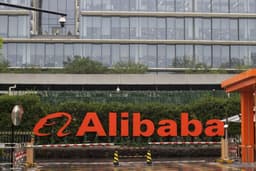
Alibaba Unveils Qwen AI Tools for 2026 Olympics

- Global Rollout: Alibaba Cloud has launched a suite of Qwen AI tools, marking the first integration of a large language model into the digital infrastructure of the 2026 Milano Cortina Winter Olympics, which signifies the company's strategic positioning in the global AI market.
- User Incentive Campaign: To drive adoption of Qwen, Alibaba initiated a $420 million cash incentive program during the Lunar New Year, aimed at boosting downloads and usage, resulting in over 100 million monthly active users within just two months.
- Infrastructure Strain: The surge in demand from the incentive campaign caused system crashes, preventing many users from accessing the campaign entry page, prompting Alibaba to urgently increase resources to ensure smooth system operations.
- Technological Upgrades and Competition: Alibaba is continuously enhancing Qwen's capabilities, including the relaunch of its AI chatbot and the introduction of the Zhenwu 810E processor, which offers performance comparable to Nvidia's China-focused H20 chip, thereby strengthening its competitive edge in the consumer AI market.

Four Strategies for Tesla's Stock Recovery

- Underperformance Noted: Despite positive developments in self-driving technology, Tesla is underperforming in 2026, with a 12% decline compared to a 2% drop in the Nasdaq 100, indicating significant market pressure and investor skepticism.
- Safety Monitor Removal Proposal: Investor Gary Black suggests that Tesla should remove safety monitors from its robotaxis to alleviate doubts about its unsupervised self-driving capabilities, which could enhance market confidence in the company's future.
- New Pickup Truck Design: Black emphasizes that launching a new pickup truck that aligns more closely with conventional designs could help Tesla recover its stock performance, projecting that even a 10% market share could add $1.20 per share to earnings, reflecting a 40% increase in 2027 earnings.
- Musk's Stock Purchase: Black also highlights that if CEO Elon Musk were to purchase additional shares, it would send a strong confidence signal to investors, potentially boosting both investor sentiment and Tesla's stock performance.
The Rise and Transformation of Physical AI


- Physical AI Transformation: Bank of America analyst Martyn Briggs highlights that the rise of Physical AI is underway, projected to drive a trillion-dollar market shift as value transitions from digital models to physical machines like robots, autonomous vehicles, and drones, marking a significant shift of intelligence from screens to machines.
- Humanoid Robot Production: Over 50 companies are developing humanoid robot platforms, with shipments expected to grow from tens of thousands today to millions annually over the next decade, driven by labor shortages and falling component costs, which will transform operations in manufacturing and logistics.
- Autonomous Driving Adoption: Robotaxis are operational in multiple cities, and advanced driver-assistance systems are set to achieve mass adoption in China by 2030, with hardware cost reductions significantly lowering ride-hailing and freight costs, thus transforming mobility into a software-defined, AI-driven platform.
- Investment Opportunities: Bank of America has highlighted 15 publicly traded companies exposed to Physical AI, including Nvidia, Tesla, and Qualcomm, which are leading in chips, robotics, mobility, and sensing, expected to spearhead this transformative wave.
Baidu Announces $5 Billion Share Buyback Program and Dividend Policy

- Share Buyback Program: Baidu's board has authorized a $5 billion share repurchase program effective until December 31, 2028, aimed at enhancing shareholder value and boosting market confidence.
- First Dividend Policy: The board has approved a dividend policy for ordinary shares for the first time, with the first dividend payment expected in 2026, indicating a commitment to shareholder returns.
- Cash Flow Pressure: Despite holding $41.64 billion in cash and equivalents as of September 30, 2025, Baidu reported a concerning $302 million outflow in free cash flow, primarily due to heavy investments in AI, highlighting financial strain.
- AI Investment and Layoffs: Baidu's ongoing investments in AI have led to over 200 million monthly active users, but the company has also downsized its workforce by up to 40% in some departments, reflecting the challenges of balancing innovation with cost control.
Baidu Approves $5B Share Repurchase Program
- Share Buyback Initiated: Baidu has approved a $5 billion share repurchase program effective through December 31, 2028, aimed at enhancing shareholder value and boosting market confidence.
- Dividend Policy Adopted: The company also approved a dividend policy for its ordinary shares, which may include regular and/or special distributions, reflecting a commitment to shareholder returns and attracting investor interest.
- Strong Market Performance: With a current market cap of $49 billion, Baidu's Q3 results exceeded market estimates, indicating robust growth in a competitive landscape.
- Positive Future Outlook: The company is expected to release its Q4 earnings on February 26, with the market generally optimistic about its future performance, particularly in the areas of AI and autonomous driving innovations.
Baidu Announces Buyback Plan and Maiden Dividend
- Maiden Dividend Announcement: Baidu plans to pay its first-ever dividend in 2023, with details pending, marking a significant step in shareholder returns that is expected to boost investor confidence and attract more long-term investors.
- Share Buyback Program: The company's board approved a stock repurchase program of up to $5 billion, set to run through December 2026, aimed at enhancing shareholder value by reducing the number of shares outstanding, thereby increasing earnings per share.
- Positive Market Reaction: Following the announcement of the dividend and buyback plan, Baidu's shares jumped nearly 5% in after-hours trading, indicating a positive market response to the company's new strategy, despite the overall bearish sentiment.
- Peer Comparison: In contrast to Baidu's buyback initiative, Alibaba approved a $25 billion repurchase program in 2024, while Tencent rolled out a $10 billion buyback plan last year, highlighting the increasing emphasis on capital returns within the industry.
Alibaba Unveils Qwen AI Tools for 2026 Olympics
- Global Rollout: Alibaba Cloud has launched a suite of Qwen AI tools, marking the first integration of a large language model into the digital infrastructure of the 2026 Milano Cortina Winter Olympics, which signifies the company's strategic positioning in the global AI market.
- User Incentive Campaign: To drive adoption of Qwen, Alibaba initiated a $420 million cash incentive program during the Lunar New Year, aimed at boosting downloads and usage, resulting in over 100 million monthly active users within just two months.
- Infrastructure Strain: The surge in demand from the incentive campaign caused system crashes, preventing many users from accessing the campaign entry page, prompting Alibaba to urgently increase resources to ensure smooth system operations.
- Technological Upgrades and Competition: Alibaba is continuously enhancing Qwen's capabilities, including the relaunch of its AI chatbot and the introduction of the Zhenwu 810E processor, which offers performance comparable to Nvidia's China-focused H20 chip, thereby strengthening its competitive edge in the consumer AI market.
Four Strategies for Tesla's Stock Recovery
- Underperformance Noted: Despite positive developments in self-driving technology, Tesla is underperforming in 2026, with a 12% decline compared to a 2% drop in the Nasdaq 100, indicating significant market pressure and investor skepticism.
- Safety Monitor Removal Proposal: Investor Gary Black suggests that Tesla should remove safety monitors from its robotaxis to alleviate doubts about its unsupervised self-driving capabilities, which could enhance market confidence in the company's future.
- New Pickup Truck Design: Black emphasizes that launching a new pickup truck that aligns more closely with conventional designs could help Tesla recover its stock performance, projecting that even a 10% market share could add $1.20 per share to earnings, reflecting a 40% increase in 2027 earnings.
- Musk's Stock Purchase: Black also highlights that if CEO Elon Musk were to purchase additional shares, it would send a strong confidence signal to investors, potentially boosting both investor sentiment and Tesla's stock performance.
The Rise and Transformation of Physical AI
- Physical AI Transformation: Bank of America analyst Martyn Briggs highlights that the rise of Physical AI is underway, projected to drive a trillion-dollar market shift as value transitions from digital models to physical machines like robots, autonomous vehicles, and drones, marking a significant shift of intelligence from screens to machines.
- Humanoid Robot Production: Over 50 companies are developing humanoid robot platforms, with shipments expected to grow from tens of thousands today to millions annually over the next decade, driven by labor shortages and falling component costs, which will transform operations in manufacturing and logistics.
- Autonomous Driving Adoption: Robotaxis are operational in multiple cities, and advanced driver-assistance systems are set to achieve mass adoption in China by 2030, with hardware cost reductions significantly lowering ride-hailing and freight costs, thus transforming mobility into a software-defined, AI-driven platform.
- Investment Opportunities: Bank of America has highlighted 15 publicly traded companies exposed to Physical AI, including Nvidia, Tesla, and Qualcomm, which are leading in chips, robotics, mobility, and sensing, expected to spearhead this transformative wave.
Baidu Announces $5 Billion Share Buyback Program and Dividend Policy
- Share Buyback Program: Baidu's board has authorized a $5 billion share repurchase program effective until December 31, 2028, aimed at enhancing shareholder value and boosting market confidence.
- First Dividend Policy: The board has approved a dividend policy for ordinary shares for the first time, with the first dividend payment expected in 2026, indicating a commitment to shareholder returns.
- Cash Flow Pressure: Despite holding $41.64 billion in cash and equivalents as of September 30, 2025, Baidu reported a concerning $302 million outflow in free cash flow, primarily due to heavy investments in AI, highlighting financial strain.
- AI Investment and Layoffs: Baidu's ongoing investments in AI have led to over 200 million monthly active users, but the company has also downsized its workforce by up to 40% in some departments, reflecting the challenges of balancing innovation with cost control.
Baidu Approves $5B Share Repurchase Program
- Share Buyback Initiated: Baidu has approved a $5 billion share repurchase program effective through December 31, 2028, aimed at enhancing shareholder value and boosting market confidence.
- Dividend Policy Adopted: The company also approved a dividend policy for its ordinary shares, which may include regular and/or special distributions, reflecting a commitment to shareholder returns and attracting investor interest.
- Strong Market Performance: With a current market cap of $49 billion, Baidu's Q3 results exceeded market estimates, indicating robust growth in a competitive landscape.
- Positive Future Outlook: The company is expected to release its Q4 earnings on February 26, with the market generally optimistic about its future performance, particularly in the areas of AI and autonomous driving innovations.
Baidu Announces Buyback Plan and Maiden Dividend
- Maiden Dividend Announcement: Baidu plans to pay its first-ever dividend in 2023, with details pending, marking a significant step in shareholder returns that is expected to boost investor confidence and attract more long-term investors.
- Share Buyback Program: The company's board approved a stock repurchase program of up to $5 billion, set to run through December 2026, aimed at enhancing shareholder value by reducing the number of shares outstanding, thereby increasing earnings per share.
- Positive Market Reaction: Following the announcement of the dividend and buyback plan, Baidu's shares jumped nearly 5% in after-hours trading, indicating a positive market response to the company's new strategy, despite the overall bearish sentiment.
- Peer Comparison: In contrast to Baidu's buyback initiative, Alibaba approved a $25 billion repurchase program in 2024, while Tencent rolled out a $10 billion buyback plan last year, highlighting the increasing emphasis on capital returns within the industry.