

Analysis of Tesla's Earnings and Capital Spending Plans
Written by Emily J. Thompson, Senior Investment Analyst
Updated: 3d ago
0mins


Should l Buy TSLA?
Source: NASDAQ.COM
- Earnings Performance: Tesla reported earnings per share of $0.50 for the fourth quarter, exceeding estimates but down 63% year-over-year, marking the lowest results since 2020, indicating pressure on its automotive business.
- Capital Spending Plans: Tesla announced plans to increase its capital expenditures to $20 billion for 2026, more than doubling previous levels, reflecting the company's ambitions in autonomy and robotics, while raising concerns about its financial health.
- Product Line Adjustments: Tesla will discontinue its S and X models, which account for only 5% of total sales, aiming to reallocate resources towards the more promising production of Optimus robots, demonstrating a commitment to strategic transformation.
- Intensifying Market Competition: Tesla's automotive revenue declined by 11% in the fourth quarter, facing increasing pressure from competitors like GM in the electric vehicle market, suggesting a need for accelerated transformation to maintain market share.
Trade with 70% Backtested Accuracy
Stop guessing "Should I Buy TSLA?" and start using high-conviction signals backed by rigorous historical data.
Sign up today to access powerful investing tools and make smarter, data-driven decisions.
Analyst Views on TSLA
Wall Street analysts forecast TSLA stock price to rise over the next 12 months. According to Wall Street analysts, the average 1-year price target for TSLA is 401.93 USD with a low forecast of 25.28 USD and a high forecast of 600.00 USD. However, analyst price targets are subjective and often lag stock prices, so investors should focus on the objective reasons behind analyst rating changes, which better reflect the company's fundamentals.
30 Analyst Rating
12 Buy
11 Hold
7 Sell
Hold
Current: 397.210

Low
25.28
Averages
401.93
High
600.00
Current: 397.210
Low
25.28
Averages
401.93
High
600.00
About TSLA
Tesla, Inc. designs, develops, manufactures, sells and leases high-performance fully electric vehicles and energy generation and storage systems, and offers services related to its products. Its segments include automotive, and energy generation and storage. The automotive segment includes the design, development, manufacturing, sales and leasing of high-performance fully electric vehicles, and sales of automotive regulatory credits. It also includes sales of used vehicles, non-warranty maintenance services and collisions, part sales, paid supercharging, insurance services revenue and retail merchandise sales. The energy generation and storage segment include the design, manufacture, installation, sales and leasing of solar energy generation and energy storage products and related services and sales of solar energy systems incentives. Its consumer vehicles include the Model 3, Y, S, X and Cybertruck. Its lithium-ion battery energy storage products include Powerwall and Megapack.
About the author

Emily J. Thompson
Emily J. Thompson, a Chartered Financial Analyst (CFA) with 12 years in investment research, graduated with honors from the Wharton School. Specializing in industrial and technology stocks, she provides in-depth analysis for Intellectia’s earnings and market brief reports.
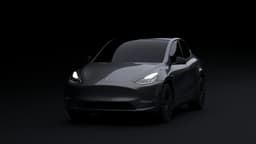
Tesla Launches Limited-Time FSD Transfer Program

- FSD Transfer Program Overview: Tesla has launched a limited-time FSD transfer program allowing customers to order a new vehicle and transfer the Full Self-Driving feature from their existing vehicle by March 31, 2026, aimed at enhancing customer experience and boosting new vehicle sales.
- Eligibility Requirements: Customers must be the legal owners of the current FSD vehicle, with both vehicles under the same Tesla account, ensuring a smooth transfer process that enhances customer loyalty to the Tesla brand.
- Transfer Conditions: Vehicles eligible for transfer must not be under lease, used for commercial purposes, or have unresolved financial issues, ensuring compliance and safety during the transfer process while minimizing potential legal risks.
- Policy Update Context: This program follows Tesla's announcement that the free FSD transfer service will end in March, demonstrating the company's flexibility in adjusting policies to meet market demands and customer feedback.
See More

Wall Street Insiders Quietly Buy Aerovironment Stock
- Investor Accumulation: John Overdeck's Two Sigma hedge fund acquired 27,327 shares of Aerovironment for $8.6 million, reflecting confidence in the company's growth potential amidst a competitive landscape.
- Large Transactions: Ray Dalio's Bridgewater Associates opened a new position by purchasing 11,349 shares for $3.6 million, indicating a rising interest from institutional investors in Aerovironment's stock.
- ARK Fund Involvement: Cathie Wood's ARK Space & Defense Innovation ETF and ARK Autonomous Technology & Robotics ETF invested $1.6 million and $3.9 million in Aerovironment shares respectively, further validating market recognition of the company's technology.
- Price Correction Opportunity: Following a government contract stop-work order, Aerovironment's stock has dropped over 30%, with some Wall Street insiders viewing this pullback as a buying opportunity, despite Motley Fool analysts not including it in their top investment stocks list.
See More

Investor Confusion in AI Competition


- Investor Sentiment Shift: Following earnings calls from tech giants like Microsoft, Google, and Amazon, investor confusion about future directions led to Amazon losing over $300 billion in market cap, reflecting strong skepticism regarding its $200 billion AI investment plan.
- Capital Expenditure Comparison: Google announced an increase in capital expenditures to $175 billion to $185 billion, exceeding the expected $115 billion to $120 billion, indicating a proactive approach in AI despite challenges from slowing ad revenues.
- Changing Competitive Landscape: With Alphabet's ongoing investments and successes in AI, YouTube's user base has grown to 750 million, and Waymo's self-driving business is outpacing Tesla, suggesting a strengthening competitive advantage that may attract more investor interest.
- Mixed Market Reactions: Despite OpenAI and Anthropic's strong performance in AI, Microsoft's Copilot sales have been disappointing, highlighting investor concerns about its future growth and reflecting differing levels of confidence across companies.
See More
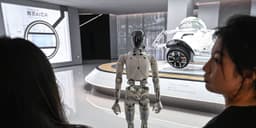
Tesla Faces Competition from This Emerging Robotics Company.

Tesla's Market Position: Tesla is currently the most valuable car company in the world, leading the automotive industry in market capitalization.
Emerging Competition: Tesla's dominance has attracted increased competition from other car manufacturers looking to capture a share of the electric vehicle market.
See More

Tesla and Waymo's Divergent Approaches to Autonomous Driving

- Elevated Safety Standards: Waymo's VP Srikanth Thirumalai stated in an interview that the standards for autonomous driving should exceed human capabilities, emphasizing that safety is paramount, with future efforts focused on reducing sensor costs and improving software quality to ensure product safety.
- Sensor System Optimization: Currently, Waymo employs a comprehensive system with 29 cameras, 5 lidars, and 6 radars to enhance AI perception, planning to reduce the number of sensors in future robotaxi models while iterating and innovating to lower costs and improve software performance.
- Tesla's AI Perspective: Tesla's VP of AI, Ashok Elluswamy, emphasized at the ScaledML Conference that autonomous driving should rely on cameras rather than sensors, arguing that the challenge lies in AI capabilities rather than sensor technology, highlighting the importance of information extraction.
- Ongoing Industry Debate: Despite differing views on autonomous driving technology, both Waymo and Tesla acknowledge the challenges in achieving fully safe autonomous driving, indicating that the debate within the industry continues to evolve.
See More
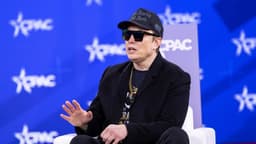
Musk: Tesla Needs Work and Luck to Reach $100 Trillion Valuation
- Valuation Challenge: Musk acknowledged that Tesla's current market cap of $1.5 trillion requires a 65-fold increase to reach the $100 trillion target, which necessitates an enormous amount of work and a bit of luck.
- Future Market Potential: Robotaxis are projected to be a major contributor to Tesla's valuation, with Ark Invest estimating a $10 trillion market by 2030, while Morgan Stanley and Citi estimate the humanoid robot market to be between $5 trillion and $7 trillion.
- Production Capacity Outlook: Musk anticipates producing 100,000 Optimus humanoid robots monthly within five years, potentially generating $30 billion in annual revenue, which would significantly enhance Tesla's overall revenue structure.
- Energy Storage Growth: Tesla deployed 14.2 GWh of energy storage last quarter and a total of 46.7 GWh over the past year, demonstrating strong growth potential in the renewable energy sector, further enhancing the company's market competitiveness.
See More
Tesla Launches Limited-Time FSD Transfer Program
- FSD Transfer Program Overview: Tesla has launched a limited-time FSD transfer program allowing customers to order a new vehicle and transfer the Full Self-Driving feature from their existing vehicle by March 31, 2026, aimed at enhancing customer experience and boosting new vehicle sales.
- Eligibility Requirements: Customers must be the legal owners of the current FSD vehicle, with both vehicles under the same Tesla account, ensuring a smooth transfer process that enhances customer loyalty to the Tesla brand.
- Transfer Conditions: Vehicles eligible for transfer must not be under lease, used for commercial purposes, or have unresolved financial issues, ensuring compliance and safety during the transfer process while minimizing potential legal risks.
- Policy Update Context: This program follows Tesla's announcement that the free FSD transfer service will end in March, demonstrating the company's flexibility in adjusting policies to meet market demands and customer feedback.
See More
Wall Street Insiders Quietly Buy Aerovironment Stock
- Investor Accumulation: John Overdeck's Two Sigma hedge fund acquired 27,327 shares of Aerovironment for $8.6 million, reflecting confidence in the company's growth potential amidst a competitive landscape.
- Large Transactions: Ray Dalio's Bridgewater Associates opened a new position by purchasing 11,349 shares for $3.6 million, indicating a rising interest from institutional investors in Aerovironment's stock.
- ARK Fund Involvement: Cathie Wood's ARK Space & Defense Innovation ETF and ARK Autonomous Technology & Robotics ETF invested $1.6 million and $3.9 million in Aerovironment shares respectively, further validating market recognition of the company's technology.
- Price Correction Opportunity: Following a government contract stop-work order, Aerovironment's stock has dropped over 30%, with some Wall Street insiders viewing this pullback as a buying opportunity, despite Motley Fool analysts not including it in their top investment stocks list.
See More
Investor Confusion in AI Competition
- Investor Sentiment Shift: Following earnings calls from tech giants like Microsoft, Google, and Amazon, investor confusion about future directions led to Amazon losing over $300 billion in market cap, reflecting strong skepticism regarding its $200 billion AI investment plan.
- Capital Expenditure Comparison: Google announced an increase in capital expenditures to $175 billion to $185 billion, exceeding the expected $115 billion to $120 billion, indicating a proactive approach in AI despite challenges from slowing ad revenues.
- Changing Competitive Landscape: With Alphabet's ongoing investments and successes in AI, YouTube's user base has grown to 750 million, and Waymo's self-driving business is outpacing Tesla, suggesting a strengthening competitive advantage that may attract more investor interest.
- Mixed Market Reactions: Despite OpenAI and Anthropic's strong performance in AI, Microsoft's Copilot sales have been disappointing, highlighting investor concerns about its future growth and reflecting differing levels of confidence across companies.
See More
Tesla Faces Competition from This Emerging Robotics Company.
Tesla's Market Position: Tesla is currently the most valuable car company in the world, leading the automotive industry in market capitalization.
Emerging Competition: Tesla's dominance has attracted increased competition from other car manufacturers looking to capture a share of the electric vehicle market.
See More
Tesla and Waymo's Divergent Approaches to Autonomous Driving
- Elevated Safety Standards: Waymo's VP Srikanth Thirumalai stated in an interview that the standards for autonomous driving should exceed human capabilities, emphasizing that safety is paramount, with future efforts focused on reducing sensor costs and improving software quality to ensure product safety.
- Sensor System Optimization: Currently, Waymo employs a comprehensive system with 29 cameras, 5 lidars, and 6 radars to enhance AI perception, planning to reduce the number of sensors in future robotaxi models while iterating and innovating to lower costs and improve software performance.
- Tesla's AI Perspective: Tesla's VP of AI, Ashok Elluswamy, emphasized at the ScaledML Conference that autonomous driving should rely on cameras rather than sensors, arguing that the challenge lies in AI capabilities rather than sensor technology, highlighting the importance of information extraction.
- Ongoing Industry Debate: Despite differing views on autonomous driving technology, both Waymo and Tesla acknowledge the challenges in achieving fully safe autonomous driving, indicating that the debate within the industry continues to evolve.
See More
Musk: Tesla Needs Work and Luck to Reach $100 Trillion Valuation
- Valuation Challenge: Musk acknowledged that Tesla's current market cap of $1.5 trillion requires a 65-fold increase to reach the $100 trillion target, which necessitates an enormous amount of work and a bit of luck.
- Future Market Potential: Robotaxis are projected to be a major contributor to Tesla's valuation, with Ark Invest estimating a $10 trillion market by 2030, while Morgan Stanley and Citi estimate the humanoid robot market to be between $5 trillion and $7 trillion.
- Production Capacity Outlook: Musk anticipates producing 100,000 Optimus humanoid robots monthly within five years, potentially generating $30 billion in annual revenue, which would significantly enhance Tesla's overall revenue structure.
- Energy Storage Growth: Tesla deployed 14.2 GWh of energy storage last quarter and a total of 46.7 GWh over the past year, demonstrating strong growth potential in the renewable energy sector, further enhancing the company's market competitiveness.
See More


