Always on the ground or set for takeoff? Unraveling the enigma of Tesla's next-generation Roadster.

Next-Gen Roadster Development: Tesla is progressing with plans for a next-generation Roadster, which was first unveiled as a prototype in 2017, promising impressive performance metrics and a significant range, although its production has faced multiple delays.
Production Timeline and Speculation: Elon Musk has indicated that a production-ready version may be revealed on April 1, 2026, with production potentially starting in 2027-2028, though the timing has raised concerns about it being an April Fools' Day prank.
Technological Ambitions: The Roadster project is described as a "racing program" aimed at pushing engineering boundaries and showcasing new technology, with Musk hinting at extraordinary features, including a flying-car capability.
Market Context: Other companies like XPeng and Hyundai are also exploring electric vertical takeoff and landing vehicles, indicating a competitive landscape in the electric vehicle and advanced mobility sectors.
Trade with 70% Backtested Accuracy
Analyst Views on TSLA

About TSLA
About the author


Musk Merges SpaceX with xAI, Wealth Soars

- Merger Valuation Surge: Musk's merger of SpaceX with xAI creates a new entity valued at $1.25 trillion, boosting his net worth to approximately $845 billion, reflecting his ambitions in aerospace and AI sectors.
- Wealth Shift: Post-merger, Musk's ownership in the new entity is estimated at 43%, valued at over $530 billion, indicating a shift in his wealth focus from Tesla to SpaceX, which now constitutes nearly two-thirds of his wealth.
- Market Potential: The merger is seen as a strategic move to access larger capital markets, particularly as xAI's AI model development requires significant funding, potentially opening up greater business opportunities for Musk.
- Future Challenges: While Musk aims to become the world's first trillionaire, SpaceX needs to reach a valuation of approximately $1.6 trillion, facing regulatory scrutiny and ongoing investigations into xAI, which could impact his financial strategy.
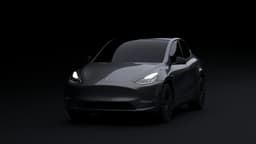
Tesla Launches Limited-Time FSD Transfer Program
- FSD Transfer Program Overview: Tesla has launched a limited-time FSD transfer program allowing customers to order a new vehicle and transfer the Full Self-Driving feature from their existing vehicle by March 31, 2026, aimed at enhancing customer experience and boosting new vehicle sales.
- Eligibility Requirements: Customers must be the legal owners of the current FSD vehicle, with both vehicles under the same Tesla account, ensuring a smooth transfer process that enhances customer loyalty to the Tesla brand.
- Transfer Conditions: Vehicles eligible for transfer must not be under lease, used for commercial purposes, or have unresolved financial issues, ensuring compliance and safety during the transfer process while minimizing potential legal risks.
- Policy Update Context: This program follows Tesla's announcement that the free FSD transfer service will end in March, demonstrating the company's flexibility in adjusting policies to meet market demands and customer feedback.
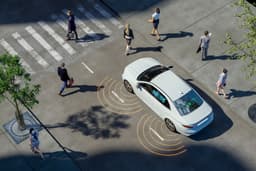
Uber's Self-Driving Revolution Presents Trillion-Dollar Opportunity

- Massive Market Potential: Uber reported gross bookings of $193.4 billion in 2025, with driver earnings at $85.4 billion, highlighting the company's vast scale in global mobility and delivery markets, and the potential for significant profit enhancement through autonomous driving technology.
- Profitability Enhancement: After deducting driver costs, Uber's revenue for 2025 was $52 billion, with an adjusted non-GAAP profit of $5.2 billion, indicating that reducing driver expenses could substantially increase profit margins, positively impacting the company's financial performance.
- Strategic Tech Investments: Uber is collaborating with over 20 autonomous vehicle developers and plans to offer self-driving services in 15 cities by the end of 2026, demonstrating its strategic positioning and intent to lead in this emerging market.
- Attractive Valuation: With a price-to-sales ratio of 3.1 and a price-to-earnings ratio of 30.1, Uber appears undervalued compared to Tesla's 377 P/E ratio, making it an appealing option for long-term investors looking to capitalize on potential growth in the autonomous driving sector.

Uber Bets Big on the Future of Autonomous Driving
- Market Leadership: Uber operates the world's largest ride-hailing network with over 200 million monthly active users, and while it relies on 9.7 million drivers, it is actively transitioning to autonomous vehicles to reduce labor costs and enhance profitability.
- Revenue and Profit: In 2025, Uber reported gross bookings of $193.4 billion, with revenue of $52 billion after deducting driver payouts and other costs, resulting in an adjusted non-GAAP profit of $5.2 billion, indicating significant profit potential, especially with reduced driver expenses.
- Autonomous Driving Strategy: Uber plans to offer autonomous rides in 15 cities globally by the end of 2026, aiming to be the largest player in this space by 2029, with CEO Khosrowshahi stating that this shift could create a multitrillion-dollar market opportunity.
- Competition and Valuation: While competitors like Tesla may pose challenges, Uber's price-to-sales ratio of 3.1 and price-to-earnings ratio of 30.1 suggest it is undervalued, making it an attractive option for long-term investors looking to capitalize on the autonomous driving revolution.

Wall Street Insiders Quietly Buy Aerovironment Stock
- Investor Accumulation: John Overdeck's Two Sigma hedge fund acquired 27,327 shares of Aerovironment for $8.6 million, reflecting confidence in the company's growth potential amidst a competitive landscape.
- Large Transactions: Ray Dalio's Bridgewater Associates opened a new position by purchasing 11,349 shares for $3.6 million, indicating a rising interest from institutional investors in Aerovironment's stock.
- ARK Fund Involvement: Cathie Wood's ARK Space & Defense Innovation ETF and ARK Autonomous Technology & Robotics ETF invested $1.6 million and $3.9 million in Aerovironment shares respectively, further validating market recognition of the company's technology.
- Price Correction Opportunity: Following a government contract stop-work order, Aerovironment's stock has dropped over 30%, with some Wall Street insiders viewing this pullback as a buying opportunity, despite Motley Fool analysts not including it in their top investment stocks list.

Investor Confusion in AI Competition


- Investor Sentiment Shift: Following earnings calls from tech giants like Microsoft, Google, and Amazon, investor confusion about future directions led to Amazon losing over $300 billion in market cap, reflecting strong skepticism regarding its $200 billion AI investment plan.
- Capital Expenditure Comparison: Google announced an increase in capital expenditures to $175 billion to $185 billion, exceeding the expected $115 billion to $120 billion, indicating a proactive approach in AI despite challenges from slowing ad revenues.
- Changing Competitive Landscape: With Alphabet's ongoing investments and successes in AI, YouTube's user base has grown to 750 million, and Waymo's self-driving business is outpacing Tesla, suggesting a strengthening competitive advantage that may attract more investor interest.
- Mixed Market Reactions: Despite OpenAI and Anthropic's strong performance in AI, Microsoft's Copilot sales have been disappointing, highlighting investor concerns about its future growth and reflecting differing levels of confidence across companies.
Musk Merges SpaceX with xAI, Wealth Soars
- Merger Valuation Surge: Musk's merger of SpaceX with xAI creates a new entity valued at $1.25 trillion, boosting his net worth to approximately $845 billion, reflecting his ambitions in aerospace and AI sectors.
- Wealth Shift: Post-merger, Musk's ownership in the new entity is estimated at 43%, valued at over $530 billion, indicating a shift in his wealth focus from Tesla to SpaceX, which now constitutes nearly two-thirds of his wealth.
- Market Potential: The merger is seen as a strategic move to access larger capital markets, particularly as xAI's AI model development requires significant funding, potentially opening up greater business opportunities for Musk.
- Future Challenges: While Musk aims to become the world's first trillionaire, SpaceX needs to reach a valuation of approximately $1.6 trillion, facing regulatory scrutiny and ongoing investigations into xAI, which could impact his financial strategy.
Tesla Launches Limited-Time FSD Transfer Program
- FSD Transfer Program Overview: Tesla has launched a limited-time FSD transfer program allowing customers to order a new vehicle and transfer the Full Self-Driving feature from their existing vehicle by March 31, 2026, aimed at enhancing customer experience and boosting new vehicle sales.
- Eligibility Requirements: Customers must be the legal owners of the current FSD vehicle, with both vehicles under the same Tesla account, ensuring a smooth transfer process that enhances customer loyalty to the Tesla brand.
- Transfer Conditions: Vehicles eligible for transfer must not be under lease, used for commercial purposes, or have unresolved financial issues, ensuring compliance and safety during the transfer process while minimizing potential legal risks.
- Policy Update Context: This program follows Tesla's announcement that the free FSD transfer service will end in March, demonstrating the company's flexibility in adjusting policies to meet market demands and customer feedback.
Uber's Self-Driving Revolution Presents Trillion-Dollar Opportunity
- Massive Market Potential: Uber reported gross bookings of $193.4 billion in 2025, with driver earnings at $85.4 billion, highlighting the company's vast scale in global mobility and delivery markets, and the potential for significant profit enhancement through autonomous driving technology.
- Profitability Enhancement: After deducting driver costs, Uber's revenue for 2025 was $52 billion, with an adjusted non-GAAP profit of $5.2 billion, indicating that reducing driver expenses could substantially increase profit margins, positively impacting the company's financial performance.
- Strategic Tech Investments: Uber is collaborating with over 20 autonomous vehicle developers and plans to offer self-driving services in 15 cities by the end of 2026, demonstrating its strategic positioning and intent to lead in this emerging market.
- Attractive Valuation: With a price-to-sales ratio of 3.1 and a price-to-earnings ratio of 30.1, Uber appears undervalued compared to Tesla's 377 P/E ratio, making it an appealing option for long-term investors looking to capitalize on potential growth in the autonomous driving sector.
Uber Bets Big on the Future of Autonomous Driving
- Market Leadership: Uber operates the world's largest ride-hailing network with over 200 million monthly active users, and while it relies on 9.7 million drivers, it is actively transitioning to autonomous vehicles to reduce labor costs and enhance profitability.
- Revenue and Profit: In 2025, Uber reported gross bookings of $193.4 billion, with revenue of $52 billion after deducting driver payouts and other costs, resulting in an adjusted non-GAAP profit of $5.2 billion, indicating significant profit potential, especially with reduced driver expenses.
- Autonomous Driving Strategy: Uber plans to offer autonomous rides in 15 cities globally by the end of 2026, aiming to be the largest player in this space by 2029, with CEO Khosrowshahi stating that this shift could create a multitrillion-dollar market opportunity.
- Competition and Valuation: While competitors like Tesla may pose challenges, Uber's price-to-sales ratio of 3.1 and price-to-earnings ratio of 30.1 suggest it is undervalued, making it an attractive option for long-term investors looking to capitalize on the autonomous driving revolution.
Wall Street Insiders Quietly Buy Aerovironment Stock
- Investor Accumulation: John Overdeck's Two Sigma hedge fund acquired 27,327 shares of Aerovironment for $8.6 million, reflecting confidence in the company's growth potential amidst a competitive landscape.
- Large Transactions: Ray Dalio's Bridgewater Associates opened a new position by purchasing 11,349 shares for $3.6 million, indicating a rising interest from institutional investors in Aerovironment's stock.
- ARK Fund Involvement: Cathie Wood's ARK Space & Defense Innovation ETF and ARK Autonomous Technology & Robotics ETF invested $1.6 million and $3.9 million in Aerovironment shares respectively, further validating market recognition of the company's technology.
- Price Correction Opportunity: Following a government contract stop-work order, Aerovironment's stock has dropped over 30%, with some Wall Street insiders viewing this pullback as a buying opportunity, despite Motley Fool analysts not including it in their top investment stocks list.
Investor Confusion in AI Competition
- Investor Sentiment Shift: Following earnings calls from tech giants like Microsoft, Google, and Amazon, investor confusion about future directions led to Amazon losing over $300 billion in market cap, reflecting strong skepticism regarding its $200 billion AI investment plan.
- Capital Expenditure Comparison: Google announced an increase in capital expenditures to $175 billion to $185 billion, exceeding the expected $115 billion to $120 billion, indicating a proactive approach in AI despite challenges from slowing ad revenues.
- Changing Competitive Landscape: With Alphabet's ongoing investments and successes in AI, YouTube's user base has grown to 750 million, and Waymo's self-driving business is outpacing Tesla, suggesting a strengthening competitive advantage that may attract more investor interest.
- Mixed Market Reactions: Despite OpenAI and Anthropic's strong performance in AI, Microsoft's Copilot sales have been disappointing, highlighting investor concerns about its future growth and reflecting differing levels of confidence across companies.