2016 Nostalgia Sparks Retail Revival Potential
Written by Emily J. Thompson, Senior Investment Analyst
Updated: 23h ago
0mins
Should l Buy KO?
Source: CNBC
- Social Media Surge: Since January 1, user-generated '2016' playlists on Spotify have surged by 790%, indicating a strong nostalgic sentiment among young consumers that could drive sales for brands associated with that era.
- Return to Brick-and-Mortar: Young consumers are rediscovering the joy of in-store shopping, reflecting a longing for the carefree atmosphere of 2016, which may lead to improved performance for retailers.
- Brand Opportunities: Brands like Abercrombie & Fitch could leverage this nostalgia wave to reshape their image, particularly if they successfully distance themselves from past controversies, potentially attracting more young consumers.
- Market Outlook: Retail trends typically last about 18 months, and this nostalgia cycle is expected to persist through the midterm elections this year, possibly extending into next year, providing long-term market opportunities for related brands.
Trade with 70% Backtested Accuracy
Stop guessing "Should I Buy KO?" and start using high-conviction signals backed by rigorous historical data.
Sign up today to access powerful investing tools and make smarter, data-driven decisions.
Analyst Views on KO
Wall Street analysts forecast KO stock price to rise over the next 12 months. According to Wall Street analysts, the average 1-year price target for KO is 79.33 USD with a low forecast of 71.00 USD and a high forecast of 85.00 USD. However, analyst price targets are subjective and often lag stock prices, so investors should focus on the objective reasons behind analyst rating changes, which better reflect the company's fundamentals.
14 Analyst Rating
13 Buy
1 Hold
0 Sell
Strong Buy
Current: 78.510

Low
71.00
Averages
79.33
High
85.00
Current: 78.510
Low
71.00
Averages
79.33
High
85.00
About KO
The Coca-Cola Company is a beverage company. The Company's segments include Europe, Middle East and Africa; Latin America; North America; Asia Pacific; Global Ventures; and Bottling Investments. It sells multiple brands across several beverage categories worldwide. Its portfolio of sparkling soft drink brands includes Coca-Cola, Sprite and Fanta. Its water, sports, coffee and tea brands include Dasani, smartwater, vitaminwater, Topo Chico, BODYARMOR, Powerade, Costa, Georgia, Fuze Tea, Gold Peak and Ayataka. Its juice, value-added dairy and plant-based beverage brands include Minute Maid, Simply, innocent, Del Valle, fairlife and AdeS. It operates in two lines of business: concentrate operations and finished product operations. Its concentrate operations sell beverage concentrates, syrups, including fountain syrups, and certain finished beverages to authorized bottling operations. Its finished product operations sell sparkling soft drinks and a variety of other finished beverages.
About the author

Emily J. Thompson
Emily J. Thompson, a Chartered Financial Analyst (CFA) with 12 years in investment research, graduated with honors from the Wharton School. Specializing in industrial and technology stocks, she provides in-depth analysis for Intellectia’s earnings and market brief reports.

Coca-Cola Rises for Seven Days, IPO Plans Draw Attention

- Strong Stock Performance: Coca-Cola (NYSE:KO) closed 0.80% higher at $79.14 on Friday, marking its seventh consecutive day of gains, demonstrating relative strength amid broader market declines, particularly as the S&P 500 fell 2.58% during the same period.
- IPO Plans Attract Attention: The company is exploring an initial public offering for its Indian bottling unit, Hindustan Coca-Cola Beverages, targeting proceeds of about $1 billion and a valuation nearing $10 billion, which is seen as a strategic move to unlock value from its bottling operations.
- Divergent Analyst Ratings: According to Seeking Alpha's Quant rating, Coca-Cola holds a 'Hold' rating with a score of 3.29, indicating strong profitability but pressures on growth and valuation, while Wall Street analysts generally rate the stock as a Buy, with 19 analysts giving it a Buy or higher rating.
- Cautious Market Outlook: Despite Coca-Cola's resilient business model, Agar Capital maintains a Buy rating with a $90 price target, highlighting risks such as a strong dollar, pressure on low-income consumers, and an upcoming CEO transition that could impact future performance.
See More

Earnings Season Approaches with Key Company Reports Ahead

- Earnings Season Dynamics: The upcoming earnings season will encompass multiple sectors including autos, consumer staples, and technology, with significant market impact expected, particularly from companies like Ford, Coca-Cola, and Cisco.
- Ford's Earnings Outlook: Ford anticipates a ~51% year-over-year decline in Q4 EPS, despite a 6% increase in U.S. vehicle sales and a rise in market share to 13.2%, indicating strong performance in core trucks and hybrid models.
- Cisco's Growth Prospects: Cisco is expected to report over 8% year-over-year growth in both revenue and earnings for Q2, driven by improving demand in core networking and early traction in AI-related infrastructure, with analysts generally maintaining a Buy rating, reflecting confidence in future growth.
- Moderna's Vaccine Development: Moderna is projected to see a ~65% year-over-year decline in Q4 revenue, yet encouraging long-term data from its cancer vaccine program suggests significant commercialization potential in the future, despite ongoing profitability and cash flow challenges.
See More
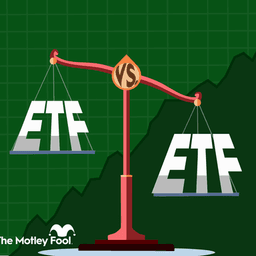
Comparison of Consumer Staples ETFs: XLP vs IYK
- Cost Comparison: State Street's XLP offers a significantly lower expense ratio of 0.08% compared to iShares' IYK at 0.38%, which means that for the same returns, XLP can provide higher net returns for long-term cost-conscious investors.
- Portfolio Composition: XLP focuses exclusively on 36 consumer staples stocks without including healthcare or basic materials, while IYK holds 54 stocks, with 85% in consumer defensive and 11% in healthcare, indicating that IYK's diversified strategy may appeal to investors seeking broader exposure.
- Returns and Risks: Over the past year, XLP delivered a return of 9.9% compared to IYK's 11.3%, and while IYK's returns are slightly higher, XLP's maximum drawdown of 16.31% indicates a higher risk profile during market volatility.
- Market Performance: XLP's top holdings include Walmart and Costco, providing a strong retail foundation, whereas IYK leans more towards product manufacturers, offering investors a defensive investment option in healthcare despite its higher fees.
See More

2016 Nostalgia Sparks Retail Revival Potential
- Social Media Surge: Since January 1, user-generated '2016' playlists on Spotify have surged by 790%, indicating a strong nostalgic sentiment among young consumers that could drive sales for brands associated with that era.
- Return to Brick-and-Mortar: Young consumers are rediscovering the joy of in-store shopping, reflecting a longing for the carefree atmosphere of 2016, which may lead to improved performance for retailers.
- Brand Opportunities: Brands like Abercrombie & Fitch could leverage this nostalgia wave to reshape their image, particularly if they successfully distance themselves from past controversies, potentially attracting more young consumers.
- Market Outlook: Retail trends typically last about 18 months, and this nostalgia cycle is expected to persist through the midterm elections this year, possibly extending into next year, providing long-term market opportunities for related brands.
See More

Gen Z's Nostalgia for 2016 and Its Impact on Retail

- Nostalgia Trend Emergence: Gen Z's nostalgia for 2016 has rapidly spread across social media, with Spotify user-generated '2016' playlists soaring by 790% since January 1, indicating a strong yearning for the cultural elements of that time, potentially driving a revival for related brands.
- Return to Brick-and-Mortar: Young consumers are rediscovering the appeal of in-store shopping after years dominated by e-commerce, reflecting a longing for the carefree and familiar comfort of 2016, which could stimulate a retail resurgence.
- Brand Opportunities Arise: Brands like Abercrombie & Fitch and Levi Strauss, which held significant cultural relevance in 2016, may leverage this nostalgia wave to regain market traction, especially as consumers show renewed interest in classic styles.
- Market Strategy Adjustments: As nostalgia rises, brands must adjust their market strategies to align with Gen Z's desire for authenticity and less intentionality, with successful brands likely to harness this emotional connection to reshape their cultural relevance.
See More

Coca-Cola and Philip Morris: Dividend Investment Value
- Importance of Dividends: According to S&P Global, dividends have accounted for 31% of total stock market returns since 1926, highlighting their crucial role in long-term investing, allowing investors to focus on fundamentals while ignoring stock price fluctuations.
- Coca-Cola's Stability: As a blue-chip stock, Coca-Cola continues to deliver dividends with a third-quarter revenue growth of 5% year-over-year to $12.5 billion, demonstrating its strong resilience and profitability amid economic fluctuations.
- Philip Morris' Transformation: Philip Morris has pivoted to smoke-free products, which now account for 41% of its sales across 100 global markets, significantly expanding its distribution network following the $16 billion acquisition of Swedish Match in 2022, enhancing its competitive edge.
- Dividend Yield Comparison: Coca-Cola offers a dividend yield of 2.71%, while Philip Morris boasts a yield of 3.3%, both exceeding the S&P 500 average of 1.14%, showcasing their strong capabilities in returning value to investors.
See More
Coca-Cola Rises for Seven Days, IPO Plans Draw Attention
- Strong Stock Performance: Coca-Cola (NYSE:KO) closed 0.80% higher at $79.14 on Friday, marking its seventh consecutive day of gains, demonstrating relative strength amid broader market declines, particularly as the S&P 500 fell 2.58% during the same period.
- IPO Plans Attract Attention: The company is exploring an initial public offering for its Indian bottling unit, Hindustan Coca-Cola Beverages, targeting proceeds of about $1 billion and a valuation nearing $10 billion, which is seen as a strategic move to unlock value from its bottling operations.
- Divergent Analyst Ratings: According to Seeking Alpha's Quant rating, Coca-Cola holds a 'Hold' rating with a score of 3.29, indicating strong profitability but pressures on growth and valuation, while Wall Street analysts generally rate the stock as a Buy, with 19 analysts giving it a Buy or higher rating.
- Cautious Market Outlook: Despite Coca-Cola's resilient business model, Agar Capital maintains a Buy rating with a $90 price target, highlighting risks such as a strong dollar, pressure on low-income consumers, and an upcoming CEO transition that could impact future performance.
See More
Earnings Season Approaches with Key Company Reports Ahead
- Earnings Season Dynamics: The upcoming earnings season will encompass multiple sectors including autos, consumer staples, and technology, with significant market impact expected, particularly from companies like Ford, Coca-Cola, and Cisco.
- Ford's Earnings Outlook: Ford anticipates a ~51% year-over-year decline in Q4 EPS, despite a 6% increase in U.S. vehicle sales and a rise in market share to 13.2%, indicating strong performance in core trucks and hybrid models.
- Cisco's Growth Prospects: Cisco is expected to report over 8% year-over-year growth in both revenue and earnings for Q2, driven by improving demand in core networking and early traction in AI-related infrastructure, with analysts generally maintaining a Buy rating, reflecting confidence in future growth.
- Moderna's Vaccine Development: Moderna is projected to see a ~65% year-over-year decline in Q4 revenue, yet encouraging long-term data from its cancer vaccine program suggests significant commercialization potential in the future, despite ongoing profitability and cash flow challenges.
See More
Comparison of Consumer Staples ETFs: XLP vs IYK
- Cost Comparison: State Street's XLP offers a significantly lower expense ratio of 0.08% compared to iShares' IYK at 0.38%, which means that for the same returns, XLP can provide higher net returns for long-term cost-conscious investors.
- Portfolio Composition: XLP focuses exclusively on 36 consumer staples stocks without including healthcare or basic materials, while IYK holds 54 stocks, with 85% in consumer defensive and 11% in healthcare, indicating that IYK's diversified strategy may appeal to investors seeking broader exposure.
- Returns and Risks: Over the past year, XLP delivered a return of 9.9% compared to IYK's 11.3%, and while IYK's returns are slightly higher, XLP's maximum drawdown of 16.31% indicates a higher risk profile during market volatility.
- Market Performance: XLP's top holdings include Walmart and Costco, providing a strong retail foundation, whereas IYK leans more towards product manufacturers, offering investors a defensive investment option in healthcare despite its higher fees.
See More
2016 Nostalgia Sparks Retail Revival Potential
- Social Media Surge: Since January 1, user-generated '2016' playlists on Spotify have surged by 790%, indicating a strong nostalgic sentiment among young consumers that could drive sales for brands associated with that era.
- Return to Brick-and-Mortar: Young consumers are rediscovering the joy of in-store shopping, reflecting a longing for the carefree atmosphere of 2016, which may lead to improved performance for retailers.
- Brand Opportunities: Brands like Abercrombie & Fitch could leverage this nostalgia wave to reshape their image, particularly if they successfully distance themselves from past controversies, potentially attracting more young consumers.
- Market Outlook: Retail trends typically last about 18 months, and this nostalgia cycle is expected to persist through the midterm elections this year, possibly extending into next year, providing long-term market opportunities for related brands.
See More
Gen Z's Nostalgia for 2016 and Its Impact on Retail
- Nostalgia Trend Emergence: Gen Z's nostalgia for 2016 has rapidly spread across social media, with Spotify user-generated '2016' playlists soaring by 790% since January 1, indicating a strong yearning for the cultural elements of that time, potentially driving a revival for related brands.
- Return to Brick-and-Mortar: Young consumers are rediscovering the appeal of in-store shopping after years dominated by e-commerce, reflecting a longing for the carefree and familiar comfort of 2016, which could stimulate a retail resurgence.
- Brand Opportunities Arise: Brands like Abercrombie & Fitch and Levi Strauss, which held significant cultural relevance in 2016, may leverage this nostalgia wave to regain market traction, especially as consumers show renewed interest in classic styles.
- Market Strategy Adjustments: As nostalgia rises, brands must adjust their market strategies to align with Gen Z's desire for authenticity and less intentionality, with successful brands likely to harness this emotional connection to reshape their cultural relevance.
See More
Coca-Cola and Philip Morris: Dividend Investment Value
- Importance of Dividends: According to S&P Global, dividends have accounted for 31% of total stock market returns since 1926, highlighting their crucial role in long-term investing, allowing investors to focus on fundamentals while ignoring stock price fluctuations.
- Coca-Cola's Stability: As a blue-chip stock, Coca-Cola continues to deliver dividends with a third-quarter revenue growth of 5% year-over-year to $12.5 billion, demonstrating its strong resilience and profitability amid economic fluctuations.
- Philip Morris' Transformation: Philip Morris has pivoted to smoke-free products, which now account for 41% of its sales across 100 global markets, significantly expanding its distribution network following the $16 billion acquisition of Swedish Match in 2022, enhancing its competitive edge.
- Dividend Yield Comparison: Coca-Cola offers a dividend yield of 2.71%, while Philip Morris boasts a yield of 3.3%, both exceeding the S&P 500 average of 1.14%, showcasing their strong capabilities in returning value to investors.
See More