Tesla's Capital Spending Plans Amid EV Market Challenges

Tesla Inc's stock fell 3.00% and hit a 20-day low amid broader market weakness, with the Nasdaq-100 down 1.22% and the S&P 500 down 0.23%.
The decline in Tesla's stock comes as the company plans to more than double its capital spending to over $20 billion in 2026, focusing on autonomous driving and humanoid robot ventures. This strategic pivot follows a significant drop in EV sales, which has led to uncertainty in the market, particularly affecting traditional automakers. Despite the challenges, Tesla's strong financial position with over $44 billion in cash allows it to pursue these ambitious plans.
Investors are closely watching how Tesla navigates these market challenges while investing heavily in future technologies. The company's ability to adapt to the changing landscape of the automotive industry will be crucial for its long-term growth.
Trade with 70% Backtested Accuracy
Analyst Views on TSLA

About TSLA
About the author


Musk Merges SpaceX with xAI, Wealth Soars
- Merger Valuation Surge: Musk's merger of SpaceX with xAI creates a new entity valued at $1.25 trillion, boosting his net worth to approximately $845 billion, reflecting his ambitions in aerospace and AI sectors.
- Wealth Shift: Post-merger, Musk's ownership in the new entity is estimated at 43%, valued at over $530 billion, indicating a shift in his wealth focus from Tesla to SpaceX, which now constitutes nearly two-thirds of his wealth.
- Market Potential: The merger is seen as a strategic move to access larger capital markets, particularly as xAI's AI model development requires significant funding, potentially opening up greater business opportunities for Musk.
- Future Challenges: While Musk aims to become the world's first trillionaire, SpaceX needs to reach a valuation of approximately $1.6 trillion, facing regulatory scrutiny and ongoing investigations into xAI, which could impact his financial strategy.
Tesla Launches Limited-Time FSD Transfer Program
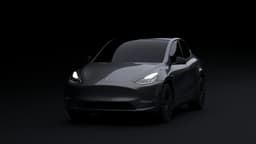
- FSD Transfer Program Overview: Tesla has launched a limited-time FSD transfer program allowing customers to order a new vehicle and transfer the Full Self-Driving feature from their existing vehicle by March 31, 2026, aimed at enhancing customer experience and boosting new vehicle sales.
- Eligibility Requirements: Customers must be the legal owners of the current FSD vehicle, with both vehicles under the same Tesla account, ensuring a smooth transfer process that enhances customer loyalty to the Tesla brand.
- Transfer Conditions: Vehicles eligible for transfer must not be under lease, used for commercial purposes, or have unresolved financial issues, ensuring compliance and safety during the transfer process while minimizing potential legal risks.
- Policy Update Context: This program follows Tesla's announcement that the free FSD transfer service will end in March, demonstrating the company's flexibility in adjusting policies to meet market demands and customer feedback.
Tesla Increases Production Scale for Semi Truck

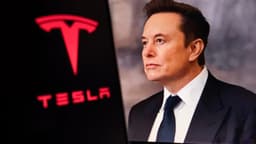
- New Model Launch: Tesla announced the Semi truck will be available in Standard and Long Range trims, with the Standard trim offering a range of 325 miles and an energy consumption of 1.7 kWh per mile, showcasing its competitiveness in the electric heavy-duty truck market.
- Production Scale Increase: CEO Elon Musk confirmed that Tesla will ramp up Semi truck production this year, marking a strategic expansion in the electric truck sector and expected to meet the growing market demand.
- First Delivery: Tesla has delivered the first Semi truck to German logistics company DHL, which operates the vehicle in California, traveling 100 miles per day and requiring weekly charging, indicating its feasibility and efficiency in real-world operations.
- Stock Performance: Tesla's stock surged 3.50% to $411.11 at market close on Friday, further gaining 0.66% to $413.83 during the overnight session, reflecting positive market expectations regarding the Semi truck's prospects.

Elon Musk Returns as Major Republican Donor Ahead of 2026 Elections
- Significant Donations: Elon Musk has re-emerged as a major Republican donor ahead of the 2026 midterm elections, contributing at least $20 million to super PACs aligned with House and Senate GOP leadership, demonstrating his strong support for the party.
- Revived Trump Support: As the largest donor of the 2024 election cycle, Musk spent approximately $250 million supporting Trump and other Republicans, and recent donations suggest a stabilization of his relationship with Trump, which could impact the political landscape of upcoming elections.
- Engagement in Voting Debate: Musk recently entered the U.S. voting debate, warning that democracy is at risk if Congress does not enforce stricter proof-of-citizenship rules, a stance that may further enhance his influence within the Republican Party.
- Increased Political Complexity: While Musk's financial contributions are crucial for the GOP, his status as a politically polarizing figure may create a complicated political situation for the party, potentially affecting their election strategies and public image.

Tesla Adjusts FSD Trade-In Valuation Policy
- FSD Impact on Trade Valuation: Tesla has announced that it will consider whether vehicles are running the FSD service to estimate trade-in values for all Model S, X, and Cybertruck vehicles, particularly those with the Luxe package, indicating the company's emphasis on the value of FSD.
- Updated FSD Transfer Terms: The automaker has updated its FSD transfer terms, stating that FSD software will impact trade-in values for Model S and X vehicles from the 2026 model year, reflecting efforts to enhance customer experience and value perception.
- Production Line Shift: CEO Elon Musk revealed that production of Model S and X will end by the quarter's close, with the Fremont facility shifting focus to Optimus production, indicating a strategic pivot that could affect future product lines and market positioning.
- Positive Market Reaction: Tesla's stock surged 3.50% to $411.11 at market close on Friday, further gaining 0.66% in after-hours trading, reflecting investor optimism regarding the company's new policies and potentially boosting market confidence.

SpaceX Shifts Focus to Moon City Construction
- Moon City Priority: Musk announced that SpaceX will prioritize the construction of a Moon city, expected to be completed in less than 10 years, while a Mars city would take over 20 years, indicating a strategic shift in the company's space exploration focus.
- Mars City Plans: Despite the Moon city being the current focus, Musk plans to start building a Mars city in 5 to 7 years, demonstrating SpaceX's long-term commitment to multi-planetary civilization.
- Enhanced Transport Capacity: SpaceX aims to launch over 10 rockets daily to maximize transfer windows that open every 26 months, with several thousand Starships anticipated to transport crew and equipment to Mars, enhancing its presence in space.
- AI Technology Integration: SpaceX's acquisition of Musk's AI startup xAI aims to accelerate the development of “space-based artificial intelligence” to meet the electricity demands of AI applications, showcasing the company's forward-thinking approach to technological innovation.
Musk Merges SpaceX with xAI, Wealth Soars
- Merger Valuation Surge: Musk's merger of SpaceX with xAI creates a new entity valued at $1.25 trillion, boosting his net worth to approximately $845 billion, reflecting his ambitions in aerospace and AI sectors.
- Wealth Shift: Post-merger, Musk's ownership in the new entity is estimated at 43%, valued at over $530 billion, indicating a shift in his wealth focus from Tesla to SpaceX, which now constitutes nearly two-thirds of his wealth.
- Market Potential: The merger is seen as a strategic move to access larger capital markets, particularly as xAI's AI model development requires significant funding, potentially opening up greater business opportunities for Musk.
- Future Challenges: While Musk aims to become the world's first trillionaire, SpaceX needs to reach a valuation of approximately $1.6 trillion, facing regulatory scrutiny and ongoing investigations into xAI, which could impact his financial strategy.
Tesla Launches Limited-Time FSD Transfer Program
- FSD Transfer Program Overview: Tesla has launched a limited-time FSD transfer program allowing customers to order a new vehicle and transfer the Full Self-Driving feature from their existing vehicle by March 31, 2026, aimed at enhancing customer experience and boosting new vehicle sales.
- Eligibility Requirements: Customers must be the legal owners of the current FSD vehicle, with both vehicles under the same Tesla account, ensuring a smooth transfer process that enhances customer loyalty to the Tesla brand.
- Transfer Conditions: Vehicles eligible for transfer must not be under lease, used for commercial purposes, or have unresolved financial issues, ensuring compliance and safety during the transfer process while minimizing potential legal risks.
- Policy Update Context: This program follows Tesla's announcement that the free FSD transfer service will end in March, demonstrating the company's flexibility in adjusting policies to meet market demands and customer feedback.
Tesla Increases Production Scale for Semi Truck
- New Model Launch: Tesla announced the Semi truck will be available in Standard and Long Range trims, with the Standard trim offering a range of 325 miles and an energy consumption of 1.7 kWh per mile, showcasing its competitiveness in the electric heavy-duty truck market.
- Production Scale Increase: CEO Elon Musk confirmed that Tesla will ramp up Semi truck production this year, marking a strategic expansion in the electric truck sector and expected to meet the growing market demand.
- First Delivery: Tesla has delivered the first Semi truck to German logistics company DHL, which operates the vehicle in California, traveling 100 miles per day and requiring weekly charging, indicating its feasibility and efficiency in real-world operations.
- Stock Performance: Tesla's stock surged 3.50% to $411.11 at market close on Friday, further gaining 0.66% to $413.83 during the overnight session, reflecting positive market expectations regarding the Semi truck's prospects.
Elon Musk Returns as Major Republican Donor Ahead of 2026 Elections
- Significant Donations: Elon Musk has re-emerged as a major Republican donor ahead of the 2026 midterm elections, contributing at least $20 million to super PACs aligned with House and Senate GOP leadership, demonstrating his strong support for the party.
- Revived Trump Support: As the largest donor of the 2024 election cycle, Musk spent approximately $250 million supporting Trump and other Republicans, and recent donations suggest a stabilization of his relationship with Trump, which could impact the political landscape of upcoming elections.
- Engagement in Voting Debate: Musk recently entered the U.S. voting debate, warning that democracy is at risk if Congress does not enforce stricter proof-of-citizenship rules, a stance that may further enhance his influence within the Republican Party.
- Increased Political Complexity: While Musk's financial contributions are crucial for the GOP, his status as a politically polarizing figure may create a complicated political situation for the party, potentially affecting their election strategies and public image.
Tesla Adjusts FSD Trade-In Valuation Policy
- FSD Impact on Trade Valuation: Tesla has announced that it will consider whether vehicles are running the FSD service to estimate trade-in values for all Model S, X, and Cybertruck vehicles, particularly those with the Luxe package, indicating the company's emphasis on the value of FSD.
- Updated FSD Transfer Terms: The automaker has updated its FSD transfer terms, stating that FSD software will impact trade-in values for Model S and X vehicles from the 2026 model year, reflecting efforts to enhance customer experience and value perception.
- Production Line Shift: CEO Elon Musk revealed that production of Model S and X will end by the quarter's close, with the Fremont facility shifting focus to Optimus production, indicating a strategic pivot that could affect future product lines and market positioning.
- Positive Market Reaction: Tesla's stock surged 3.50% to $411.11 at market close on Friday, further gaining 0.66% in after-hours trading, reflecting investor optimism regarding the company's new policies and potentially boosting market confidence.
SpaceX Shifts Focus to Moon City Construction
- Moon City Priority: Musk announced that SpaceX will prioritize the construction of a Moon city, expected to be completed in less than 10 years, while a Mars city would take over 20 years, indicating a strategic shift in the company's space exploration focus.
- Mars City Plans: Despite the Moon city being the current focus, Musk plans to start building a Mars city in 5 to 7 years, demonstrating SpaceX's long-term commitment to multi-planetary civilization.
- Enhanced Transport Capacity: SpaceX aims to launch over 10 rockets daily to maximize transfer windows that open every 26 months, with several thousand Starships anticipated to transport crew and equipment to Mars, enhancing its presence in space.
- AI Technology Integration: SpaceX's acquisition of Musk's AI startup xAI aims to accelerate the development of “space-based artificial intelligence” to meet the electricity demands of AI applications, showcasing the company's forward-thinking approach to technological innovation.