Tesla Plans Major Capital Increase Amid Declining Deliveries

Tesla's stock fell 3.28% as it hit a 20-day low, reflecting broader market weakness with the Nasdaq-100 down 2.02% and S&P 500 down 1.28%.
The company plans to more than double its capital spending to over $20 billion by 2026, focusing on autonomous driving and humanoid robots, while ceasing production of the Model X and Model S. This strategic pivot comes amid a reported 16% decline in vehicle deliveries for Q4 2025, raising concerns about its core business performance and market competitiveness.
Despite these challenges, Tesla's significant cash reserves of over $44 billion position it well for future investments. The shift towards emerging technologies indicates a long-term vision, but the immediate impact of declining deliveries could weigh on investor sentiment.
Trade with 70% Backtested Accuracy
Analyst Views on TSLA

About TSLA
About the author


Musk Merges SpaceX with xAI, Wealth Soars
- Merger Valuation Surge: Musk's merger of SpaceX with xAI creates a new entity valued at $1.25 trillion, boosting his net worth to approximately $845 billion, reflecting his ambitions in aerospace and AI sectors.
- Wealth Shift: Post-merger, Musk's ownership in the new entity is estimated at 43%, valued at over $530 billion, indicating a shift in his wealth focus from Tesla to SpaceX, which now constitutes nearly two-thirds of his wealth.
- Market Potential: The merger is seen as a strategic move to access larger capital markets, particularly as xAI's AI model development requires significant funding, potentially opening up greater business opportunities for Musk.
- Future Challenges: While Musk aims to become the world's first trillionaire, SpaceX needs to reach a valuation of approximately $1.6 trillion, facing regulatory scrutiny and ongoing investigations into xAI, which could impact his financial strategy.
Tesla Launches Limited-Time FSD Transfer Program
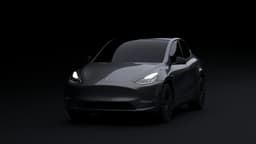
- FSD Transfer Program Overview: Tesla has launched a limited-time FSD transfer program allowing customers to order a new vehicle and transfer the Full Self-Driving feature from their existing vehicle by March 31, 2026, aimed at enhancing customer experience and boosting new vehicle sales.
- Eligibility Requirements: Customers must be the legal owners of the current FSD vehicle, with both vehicles under the same Tesla account, ensuring a smooth transfer process that enhances customer loyalty to the Tesla brand.
- Transfer Conditions: Vehicles eligible for transfer must not be under lease, used for commercial purposes, or have unresolved financial issues, ensuring compliance and safety during the transfer process while minimizing potential legal risks.
- Policy Update Context: This program follows Tesla's announcement that the free FSD transfer service will end in March, demonstrating the company's flexibility in adjusting policies to meet market demands and customer feedback.

SpaceX Shifts Focus to Moon City Construction
- Moon City Priority: Musk announced that SpaceX will prioritize the construction of a Moon city, expected to be completed in less than 10 years, while a Mars city would take over 20 years, indicating a strategic shift in the company's space exploration focus.
- Mars City Plans: Despite the Moon city being the current focus, Musk plans to start building a Mars city in 5 to 7 years, demonstrating SpaceX's long-term commitment to multi-planetary civilization.
- Enhanced Transport Capacity: SpaceX aims to launch over 10 rockets daily to maximize transfer windows that open every 26 months, with several thousand Starships anticipated to transport crew and equipment to Mars, enhancing its presence in space.
- AI Technology Integration: SpaceX's acquisition of Musk's AI startup xAI aims to accelerate the development of “space-based artificial intelligence” to meet the electricity demands of AI applications, showcasing the company's forward-thinking approach to technological innovation.

Japan's LDP Wins Election, Prime Minister Returns


- Election Outcome: Japan's ruling Liberal Democratic Party (LDP) secured a supermajority in the recent elections, allowing Prime Minister Sanae Takaichi to return to power, which indicates strong voter support for her administration.
- Economic Policy Initiatives: Takaichi's agenda includes increasing defense spending and suspending certain food-related taxes, which is expected to stimulate economic growth and enhance consumer confidence, positively impacting Japan's economy.
- Market Reaction: Following the election results, Japanese stocks reached a record high, with the yen strengthening to 156.88 per dollar, reflecting renewed investor confidence in the government's future policies and economic direction.
- International Market Trends: U.S. markets also showed strong performance post-election, with major index futures rising, indicating global investor interest in tech stocks, particularly in the AI sector, further contributing to the overall market recovery.

Big Tech Loses Over $1 Trillion in Valuation
- Big Tech Valuation Loss: According to FactSet data, Big Tech has collectively lost over $1 trillion in valuation over the past week, with Amazon alone shedding more than $300 billion, indicating a significant decline in market confidence that may lead investors to reassess the future growth potential of the tech sector.
- US-India Trade Deal Framework: The U.S. and India released a framework for a trade deal, although India showed resistance to U.S. demands for opening its agricultural market to imports, while Trump removed a 25% tariff on India for purchasing Russian oil, which could impact trade relations and future economic cooperation between the two nations.
- Luckin Coffee's High-End Store Launch: China's Luckin Coffee opened its first high-end store in Shenzhen, marking a shift from its original budget coffee kiosk strategy to directly compete with Starbucks, a strategic move that could attract a more affluent consumer base and enhance brand image and market share.
- Dow Jones Surpasses 50,000: The Dow Jones Industrial Average closed above 50,000 for the first time on Friday, driven by a rebound in tech stocks, a milestone that not only reflects a strong market recovery but may also attract more investors to focus on the long-term growth potential of the U.S. stock market.

Uber's Self-Driving Revolution Presents Trillion-Dollar Opportunity

- Massive Market Potential: Uber reported gross bookings of $193.4 billion in 2025, with driver earnings at $85.4 billion, highlighting the company's vast scale in global mobility and delivery markets, and the potential for significant profit enhancement through autonomous driving technology.
- Profitability Enhancement: After deducting driver costs, Uber's revenue for 2025 was $52 billion, with an adjusted non-GAAP profit of $5.2 billion, indicating that reducing driver expenses could substantially increase profit margins, positively impacting the company's financial performance.
- Strategic Tech Investments: Uber is collaborating with over 20 autonomous vehicle developers and plans to offer self-driving services in 15 cities by the end of 2026, demonstrating its strategic positioning and intent to lead in this emerging market.
- Attractive Valuation: With a price-to-sales ratio of 3.1 and a price-to-earnings ratio of 30.1, Uber appears undervalued compared to Tesla's 377 P/E ratio, making it an appealing option for long-term investors looking to capitalize on potential growth in the autonomous driving sector.
Musk Merges SpaceX with xAI, Wealth Soars
- Merger Valuation Surge: Musk's merger of SpaceX with xAI creates a new entity valued at $1.25 trillion, boosting his net worth to approximately $845 billion, reflecting his ambitions in aerospace and AI sectors.
- Wealth Shift: Post-merger, Musk's ownership in the new entity is estimated at 43%, valued at over $530 billion, indicating a shift in his wealth focus from Tesla to SpaceX, which now constitutes nearly two-thirds of his wealth.
- Market Potential: The merger is seen as a strategic move to access larger capital markets, particularly as xAI's AI model development requires significant funding, potentially opening up greater business opportunities for Musk.
- Future Challenges: While Musk aims to become the world's first trillionaire, SpaceX needs to reach a valuation of approximately $1.6 trillion, facing regulatory scrutiny and ongoing investigations into xAI, which could impact his financial strategy.
Tesla Launches Limited-Time FSD Transfer Program
- FSD Transfer Program Overview: Tesla has launched a limited-time FSD transfer program allowing customers to order a new vehicle and transfer the Full Self-Driving feature from their existing vehicle by March 31, 2026, aimed at enhancing customer experience and boosting new vehicle sales.
- Eligibility Requirements: Customers must be the legal owners of the current FSD vehicle, with both vehicles under the same Tesla account, ensuring a smooth transfer process that enhances customer loyalty to the Tesla brand.
- Transfer Conditions: Vehicles eligible for transfer must not be under lease, used for commercial purposes, or have unresolved financial issues, ensuring compliance and safety during the transfer process while minimizing potential legal risks.
- Policy Update Context: This program follows Tesla's announcement that the free FSD transfer service will end in March, demonstrating the company's flexibility in adjusting policies to meet market demands and customer feedback.
SpaceX Shifts Focus to Moon City Construction
- Moon City Priority: Musk announced that SpaceX will prioritize the construction of a Moon city, expected to be completed in less than 10 years, while a Mars city would take over 20 years, indicating a strategic shift in the company's space exploration focus.
- Mars City Plans: Despite the Moon city being the current focus, Musk plans to start building a Mars city in 5 to 7 years, demonstrating SpaceX's long-term commitment to multi-planetary civilization.
- Enhanced Transport Capacity: SpaceX aims to launch over 10 rockets daily to maximize transfer windows that open every 26 months, with several thousand Starships anticipated to transport crew and equipment to Mars, enhancing its presence in space.
- AI Technology Integration: SpaceX's acquisition of Musk's AI startup xAI aims to accelerate the development of “space-based artificial intelligence” to meet the electricity demands of AI applications, showcasing the company's forward-thinking approach to technological innovation.
Japan's LDP Wins Election, Prime Minister Returns
- Election Outcome: Japan's ruling Liberal Democratic Party (LDP) secured a supermajority in the recent elections, allowing Prime Minister Sanae Takaichi to return to power, which indicates strong voter support for her administration.
- Economic Policy Initiatives: Takaichi's agenda includes increasing defense spending and suspending certain food-related taxes, which is expected to stimulate economic growth and enhance consumer confidence, positively impacting Japan's economy.
- Market Reaction: Following the election results, Japanese stocks reached a record high, with the yen strengthening to 156.88 per dollar, reflecting renewed investor confidence in the government's future policies and economic direction.
- International Market Trends: U.S. markets also showed strong performance post-election, with major index futures rising, indicating global investor interest in tech stocks, particularly in the AI sector, further contributing to the overall market recovery.
Big Tech Loses Over $1 Trillion in Valuation
- Big Tech Valuation Loss: According to FactSet data, Big Tech has collectively lost over $1 trillion in valuation over the past week, with Amazon alone shedding more than $300 billion, indicating a significant decline in market confidence that may lead investors to reassess the future growth potential of the tech sector.
- US-India Trade Deal Framework: The U.S. and India released a framework for a trade deal, although India showed resistance to U.S. demands for opening its agricultural market to imports, while Trump removed a 25% tariff on India for purchasing Russian oil, which could impact trade relations and future economic cooperation between the two nations.
- Luckin Coffee's High-End Store Launch: China's Luckin Coffee opened its first high-end store in Shenzhen, marking a shift from its original budget coffee kiosk strategy to directly compete with Starbucks, a strategic move that could attract a more affluent consumer base and enhance brand image and market share.
- Dow Jones Surpasses 50,000: The Dow Jones Industrial Average closed above 50,000 for the first time on Friday, driven by a rebound in tech stocks, a milestone that not only reflects a strong market recovery but may also attract more investors to focus on the long-term growth potential of the U.S. stock market.
Uber's Self-Driving Revolution Presents Trillion-Dollar Opportunity
- Massive Market Potential: Uber reported gross bookings of $193.4 billion in 2025, with driver earnings at $85.4 billion, highlighting the company's vast scale in global mobility and delivery markets, and the potential for significant profit enhancement through autonomous driving technology.
- Profitability Enhancement: After deducting driver costs, Uber's revenue for 2025 was $52 billion, with an adjusted non-GAAP profit of $5.2 billion, indicating that reducing driver expenses could substantially increase profit margins, positively impacting the company's financial performance.
- Strategic Tech Investments: Uber is collaborating with over 20 autonomous vehicle developers and plans to offer self-driving services in 15 cities by the end of 2026, demonstrating its strategic positioning and intent to lead in this emerging market.
- Attractive Valuation: With a price-to-sales ratio of 3.1 and a price-to-earnings ratio of 30.1, Uber appears undervalued compared to Tesla's 377 P/E ratio, making it an appealing option for long-term investors looking to capitalize on potential growth in the autonomous driving sector.