Tapestry Reports Strong Q2 Earnings, Raises FY26 Outlook

Tapestry Inc's stock rose by 6.22% as it crossed above the 20-day SMA, reflecting positive investor sentiment following its strong Q2 earnings report.
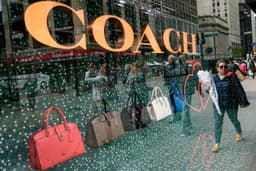
The company reported total sales of $2.5 billion for Q2, a 14% year-over-year increase that exceeded Wall Street expectations by $180 million, primarily driven by a 25% rise in Coach brand sales. Earnings per share hit $2.69, up 34% year-over-year and $0.46 above expectations, with adjusted operating margin expanding significantly. Additionally, Tapestry raised its FY26 earnings per share forecast to between $6.40 and $6.45, expecting revenue to exceed $7.75 billion, showcasing the company's confidence in future growth.
This strong performance not only highlights Tapestry's operational improvements but also positions the company favorably in the luxury goods market, potentially attracting more investors and enhancing its stock value.
Trade with 70% Backtested Accuracy
Analyst Views on TPR

About TPR
About the author

Tapestry's Q2 Performance Boosts FY26 Outlook Amid Strong Coach Sales
- Significant Sales Growth: Tapestry (TPR) exceeded Q2 EPS expectations, raising its FY26 outlook to $6.40-$6.45, reflecting strong brand performance with an 80% year-over-year increase.
- Strong Coach Brand Performance: Coach saw a 25% sales increase in Q2, contributing 14% to Tapestry's total sales, while attracting 2.9 million new customers, highlighting its popularity among Gen Z.
- Massive Market Potential: CEO Joanne Crevoiserat noted that Tapestry targets nearly 2 billion consumers, with 275 million at market entry, currently holding less than 1% market share, indicating substantial growth opportunities ahead.
- Growth Risks and Challenges: Despite Tapestry's recent success, analysts caution that tariffs and brand dilution may hinder future double-digit growth, particularly affecting Kate Spade, and emphasize the need to monitor risks from changing fashion cycles.

Top Performing Large-Cap Stocks Last Week


- Lumentum Earnings Beat: Lumentum Holdings Inc. surged 36.02% this week after reporting second-quarter results that exceeded expectations and providing third-quarter guidance above analyst estimates, thereby boosting investor confidence and significantly driving up the stock price.
- Transportation Stocks Rally: Saia, Inc. jumped 23.07% this week, benefiting from declining oil prices, which led to a strong performance across the transportation sector, indicating optimistic market expectations for transportation demand that could enhance future earnings.
- Westlake Stock Increase: Westlake Corporation saw a 19.27% rise in its stock price this week, reflecting positive market sentiment regarding its business outlook, particularly in the context of declining raw material costs that may improve profitability.
- Market Recovery: The strong performance of these stocks indicates a growing investor confidence in economic recovery, especially amid falling oil prices, which could further drive growth in related industries.

2016 Nostalgia Sparks Retail Revival Potential


- Social Media Surge: Since January 1, user-generated '2016' playlists on Spotify have surged by 790%, indicating a strong nostalgic sentiment among young consumers that could drive sales for brands associated with that era.
- Return to Brick-and-Mortar: Young consumers are rediscovering the joy of in-store shopping, reflecting a longing for the carefree atmosphere of 2016, which may lead to improved performance for retailers.
- Brand Opportunities: Brands like Abercrombie & Fitch could leverage this nostalgia wave to reshape their image, particularly if they successfully distance themselves from past controversies, potentially attracting more young consumers.
- Market Outlook: Retail trends typically last about 18 months, and this nostalgia cycle is expected to persist through the midterm elections this year, possibly extending into next year, providing long-term market opportunities for related brands.

Gen Z's Nostalgia for 2016 and Its Impact on Retail

- Nostalgia Trend Emergence: Gen Z's nostalgia for 2016 has rapidly spread across social media, with Spotify user-generated '2016' playlists soaring by 790% since January 1, indicating a strong yearning for the cultural elements of that time, potentially driving a revival for related brands.
- Return to Brick-and-Mortar: Young consumers are rediscovering the appeal of in-store shopping after years dominated by e-commerce, reflecting a longing for the carefree and familiar comfort of 2016, which could stimulate a retail resurgence.
- Brand Opportunities Arise: Brands like Abercrombie & Fitch and Levi Strauss, which held significant cultural relevance in 2016, may leverage this nostalgia wave to regain market traction, especially as consumers show renewed interest in classic styles.
- Market Strategy Adjustments: As nostalgia rises, brands must adjust their market strategies to align with Gen Z's desire for authenticity and less intentionality, with successful brands likely to harness this emotional connection to reshape their cultural relevance.

US Stocks Plunge as Tech Sector Leads Decline


- Tech Sector Decline: Qualcomm's (QCOM) forecast of weaker-than-expected Q2 revenue led to an over 8% drop in its stock, triggering a sell-off across the tech sector, with the Nasdaq 100 index hitting a 2.5-month low, indicating waning investor confidence in technology stocks.
- Weak Labor Market Signals: Challenger's report revealed a staggering 117.8% year-over-year increase in job cuts for January, totaling 108,435, the highest for January since 2009, while initial jobless claims rose by 22,000 to 231,000, highlighting vulnerabilities in the US labor market that could hinder economic recovery.
- Bitcoin Plunge: Bitcoin (^BTCUSD) plummeted over 12% to a 1.25-year low, reflecting deepening negative momentum in the cryptocurrency market, with approximately $2 billion flowing out of Bitcoin ETFs in the past month, signaling a decline in investor confidence.
- Earnings Season Impact: Despite 150 S&P 500 companies set to report earnings this week, market focus on economic data intensifies, with S&P 500 earnings expected to grow by 8.4% in Q4, yet overall market sentiment remains suppressed by recent economic weakness.

Stocks Shift to Negative Territory for the Year


- Market Performance: The S&P 500 index declined for the third consecutive day, dropping by 1.2%.
- Year-to-Date Status: This decline has pushed the index into negative territory for the year.
Tapestry's Q2 Performance Boosts FY26 Outlook Amid Strong Coach Sales
- Significant Sales Growth: Tapestry (TPR) exceeded Q2 EPS expectations, raising its FY26 outlook to $6.40-$6.45, reflecting strong brand performance with an 80% year-over-year increase.
- Strong Coach Brand Performance: Coach saw a 25% sales increase in Q2, contributing 14% to Tapestry's total sales, while attracting 2.9 million new customers, highlighting its popularity among Gen Z.
- Massive Market Potential: CEO Joanne Crevoiserat noted that Tapestry targets nearly 2 billion consumers, with 275 million at market entry, currently holding less than 1% market share, indicating substantial growth opportunities ahead.
- Growth Risks and Challenges: Despite Tapestry's recent success, analysts caution that tariffs and brand dilution may hinder future double-digit growth, particularly affecting Kate Spade, and emphasize the need to monitor risks from changing fashion cycles.
Top Performing Large-Cap Stocks Last Week
- Lumentum Earnings Beat: Lumentum Holdings Inc. surged 36.02% this week after reporting second-quarter results that exceeded expectations and providing third-quarter guidance above analyst estimates, thereby boosting investor confidence and significantly driving up the stock price.
- Transportation Stocks Rally: Saia, Inc. jumped 23.07% this week, benefiting from declining oil prices, which led to a strong performance across the transportation sector, indicating optimistic market expectations for transportation demand that could enhance future earnings.
- Westlake Stock Increase: Westlake Corporation saw a 19.27% rise in its stock price this week, reflecting positive market sentiment regarding its business outlook, particularly in the context of declining raw material costs that may improve profitability.
- Market Recovery: The strong performance of these stocks indicates a growing investor confidence in economic recovery, especially amid falling oil prices, which could further drive growth in related industries.
2016 Nostalgia Sparks Retail Revival Potential
- Social Media Surge: Since January 1, user-generated '2016' playlists on Spotify have surged by 790%, indicating a strong nostalgic sentiment among young consumers that could drive sales for brands associated with that era.
- Return to Brick-and-Mortar: Young consumers are rediscovering the joy of in-store shopping, reflecting a longing for the carefree atmosphere of 2016, which may lead to improved performance for retailers.
- Brand Opportunities: Brands like Abercrombie & Fitch could leverage this nostalgia wave to reshape their image, particularly if they successfully distance themselves from past controversies, potentially attracting more young consumers.
- Market Outlook: Retail trends typically last about 18 months, and this nostalgia cycle is expected to persist through the midterm elections this year, possibly extending into next year, providing long-term market opportunities for related brands.
Gen Z's Nostalgia for 2016 and Its Impact on Retail
- Nostalgia Trend Emergence: Gen Z's nostalgia for 2016 has rapidly spread across social media, with Spotify user-generated '2016' playlists soaring by 790% since January 1, indicating a strong yearning for the cultural elements of that time, potentially driving a revival for related brands.
- Return to Brick-and-Mortar: Young consumers are rediscovering the appeal of in-store shopping after years dominated by e-commerce, reflecting a longing for the carefree and familiar comfort of 2016, which could stimulate a retail resurgence.
- Brand Opportunities Arise: Brands like Abercrombie & Fitch and Levi Strauss, which held significant cultural relevance in 2016, may leverage this nostalgia wave to regain market traction, especially as consumers show renewed interest in classic styles.
- Market Strategy Adjustments: As nostalgia rises, brands must adjust their market strategies to align with Gen Z's desire for authenticity and less intentionality, with successful brands likely to harness this emotional connection to reshape their cultural relevance.
US Stocks Plunge as Tech Sector Leads Decline
- Tech Sector Decline: Qualcomm's (QCOM) forecast of weaker-than-expected Q2 revenue led to an over 8% drop in its stock, triggering a sell-off across the tech sector, with the Nasdaq 100 index hitting a 2.5-month low, indicating waning investor confidence in technology stocks.
- Weak Labor Market Signals: Challenger's report revealed a staggering 117.8% year-over-year increase in job cuts for January, totaling 108,435, the highest for January since 2009, while initial jobless claims rose by 22,000 to 231,000, highlighting vulnerabilities in the US labor market that could hinder economic recovery.
- Bitcoin Plunge: Bitcoin (^BTCUSD) plummeted over 12% to a 1.25-year low, reflecting deepening negative momentum in the cryptocurrency market, with approximately $2 billion flowing out of Bitcoin ETFs in the past month, signaling a decline in investor confidence.
- Earnings Season Impact: Despite 150 S&P 500 companies set to report earnings this week, market focus on economic data intensifies, with S&P 500 earnings expected to grow by 8.4% in Q4, yet overall market sentiment remains suppressed by recent economic weakness.
Stocks Shift to Negative Territory for the Year
- Market Performance: The S&P 500 index declined for the third consecutive day, dropping by 1.2%.
- Year-to-Date Status: This decline has pushed the index into negative territory for the year.