Energy stocks rise amid market recovery, but Petrobras hits a low

Petroleo Brasileiro SA Petrobras experienced a price decline of 3.04%, hitting a 20-day low. This movement occurred despite a slight uptick in the broader market, with the Nasdaq-100 up 0.06% and the S&P 500 remaining flat.
The decline in Petrobras shares can be attributed to sector rotation, as energy stocks broadly rose with the NYSE Energy Sector Index gaining 0.8%. This increase reflects optimistic sentiment regarding a recovery in energy demand, which has enhanced investor confidence in the sector. However, Petrobras's performance diverged from this trend, indicating a potential shift in investor focus or concerns specific to the company.
The implications of this price movement suggest that while the energy sector is experiencing a recovery, Petrobras may face unique challenges that are impacting its stock performance. Investors may need to reassess their positions in light of these developments.
Trade with 70% Backtested Accuracy
Analyst Views on PBR

About PBR
About the author

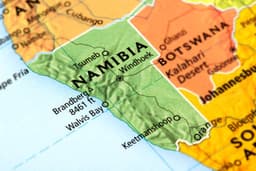
Namibia Government Rejects TTE and PBR Offshore License Transactions
- Legitimacy of Transactions: The Namibian government stated that the offshore license transactions by TotalEnergies and Petrobras will not be recognized until the formal approval process is completed, emphasizing that any unapproved transactions are invalid, which could expose the companies to legal risks.
- Equity Acquisition Details: TotalEnergies and Petrobras agreed to acquire a 42.5% interest in the PEL104 exploration license from Maravilla Oil and Gas and Eight Offshore Investments Holdings, but failed to notify the Namibian Ministry of Energy in advance, violating legal requirements.
- Regulatory Reform Context: The Namibian government is advancing plans for its first oil production while reshaping oversight of its energy sector, with recent amendments to petroleum legislation establishing a new upstream regulatory body and tightening conflict-of-interest rules and fiscal transparency.
- Approval Process Impact: TotalEnergies indicated that the deal remains subject to approval by Namibian authorities, and failure to meet all statutory requirements could hinder its oil and gas development plans in Southern Africa, delaying project progress.

TotalEnergies Acquires 42.5% Exploration License in Namibia
- Acquisition Agreement: TotalEnergies has signed agreements to acquire a 42.5% operated interest in the PEL104 exploration license from Eight Offshore Investments Holdings and Maravilla Oil & Gas, further solidifying its market position in Namibia.
- Block Size: The PEL104 block spans approximately 11,000 square kilometers, with TotalEnergies operating alongside Petrobras, which holds 42.5%, Namcor with 10%, and Eight retaining 5%, indicating a strategic collaboration in the region.
- Energy Strategy Expansion: This acquisition is part of TotalEnergies' broader strategy to expand its exploration and development capabilities in Namibia, following its previous acquisition of a 40% interest in the PEL83 license, reflecting its commitment to diversifying energy resources.
- Low-Carbon Project Exploration: In addition to exploration activities, TotalEnergies operates 43 service stations in Namibia, making it the fourth-largest fuel distributor in the country, while actively exploring opportunities for low-carbon projects, demonstrating its commitment to sustainable energy transformation.

TotalEnergies Acquires 42.5% Stake in Namibian Oil Exploration License
- Equity Acquisition: TotalEnergies and Petrobras jointly acquired a 42.5% stake each in an oil exploration license in Namibia, although financial terms were not disclosed, this move indicates a strategic partnership between the two companies in the African market.
- Development Plans: The license is located north of TotalEnergies' existing 150K bbl/day Venus development and the significant Mopane discovery, with plans to initiate exploration and appraisal activities for three wells in 2026, thereby enhancing the company's resource base in the region.
- Executive Meetings: TotalEnergies CEO Patrick Pouyanne met last week with Namibia's president and Galp's chairman to discuss next steps in developing oil and gas assets in the country, underscoring the company's commitment and future plans for the Namibian market.
- Market Strategy: Petrobras CEO Magda Chambriard previously stated that Africa would be the company's main development region outside Brazil, highlighting the importance of resource development potential in African countries, including Namibia.
Petrobras Reports Significant Increase in Proven Reserves to 12.1 Billion Barrels
- Reserve Growth: Petrobras estimates that its proven reserves of oil, condensate, and natural gas will rise to 12.1 billion barrels (84% oil) in 2025 from 11.4 billion barrels in 2024, reflecting outstanding asset performance, particularly in the Búzios, Tupi, Itapu, and Mero fields in the Santos Basin.
- Replacement Rate Improvement: The company achieved a reserve replacement rate of 175% in 2025 despite record annual production, demonstrating its exceptional resource management and development capabilities, which ensure future production stability.
- Contract Expansion: Petrobras has expanded and renewed oil sales contracts with Indian state-owned refiners, representing a sales potential of up to 60 million barrels, with a total value that may exceed $3.1 billion, providing a significant revenue stream for the company.
- Contract Duration: The sales contracts with Indian Oil Corp., Bharat Petroleum, and Hindustan Petroleum will remain effective until March 2027, further solidifying Petrobras's position in the international market and enhancing its long-term revenue potential.

Brazilian Equities Surge as Commodity Prices Rise
- Strong Market Performance: The iShares MSCI Brazil ETF (EWZ) has surged approximately 20% in early 2026, significantly outperforming the SPDR S&P 500 ETF (SPY), which gained only 3%, indicating a robust recovery in Brazilian equities and a resurgence of investor confidence.
- Technical Breakout Signal: The EWZ/SPY relative spread has broken above its long-term downtrend, signaling a potential technical breakout that could attract more capital into Brazilian equities, marking an end to decades of underperformance.
- Macro Analysis Support: Otavio Tavi Costa, CEO of Azuria Capital, noted that Brazil's largest energy company, Petroleo Brasileiro SA, is on the verge of a major breakout, indicating that the Brazilian market's rebound is closely tied to a larger shift in global markets, potentially signaling the start of a longer-term structural trend.
- Optimistic Industry Outlook: Analysts at 22V Research are bullish on Brazil's prospects, suggesting that sectors like materials, energy, and banks will benefit from a weaker dollar, driving capital inflows and creating strong market momentum.

Petrobras Reduces Gasoline Prices for Distributors by an Average of 5.2% in Brazil
Price Adjustment: Brazil's state-controlled oil company, Petrobras, has announced a 5.2% cut in gasoline prices for distributors.
Impact on Consumers: This price reduction is expected to influence fuel costs for consumers across the country.
Market Response: The decision may lead to changes in the competitive landscape among fuel distributors in Brazil.
Economic Context: The price cut comes amid ongoing discussions about energy prices and inflation in Brazil's economy.
Namibia Government Rejects TTE and PBR Offshore License Transactions
- Legitimacy of Transactions: The Namibian government stated that the offshore license transactions by TotalEnergies and Petrobras will not be recognized until the formal approval process is completed, emphasizing that any unapproved transactions are invalid, which could expose the companies to legal risks.
- Equity Acquisition Details: TotalEnergies and Petrobras agreed to acquire a 42.5% interest in the PEL104 exploration license from Maravilla Oil and Gas and Eight Offshore Investments Holdings, but failed to notify the Namibian Ministry of Energy in advance, violating legal requirements.
- Regulatory Reform Context: The Namibian government is advancing plans for its first oil production while reshaping oversight of its energy sector, with recent amendments to petroleum legislation establishing a new upstream regulatory body and tightening conflict-of-interest rules and fiscal transparency.
- Approval Process Impact: TotalEnergies indicated that the deal remains subject to approval by Namibian authorities, and failure to meet all statutory requirements could hinder its oil and gas development plans in Southern Africa, delaying project progress.
TotalEnergies Acquires 42.5% Exploration License in Namibia
- Acquisition Agreement: TotalEnergies has signed agreements to acquire a 42.5% operated interest in the PEL104 exploration license from Eight Offshore Investments Holdings and Maravilla Oil & Gas, further solidifying its market position in Namibia.
- Block Size: The PEL104 block spans approximately 11,000 square kilometers, with TotalEnergies operating alongside Petrobras, which holds 42.5%, Namcor with 10%, and Eight retaining 5%, indicating a strategic collaboration in the region.
- Energy Strategy Expansion: This acquisition is part of TotalEnergies' broader strategy to expand its exploration and development capabilities in Namibia, following its previous acquisition of a 40% interest in the PEL83 license, reflecting its commitment to diversifying energy resources.
- Low-Carbon Project Exploration: In addition to exploration activities, TotalEnergies operates 43 service stations in Namibia, making it the fourth-largest fuel distributor in the country, while actively exploring opportunities for low-carbon projects, demonstrating its commitment to sustainable energy transformation.
TotalEnergies Acquires 42.5% Stake in Namibian Oil Exploration License
- Equity Acquisition: TotalEnergies and Petrobras jointly acquired a 42.5% stake each in an oil exploration license in Namibia, although financial terms were not disclosed, this move indicates a strategic partnership between the two companies in the African market.
- Development Plans: The license is located north of TotalEnergies' existing 150K bbl/day Venus development and the significant Mopane discovery, with plans to initiate exploration and appraisal activities for three wells in 2026, thereby enhancing the company's resource base in the region.
- Executive Meetings: TotalEnergies CEO Patrick Pouyanne met last week with Namibia's president and Galp's chairman to discuss next steps in developing oil and gas assets in the country, underscoring the company's commitment and future plans for the Namibian market.
- Market Strategy: Petrobras CEO Magda Chambriard previously stated that Africa would be the company's main development region outside Brazil, highlighting the importance of resource development potential in African countries, including Namibia.
Petrobras Reports Significant Increase in Proven Reserves to 12.1 Billion Barrels
- Reserve Growth: Petrobras estimates that its proven reserves of oil, condensate, and natural gas will rise to 12.1 billion barrels (84% oil) in 2025 from 11.4 billion barrels in 2024, reflecting outstanding asset performance, particularly in the Búzios, Tupi, Itapu, and Mero fields in the Santos Basin.
- Replacement Rate Improvement: The company achieved a reserve replacement rate of 175% in 2025 despite record annual production, demonstrating its exceptional resource management and development capabilities, which ensure future production stability.
- Contract Expansion: Petrobras has expanded and renewed oil sales contracts with Indian state-owned refiners, representing a sales potential of up to 60 million barrels, with a total value that may exceed $3.1 billion, providing a significant revenue stream for the company.
- Contract Duration: The sales contracts with Indian Oil Corp., Bharat Petroleum, and Hindustan Petroleum will remain effective until March 2027, further solidifying Petrobras's position in the international market and enhancing its long-term revenue potential.
Brazilian Equities Surge as Commodity Prices Rise
- Strong Market Performance: The iShares MSCI Brazil ETF (EWZ) has surged approximately 20% in early 2026, significantly outperforming the SPDR S&P 500 ETF (SPY), which gained only 3%, indicating a robust recovery in Brazilian equities and a resurgence of investor confidence.
- Technical Breakout Signal: The EWZ/SPY relative spread has broken above its long-term downtrend, signaling a potential technical breakout that could attract more capital into Brazilian equities, marking an end to decades of underperformance.
- Macro Analysis Support: Otavio Tavi Costa, CEO of Azuria Capital, noted that Brazil's largest energy company, Petroleo Brasileiro SA, is on the verge of a major breakout, indicating that the Brazilian market's rebound is closely tied to a larger shift in global markets, potentially signaling the start of a longer-term structural trend.
- Optimistic Industry Outlook: Analysts at 22V Research are bullish on Brazil's prospects, suggesting that sectors like materials, energy, and banks will benefit from a weaker dollar, driving capital inflows and creating strong market momentum.
Petrobras Reduces Gasoline Prices for Distributors by an Average of 5.2% in Brazil
Price Adjustment: Brazil's state-controlled oil company, Petrobras, has announced a 5.2% cut in gasoline prices for distributors.
Impact on Consumers: This price reduction is expected to influence fuel costs for consumers across the country.
Market Response: The decision may lead to changes in the competitive landscape among fuel distributors in Brazil.
Economic Context: The price cut comes amid ongoing discussions about energy prices and inflation in Brazil's economy.