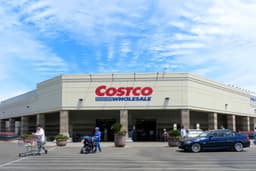
Tesla, Nvidia, Celsius Stocks Surge, Turning $39,000 into Over $1 Million
Written by Emily J. Thompson, Senior Investment Analyst
Updated: Jan 23 2026
0mins


Should l Buy TSLA?
Source: NASDAQ.COM
- Tesla's Stock Surge: Since 2020, Tesla's stock has soared around 1,500%, turning a $13,000 investment into approximately $204,000, showcasing the company's ability to generate nearly $5.1 billion in profit despite facing high valuation risks in a competitive market.
- Nvidia's Massive Growth: Nvidia, with a market cap of about $4.5 trillion, has seen its stock rise over 3,000% since 2020, transforming a $13,000 investment into around $412,000, reflecting its pivotal role in the AI sector and sustained profitability.
- Celsius's Rapid Ascent: Celsius's market cap skyrocketed from about $220 million in 2020 to $14 billion, with its stock rising approximately 3,300%, turning a $13,000 investment into about $439,000, demonstrating strong growth in the energy drink market and potential from its partnership with PepsiCo.
- Investment Value of Growth Stocks: The combined investment in these three stocks exceeds $1 million, reminding investors that despite risks, long-term holdings in growth stocks can yield substantial returns.
Trade with 70% Backtested Accuracy
Stop guessing "Should I Buy TSLA?" and start using high-conviction signals backed by rigorous historical data.
Sign up today to access powerful investing tools and make smarter, data-driven decisions.
Analyst Views on TSLA
Wall Street analysts forecast TSLA stock price to fall
30 Analyst Rating
12 Buy
11 Hold
7 Sell
Hold
Current: 417.070

Low
25.28
Averages
401.93
High
600.00
Current: 417.070
Low
25.28
Averages
401.93
High
600.00
About TSLA
Tesla, Inc. designs, develops, manufactures, sells and leases high-performance fully electric vehicles and energy generation and storage systems, and offers services related to its products. Its segments include automotive, and energy generation and storage. The automotive segment includes the design, development, manufacturing, sales and leasing of high-performance fully electric vehicles, and sales of automotive regulatory credits. It also includes sales of used vehicles, non-warranty maintenance services and collisions, part sales, paid supercharging, insurance services revenue and retail merchandise sales. The energy generation and storage segment include the design, manufacture, installation, sales and leasing of solar energy generation and energy storage products and related services and sales of solar energy systems incentives. Its consumer vehicles include the Model 3, Y, S, X and Cybertruck. Its lithium-ion battery energy storage products include Powerwall and Megapack.
About the author

Emily J. Thompson
Emily J. Thompson, a Chartered Financial Analyst (CFA) with 12 years in investment research, graduated with honors from the Wharton School. Specializing in industrial and technology stocks, she provides in-depth analysis for Intellectia’s earnings and market brief reports.

Musk's Wealth Tied to Tesla and SpaceX Ownership

- Source of Wealth: Musk stated that his $849.3 billion fortune is overwhelmingly tied to his ownership stakes in Tesla and SpaceX, with less than 0.1% in cash, indicating that his wealth is primarily derived from equity rather than cash flow.
- Employee Incentives: He noted that employees at both Tesla and SpaceX receive stock and options, which not only enhances employee engagement but also boosts the overall value creation capacity of the companies.
- Market Predictions: Following the merger of SpaceX with Musk's AI firm xAI, the market has raised the odds of him reaching a $1 trillion net worth by 2027 to 78%, reflecting strong investor confidence in his future growth potential.
- Tesla Performance: Tesla's recent quarterly earnings of 50 cents per share exceeded analyst expectations of 45 cents, with quarterly revenue reaching $24.9 billion, showcasing the company's robust performance and ongoing growth potential in the electric vehicle market.
See More
Tesla Actively Recruiting AI Chip Designers in South Korea
- Recruitment Initiative: Tesla is actively recruiting AI chip designers in South Korea, aiming to enhance its AI chip production capabilities for electric vehicles and other technologies, indicating a proactive approach to future market demands.
- Chip Architecture Development: The project aims to develop the world's highest-volume AI chip architecture, with Tesla seeking to secure a competitive edge in the rapidly evolving market by enhancing the technological superiority of its electric vehicles.
- Application Requirements: Applicants are required to mention three challenging technical problems they have solved in their application emails, which aims to identify highly skilled individuals to support Tesla's chip production expansion strategy.
- Investment Expansion: Tesla is also hiring silicon module process engineers in locations like Austin and Palo Alto, demonstrating a comprehensive expansion plan in chip manufacturing, alongside a commitment to invest approximately $2 billion into xAI to bolster its technological capabilities.
See More

Wall Street's Bull Market Continues for Third Year

- Strong Market Performance: By the end of last year, the S&P 500 had risen 16%, achieving three consecutive years of at least 16% growth, indicating a robust market recovery and rising investor confidence.
- Tariff Policy Impact: Trump's tariff policy led to a 10.5% drop in the S&P 500 within two days of its announcement, marking the fifth-largest two-day decline since 1950, reflecting the market's high sensitivity to policy uncertainty.
- Earnings Quality Concerns: Despite the market's historically high valuation, the second-highest P/E ratio (39-41) raises concerns about earnings quality, as many companies rely on non-sustainable income sources to maintain profits, potentially undermining long-term investor confidence.
- Challenges for Apple and Tesla: Apple masks its lack of real earnings growth through stock buybacks, while Tesla relies on automotive regulatory credits and interest income, which account for 63% of its pre-tax income, highlighting the earnings quality crisis facing market leaders.
See More

Impact of Trump's Tariff Policy on the Market
- Increased Market Volatility: Despite a 16% rise in the S&P 500 in 2025, Trump's tariff policy triggered a 10.5% drop in just two days following its announcement on April 2, marking the fifth-largest decline since 1950, indicating the policy's detrimental impact on investor confidence.
- Earnings Quality Concerns: The tariffs imposed by Trump in 2018-2019 had a lasting negative effect on U.S. companies, with affected firms experiencing declines in labor productivity, employment, sales, and profits from 2019 to 2021, suggesting that current tariffs could replicate these adverse outcomes.
- Rising Inflation Pressure: Since the implementation of tariffs, the U.S. inflation rate has increased, with import duties raising production costs for certain businesses, leading to higher consumer prices and diminishing the likelihood of the Federal Reserve lowering interest rates, which could hinder economic growth.
- High Market Valuation: Entering 2026, the S&P 500's cyclically adjusted price-to-earnings (CAPE) ratio fluctuated between 39 and 41, significantly above the historical average of 17.34, highlighting the market's reliance on earnings quality; a decline in earnings quality could trigger a market correction.
See More

French President Celebrates Successful Rocket Launch of 32 Amazon Leo Satellites

- Successful Rocket Launch: The French president celebrated the successful launch of Europe's most powerful rocket, which deployed 32 Amazon Leo satellites into orbit, marking a significant advancement in Europe's space capabilities and enhancing its competitiveness in the global space market.
- Pause on Tech Security Measures: Ahead of the Trump-Xi Jinping meeting, the Trump administration reportedly paused several critical technology security measures targeting China, a decision that could influence the future trajectory of U.S.-China tech relations and reduce market uncertainties.
- Apple Court Victory: Apple secured a courtroom win as a jury rejected claims from Optis Wireless that it infringed on 4G wireless patents, a result that will help protect Apple's intellectual property and strengthen its market position.
- AI Industry Developments: Elon Musk criticized AI startup Anthropic for alleged bias while announcing a $30 billion funding round that pushed its valuation to $380 billion, highlighting the intense competition and rapid evolution within the AI sector.
See More
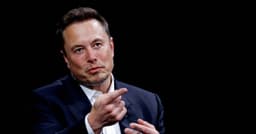
Tesla's Diversification Strategy Faces Challenges

- Stagnant EV Business: Despite a reduction in average production costs, Tesla's net profit per vehicle fell to just $4,000 by the end of 2023, significantly lower than the $10,000 achieved in 2022, indicating the adverse impact of intensified competition on profitability.
- New Business Ventures: Tesla plans to launch household robots priced between $20,000 and $30,000 by the end of 2027, a move that may be driven by the stagnation of its EV business, highlighting the company's urgent need for diversification.
- Intensified Market Competition: Global EV sales reached 20.7 million in 2023, a 21% increase, with competitors like BYD and Volkswagen capturing significant market share, suggesting that Tesla's dominance in the EV market is being challenged.
- Uncertain Future Outlook: While Tesla's prospects in autonomous driving and solar energy are promising, market skepticism remains regarding the profitability and timelines of its new ventures, as analysts generally value TSLA stock at only $422.09, reflecting investor uncertainty about future growth.
See More
Musk's Wealth Tied to Tesla and SpaceX Ownership
- Source of Wealth: Musk stated that his $849.3 billion fortune is overwhelmingly tied to his ownership stakes in Tesla and SpaceX, with less than 0.1% in cash, indicating that his wealth is primarily derived from equity rather than cash flow.
- Employee Incentives: He noted that employees at both Tesla and SpaceX receive stock and options, which not only enhances employee engagement but also boosts the overall value creation capacity of the companies.
- Market Predictions: Following the merger of SpaceX with Musk's AI firm xAI, the market has raised the odds of him reaching a $1 trillion net worth by 2027 to 78%, reflecting strong investor confidence in his future growth potential.
- Tesla Performance: Tesla's recent quarterly earnings of 50 cents per share exceeded analyst expectations of 45 cents, with quarterly revenue reaching $24.9 billion, showcasing the company's robust performance and ongoing growth potential in the electric vehicle market.
See More
Tesla Actively Recruiting AI Chip Designers in South Korea
- Recruitment Initiative: Tesla is actively recruiting AI chip designers in South Korea, aiming to enhance its AI chip production capabilities for electric vehicles and other technologies, indicating a proactive approach to future market demands.
- Chip Architecture Development: The project aims to develop the world's highest-volume AI chip architecture, with Tesla seeking to secure a competitive edge in the rapidly evolving market by enhancing the technological superiority of its electric vehicles.
- Application Requirements: Applicants are required to mention three challenging technical problems they have solved in their application emails, which aims to identify highly skilled individuals to support Tesla's chip production expansion strategy.
- Investment Expansion: Tesla is also hiring silicon module process engineers in locations like Austin and Palo Alto, demonstrating a comprehensive expansion plan in chip manufacturing, alongside a commitment to invest approximately $2 billion into xAI to bolster its technological capabilities.
See More
Wall Street's Bull Market Continues for Third Year
- Strong Market Performance: By the end of last year, the S&P 500 had risen 16%, achieving three consecutive years of at least 16% growth, indicating a robust market recovery and rising investor confidence.
- Tariff Policy Impact: Trump's tariff policy led to a 10.5% drop in the S&P 500 within two days of its announcement, marking the fifth-largest two-day decline since 1950, reflecting the market's high sensitivity to policy uncertainty.
- Earnings Quality Concerns: Despite the market's historically high valuation, the second-highest P/E ratio (39-41) raises concerns about earnings quality, as many companies rely on non-sustainable income sources to maintain profits, potentially undermining long-term investor confidence.
- Challenges for Apple and Tesla: Apple masks its lack of real earnings growth through stock buybacks, while Tesla relies on automotive regulatory credits and interest income, which account for 63% of its pre-tax income, highlighting the earnings quality crisis facing market leaders.
See More
Impact of Trump's Tariff Policy on the Market
- Increased Market Volatility: Despite a 16% rise in the S&P 500 in 2025, Trump's tariff policy triggered a 10.5% drop in just two days following its announcement on April 2, marking the fifth-largest decline since 1950, indicating the policy's detrimental impact on investor confidence.
- Earnings Quality Concerns: The tariffs imposed by Trump in 2018-2019 had a lasting negative effect on U.S. companies, with affected firms experiencing declines in labor productivity, employment, sales, and profits from 2019 to 2021, suggesting that current tariffs could replicate these adverse outcomes.
- Rising Inflation Pressure: Since the implementation of tariffs, the U.S. inflation rate has increased, with import duties raising production costs for certain businesses, leading to higher consumer prices and diminishing the likelihood of the Federal Reserve lowering interest rates, which could hinder economic growth.
- High Market Valuation: Entering 2026, the S&P 500's cyclically adjusted price-to-earnings (CAPE) ratio fluctuated between 39 and 41, significantly above the historical average of 17.34, highlighting the market's reliance on earnings quality; a decline in earnings quality could trigger a market correction.
See More
French President Celebrates Successful Rocket Launch of 32 Amazon Leo Satellites
- Successful Rocket Launch: The French president celebrated the successful launch of Europe's most powerful rocket, which deployed 32 Amazon Leo satellites into orbit, marking a significant advancement in Europe's space capabilities and enhancing its competitiveness in the global space market.
- Pause on Tech Security Measures: Ahead of the Trump-Xi Jinping meeting, the Trump administration reportedly paused several critical technology security measures targeting China, a decision that could influence the future trajectory of U.S.-China tech relations and reduce market uncertainties.
- Apple Court Victory: Apple secured a courtroom win as a jury rejected claims from Optis Wireless that it infringed on 4G wireless patents, a result that will help protect Apple's intellectual property and strengthen its market position.
- AI Industry Developments: Elon Musk criticized AI startup Anthropic for alleged bias while announcing a $30 billion funding round that pushed its valuation to $380 billion, highlighting the intense competition and rapid evolution within the AI sector.
See More
Tesla's Diversification Strategy Faces Challenges
- Stagnant EV Business: Despite a reduction in average production costs, Tesla's net profit per vehicle fell to just $4,000 by the end of 2023, significantly lower than the $10,000 achieved in 2022, indicating the adverse impact of intensified competition on profitability.
- New Business Ventures: Tesla plans to launch household robots priced between $20,000 and $30,000 by the end of 2027, a move that may be driven by the stagnation of its EV business, highlighting the company's urgent need for diversification.
- Intensified Market Competition: Global EV sales reached 20.7 million in 2023, a 21% increase, with competitors like BYD and Volkswagen capturing significant market share, suggesting that Tesla's dominance in the EV market is being challenged.
- Uncertain Future Outlook: While Tesla's prospects in autonomous driving and solar energy are promising, market skepticism remains regarding the profitability and timelines of its new ventures, as analysts generally value TSLA stock at only $422.09, reflecting investor uncertainty about future growth.
See More