Significant Options Trading on Friday: SEI, CAVA, RCUS


CAVA Options Activity: CAVA Group Inc (CAVA) has seen a trading volume of 21,313 options contracts today, equating to about 2.1 million underlying shares, which is 51.5% of its average daily trading volume over the past month.
High Volume Call Option for CAVA: The $55 strike call option expiring on December 12, 2025, has particularly high activity, with 4,275 contracts traded, representing approximately 427,500 underlying shares.
RCUS Options Activity: Arcus Biosciences Inc (RCUS) has recorded a volume of 9,160 options contracts today, representing around 916,000 underlying shares, or 51.3% of its average daily trading volume over the past month.
High Volume Call Option for RCUS: The $15 strike call option expiring on April 17, 2026, has seen significant trading, with 5,417 contracts exchanged, corresponding to about 541,700 underlying shares.
Trade with 70% Backtested Accuracy
Analyst Views on CAVA

About CAVA
About the author


Prime Capital Increases Stake in CAVA Group Amid Price Decline


- Share Acquisition: Prime Capital Management increased its stake in CAVA Group by 490,300 shares in Q4 2025, investing $27.34 million, reflecting confidence in the company despite a 48.5% drop in stock price over the past year.
- Increased Ownership: Following this acquisition, Prime Capital's stake in CAVA reached 7.19%, significantly impacting its reportable U.S. equity assets under management, indicating optimism about CAVA's growth potential.
- Market Performance: As of February 11, 2026, CAVA shares were priced at $67.37 with a market cap of $7.81 billion; despite market challenges, revenue grew 23% in the first nine months of fiscal 2025, showcasing strong expansion momentum.
- Strategic Implications: CAVA aims to operate over 1,000 restaurants by 2032, and Prime Capital's investment could yield substantial returns in the future, especially as CAVA is viewed as a potential opportunity similar to Chipotle at its current valuation.

Wall Street Analysts Adjust Ratings

- Analyst Rating Updates: Top Wall Street analysts have adjusted their ratings on several companies, reflecting the latest market sentiment towards these stocks, although specific names were not disclosed, investors should pay attention to these changes for informed decision-making.
- Impact of Rating Changes: Upgrades or downgrades in ratings can directly influence the market performance of the related stocks, prompting investors to closely monitor these shifts to timely adjust their portfolios for optimized returns.
- Market Reaction Expectations: Analyst rating adjustments often trigger immediate market reactions, particularly when investors have a high level of interest in specific stocks, potentially leading to short-term price volatility.
- Information Access Channels: Investors can visit the analyst ratings page to obtain a comprehensive view of rating changes, including upgrades, downgrades, and new initiations, thereby better grasping market dynamics.

Latest Wall Street Rating Updates


- Goldman Sachs Reiterates Nvidia: Goldman Sachs maintains a Buy rating on Nvidia ahead of its earnings report, expecting investors to focus on visibility into 2027, non-traditional customer demand, and trends in the Chinese market, indicating strong market confidence in Nvidia's future growth.
- Benchmark Initiates Cava Rating: Benchmark initiates coverage of CAVA Group with a Buy rating and an $80 price target, reflecting its leadership position in the rapidly emerging Mediterranean dining market, which is expected to attract more investor interest in this burgeoning sector.
- BMO Capital Upgrades Brookfield: BMO upgrades Brookfield Asset Management from Market Perform to Outperform, citing attractive mid-teens distributable earnings growth prospects underpinned by continued fundraising momentum and fee rate resilience, showcasing the company's robust financial health.
- Bank of America Downgrades Qualcomm: Bank of America downgrades Qualcomm from Buy to Neutral, lowering the price target from $215 to $155 due to concerns over cyclical and structural weaknesses in the handset market, which may adversely affect its future performance.

Nvidia's $2 Billion Investment in CoreWeave Highlights AI Infrastructure Needs


- Significant Investment: Nvidia's announcement of a $2 billion investment in CoreWeave, purchasing shares at approximately $87 each, represents a 6.5% discount from last Friday's closing price, resulting in a more than 10% surge in CoreWeave's stock, indicating strong market demand for AI infrastructure.
- Deepening Strategic Partnership: The collaboration between Nvidia and CoreWeave aims to meet the extraordinary demand for Nvidia's AI factories, with plans to build 5 gigawatts of AI factories by 2030, and this investment will accelerate that process, further solidifying Nvidia's leadership in the AI sector.
- Liquidity Crisis Concerns: While Nvidia's investment is seen as support for CoreWeave, critics note that CoreWeave may be facing cash flow shortages and debt burdens, suggesting that Nvidia's investment could be a move to mitigate the risk of its partner's potential bankruptcy.
- Market Outlook Analysis: As AI technology rapidly evolves, Nvidia's investment is not only a lifeline for CoreWeave but also a strategic positioning within the entire AI ecosystem, reflecting the company's forward-thinking approach in future market competition.

NVIDIA Invests $2 Billion in CoreWeave to Boost AI Infrastructure
- Investment Scale: NVIDIA announced a $2 billion investment in CoreWeave, purchasing shares at approximately $87 each, reflecting a 6.5% discount from Friday's closing price, aimed at supporting CoreWeave's expansion of AI data center infrastructure to meet growing market demand.
- Market Reaction: Following the announcement, CoreWeave's shares surged over 10%, indicating a positive market response to NVIDIA's investment and reflecting investor optimism regarding the demand for AI infrastructure.
- Strategic Significance: NVIDIA's investment not only supports CoreWeave but also signifies its long-term strategic positioning in the AI sector, with plans to build 5 gigawatts of AI factories by 2030 to address future technological needs.
- Risk Consideration: While the investment is seen as a support for CoreWeave, analysts express concerns that NVIDIA may be overly reliant on CoreWeave financially, especially as it faces liquidity crises and debt pressures, which could impact NVIDIA's long-term investment returns.
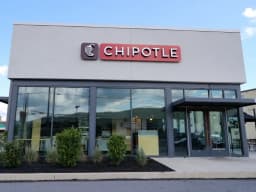
Chipotle Accelerates Innovation Amid Stock Volatility

- Stock Volatility: Chipotle's stock rose 2% on Tuesday, breaking a six-day losing streak, but fell nearly 6% in after-hours trading, indicating potential for its worst single-day performance, reflecting market concerns about its profit outlook.
- Margin Pressure: CFO Adam Rymer stated that margins will be under pressure in 2026 due to necessary investments to maintain lower prices, with an expected pricing impact of about 70 basis points in Q1, highlighting ongoing inflation challenges.
- Menu Innovation: CEO Scott Boatwright emphasized the acceleration of menu innovation, planning four limited-time offers in 2026, with the recent launch of the “High Protein Menu” driving a 35% increase in extra protein demand, showcasing consumer focus on high-quality ingredients.
- Improved Retail Sentiment: According to Stocktwits data, retail sentiment on Chipotle improved from 'bullish' to 'extremely bullish', with message volume surging 685% in the last 24 hours, indicating optimistic market expectations for its future performance.
Prime Capital Increases Stake in CAVA Group Amid Price Decline
- Share Acquisition: Prime Capital Management increased its stake in CAVA Group by 490,300 shares in Q4 2025, investing $27.34 million, reflecting confidence in the company despite a 48.5% drop in stock price over the past year.
- Increased Ownership: Following this acquisition, Prime Capital's stake in CAVA reached 7.19%, significantly impacting its reportable U.S. equity assets under management, indicating optimism about CAVA's growth potential.
- Market Performance: As of February 11, 2026, CAVA shares were priced at $67.37 with a market cap of $7.81 billion; despite market challenges, revenue grew 23% in the first nine months of fiscal 2025, showcasing strong expansion momentum.
- Strategic Implications: CAVA aims to operate over 1,000 restaurants by 2032, and Prime Capital's investment could yield substantial returns in the future, especially as CAVA is viewed as a potential opportunity similar to Chipotle at its current valuation.
Wall Street Analysts Adjust Ratings
- Analyst Rating Updates: Top Wall Street analysts have adjusted their ratings on several companies, reflecting the latest market sentiment towards these stocks, although specific names were not disclosed, investors should pay attention to these changes for informed decision-making.
- Impact of Rating Changes: Upgrades or downgrades in ratings can directly influence the market performance of the related stocks, prompting investors to closely monitor these shifts to timely adjust their portfolios for optimized returns.
- Market Reaction Expectations: Analyst rating adjustments often trigger immediate market reactions, particularly when investors have a high level of interest in specific stocks, potentially leading to short-term price volatility.
- Information Access Channels: Investors can visit the analyst ratings page to obtain a comprehensive view of rating changes, including upgrades, downgrades, and new initiations, thereby better grasping market dynamics.
Latest Wall Street Rating Updates
- Goldman Sachs Reiterates Nvidia: Goldman Sachs maintains a Buy rating on Nvidia ahead of its earnings report, expecting investors to focus on visibility into 2027, non-traditional customer demand, and trends in the Chinese market, indicating strong market confidence in Nvidia's future growth.
- Benchmark Initiates Cava Rating: Benchmark initiates coverage of CAVA Group with a Buy rating and an $80 price target, reflecting its leadership position in the rapidly emerging Mediterranean dining market, which is expected to attract more investor interest in this burgeoning sector.
- BMO Capital Upgrades Brookfield: BMO upgrades Brookfield Asset Management from Market Perform to Outperform, citing attractive mid-teens distributable earnings growth prospects underpinned by continued fundraising momentum and fee rate resilience, showcasing the company's robust financial health.
- Bank of America Downgrades Qualcomm: Bank of America downgrades Qualcomm from Buy to Neutral, lowering the price target from $215 to $155 due to concerns over cyclical and structural weaknesses in the handset market, which may adversely affect its future performance.
Nvidia's $2 Billion Investment in CoreWeave Highlights AI Infrastructure Needs
- Significant Investment: Nvidia's announcement of a $2 billion investment in CoreWeave, purchasing shares at approximately $87 each, represents a 6.5% discount from last Friday's closing price, resulting in a more than 10% surge in CoreWeave's stock, indicating strong market demand for AI infrastructure.
- Deepening Strategic Partnership: The collaboration between Nvidia and CoreWeave aims to meet the extraordinary demand for Nvidia's AI factories, with plans to build 5 gigawatts of AI factories by 2030, and this investment will accelerate that process, further solidifying Nvidia's leadership in the AI sector.
- Liquidity Crisis Concerns: While Nvidia's investment is seen as support for CoreWeave, critics note that CoreWeave may be facing cash flow shortages and debt burdens, suggesting that Nvidia's investment could be a move to mitigate the risk of its partner's potential bankruptcy.
- Market Outlook Analysis: As AI technology rapidly evolves, Nvidia's investment is not only a lifeline for CoreWeave but also a strategic positioning within the entire AI ecosystem, reflecting the company's forward-thinking approach in future market competition.
NVIDIA Invests $2 Billion in CoreWeave to Boost AI Infrastructure
- Investment Scale: NVIDIA announced a $2 billion investment in CoreWeave, purchasing shares at approximately $87 each, reflecting a 6.5% discount from Friday's closing price, aimed at supporting CoreWeave's expansion of AI data center infrastructure to meet growing market demand.
- Market Reaction: Following the announcement, CoreWeave's shares surged over 10%, indicating a positive market response to NVIDIA's investment and reflecting investor optimism regarding the demand for AI infrastructure.
- Strategic Significance: NVIDIA's investment not only supports CoreWeave but also signifies its long-term strategic positioning in the AI sector, with plans to build 5 gigawatts of AI factories by 2030 to address future technological needs.
- Risk Consideration: While the investment is seen as a support for CoreWeave, analysts express concerns that NVIDIA may be overly reliant on CoreWeave financially, especially as it faces liquidity crises and debt pressures, which could impact NVIDIA's long-term investment returns.
Chipotle Accelerates Innovation Amid Stock Volatility
- Stock Volatility: Chipotle's stock rose 2% on Tuesday, breaking a six-day losing streak, but fell nearly 6% in after-hours trading, indicating potential for its worst single-day performance, reflecting market concerns about its profit outlook.
- Margin Pressure: CFO Adam Rymer stated that margins will be under pressure in 2026 due to necessary investments to maintain lower prices, with an expected pricing impact of about 70 basis points in Q1, highlighting ongoing inflation challenges.
- Menu Innovation: CEO Scott Boatwright emphasized the acceleration of menu innovation, planning four limited-time offers in 2026, with the recent launch of the “High Protein Menu” driving a 35% increase in extra protein demand, showcasing consumer focus on high-quality ingredients.
- Improved Retail Sentiment: According to Stocktwits data, retail sentiment on Chipotle improved from 'bullish' to 'extremely bullish', with message volume surging 685% in the last 24 hours, indicating optimistic market expectations for its future performance.