Should You Invest in the iShares U.S. Infrastructure ETF (IFRA)?
Written by Emily J. Thompson, Senior Investment Analyst
Updated: Sep 17 2024
0mins


Should l Buy HE?
Source: NASDAQ.COM
Overview of iShares U.S. Infrastructure ETF (IFRA): Launched in 2018 and sponsored by Blackrock, IFRA is a passively managed ETF focusing on the Utilities - Infrastructure segment, with assets over $2.69 billion and an expense ratio of 0.30%. It aims to match the performance of the NYSE FACTSET U.S. INFRASTRUCTURE INDEX.
Performance and Holdings: The ETF has shown a year-to-date increase of approximately 15.18% and a 12-month rise of about 21.88%, while maintaining a diversified portfolio with 164 holdings, primarily in the Utilities sector (42.90%).
Trade with 70% Backtested Accuracy
Stop guessing "Should I Buy HE?" and start using high-conviction signals backed by rigorous historical data.
Sign up today to access powerful investing tools and make smarter, data-driven decisions.
Analyst Views on HE
Wall Street analysts forecast HE stock price to fall
2 Analyst Rating
0 Buy
2 Hold
0 Sell
Hold
Current: 16.300

Low
10.00
Averages
11.00
High
12.00
Current: 16.300
Low
10.00
Averages
11.00
High
12.00
About HE
Hawaiian Electric Industries, Inc. is a holding company that provides energy services. The Company’s subsidiaries are principally engaged in electric utility and non-regulated renewable/sustainable infrastructure businesses operating in the State of Hawaii. Its electric utility, Hawaiian Electric Company, Inc. (Hawaiian Electric), supplies power to approximately 95% of Hawaii’s population. The Company operates through the electric utility segment. Hawaiian Electric and its operating utility subsidiaries, Hawaii Electric Light Company, Inc. (Hawaii Electric Light) and Maui Electric Company, Limited (Maui Electric), are regulated electric utilities that provide essential electric service to approximately 95% of Hawaii’s population through the operation of five separate grids that serve communities on the islands of Oahu, Hawaii, Maui, Lanai and Molokai. Its subsidiary, Pacific Current, LLC, invests in non-regulated clean energy and sustainable infrastructure in the State of Hawaii.
About the author

Emily J. Thompson
Emily J. Thompson, a Chartered Financial Analyst (CFA) with 12 years in investment research, graduated with honors from the Wharton School. Specializing in industrial and technology stocks, she provides in-depth analysis for Intellectia’s earnings and market brief reports.

Analysis of Short Selling in Utilities Sector

- Concentration of Short Selling: Within the utilities sector, Hawaiian Electric Industries (HE) and Otter Tail (OTTR) have the highest short interests at 12.37% and 11.99%, respectively, indicating strong bearish sentiment that could impact their stock price stability.
- Divergent Ratings: Despite being rated Hold by Seeking Alpha's quant ratings, Hawaiian Electric is rated Sell by Wall Street analysts, reflecting a divergence in market sentiment that may lead to decreased investor confidence.
- Least Shorted Stocks: In contrast, Brookfield Infrastructure Partners (BIP) and Eversource Energy (ES) have short interests of only 0.22% and 1.48%, respectively, indicating relative stability in these companies, which may attract risk-averse investors.
- Market Risk Warning: A report warns that the largest U.S. electric grid expects a surge in generation outages due to the ongoing cold snap, posing long-term risks to grid reliability, which could further exacerbate short selling pressures on utility stocks.
See More

Hawaiian Electric Downgraded by Jefferies, Price Target Cut to $12.50

- Rating Downgrade: Jefferies analyst Julian Dumoulin-Smith downgraded Hawaiian Electric from buy to underperform, reflecting uncertainty about the company's future, which led to a 2.5% drop in stock price on Tuesday.
- Price Target Adjustment: The analyst cut the price target by $1 to $12.50, indicating a weakening market confidence in Hawaiian Electric, which may affect investor buying decisions.
- Market Uncertainty: The analyst highlighted that Hawaiian Electric faces uncertainties regarding legislative decisions and pricing standards, which diminishes its competitive edge compared to other utility stocks and could lead to further stock price pressure.
- Industry Pressure: With rising concerns about affordability, Hawaiian Electric may experience increased pricing pressure, reflecting challenges faced by the entire utility sector in the current economic environment.
See More

Analyst Downgrades Hawaiian Electric to Sell, Price Target Reduced to $12.50
- Rating Downgrade: Jefferies analyst Julian Dumoulin-Smith downgraded Hawaiian Electric from buy to sell, reflecting uncertainty about the company's future performance, which led to a 2.5% drop in stock price on Tuesday.
- Price Target Adjustment: The analyst reduced the price target for Hawaiian Electric by $1 to $12.50, indicating a weakening market confidence that may influence investor decisions.
- Legislative Risks: The analyst highlighted significant risks for Hawaiian Electric, including legislative impacts on its funding and pricing capabilities, which could place the company at a disadvantage in a competitive utility market.
- Market Pressure: With rising concerns about affordability in electricity pricing, Hawaiian Electric is not the only utility facing pressure, suggesting broader challenges across the industry regarding pricing strategies.
See More
Hawaiian Electric Downgraded to Underperform by Jefferies with $12.50 Price Target
- Rating Downgrade: Jefferies downgraded Hawaiian Electric from Hold to Underperform with a price target cut from $13.50 to $12.50, indicating a diminished market confidence in the stock's future performance amid unresolved issues.
- Valuation Reversion: Although Hawaiian Electric's stock has rebounded from a deep discount to near fair value, the analyst notes that the current valuation has priced in multiple unresolved key issues, reflecting an overly optimistic market outlook on future profitability.
- Lack of Fundamentals: The analyst emphasizes that despite the recent stock price increase, there have been no substantial fundamental changes, leading the market to misinterpret this volatility as a shift in fundamentals, which could mislead investors regarding future risks.
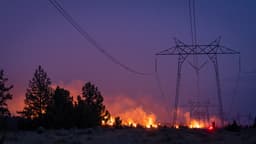
- Future Uncertainty: Ongoing uncertainties surrounding potential wildfire liabilities and the financing of the Maui wildfire litigation settlement obligations remain significant overhangs, posing threats to Hawaiian Electric's financial stability.
See More

Electric Utilities Face High Short Interest, Otter Tail at 11.91%
- High Short Interest: Within the utilities sector, Otter Tail (OTTR) and Hawaiian Electric Industries (HE) have the highest short interest at 11.91% and 11.29%, respectively, indicating a significant bearish sentiment among investors towards these stocks.
- Divergent Analyst Ratings: While Seeking Alpha rates Otter Tail as a Hold, Wall Street analysts are bullish, giving it a Buy rating, highlighting a split in market sentiment regarding the stock's future performance.
- Most Shorted Stocks: Among utilities stocks with a market cap over $2B, Otter Tail and Hawaiian Electric Industries rank as the most shorted, whereas Brookfield Infrastructure Partners (BIP) and NextEra Energy (NEE) are the least shorted at 0.21% and 1.55%, respectively, indicating varying investor confidence across the sector.
- Market Trend Insights: With NextEra Energy gaining for seven consecutive sessions, there is strong market interest in large-cap utility stocks' earnings momentum, potentially signaling future investment opportunities.
See More

Enlight Renewable Energy Downgraded to Underweight by JP Morgan, Stock Hits $51.50 High


- Price Volatility Warning: Enlight Renewable Energy's RSI at 71.9 indicates an overbought condition, and despite a 27% stock gain over the past month, JP Morgan downgraded its rating to Underweight while maintaining a $35 price target, signaling concerns about future performance.
- Settlement Impact: Hawaiian Electric Industries reached a $47.75 million shareholder settlement, and although its stock rose 11% in the past five days, an RSI of 71.1 suggests potential overbought risks that could undermine investor confidence.
- Earnings Growth Highlight: Ellomay Capital reported Q3 earnings of $0.93 per share, up from $0.52 year-over-year, and while its stock gained 27% in the past month, an RSI of 75.5 indicates excessive market optimism that may lead to a correction.
- Market Sentiment Analysis: Overall, three stocks in the utilities sector show overbought signals, prompting investors to carefully assess market trends to avoid potential price correction risks.
See More
Analysis of Short Selling in Utilities Sector
- Concentration of Short Selling: Within the utilities sector, Hawaiian Electric Industries (HE) and Otter Tail (OTTR) have the highest short interests at 12.37% and 11.99%, respectively, indicating strong bearish sentiment that could impact their stock price stability.
- Divergent Ratings: Despite being rated Hold by Seeking Alpha's quant ratings, Hawaiian Electric is rated Sell by Wall Street analysts, reflecting a divergence in market sentiment that may lead to decreased investor confidence.
- Least Shorted Stocks: In contrast, Brookfield Infrastructure Partners (BIP) and Eversource Energy (ES) have short interests of only 0.22% and 1.48%, respectively, indicating relative stability in these companies, which may attract risk-averse investors.
- Market Risk Warning: A report warns that the largest U.S. electric grid expects a surge in generation outages due to the ongoing cold snap, posing long-term risks to grid reliability, which could further exacerbate short selling pressures on utility stocks.
See More
Hawaiian Electric Downgraded by Jefferies, Price Target Cut to $12.50
- Rating Downgrade: Jefferies analyst Julian Dumoulin-Smith downgraded Hawaiian Electric from buy to underperform, reflecting uncertainty about the company's future, which led to a 2.5% drop in stock price on Tuesday.
- Price Target Adjustment: The analyst cut the price target by $1 to $12.50, indicating a weakening market confidence in Hawaiian Electric, which may affect investor buying decisions.
- Market Uncertainty: The analyst highlighted that Hawaiian Electric faces uncertainties regarding legislative decisions and pricing standards, which diminishes its competitive edge compared to other utility stocks and could lead to further stock price pressure.
- Industry Pressure: With rising concerns about affordability, Hawaiian Electric may experience increased pricing pressure, reflecting challenges faced by the entire utility sector in the current economic environment.
See More
Analyst Downgrades Hawaiian Electric to Sell, Price Target Reduced to $12.50
- Rating Downgrade: Jefferies analyst Julian Dumoulin-Smith downgraded Hawaiian Electric from buy to sell, reflecting uncertainty about the company's future performance, which led to a 2.5% drop in stock price on Tuesday.
- Price Target Adjustment: The analyst reduced the price target for Hawaiian Electric by $1 to $12.50, indicating a weakening market confidence that may influence investor decisions.
- Legislative Risks: The analyst highlighted significant risks for Hawaiian Electric, including legislative impacts on its funding and pricing capabilities, which could place the company at a disadvantage in a competitive utility market.
- Market Pressure: With rising concerns about affordability in electricity pricing, Hawaiian Electric is not the only utility facing pressure, suggesting broader challenges across the industry regarding pricing strategies.
See More
Hawaiian Electric Downgraded to Underperform by Jefferies with $12.50 Price Target
- Rating Downgrade: Jefferies downgraded Hawaiian Electric from Hold to Underperform with a price target cut from $13.50 to $12.50, indicating a diminished market confidence in the stock's future performance amid unresolved issues.
- Valuation Reversion: Although Hawaiian Electric's stock has rebounded from a deep discount to near fair value, the analyst notes that the current valuation has priced in multiple unresolved key issues, reflecting an overly optimistic market outlook on future profitability.
- Lack of Fundamentals: The analyst emphasizes that despite the recent stock price increase, there have been no substantial fundamental changes, leading the market to misinterpret this volatility as a shift in fundamentals, which could mislead investors regarding future risks.
- Future Uncertainty: Ongoing uncertainties surrounding potential wildfire liabilities and the financing of the Maui wildfire litigation settlement obligations remain significant overhangs, posing threats to Hawaiian Electric's financial stability.
See More
Electric Utilities Face High Short Interest, Otter Tail at 11.91%
- High Short Interest: Within the utilities sector, Otter Tail (OTTR) and Hawaiian Electric Industries (HE) have the highest short interest at 11.91% and 11.29%, respectively, indicating a significant bearish sentiment among investors towards these stocks.
- Divergent Analyst Ratings: While Seeking Alpha rates Otter Tail as a Hold, Wall Street analysts are bullish, giving it a Buy rating, highlighting a split in market sentiment regarding the stock's future performance.
- Most Shorted Stocks: Among utilities stocks with a market cap over $2B, Otter Tail and Hawaiian Electric Industries rank as the most shorted, whereas Brookfield Infrastructure Partners (BIP) and NextEra Energy (NEE) are the least shorted at 0.21% and 1.55%, respectively, indicating varying investor confidence across the sector.
- Market Trend Insights: With NextEra Energy gaining for seven consecutive sessions, there is strong market interest in large-cap utility stocks' earnings momentum, potentially signaling future investment opportunities.
See More
Enlight Renewable Energy Downgraded to Underweight by JP Morgan, Stock Hits $51.50 High
- Price Volatility Warning: Enlight Renewable Energy's RSI at 71.9 indicates an overbought condition, and despite a 27% stock gain over the past month, JP Morgan downgraded its rating to Underweight while maintaining a $35 price target, signaling concerns about future performance.
- Settlement Impact: Hawaiian Electric Industries reached a $47.75 million shareholder settlement, and although its stock rose 11% in the past five days, an RSI of 71.1 suggests potential overbought risks that could undermine investor confidence.
- Earnings Growth Highlight: Ellomay Capital reported Q3 earnings of $0.93 per share, up from $0.52 year-over-year, and while its stock gained 27% in the past month, an RSI of 75.5 indicates excessive market optimism that may lead to a correction.
- Market Sentiment Analysis: Overall, three stocks in the utilities sector show overbought signals, prompting investors to carefully assess market trends to avoid potential price correction risks.
See More