Monday's ETF with Unusual Volume: FTXG
Written by Emily J. Thompson, Senior Investment Analyst
Updated: Jul 14 2025
0mins
Source: NASDAQ.COM
ETF Performance Overview: On Monday, Kraft Heinz saw a trading increase of about 1.8% with over 16.9 million shares traded, while Coca-Cola experienced a slight decline of 0.4% on more than 4.9 million shares. Constellation Brands lagged behind, dropping approximately 4.2%.
Market Commentary: The article includes a video segment discussing unusual volume in the ETF market, specifically highlighting FTXG, and notes that the views expressed are those of the author and not necessarily reflective of Nasdaq, Inc.
Trade with 70% Backtested Accuracy
Stop guessing "Should I Buy KO?" and start using high-conviction signals backed by rigorous historical data.
Sign up today to access powerful investing tools and make smarter, data-driven decisions.
Analyst Views on KO
Wall Street analysts forecast KO stock price to rise
14 Analyst Rating
13 Buy
1 Hold
0 Sell
Strong Buy
Current: 79.000

Low
71.00
Averages
79.33
High
85.00
Current: 79.000
Low
71.00
Averages
79.33
High
85.00
About KO
The Coca-Cola Company is a beverage company. The Company's segments include Europe, Middle East and Africa; Latin America; North America; Asia Pacific; Global Ventures; and Bottling Investments. It sells multiple brands across several beverage categories worldwide. Its portfolio of sparkling soft drink brands includes Coca-Cola, Sprite and Fanta. Its water, sports, coffee and tea brands include Dasani, smartwater, vitaminwater, Topo Chico, BODYARMOR, Powerade, Costa, Georgia, Fuze Tea, Gold Peak and Ayataka. Its juice, value-added dairy and plant-based beverage brands include Minute Maid, Simply, innocent, Del Valle, fairlife and AdeS. It operates in two lines of business: concentrate operations and finished product operations. Its concentrate operations sell beverage concentrates, syrups, including fountain syrups, and certain finished beverages to authorized bottling operations. Its finished product operations sell sparkling soft drinks and a variety of other finished beverages.
About the author

Emily J. Thompson
Emily J. Thompson, a Chartered Financial Analyst (CFA) with 12 years in investment research, graduated with honors from the Wharton School. Specializing in industrial and technology stocks, she provides in-depth analysis for Intellectia’s earnings and market brief reports.
Dividend Stocks to Consider Amid Market Volatility in 2026


- Target's Performance: Target (TGT), a Dividend King, has raised its dividend for 50 consecutive years, currently paying $4.56 with a 4% yield, significantly higher than the S&P 500's 1.1%, indicating a strong commitment to dividend growth; despite recent revenue challenges, the appointment of a new CEO may signal a turning point.
- Valuation Appeal: Target's stock trades at 14 times forward earnings, down from over 17 times a year ago, suggesting that investors might find this an attractive entry point for potential recovery while benefiting from passive income.
- Coca-Cola's Stability: Coca-Cola (KO) is also a Dividend King, offering a $2.04 dividend with a 2.5% yield, supported by robust free cash flow that ensures long-term dividend payments, appealing to income-focused investors.
- Brand Advantage: Coca-Cola's strong brand power and competitive edge continue to drive earnings growth, with a forward P/E ratio of about 24 times considered reasonable in the current market, allowing investors to earn passive income simply by holding the stock.
See More

The Investment Advantages of Berkshire Hathaway


- Diversified Portfolio: Berkshire Hathaway boasts over 60 subsidiaries across various sectors, including insurance, energy, construction, manufacturing, railroads, and dining, making its diversification comparable to some exchange-traded funds (ETFs).
- Indirect Stock Holdings: By owning shares of Berkshire, investors can indirectly hold positions in five other stocks, including Apple, Alphabet (Google's parent), Amazon, Chevron, and Mastercard, thereby achieving broader market exposure.
- Strong Long-term Prospects: Berkshire's portfolio also includes companies like American Express, Coca-Cola, and Visa, which have solid long-term growth potential, enhancing its investment appeal.
- Management Stability: Although Warren Buffett is no longer CEO, he remains confident in the company's future and believes that under Greg Abel's leadership, Berkshire's prospects will improve, demonstrating the stability of its governance and potential for continued growth.
See More

Investment Opportunities in Coca-Cola and Realty Income Amid Market Sell-Off

- Coca-Cola Sales Growth: In 2025, Coca-Cola's sales grew by 5% after adjusting for foreign currency effects and acquisitions, with price/mix contributing 4 percentage points and concentrate sales adding 1 percentage point, indicating sustained brand strength and market share growth despite inflationary pressures.
- Coca-Cola Dividend History: Coca-Cola has raised its dividend for 63 consecutive years, with the most recent increase exceeding 5%, and a payout ratio of 67% suggests the company has ample profits to support its dividends, making it attractive for long-term investors.
- Realty Income Stability: Realty Income reported an occupancy rate of nearly 99% in the third quarter and achieved a 3.5% rental rate increase on expiring leases, demonstrating resilience in the face of online retail threats and economic cycles.
- Realty Income Dividend Performance: Realty Income boasts a 5% dividend yield and has raised its dividends multiple times over the past 113 quarters, highlighting its stable cash flow as a REIT and its appeal to income-seeking investors.
See More

Alphabet's Strong Performance in the AI Market
- Market Share Growth: Alphabet's Google Gemini has captured 21% of the enterprise large language model market and is poised to surpass ChatGPT's 27% share by 2025, demonstrating its competitive edge and market leadership in the AI sector.
- Strong Financial Performance: In 2025, Alphabet generated $402.8 billion in revenue, a 15% increase year-over-year, with operating income nearing $130 billion and an operating margin of 32%, indicating robust profitability amid ongoing growth.
- Capital Expenditure Plans: Alphabet anticipates capital expenditures of $175-$185 billion for 2026, exceeding analyst expectations; however, with $30.7 billion in cash reserves and strong profitability, the company is well-positioned to support its data center expansion.
- Long-Term Debt Financing: Alphabet aims to raise $20 billion through the issuance of 100-year bonds, and despite its long-term debt of $46.5 billion, the company's diversified revenue streams and strong cash flow provide a solid financial foundation for taking on additional debt.
See More

Alphabet's AI Investment and Financial Outlook
- Significant Revenue Growth: Alphabet's revenue reached $402.8 billion in 2025, marking a 15% increase, indicating a robust financial position supported by diversified revenue streams that can sustain future investments.
- Capital Expenditure Plans: Anticipated capital expenditures for 2026 are projected to be between $175 billion and $185 billion, exceeding analyst expectations; despite the high costs of building data centers, Alphabet's cash reserves grew by 30% to $30.7 billion, showcasing its financial strength.
- AI Market Share Increase: Google Gemini has captured 21% of the enterprise large language model market and is poised to surpass ChatGPT, reflecting Alphabet's growing competitiveness in the AI sector, which could lead to higher revenue streams.
- Long-term Debt Financing: Alphabet plans to raise $20 billion through the issuance of 100-year bonds; while its long-term debt stands at $46.5 billion, its strong profitability and diversified revenue sources enable effective debt risk management.
See More

Consumer Staples Benefit from Market Rotation in 2026

- Sector Performance: In 2026, the consumer staples sector has surged over 15.5% in the S&P 500, becoming the third-best performing sector, indicating a growing investor preference for defensive stocks amid a market rotation.
- Valuation Surge: Wolfe Research noted that market-weighted valuations for consumer staples have reached their highest levels since the 1990s, reflecting increased investor confidence in the sector despite a lackluster overall market performance.
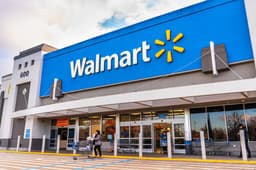
- Walmart's Market Position: Walmart's stock jumped 20% in 2026, allowing it to join the $1 trillion market cap club, showcasing its adaptability in the AI economy and solidifying its leading position in retail.
- Future Outlook: Analysts predict that as consumer demand rebounds in 2026, the fundamentals for the consumer staples sector are likely to improve, particularly with potential tax relief for lower-income households boosting product demand.
See More
Dividend Stocks to Consider Amid Market Volatility in 2026
- Target's Performance: Target (TGT), a Dividend King, has raised its dividend for 50 consecutive years, currently paying $4.56 with a 4% yield, significantly higher than the S&P 500's 1.1%, indicating a strong commitment to dividend growth; despite recent revenue challenges, the appointment of a new CEO may signal a turning point.
- Valuation Appeal: Target's stock trades at 14 times forward earnings, down from over 17 times a year ago, suggesting that investors might find this an attractive entry point for potential recovery while benefiting from passive income.
- Coca-Cola's Stability: Coca-Cola (KO) is also a Dividend King, offering a $2.04 dividend with a 2.5% yield, supported by robust free cash flow that ensures long-term dividend payments, appealing to income-focused investors.
- Brand Advantage: Coca-Cola's strong brand power and competitive edge continue to drive earnings growth, with a forward P/E ratio of about 24 times considered reasonable in the current market, allowing investors to earn passive income simply by holding the stock.
See More
The Investment Advantages of Berkshire Hathaway
- Diversified Portfolio: Berkshire Hathaway boasts over 60 subsidiaries across various sectors, including insurance, energy, construction, manufacturing, railroads, and dining, making its diversification comparable to some exchange-traded funds (ETFs).
- Indirect Stock Holdings: By owning shares of Berkshire, investors can indirectly hold positions in five other stocks, including Apple, Alphabet (Google's parent), Amazon, Chevron, and Mastercard, thereby achieving broader market exposure.
- Strong Long-term Prospects: Berkshire's portfolio also includes companies like American Express, Coca-Cola, and Visa, which have solid long-term growth potential, enhancing its investment appeal.
- Management Stability: Although Warren Buffett is no longer CEO, he remains confident in the company's future and believes that under Greg Abel's leadership, Berkshire's prospects will improve, demonstrating the stability of its governance and potential for continued growth.
See More
Investment Opportunities in Coca-Cola and Realty Income Amid Market Sell-Off
- Coca-Cola Sales Growth: In 2025, Coca-Cola's sales grew by 5% after adjusting for foreign currency effects and acquisitions, with price/mix contributing 4 percentage points and concentrate sales adding 1 percentage point, indicating sustained brand strength and market share growth despite inflationary pressures.
- Coca-Cola Dividend History: Coca-Cola has raised its dividend for 63 consecutive years, with the most recent increase exceeding 5%, and a payout ratio of 67% suggests the company has ample profits to support its dividends, making it attractive for long-term investors.
- Realty Income Stability: Realty Income reported an occupancy rate of nearly 99% in the third quarter and achieved a 3.5% rental rate increase on expiring leases, demonstrating resilience in the face of online retail threats and economic cycles.
- Realty Income Dividend Performance: Realty Income boasts a 5% dividend yield and has raised its dividends multiple times over the past 113 quarters, highlighting its stable cash flow as a REIT and its appeal to income-seeking investors.
See More
Alphabet's Strong Performance in the AI Market
- Market Share Growth: Alphabet's Google Gemini has captured 21% of the enterprise large language model market and is poised to surpass ChatGPT's 27% share by 2025, demonstrating its competitive edge and market leadership in the AI sector.
- Strong Financial Performance: In 2025, Alphabet generated $402.8 billion in revenue, a 15% increase year-over-year, with operating income nearing $130 billion and an operating margin of 32%, indicating robust profitability amid ongoing growth.
- Capital Expenditure Plans: Alphabet anticipates capital expenditures of $175-$185 billion for 2026, exceeding analyst expectations; however, with $30.7 billion in cash reserves and strong profitability, the company is well-positioned to support its data center expansion.
- Long-Term Debt Financing: Alphabet aims to raise $20 billion through the issuance of 100-year bonds, and despite its long-term debt of $46.5 billion, the company's diversified revenue streams and strong cash flow provide a solid financial foundation for taking on additional debt.
See More
Alphabet's AI Investment and Financial Outlook
- Significant Revenue Growth: Alphabet's revenue reached $402.8 billion in 2025, marking a 15% increase, indicating a robust financial position supported by diversified revenue streams that can sustain future investments.
- Capital Expenditure Plans: Anticipated capital expenditures for 2026 are projected to be between $175 billion and $185 billion, exceeding analyst expectations; despite the high costs of building data centers, Alphabet's cash reserves grew by 30% to $30.7 billion, showcasing its financial strength.
- AI Market Share Increase: Google Gemini has captured 21% of the enterprise large language model market and is poised to surpass ChatGPT, reflecting Alphabet's growing competitiveness in the AI sector, which could lead to higher revenue streams.
- Long-term Debt Financing: Alphabet plans to raise $20 billion through the issuance of 100-year bonds; while its long-term debt stands at $46.5 billion, its strong profitability and diversified revenue sources enable effective debt risk management.
See More
Consumer Staples Benefit from Market Rotation in 2026
- Sector Performance: In 2026, the consumer staples sector has surged over 15.5% in the S&P 500, becoming the third-best performing sector, indicating a growing investor preference for defensive stocks amid a market rotation.
- Valuation Surge: Wolfe Research noted that market-weighted valuations for consumer staples have reached their highest levels since the 1990s, reflecting increased investor confidence in the sector despite a lackluster overall market performance.
- Walmart's Market Position: Walmart's stock jumped 20% in 2026, allowing it to join the $1 trillion market cap club, showcasing its adaptability in the AI economy and solidifying its leading position in retail.
- Future Outlook: Analysts predict that as consumer demand rebounds in 2026, the fundamentals for the consumer staples sector are likely to improve, particularly with potential tax relief for lower-income households boosting product demand.
See More