

Could This Be the Most Underappreciated Method to Benefit from AI Infrastructure Investments?



AI Investment Boom: The demand for artificial intelligence (AI) is surging, with companies like Nvidia seeing a massive increase in stock value due to their powerful chips that support AI technology.
Diverse Investment Opportunities: Beyond chips, investors can explore opportunities in data centers through real estate investment trusts (REITs) like Digital Realty, and in utility stocks that will benefit from the increased electricity demand driven by AI infrastructure.
Vanguard Utilities ETF: For conservative investors, the Vanguard Utilities ETF offers a diversified way to invest in utility stocks, providing exposure to the growing demand for electricity associated with AI, with a low expense ratio and a decent dividend yield.
Stock Advisor Recommendations: While Vanguard Utilities ETF is a solid option, the Motley Fool's Stock Advisor has identified other stocks that may offer higher returns, emphasizing the importance of researching and considering various investment opportunities.
Trade with 70% Backtested Accuracy
Analyst Views on NUE

About NUE
About the author


U.S. Stocks Close Higher as Software Stocks Recover


- Market Recovery: The S&P 500 index rose by 0.05%, the Dow Jones Industrial Average by 0.10%, and the Nasdaq 100 by 0.18% on Friday, indicating a recovery after early losses, reflecting cautious optimism among investors regarding future economic prospects.
- Inflation Data Impact: The U.S. January Consumer Price Index rose by 2.4% year-over-year, below the expected 2.5%, marking the smallest increase in seven months, which may prompt the Fed to continue cutting rates, thus providing support for the stock market and alleviating concerns over rate hikes.
- Strong Software Stock Performance: Software stocks like Crowdstrike Holdings and ServiceNow rose over 4% and 3%, respectively, lifting the broader market and indicating a rebound in investor confidence in tech stocks, particularly amid rapid advancements in AI technology.
- Metal Stocks Retreat: Reports of the Trump administration's plans to narrow tariffs on steel and aluminum products led to declines in metal companies, with Century Aluminum falling over 7%, reflecting the negative impact of policy changes on the sector.

US Stocks Edge Up, Led by Chipmakers' Gains
- Chipmaker Rebound: Applied Materials (AMAT) reported Q1 adjusted EPS of $2.38, surpassing the consensus of $2.21, leading to a 10% stock price increase that helped lift the broader market, indicating strong recovery potential in tech stocks.
- Inflation Data Impact: The US January CPI rose 2.4% year-over-year, below the expected 2.5%, which may prompt the Fed to continue cutting rates, with the 10-year T-note yield falling to 4.05%, providing support for the market.
- Earnings Performance: Over two-thirds of S&P 500 companies have reported earnings, with 76% exceeding expectations, and Q4 earnings growth is projected at 8.4%, demonstrating corporate resilience and restoring market confidence.
- Market Sentiment Fluctuations: Despite the overall market rise, concerns over AI persist, putting pressure on certain stocks, particularly in tech and logistics, reflecting investor caution regarding future economic prospects.

US Stocks Decline Amid Rising AI Concerns

- Market Pressure Intensifies: The S&P 500 index fell by 0.22% and the Nasdaq 100 by 0.23%, reflecting investor concerns about AI technologies potentially disrupting multiple sectors, leading to a depressed market sentiment and extending Thursday's sharp losses.
- Inflation Data Impact: The US January Consumer Price Index rose by 2.4% year-over-year, below the expected 2.5%, marking the smallest increase in seven months, which drove the 10-year Treasury yield down to a 2.25-month low of 4.05%, potentially prompting the Fed to continue cutting rates.
- Earnings Optimism: Over two-thirds of S&P 500 companies have reported earnings, with 76% exceeding expectations, and Q4 earnings growth is projected at 8.4%, marking the tenth consecutive quarter of year-over-year growth, indicating resilience in corporate earnings.
- Tech Stocks Underperform: The so-called

Tariff Policy Reversal Triggers Metal Stocks Decline


- Swift Market Reaction: Steel and aluminum producers fell by 5-6% in early trading as investors began to price in the potential for increased foreign competition and diminished domestic pricing power, indicating market sensitivity to policy changes.
- Impact of Tariff Protection: Tariffs have provided a cushion for U.S. producers, supporting margins and limiting cheaper imports; if rolled back, this cushion thins, potentially compressing profit margins.
- Potential Cost Relief Opportunity: While metal producers' stocks declined, this shift hints at potential benefits for automakers, machinery manufacturers, and construction firms, as lower steel and aluminum input costs could improve downstream margins.
- Significance of Policy Changes: Policy shifts can reshape entire sectors overnight, with tariffs having defined the earnings power of U.S. steel and aluminum companies in recent years, and any hint of reversal could introduce significant market volatility.
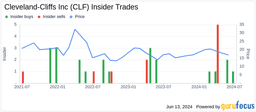
Trump Considers Reducing Aluminum and Steel Tariffs

- Tariff Policy Shift: President Trump is considering reducing aluminum and steel tariffs, a potential policy change that has garnered significant market attention and is expected to positively impact the related industries.
- Industry Response: Following the news, aluminum and steel sector stocks rose on Friday, reflecting investor optimism regarding the potential tariff reductions, which could enhance corporate profitability.
- Market Impact: If tariffs are lowered, production costs may decrease, thereby improving the competitiveness of U.S. manufacturing, fostering economic growth, and creating job opportunities.
- Strategic Implications: This policy adjustment could not only enhance the domestic market environment but also influence international trade relations, particularly in negotiations with major aluminum and steel producing countries.

Market Dynamics and Company Updates


- Inflation Data Decline: The January Consumer Price Index (CPI) rose 2.4% year-over-year, below the expected 2.5%, indicating easing inflationary pressures that could influence the Federal Reserve's monetary policy decisions, thereby positively impacting market sentiment.
- Tariff Adjustments: President Trump plans to roll back some tariffs on steel and aluminum, causing shares of U.S. steelmakers like Nucor and Cleveland-Cliffs to drop in premarket trading, reflecting market sensitivity to policy changes and their potential impact on related industries.
- Strong Performance from Applied Materials: The semiconductor equipment maker reported sales and earnings that exceeded expectations, with shares jumping 10%, indicating robust industry demand that may attract more investor interest in the sector's growth potential.
- DraftKings Performance Decline: The sportsbook operator's shares plunged over 15% after providing a disappointing 2026 revenue outlook, reflecting market concerns about its future growth, which may lead investors to reassess their investment strategies.
U.S. Stocks Close Higher as Software Stocks Recover
- Market Recovery: The S&P 500 index rose by 0.05%, the Dow Jones Industrial Average by 0.10%, and the Nasdaq 100 by 0.18% on Friday, indicating a recovery after early losses, reflecting cautious optimism among investors regarding future economic prospects.
- Inflation Data Impact: The U.S. January Consumer Price Index rose by 2.4% year-over-year, below the expected 2.5%, marking the smallest increase in seven months, which may prompt the Fed to continue cutting rates, thus providing support for the stock market and alleviating concerns over rate hikes.
- Strong Software Stock Performance: Software stocks like Crowdstrike Holdings and ServiceNow rose over 4% and 3%, respectively, lifting the broader market and indicating a rebound in investor confidence in tech stocks, particularly amid rapid advancements in AI technology.
- Metal Stocks Retreat: Reports of the Trump administration's plans to narrow tariffs on steel and aluminum products led to declines in metal companies, with Century Aluminum falling over 7%, reflecting the negative impact of policy changes on the sector.
US Stocks Edge Up, Led by Chipmakers' Gains
- Chipmaker Rebound: Applied Materials (AMAT) reported Q1 adjusted EPS of $2.38, surpassing the consensus of $2.21, leading to a 10% stock price increase that helped lift the broader market, indicating strong recovery potential in tech stocks.
- Inflation Data Impact: The US January CPI rose 2.4% year-over-year, below the expected 2.5%, which may prompt the Fed to continue cutting rates, with the 10-year T-note yield falling to 4.05%, providing support for the market.
- Earnings Performance: Over two-thirds of S&P 500 companies have reported earnings, with 76% exceeding expectations, and Q4 earnings growth is projected at 8.4%, demonstrating corporate resilience and restoring market confidence.
- Market Sentiment Fluctuations: Despite the overall market rise, concerns over AI persist, putting pressure on certain stocks, particularly in tech and logistics, reflecting investor caution regarding future economic prospects.
US Stocks Decline Amid Rising AI Concerns
- Market Pressure Intensifies: The S&P 500 index fell by 0.22% and the Nasdaq 100 by 0.23%, reflecting investor concerns about AI technologies potentially disrupting multiple sectors, leading to a depressed market sentiment and extending Thursday's sharp losses.
- Inflation Data Impact: The US January Consumer Price Index rose by 2.4% year-over-year, below the expected 2.5%, marking the smallest increase in seven months, which drove the 10-year Treasury yield down to a 2.25-month low of 4.05%, potentially prompting the Fed to continue cutting rates.
- Earnings Optimism: Over two-thirds of S&P 500 companies have reported earnings, with 76% exceeding expectations, and Q4 earnings growth is projected at 8.4%, marking the tenth consecutive quarter of year-over-year growth, indicating resilience in corporate earnings.
- Tech Stocks Underperform: The so-called
Tariff Policy Reversal Triggers Metal Stocks Decline
- Swift Market Reaction: Steel and aluminum producers fell by 5-6% in early trading as investors began to price in the potential for increased foreign competition and diminished domestic pricing power, indicating market sensitivity to policy changes.
- Impact of Tariff Protection: Tariffs have provided a cushion for U.S. producers, supporting margins and limiting cheaper imports; if rolled back, this cushion thins, potentially compressing profit margins.
- Potential Cost Relief Opportunity: While metal producers' stocks declined, this shift hints at potential benefits for automakers, machinery manufacturers, and construction firms, as lower steel and aluminum input costs could improve downstream margins.
- Significance of Policy Changes: Policy shifts can reshape entire sectors overnight, with tariffs having defined the earnings power of U.S. steel and aluminum companies in recent years, and any hint of reversal could introduce significant market volatility.
Trump Considers Reducing Aluminum and Steel Tariffs
- Tariff Policy Shift: President Trump is considering reducing aluminum and steel tariffs, a potential policy change that has garnered significant market attention and is expected to positively impact the related industries.
- Industry Response: Following the news, aluminum and steel sector stocks rose on Friday, reflecting investor optimism regarding the potential tariff reductions, which could enhance corporate profitability.
- Market Impact: If tariffs are lowered, production costs may decrease, thereby improving the competitiveness of U.S. manufacturing, fostering economic growth, and creating job opportunities.
- Strategic Implications: This policy adjustment could not only enhance the domestic market environment but also influence international trade relations, particularly in negotiations with major aluminum and steel producing countries.
Market Dynamics and Company Updates
- Inflation Data Decline: The January Consumer Price Index (CPI) rose 2.4% year-over-year, below the expected 2.5%, indicating easing inflationary pressures that could influence the Federal Reserve's monetary policy decisions, thereby positively impacting market sentiment.
- Tariff Adjustments: President Trump plans to roll back some tariffs on steel and aluminum, causing shares of U.S. steelmakers like Nucor and Cleveland-Cliffs to drop in premarket trading, reflecting market sensitivity to policy changes and their potential impact on related industries.
- Strong Performance from Applied Materials: The semiconductor equipment maker reported sales and earnings that exceeded expectations, with shares jumping 10%, indicating robust industry demand that may attract more investor interest in the sector's growth potential.
- DraftKings Performance Decline: The sportsbook operator's shares plunged over 15% after providing a disappointing 2026 revenue outlook, reflecting market concerns about its future growth, which may lead investors to reassess their investment strategies.


