4 Best Leveraged ETFs of Last Week
Written by Emily J. Thompson, Senior Investment Analyst
Updated: Dec 16 2024
0mins


Should l Buy TSLA?
Source: NASDAQ.COM
Market Performance: Wall Street experienced mixed results last week, with the S&P 500 down 0.6%, Dow Jones down 1.8%, and Nasdaq up 0.3%. Key inflation reports indicated a rise in consumer prices, leading to increased expectations for a rate cut by the Federal Reserve.
Top Performing ETFs: Tesla's stock surged 9.6% after hitting an all-time high, while Broadcom reported record earnings, causing its shares to jump 24.4%. Other notable ETFs included those tracking Alphabet and consumer discretionary sectors, reflecting strong investor confidence and optimism in the market.
Trade with 70% Backtested Accuracy
Stop guessing "Should I Buy TSLA?" and start using high-conviction signals backed by rigorous historical data.
Sign up today to access powerful investing tools and make smarter, data-driven decisions.
Analyst Views on TSLA
Wall Street analysts forecast TSLA stock price to fall
30 Analyst Rating
12 Buy
11 Hold
7 Sell
Hold
Current: 417.070

Low
25.28
Averages
401.93
High
600.00
Current: 417.070
Low
25.28
Averages
401.93
High
600.00
About TSLA
Tesla, Inc. designs, develops, manufactures, sells and leases high-performance fully electric vehicles and energy generation and storage systems, and offers services related to its products. Its segments include automotive, and energy generation and storage. The automotive segment includes the design, development, manufacturing, sales and leasing of high-performance fully electric vehicles, and sales of automotive regulatory credits. It also includes sales of used vehicles, non-warranty maintenance services and collisions, part sales, paid supercharging, insurance services revenue and retail merchandise sales. The energy generation and storage segment include the design, manufacture, installation, sales and leasing of solar energy generation and energy storage products and related services and sales of solar energy systems incentives. Its consumer vehicles include the Model 3, Y, S, X and Cybertruck. Its lithium-ion battery energy storage products include Powerwall and Megapack.
About the author

Emily J. Thompson
Emily J. Thompson, a Chartered Financial Analyst (CFA) with 12 years in investment research, graduated with honors from the Wharton School. Specializing in industrial and technology stocks, she provides in-depth analysis for Intellectia’s earnings and market brief reports.
Tesla Actively Recruiting AI Chip Designers in South Korea

- Recruitment Initiative: Tesla is actively recruiting AI chip designers in South Korea, aiming to enhance its AI chip production capabilities for electric vehicles and other technologies, indicating a proactive approach to future market demands.
- Chip Architecture Development: The project aims to develop the world's highest-volume AI chip architecture, with Tesla seeking to secure a competitive edge in the rapidly evolving market by enhancing the technological superiority of its electric vehicles.
- Application Requirements: Applicants are required to mention three challenging technical problems they have solved in their application emails, which aims to identify highly skilled individuals to support Tesla's chip production expansion strategy.
- Investment Expansion: Tesla is also hiring silicon module process engineers in locations like Austin and Palo Alto, demonstrating a comprehensive expansion plan in chip manufacturing, alongside a commitment to invest approximately $2 billion into xAI to bolster its technological capabilities.
See More
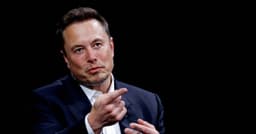
Tesla's Diversification Strategy Faces Challenges

- Stagnant EV Business: Despite a reduction in average production costs, Tesla's net profit per vehicle fell to just $4,000 by the end of 2023, significantly lower than the $10,000 achieved in 2022, indicating the adverse impact of intensified competition on profitability.
- New Business Ventures: Tesla plans to launch household robots priced between $20,000 and $30,000 by the end of 2027, a move that may be driven by the stagnation of its EV business, highlighting the company's urgent need for diversification.
- Intensified Market Competition: Global EV sales reached 20.7 million in 2023, a 21% increase, with competitors like BYD and Volkswagen capturing significant market share, suggesting that Tesla's dominance in the EV market is being challenged.
- Uncertain Future Outlook: While Tesla's prospects in autonomous driving and solar energy are promising, market skepticism remains regarding the profitability and timelines of its new ventures, as analysts generally value TSLA stock at only $422.09, reflecting investor uncertainty about future growth.
See More
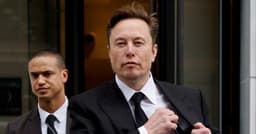
Tesla's Diversification Strategy Faces Challenges
- New Business Expansion: Tesla plans to launch household robots priced between $20,000 and $30,000 by the end of 2027, although the company's leadership in electric vehicles faces competitive pressures, and the profitability of these new ventures may take longer to materialize.
- Declining EV Profitability: As of the end of last year, Tesla's net profit per vehicle was only $4,000, significantly down from $10,000 in 2022, indicating severe challenges to profitability amid the ongoing EV price wars.
- Intensifying Market Competition: Global EV sales reached 20.7 million units in 2023, a 21% increase, with Tesla losing market share to competitors like BYD and Volkswagen, undermining its position in a rapidly growing market.
- Investor Confidence Shaken: Despite Musk's continued optimism about the future, analysts have set a target price of only $422.09 for Tesla stock, reflecting concerns about the outlook for its EV business, leading investors to adopt a cautious stance regarding the company's diversification strategy.
See More
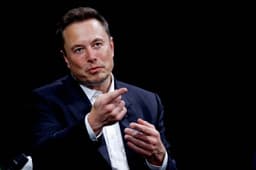
Musk Envisions Tesla's Autonomous Vehicle Future

- Autonomous Vision: Tesla CEO Elon Musk announced on Sunday that he expects the company to have the largest fleet of autonomous vehicles in the future, aligning with Tesla's long-term goals in the autonomous driving sector.
- Robotaxi Trials: Tesla is currently conducting trials of its Robotaxis in Austin, showcasing its advancements in self-driving technology and potentially laying the groundwork for future business models.
- AI Investment: The company is increasing its investments in artificial intelligence and machine learning to enhance its vehicles' self-driving capabilities, a strategy that will further solidify Tesla's leadership position in the electric vehicle market.
- Technological Competition: While Tesla relies heavily on cameras for its self-driving technology, Musk's vision contrasts with competitors like Waymo, which emphasizes standards that surpass human driving capabilities.
See More

U.S. DOJ Submits Epstein Report to Congress

- Report Overview: The U.S. DOJ submitted a six-page report to Congress under the Epstein Files Transparency Act, listing all government officials and politically exposed persons linked to Jeffrey Epstein and Ghislaine Maxwell, highlighting efforts for transparency.
- Record Categories and Privacy: The report outlines nine categories of released records, including flight logs and immunity agreements, while redacting victims' personal information and child sexual abuse materials to protect privacy rights as mandated by the Act.
- Political Controversy and Criticism: The Trump administration faces significant backlash for its handling of the Epstein investigation, with critics arguing that the lack of transparency in document releases has eroded public trust in government.
- List Controversy: The inclusion of hundreds of names in the report has sparked debate, with Rep. Ro Khanna questioning the relevance of deceased figures like Janis Joplin, raising concerns about the accuracy and fairness of the list.
See More

Lucid Group's Strategic Outlook for the Next Decade

- New Model Launch Plans: Lucid Group plans to release several new models in the coming years, particularly an electric SUV priced under $50,000, with production expected to start in late 2026 at its newly upgraded factory in Saudi Arabia, aiming to attract a broader consumer base and increase market share.
- Market Competition Pressure: Currently, Lucid's models are priced over $100,000, making them unaffordable for most consumers, while Tesla's Model 3 and Model Y account for 90% of its sales, indicating that Lucid must quickly adjust its strategy to remain competitive in the market.
- Strategic Shift Direction: Lucid's management has indicated a long-term goal of shifting sales focus from hardware to software, planning to supply advanced driving software to other EV manufacturers; however, the current financial constraints raise concerns about the feasibility of this transition, which is seen as crucial for long-term growth.
- Investor Focus: As Lucid gradually implements its strategic shift, investors should closely monitor its investments and developments in the software sector, particularly under the competitive pressure from rivals like Tesla, as the success of this pivot will directly impact its future market performance.
See More
Tesla Actively Recruiting AI Chip Designers in South Korea
- Recruitment Initiative: Tesla is actively recruiting AI chip designers in South Korea, aiming to enhance its AI chip production capabilities for electric vehicles and other technologies, indicating a proactive approach to future market demands.
- Chip Architecture Development: The project aims to develop the world's highest-volume AI chip architecture, with Tesla seeking to secure a competitive edge in the rapidly evolving market by enhancing the technological superiority of its electric vehicles.
- Application Requirements: Applicants are required to mention three challenging technical problems they have solved in their application emails, which aims to identify highly skilled individuals to support Tesla's chip production expansion strategy.
- Investment Expansion: Tesla is also hiring silicon module process engineers in locations like Austin and Palo Alto, demonstrating a comprehensive expansion plan in chip manufacturing, alongside a commitment to invest approximately $2 billion into xAI to bolster its technological capabilities.
See More
Tesla's Diversification Strategy Faces Challenges
- Stagnant EV Business: Despite a reduction in average production costs, Tesla's net profit per vehicle fell to just $4,000 by the end of 2023, significantly lower than the $10,000 achieved in 2022, indicating the adverse impact of intensified competition on profitability.
- New Business Ventures: Tesla plans to launch household robots priced between $20,000 and $30,000 by the end of 2027, a move that may be driven by the stagnation of its EV business, highlighting the company's urgent need for diversification.
- Intensified Market Competition: Global EV sales reached 20.7 million in 2023, a 21% increase, with competitors like BYD and Volkswagen capturing significant market share, suggesting that Tesla's dominance in the EV market is being challenged.
- Uncertain Future Outlook: While Tesla's prospects in autonomous driving and solar energy are promising, market skepticism remains regarding the profitability and timelines of its new ventures, as analysts generally value TSLA stock at only $422.09, reflecting investor uncertainty about future growth.
See More
Tesla's Diversification Strategy Faces Challenges
- New Business Expansion: Tesla plans to launch household robots priced between $20,000 and $30,000 by the end of 2027, although the company's leadership in electric vehicles faces competitive pressures, and the profitability of these new ventures may take longer to materialize.
- Declining EV Profitability: As of the end of last year, Tesla's net profit per vehicle was only $4,000, significantly down from $10,000 in 2022, indicating severe challenges to profitability amid the ongoing EV price wars.
- Intensifying Market Competition: Global EV sales reached 20.7 million units in 2023, a 21% increase, with Tesla losing market share to competitors like BYD and Volkswagen, undermining its position in a rapidly growing market.
- Investor Confidence Shaken: Despite Musk's continued optimism about the future, analysts have set a target price of only $422.09 for Tesla stock, reflecting concerns about the outlook for its EV business, leading investors to adopt a cautious stance regarding the company's diversification strategy.
See More
Musk Envisions Tesla's Autonomous Vehicle Future
- Autonomous Vision: Tesla CEO Elon Musk announced on Sunday that he expects the company to have the largest fleet of autonomous vehicles in the future, aligning with Tesla's long-term goals in the autonomous driving sector.
- Robotaxi Trials: Tesla is currently conducting trials of its Robotaxis in Austin, showcasing its advancements in self-driving technology and potentially laying the groundwork for future business models.
- AI Investment: The company is increasing its investments in artificial intelligence and machine learning to enhance its vehicles' self-driving capabilities, a strategy that will further solidify Tesla's leadership position in the electric vehicle market.
- Technological Competition: While Tesla relies heavily on cameras for its self-driving technology, Musk's vision contrasts with competitors like Waymo, which emphasizes standards that surpass human driving capabilities.
See More
U.S. DOJ Submits Epstein Report to Congress
- Report Overview: The U.S. DOJ submitted a six-page report to Congress under the Epstein Files Transparency Act, listing all government officials and politically exposed persons linked to Jeffrey Epstein and Ghislaine Maxwell, highlighting efforts for transparency.
- Record Categories and Privacy: The report outlines nine categories of released records, including flight logs and immunity agreements, while redacting victims' personal information and child sexual abuse materials to protect privacy rights as mandated by the Act.
- Political Controversy and Criticism: The Trump administration faces significant backlash for its handling of the Epstein investigation, with critics arguing that the lack of transparency in document releases has eroded public trust in government.
- List Controversy: The inclusion of hundreds of names in the report has sparked debate, with Rep. Ro Khanna questioning the relevance of deceased figures like Janis Joplin, raising concerns about the accuracy and fairness of the list.
See More
Lucid Group's Strategic Outlook for the Next Decade
- New Model Launch Plans: Lucid Group plans to release several new models in the coming years, particularly an electric SUV priced under $50,000, with production expected to start in late 2026 at its newly upgraded factory in Saudi Arabia, aiming to attract a broader consumer base and increase market share.
- Market Competition Pressure: Currently, Lucid's models are priced over $100,000, making them unaffordable for most consumers, while Tesla's Model 3 and Model Y account for 90% of its sales, indicating that Lucid must quickly adjust its strategy to remain competitive in the market.
- Strategic Shift Direction: Lucid's management has indicated a long-term goal of shifting sales focus from hardware to software, planning to supply advanced driving software to other EV manufacturers; however, the current financial constraints raise concerns about the feasibility of this transition, which is seen as crucial for long-term growth.
- Investor Focus: As Lucid gradually implements its strategic shift, investors should closely monitor its investments and developments in the software sector, particularly under the competitive pressure from rivals like Tesla, as the success of this pivot will directly impact its future market performance.
See More