With Renewables Surpassing Coal, Should You Consider Investing in Clean Energy ETFs?


Clean Power Revolution: Global solar and wind generation has surpassed electricity demand growth for the first time, with renewables generating more power than coal, indicating a significant shift towards clean energy.
U.S. Renewable Sector Challenges: The U.S. clean energy industry is facing a downturn, with significant declines in solar and wind installations attributed to policy changes and regulatory uncertainty, particularly under the current administration.
Global Demand Resilience: Despite challenges in the U.S., strong demand for renewable energy persists globally, driven by falling costs and the increasing energy needs of sectors like AI, suggesting a robust long-term outlook for clean energy.
Investment Opportunities: Clean energy ETFs, such as ICLN and PBW, are highlighted as potential investment opportunities, reflecting strong year-to-date performance and capturing growth across diverse renewable markets.
Trade with 70% Backtested Accuracy
Analyst Views on QCLN


No data
About the author


Report: Nearly 2,000 Power Projects Canceled by Developers This Year


Project Cancellations: Nearly 2,000 power projects, primarily in clean energy, were canceled in 2025 due to opposition from the Trump administration, local community pushback, and rising interconnection costs, totaling a loss of 266 GW in generation capacity.
Impact on Clean Energy: Clean energy projects faced the most cancellations, with utility-scale solar, battery storage, and wind projects losing significant capacity, while gas power projects also saw over 4 GW scrapped.
Local Opposition and Costs: Local resistance has particularly affected states with high electricity demand, such as Virginia and Ohio, while the failure to build necessary transmission lines has led to exorbitant interconnection costs.
Consequences for Electricity Prices: The cancellations threaten to increase electricity prices for consumers as demand continues to rise, with the report indicating that the lost capacity could exacerbate supply issues already evident in rising annual prices.
Judge overturns Trump's suspension of wind energy permits
Court Ruling on Wind Power Projects: A U.S. District Court judge ruled that the Trump administration did not adequately justify its suspension of leases and permits for new wind power projects, siding with 17 Democrat-led states and a New York clean energy group.
Legal Challenge Background: The ruling followed a lawsuit initiated by the states after the Interior Department halted construction on the Empire Wind offshore project, asserting that the broader pause on permitting has negative economic impacts.
COP30 Climate Summit Concludes: Abundant Warnings, Limited Action
COP30 Agreement Outcome: Delegates at the COP30 climate conference in Brazil reached a final agreement that disappointed environmental groups, lacking specific commitments to reduce reliance on fossil fuels and failing to address deforestation.
Roadmaps for Action: COP30 President André Corrêa do Lago acknowledged the shortcomings of the agreement and proposed to create non-binding roadmaps for transitioning away from fossil fuels, which would not have universal backing from all participating countries.
Adaptation Finance Commitment: The adopted declaration aims to triple adaptation finance by 2035 compared to 2025 levels, amounting to approximately $120 billion, but did not meet the demands of poorer nations for an earlier commitment.
Impact of U.S. Politics: The absence of President Trump, who has dismissed climate change initiatives, likely influenced the negotiations, allowing oil-producing countries to dilute the proposed actions during the conference.

Diginex Partners with EVIDENT to Provide Investors with Genuine Sustainability Insights on Digital Assets


Strategic Partnership Announcement: Diginex Limited has partnered with EVIDENT Group to enhance access to verified sustainability data for tokenized real-world assets, leading to a significant increase in Diginex's stock price.
Integration of Technologies: The partnership will integrate Diginex's sustainability reporting technology into EVIDENT's digital-asset platform, providing asset managers with tools to authenticate environmental and governance metrics.
Addressing Data Gaps: The collaboration aims to fill a data gap in sustainability-linked markets, enabling institutions to access real-time ESG information that meets regulatory standards for investments in renewable energy and carbon markets.
Leadership Insights: Diginex CEO Mark Blick emphasized the importance of trustworthy impact data in the evolving landscape of tokenized financial products, stating that the partnership will embed trust and transparency in tokenized markets.

ETF Movers on Thursday: LIT and QCLN

ETF Performance: The First Trust NASDAQ Clean Edge Green Energy Index Fund ETF is down approximately 4.7% in Thursday afternoon trading.
Underperforming Stocks: Key components of the ETF, such as Bloom Energy and Solaredge Technologies, experienced significant declines, with Bloom Energy down about 19.7% and Solaredge Technologies down about 13.6%.
Market Context: The article highlights the performance of specific ETFs and their components, indicating a challenging day for clean energy investments.
Author's Perspective: The views expressed in the article are those of the author and do not necessarily represent the opinions of Nasdaq, Inc.
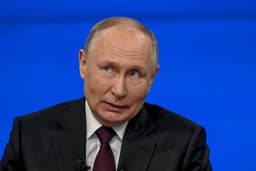
Could Putin's Pursuit of Rare Earths Endanger Clean Energy ETF Investments?

Putin's National Roadmap: Russian President Vladimir Putin has ordered the creation of a national roadmap for rare earth extraction by December, aiming to compete in the strategic minerals race and challenge China's dominance in refining.
Impact on Clean Energy ETFs: The focus on rare earth elements (REEs) introduces new uncertainties for clean energy ETFs, which have seen significant price increases this year, as they rely heavily on these critical inputs.
Emerging Commodities ETFs: ETFs like the VanEck Rare Earth/Strategic Metals ETF and Global X Lithium & Battery Tech ETF are gaining popularity as they provide exposure to mining and processing companies, reflecting a shift towards securing non-Chinese supply chains.
Investment Landscape Shift: Putin's actions may not derail clean energy ETFs but could reshape the investment landscape, emphasizing the need for portfolios that balance renewable energy sources with strategic mineral investments.
Report: Nearly 2,000 Power Projects Canceled by Developers This Year
Project Cancellations: Nearly 2,000 power projects, primarily in clean energy, were canceled in 2025 due to opposition from the Trump administration, local community pushback, and rising interconnection costs, totaling a loss of 266 GW in generation capacity.
Impact on Clean Energy: Clean energy projects faced the most cancellations, with utility-scale solar, battery storage, and wind projects losing significant capacity, while gas power projects also saw over 4 GW scrapped.
Local Opposition and Costs: Local resistance has particularly affected states with high electricity demand, such as Virginia and Ohio, while the failure to build necessary transmission lines has led to exorbitant interconnection costs.
Consequences for Electricity Prices: The cancellations threaten to increase electricity prices for consumers as demand continues to rise, with the report indicating that the lost capacity could exacerbate supply issues already evident in rising annual prices.
Judge overturns Trump's suspension of wind energy permits
Court Ruling on Wind Power Projects: A U.S. District Court judge ruled that the Trump administration did not adequately justify its suspension of leases and permits for new wind power projects, siding with 17 Democrat-led states and a New York clean energy group.
Legal Challenge Background: The ruling followed a lawsuit initiated by the states after the Interior Department halted construction on the Empire Wind offshore project, asserting that the broader pause on permitting has negative economic impacts.
COP30 Climate Summit Concludes: Abundant Warnings, Limited Action
COP30 Agreement Outcome: Delegates at the COP30 climate conference in Brazil reached a final agreement that disappointed environmental groups, lacking specific commitments to reduce reliance on fossil fuels and failing to address deforestation.
Roadmaps for Action: COP30 President André Corrêa do Lago acknowledged the shortcomings of the agreement and proposed to create non-binding roadmaps for transitioning away from fossil fuels, which would not have universal backing from all participating countries.
Adaptation Finance Commitment: The adopted declaration aims to triple adaptation finance by 2035 compared to 2025 levels, amounting to approximately $120 billion, but did not meet the demands of poorer nations for an earlier commitment.
Impact of U.S. Politics: The absence of President Trump, who has dismissed climate change initiatives, likely influenced the negotiations, allowing oil-producing countries to dilute the proposed actions during the conference.
Diginex Partners with EVIDENT to Provide Investors with Genuine Sustainability Insights on Digital Assets
Strategic Partnership Announcement: Diginex Limited has partnered with EVIDENT Group to enhance access to verified sustainability data for tokenized real-world assets, leading to a significant increase in Diginex's stock price.
Integration of Technologies: The partnership will integrate Diginex's sustainability reporting technology into EVIDENT's digital-asset platform, providing asset managers with tools to authenticate environmental and governance metrics.
Addressing Data Gaps: The collaboration aims to fill a data gap in sustainability-linked markets, enabling institutions to access real-time ESG information that meets regulatory standards for investments in renewable energy and carbon markets.
Leadership Insights: Diginex CEO Mark Blick emphasized the importance of trustworthy impact data in the evolving landscape of tokenized financial products, stating that the partnership will embed trust and transparency in tokenized markets.
ETF Movers on Thursday: LIT and QCLN
ETF Performance: The First Trust NASDAQ Clean Edge Green Energy Index Fund ETF is down approximately 4.7% in Thursday afternoon trading.
Underperforming Stocks: Key components of the ETF, such as Bloom Energy and Solaredge Technologies, experienced significant declines, with Bloom Energy down about 19.7% and Solaredge Technologies down about 13.6%.
Market Context: The article highlights the performance of specific ETFs and their components, indicating a challenging day for clean energy investments.
Author's Perspective: The views expressed in the article are those of the author and do not necessarily represent the opinions of Nasdaq, Inc.
Could Putin's Pursuit of Rare Earths Endanger Clean Energy ETF Investments?
Putin's National Roadmap: Russian President Vladimir Putin has ordered the creation of a national roadmap for rare earth extraction by December, aiming to compete in the strategic minerals race and challenge China's dominance in refining.
Impact on Clean Energy ETFs: The focus on rare earth elements (REEs) introduces new uncertainties for clean energy ETFs, which have seen significant price increases this year, as they rely heavily on these critical inputs.
Emerging Commodities ETFs: ETFs like the VanEck Rare Earth/Strategic Metals ETF and Global X Lithium & Battery Tech ETF are gaining popularity as they provide exposure to mining and processing companies, reflecting a shift towards securing non-Chinese supply chains.
Investment Landscape Shift: Putin's actions may not derail clean energy ETFs but could reshape the investment landscape, emphasizing the need for portfolios that balance renewable energy sources with strategic mineral investments.