Where Warren Buffett Goes, Wall Street Follows: The $25B Bill Binge

Rising Treasury Yields: Treasury yields are increasing due to political factors and a focus on short-term bonds, with investors favoring ultra-short bond ETFs amid uncertainty in the market.
Investor Behavior: Warren Buffett's significant investment in short-term T-bills reflects a broader trend where investors seek stability and yield in a volatile environment, leading to substantial inflows into these securities.
Trade with 70% Backtested Accuracy
Analyst Views on BIL


No data
About the author


SPDR Bloomberg Barclays 1-3 Month T-Bill ETF announces monthly payout of $0.2812

SPDR Bloomberg Barclays 1-3 Month T-Bill ETF: The ETF has a current price of $0.2812 and a 30-Day SEC Yield of 3.73% as of November 26, with dividends payable on December 4 for shareholders of record on December 1.
Treasury Yield Trends: The entire Treasury yield curve has increased since the Fed's rate cut, with the 10-year US Treasury yield falling below 4.00% as markets adjust expectations regarding the Fed's future actions.
Inflation Concerns: There is ongoing concern in the bond market about inflation and supply, which may impact the Federal Reserve's decision-making regarding interest rates.
Future Projections: Weekly Treasury simulations indicate that the most likely range for 3-month T-Bill rates ten years forward is projected to be between 1% to 2%, reflecting a slight upward adjustment in expectations.

State Street's SPDR Bloomberg 1-3 Month T-Bill ETF Sees Significant Inflow
BIL Share Price Analysis: BIL's current share price is $91.66, situated between its 52-week low of $91.29 and high of $91.80, with a reference to the 200-day moving average for technical analysis.
Understanding ETFs: Exchange-traded funds (ETFs) function like stocks, where investors buy and sell "units" that can be created or destroyed based on demand, impacting the underlying assets.
Monitoring ETF Flows: Weekly monitoring of changes in shares outstanding helps identify ETFs with significant inflows (new units created) or outflows (units destroyed), which can affect the underlying holdings.
Disclaimer on Views: The opinions expressed in the article are those of the author and do not necessarily represent the views of Nasdaq, Inc.

Bond ETFs Outshine Equities In Weekly Flows As Rate Cut Bets Build

Investor Trends in ETFs: U.S.-listed ETFs saw nearly $19 billion in inflows during the week ending August 8, primarily driven by fixed income investments, particularly bond ETFs which attracted $15.3 billion, reflecting a defensive market sentiment amid expectations of Federal Reserve rate cuts.
Market Outlook and Preferences: While bonds dominated the inflows, some equity ETFs like the Communication Services Select Sector SPDR Fund and Vanguard S&P 500 ETF also received significant attention, indicating selective buying as investors navigate geopolitical tensions and economic uncertainties.

This legendary investor has been shorting Treasury bonds. Here’s how to bet with him.


Druckenmiller's Investment Strategy: Legendary investor Stanley Druckenmiller has been shorting long-term U.S. Treasury bonds, allocating 15% to 25% of his portfolio to this strategy over the past year.
Market Impact and Attention: His significant bearish position on U.S. government debt gained notable attention in fall 2024, highlighting his approach to aligning policy with investment opportunities.

A professor testing ChatGPT’s stock-picking skills suggests brokers should worry

AI's Impact on Wall Street: Research by Alejandro Lopez-Lira, an assistant professor of finance, explores whether AI can replace Wall Street traders, focusing on stock-picking capabilities of AI chatbots like ChatGPT, DeepSeek, and Grok.
Positive Findings: Lopez-Lira has found promising results in using current AI technologies for trading equities, indicating a potential shift in the finance industry.
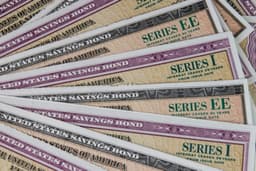
Where Warren Buffett Goes, Wall Street Follows: The $25B Bill Binge

Rising Treasury Yields: Treasury yields are increasing due to political factors and a focus on short-term bonds, with investors favoring ultra-short bond ETFs amid uncertainty in the market.
Investor Behavior: Warren Buffett's significant investment in short-term T-bills reflects a broader trend where investors seek stability and yield in a volatile environment, leading to substantial inflows into these securities.
SPDR Bloomberg Barclays 1-3 Month T-Bill ETF announces monthly payout of $0.2812
SPDR Bloomberg Barclays 1-3 Month T-Bill ETF: The ETF has a current price of $0.2812 and a 30-Day SEC Yield of 3.73% as of November 26, with dividends payable on December 4 for shareholders of record on December 1.
Treasury Yield Trends: The entire Treasury yield curve has increased since the Fed's rate cut, with the 10-year US Treasury yield falling below 4.00% as markets adjust expectations regarding the Fed's future actions.
Inflation Concerns: There is ongoing concern in the bond market about inflation and supply, which may impact the Federal Reserve's decision-making regarding interest rates.
Future Projections: Weekly Treasury simulations indicate that the most likely range for 3-month T-Bill rates ten years forward is projected to be between 1% to 2%, reflecting a slight upward adjustment in expectations.
State Street's SPDR Bloomberg 1-3 Month T-Bill ETF Sees Significant Inflow
BIL Share Price Analysis: BIL's current share price is $91.66, situated between its 52-week low of $91.29 and high of $91.80, with a reference to the 200-day moving average for technical analysis.
Understanding ETFs: Exchange-traded funds (ETFs) function like stocks, where investors buy and sell "units" that can be created or destroyed based on demand, impacting the underlying assets.
Monitoring ETF Flows: Weekly monitoring of changes in shares outstanding helps identify ETFs with significant inflows (new units created) or outflows (units destroyed), which can affect the underlying holdings.
Disclaimer on Views: The opinions expressed in the article are those of the author and do not necessarily represent the views of Nasdaq, Inc.
Bond ETFs Outshine Equities In Weekly Flows As Rate Cut Bets Build
Investor Trends in ETFs: U.S.-listed ETFs saw nearly $19 billion in inflows during the week ending August 8, primarily driven by fixed income investments, particularly bond ETFs which attracted $15.3 billion, reflecting a defensive market sentiment amid expectations of Federal Reserve rate cuts.
Market Outlook and Preferences: While bonds dominated the inflows, some equity ETFs like the Communication Services Select Sector SPDR Fund and Vanguard S&P 500 ETF also received significant attention, indicating selective buying as investors navigate geopolitical tensions and economic uncertainties.
This legendary investor has been shorting Treasury bonds. Here’s how to bet with him.
Druckenmiller's Investment Strategy: Legendary investor Stanley Druckenmiller has been shorting long-term U.S. Treasury bonds, allocating 15% to 25% of his portfolio to this strategy over the past year.
Market Impact and Attention: His significant bearish position on U.S. government debt gained notable attention in fall 2024, highlighting his approach to aligning policy with investment opportunities.
A professor testing ChatGPT’s stock-picking skills suggests brokers should worry
AI's Impact on Wall Street: Research by Alejandro Lopez-Lira, an assistant professor of finance, explores whether AI can replace Wall Street traders, focusing on stock-picking capabilities of AI chatbots like ChatGPT, DeepSeek, and Grok.
Positive Findings: Lopez-Lira has found promising results in using current AI technologies for trading equities, indicating a potential shift in the finance industry.
Where Warren Buffett Goes, Wall Street Follows: The $25B Bill Binge
Rising Treasury Yields: Treasury yields are increasing due to political factors and a focus on short-term bonds, with investors favoring ultra-short bond ETFs amid uncertainty in the market.
Investor Behavior: Warren Buffett's significant investment in short-term T-bills reflects a broader trend where investors seek stability and yield in a volatile environment, leading to substantial inflows into these securities.