Wall Street slips after rally as earnings, data eyed By Reuters


Market Overview: U.S. stocks experienced a slight decline as investors assessed corporate earnings and economic data, with the Dow Jones falling 0.16%, S&P 500 down 0.21%, and Nasdaq Composite decreasing by 0.89%. Strong bank earnings provided some support, while concerns about potential tariffs and inflation lingered.
Federal Reserve Insights: Comments from Fed Governor Christopher Waller suggested that interest rate cuts could occur sooner than expected due to easing inflation, impacting Treasury yields and market sentiment as investors anticipate future economic conditions.
Trade with 70% Backtested Accuracy
Analyst Views on BAC

About BAC
About the author

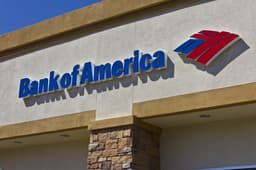
Bank of America Maintains Dividend Amid Strong Earnings and Moderate Outlook
- Dividend Stability: Bank of America's Board declared a $0.28 per share dividend for Q1 2026, matching the amount since July 2024, indicating stability amid strong earnings and boosting investor confidence.
- Earnings Beat: In Q4 2025, BofA reported an EPS of $0.98, exceeding the expected $0.96, with quarterly revenue of $28.4 billion surpassing forecasts of $27.55 billion, reflecting growth driven by lower provisions and a slight increase in net interest income.
- Cautious Outlook: Despite strong earnings, analysts noted a decline in BofA's stock post-results due to management's guidance for FY 2026 operating leverage at the low end of expectations, around 200 basis points, below the medium-term target range of 200 to 300 basis points.
- Market Competition Analysis: While BofA is viewed as a solid long-term investment, analysts suggest that certain AI stocks may offer greater upside potential and lower downside risk, highlighting a diverse focus on various investment opportunities in the market.

Coca-Cola Stock Performance Review


- Coca-Cola Stock Movement: Coca-Cola shares have gained 10.5% over the past three months, currently just off last week's high, indicating stable performance in the consumer goods sector.
- Market Performance Analysis: In 2026, the S&P Consumer Staples sector ranks third among 11 sectors with a 13% increase, benefiting Coca-Cola as a component stock from the overall positive market trend.
- Ford's Performance: Ford's stock has risen nearly 3% in the past three months, yet it is down 6% from last month's high, reflecting cautious market sentiment regarding its future performance.
- Boeing's Order Situation: Boeing shares have advanced 4% in the past month and 35% over the past year, although they are down 4% from the high hit about two weeks ago, highlighting market focus on its orders and delivery data.
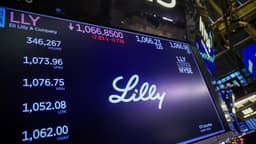
Market Update: Microsoft Downgrade, Kroger's New CEO Announcement


- Microsoft Downgrade: Melius Research downgraded Microsoft from buy to hold, citing that CEO Satya Nadella has lost the AI narrative and that the stock appears overpriced based on new free cash flow estimates, which may undermine investor confidence.
- Eli Lilly Acquires Orna: Eli Lilly announced the acquisition of biotech firm Orna Therapeutics for up to $2.4 billion, leading to a premarket surge in Eli Lilly and rival Novo Nordisk shares, indicating a positive market response towards biotech investments.
- Kroger's New CEO: Kroger's stock advanced nearly 7% in premarket trading after reports indicated that former Walmart executive Greg Foran will be appointed as the new CEO, having previously led Walmart's U.S. division for six years, suggesting a strategic shift for Kroger.
- Robinhood Upgrade: Wolfe Research upgraded Robinhood from hold to buy, despite the stock's recent decline amid a major cryptocurrency sell-off, as analysts believe its future potential remains strong, which could attract renewed investor interest.

Comparison of Vanguard Bond ETFs: Yield and Risk

- Yield and Risk Differences: Vanguard's VCIT ETF achieved nearly 9% returns over the past year with a 4.6% dividend yield, while VGIT offered around 7% returns and a 3.7% yield, indicating that VCIT compensates investors for taking on corporate credit risk with higher income.
- Cost and Size: Both ETFs charge an expense ratio of 0.03%, among the lowest in the bond ETF space, with VCIT managing $61.8 billion and VGIT $44.6 billion, reflecting greater market appeal and investor confidence in VCIT.
- Portfolio Composition: VCIT invests primarily in high-quality investment-grade corporate debt, including holdings in Meta and U.S. Treasuries, while VGIT focuses exclusively on U.S. government bonds, offering lower credit risk suitable for conservative investors.
- Market Volatility Response: During market volatility, VGIT typically attracts investors due to the safety of Treasuries, while VCIT may experience greater price fluctuations due to corporate credit risk, necessitating investors to choose based on their risk tolerance.

UiPath Attracts Institutional Investor Interest


- Institutional Investment Surge: Vanguard Group added 1.2 million shares in December, a 2.5% increase; BlackRock raised its stake by 6.9% as of September 30, 2025, while Bank of America and Morgan Stanley increased their positions by 9.8% and 11.21%, respectively, indicating strong institutional confidence in UiPath.
- Significant Revenue Growth: In Q3 of fiscal 2026, UiPath reported revenue of $411 million, a 16% year-over-year increase, with annual recurring revenue (ARR) hitting $1.78 billion, up 11%, showcasing robust performance in the SaaS sector.
- Expanding Customer Base: The number of customers with ARR over $100,000 grew by 12% to 2,506, while those exceeding $1 million increased by 10% to 333, reflecting UiPath's appeal and market penetration among high-value clients.
- Strong Cash Flow and Debt Position: The company saw free cash flow rise by 8.2% to $25.11 million, with a net cash position of $744.1 million and total debt of only $82 million, indicating solid financial health despite not yet achieving net profitability, suggesting strong future growth potential.

UBS Hires $1 Billion Advisory Team from Bank of America's Merrill Lynch


UBS Recruitment: UBS has hired a financial advisor team that previously managed $1 billion at Merrill.
Advisor Head Count: This recruitment indicates that UBS may be looking to counterbalance recent declines in its advisor head count with new hires this year.
Bank of America Maintains Dividend Amid Strong Earnings and Moderate Outlook
- Dividend Stability: Bank of America's Board declared a $0.28 per share dividend for Q1 2026, matching the amount since July 2024, indicating stability amid strong earnings and boosting investor confidence.
- Earnings Beat: In Q4 2025, BofA reported an EPS of $0.98, exceeding the expected $0.96, with quarterly revenue of $28.4 billion surpassing forecasts of $27.55 billion, reflecting growth driven by lower provisions and a slight increase in net interest income.
- Cautious Outlook: Despite strong earnings, analysts noted a decline in BofA's stock post-results due to management's guidance for FY 2026 operating leverage at the low end of expectations, around 200 basis points, below the medium-term target range of 200 to 300 basis points.
- Market Competition Analysis: While BofA is viewed as a solid long-term investment, analysts suggest that certain AI stocks may offer greater upside potential and lower downside risk, highlighting a diverse focus on various investment opportunities in the market.
Coca-Cola Stock Performance Review
- Coca-Cola Stock Movement: Coca-Cola shares have gained 10.5% over the past three months, currently just off last week's high, indicating stable performance in the consumer goods sector.
- Market Performance Analysis: In 2026, the S&P Consumer Staples sector ranks third among 11 sectors with a 13% increase, benefiting Coca-Cola as a component stock from the overall positive market trend.
- Ford's Performance: Ford's stock has risen nearly 3% in the past three months, yet it is down 6% from last month's high, reflecting cautious market sentiment regarding its future performance.
- Boeing's Order Situation: Boeing shares have advanced 4% in the past month and 35% over the past year, although they are down 4% from the high hit about two weeks ago, highlighting market focus on its orders and delivery data.
Market Update: Microsoft Downgrade, Kroger's New CEO Announcement
- Microsoft Downgrade: Melius Research downgraded Microsoft from buy to hold, citing that CEO Satya Nadella has lost the AI narrative and that the stock appears overpriced based on new free cash flow estimates, which may undermine investor confidence.
- Eli Lilly Acquires Orna: Eli Lilly announced the acquisition of biotech firm Orna Therapeutics for up to $2.4 billion, leading to a premarket surge in Eli Lilly and rival Novo Nordisk shares, indicating a positive market response towards biotech investments.
- Kroger's New CEO: Kroger's stock advanced nearly 7% in premarket trading after reports indicated that former Walmart executive Greg Foran will be appointed as the new CEO, having previously led Walmart's U.S. division for six years, suggesting a strategic shift for Kroger.
- Robinhood Upgrade: Wolfe Research upgraded Robinhood from hold to buy, despite the stock's recent decline amid a major cryptocurrency sell-off, as analysts believe its future potential remains strong, which could attract renewed investor interest.
Comparison of Vanguard Bond ETFs: Yield and Risk
- Yield and Risk Differences: Vanguard's VCIT ETF achieved nearly 9% returns over the past year with a 4.6% dividend yield, while VGIT offered around 7% returns and a 3.7% yield, indicating that VCIT compensates investors for taking on corporate credit risk with higher income.
- Cost and Size: Both ETFs charge an expense ratio of 0.03%, among the lowest in the bond ETF space, with VCIT managing $61.8 billion and VGIT $44.6 billion, reflecting greater market appeal and investor confidence in VCIT.
- Portfolio Composition: VCIT invests primarily in high-quality investment-grade corporate debt, including holdings in Meta and U.S. Treasuries, while VGIT focuses exclusively on U.S. government bonds, offering lower credit risk suitable for conservative investors.
- Market Volatility Response: During market volatility, VGIT typically attracts investors due to the safety of Treasuries, while VCIT may experience greater price fluctuations due to corporate credit risk, necessitating investors to choose based on their risk tolerance.
UiPath Attracts Institutional Investor Interest
- Institutional Investment Surge: Vanguard Group added 1.2 million shares in December, a 2.5% increase; BlackRock raised its stake by 6.9% as of September 30, 2025, while Bank of America and Morgan Stanley increased their positions by 9.8% and 11.21%, respectively, indicating strong institutional confidence in UiPath.
- Significant Revenue Growth: In Q3 of fiscal 2026, UiPath reported revenue of $411 million, a 16% year-over-year increase, with annual recurring revenue (ARR) hitting $1.78 billion, up 11%, showcasing robust performance in the SaaS sector.
- Expanding Customer Base: The number of customers with ARR over $100,000 grew by 12% to 2,506, while those exceeding $1 million increased by 10% to 333, reflecting UiPath's appeal and market penetration among high-value clients.
- Strong Cash Flow and Debt Position: The company saw free cash flow rise by 8.2% to $25.11 million, with a net cash position of $744.1 million and total debt of only $82 million, indicating solid financial health despite not yet achieving net profitability, suggesting strong future growth potential.
UBS Hires $1 Billion Advisory Team from Bank of America's Merrill Lynch
UBS Recruitment: UBS has hired a financial advisor team that previously managed $1 billion at Merrill.
Advisor Head Count: This recruitment indicates that UBS may be looking to counterbalance recent declines in its advisor head count with new hires this year.