U.S. power grid overhaul sparks opportunities as Global X showcases CEG, PWR, ETN, and SMR
Written by Emily J. Thompson, Senior Investment Analyst
Updated: Mar 21 2025
0mins

Source: SeekingAlpha
U.S. Energy Transformation: The U.S. is undergoing a significant energy transformation due to rising electricity demand from data centers and electrification initiatives, creating opportunities for companies involved in infrastructure development.
Investment Opportunities: Global X identifies key players like Constellation Energy, Quanta Services, Eaton Corp, and NuScale Power as leaders in the electrification revolution, presenting substantial investment prospects in the evolving energy economy.
Trade with 70% Backtested Accuracy
Stop guessing "Should I Buy CEG?" and start using high-conviction signals backed by rigorous historical data.
Sign up today to access powerful investing tools and make smarter, data-driven decisions.
Analyst Views on CEG
Wall Street analysts forecast CEG stock price to rise over the next 12 months. According to Wall Street analysts, the average 1-year price target for CEG is 412.82 USD with a low forecast of 350.00 USD and a high forecast of 520.00 USD. However, analyst price targets are subjective and often lag stock prices, so investors should focus on the objective reasons behind analyst rating changes, which better reflect the company's fundamentals.
11 Analyst Rating
8 Buy
3 Hold
0 Sell
Moderate Buy
Current: 247.060

Low
350.00
Averages
412.82
High
520.00
Current: 247.060
Low
350.00
Averages
412.82
High
520.00
About CEG
Constellation Energy Corporation is a producer of emissions-free energy and an energy supplier to businesses, homes and public sector customers nationwide. The Company’s nuclear, hydro, wind, and solar generation facilities have the generating capacity to power the equivalent of 16 million homes, providing about 10% of the nation's clean energy in the United States. Its segments include Mid-Atlantic, Midwest, New York, ERCOT, and Other Power Regions. Through its integrated business operations, it sells electricity, natural gas, and other energy-related products and sustainable solutions to various types of customers, including distribution utilities, municipalities, cooperatives, and commercial, industrial, public sector, and residential customers in markets across multiple geographic regions. Its nuclear fleet has a generating capacity of approximately 22 gigawatts (GWs). It operates approximately 10 GWs of natural gas, oil, hydroelectric, wind, and solar generation assets.
About the author

Emily J. Thompson
Emily J. Thompson, a Chartered Financial Analyst (CFA) with 12 years in investment research, graduated with honors from the Wharton School. Specializing in industrial and technology stocks, she provides in-depth analysis for Intellectia’s earnings and market brief reports.
Trump Administration Increases Investments in Critical Minerals


- Surge in Investments: The Trump administration has made unprecedented equity investments in at least 10 companies over the past year, including critical minerals and chipmakers, aiming to build a domestic supply chain and reduce reliance on China, indicating a proactive government role in economic strategy.
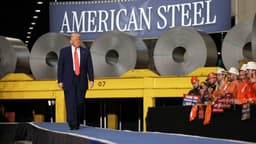
- U.S. Steel Golden Share: The administration secured a golden share in U.S. Steel as a condition for approving Nippon Steel's acquisition, granting the president veto power over key business decisions, which ensures stability and growth in the U.S. steel industry, reflecting direct government intervention in vital sectors.
- Strategic Deal with MP Materials: The Defense Department struck a landmark deal with MP Materials, investing $400 million in preferred stock with rights to purchase additional shares, positioning the Pentagon as the largest single shareholder and further solidifying U.S. dominance in the rare earth mining sector.
- L3Harris and Defense Partnership: L3Harris announced a proposed partnership with the U.S. government, where the Pentagon will invest $1 billion in its rocket motor business, with plans for an IPO in the second half of 2026, allowing the Pentagon's investment to convert into common equity, enhancing the capital base of the defense industry.
See More

Energy Stocks Surge Driven by AI Demand

- Bloom Energy Revenue Surge: Bloom Energy reported a record revenue increase of 57.1% year-over-year in Q3 2025, driven by partnerships with tech giants like Oracle and CoreWeave, which provide steady revenue streams and highlight strong market demand in the AI data center sector.
- Nuclear Market Outlook: Constellation Energy, the largest nuclear operator in the U.S. with 21 reactors and 55 gigawatts of capacity, is well-positioned as data center power demand is projected to reach 106 gigawatts by 2035, a 36% increase from previous forecasts, laying a solid foundation for growth over the next decade.
- Centrus Energy Growth Potential: Centrus Energy experienced a 30% year-over-year sales increase in Q3 2025 and has secured government waivers for 2026 and 2027, establishing a strong position in the small modular reactor market, which is expected to benefit from rising nuclear energy demand.
- AI Demand Driving Energy Investments: With electricity demand from AI workloads expected to double by 2030, companies like Bloom Energy, Constellation Energy, and Centrus Energy are strategically positioned to capitalize on this trend, potentially leading to significant revenue growth in the coming years.
See More

Investment Opportunities in the Energy Sector
- Bloom Energy Performance: Bloom Energy (BE) achieved a 57.1% year-over-year sales increase in Q3 2025, securing partnerships with tech giants like Oracle and CoreWeave, which ensures stable revenue for several years and highlights strong market demand in the AI data center sector.
- Stability of Nuclear Energy: Constellation Energy (CEG), the largest nuclear operator in the U.S. with 21 reactors, is well-positioned as data center power demand is projected to reach 106 gigawatts by 2035, a 36% increase from previous forecasts, providing the company with a long-term competitive advantage over the next decade.
- Centrus Energy's Market Potential: Centrus Energy (LEU) reported a 30% year-over-year sales increase in Q3 2025 and maintains a good relationship with the U.S. government, securing waivers for 2026 and 2027, positioning itself to benefit from government policies aimed at tripling nuclear capacity by 2050.
- AI Demand Driving Energy Growth: With the surge in AI workloads, electricity demand is expected to double by 2030, benefiting companies like Bloom Energy and Constellation Energy, further solidifying their positions in the energy market.
See More

Nuclear Energy Market Resurgence and Investment Outlook


- Nuclear Demand Surge: The resurgence of nuclear energy demand, driven by big tech and AI growth, is expected to push nuclear power's contribution to nearly 20% of total electricity generation in the U.S., creating new growth opportunities for related companies.
- Nano Performance: Since its IPO in 2024, Nano Nuclear Energy's shares have skyrocketed nearly 600%, and despite a net loss of $40.1 million in 2025, its cash position improved to $203.3 million, indicating potential in the micro-reactor market.
- Constellation Diversification: As the largest nuclear power company in the U.S., Constellation generated $19.1 billion in revenue in the first nine months of 2025, a nearly 7% year-over-year increase, although its earnings per share fell by 34%, yet its diverse energy portfolio provides stability amid fluctuating nuclear demand.
- Investment Risks and Opportunities: While Nano's smaller market cap leads to higher volatility, its potential in emerging markets attracts investors; conversely, Constellation is viewed as a safer investment due to its stable revenue and growth track record.
See More

Severe Cold Strain on Electric Grid: Nuclear Power and Batteries Proved Reliable.
- Extreme Cold Weather: A significant period of extreme cold has impacted the United States over the past two weeks.
- Impact on Electrical Grid: This severe weather has put considerable strain on the country's electrical grid.
See More

Nuclear Power Resurgence Driven by Big Tech Demand
- Nuclear Market Growth: The rising demand for artificial intelligence is driving a resurgence in nuclear power, which currently accounts for nearly 20% of U.S. electricity generation, with the Trump administration advocating for further nuclear development, potentially creating new growth opportunities for related companies.
- Nano Overview: Founded in 2020 and going public in 2024, Nano Nuclear Energy specializes in micro reactors and portable nuclear batteries; despite having no revenue, it has improved its cash position to $203.3 million, indicating sustainability for the next few years.
- Constellation's Strength: As the largest nuclear energy company in the U.S., Constellation Energy reported $19.1 billion in revenue for the first nine months of 2025, a nearly 7% year-over-year increase, although its earnings per share fell by 34%, its diversified energy portfolio provides stable revenue sources.
- Investment Choice Analysis: While Nano's stock has surged over 595% in the past three years, its lack of profitability makes it riskier; in contrast, Constellation is viewed as a safer investment due to its stable revenue and diversified energy structure, appealing to investors seeking long-term growth.
See More
Trump Administration Increases Investments in Critical Minerals
- Surge in Investments: The Trump administration has made unprecedented equity investments in at least 10 companies over the past year, including critical minerals and chipmakers, aiming to build a domestic supply chain and reduce reliance on China, indicating a proactive government role in economic strategy.
- U.S. Steel Golden Share: The administration secured a golden share in U.S. Steel as a condition for approving Nippon Steel's acquisition, granting the president veto power over key business decisions, which ensures stability and growth in the U.S. steel industry, reflecting direct government intervention in vital sectors.
- Strategic Deal with MP Materials: The Defense Department struck a landmark deal with MP Materials, investing $400 million in preferred stock with rights to purchase additional shares, positioning the Pentagon as the largest single shareholder and further solidifying U.S. dominance in the rare earth mining sector.
- L3Harris and Defense Partnership: L3Harris announced a proposed partnership with the U.S. government, where the Pentagon will invest $1 billion in its rocket motor business, with plans for an IPO in the second half of 2026, allowing the Pentagon's investment to convert into common equity, enhancing the capital base of the defense industry.
See More
Energy Stocks Surge Driven by AI Demand
- Bloom Energy Revenue Surge: Bloom Energy reported a record revenue increase of 57.1% year-over-year in Q3 2025, driven by partnerships with tech giants like Oracle and CoreWeave, which provide steady revenue streams and highlight strong market demand in the AI data center sector.
- Nuclear Market Outlook: Constellation Energy, the largest nuclear operator in the U.S. with 21 reactors and 55 gigawatts of capacity, is well-positioned as data center power demand is projected to reach 106 gigawatts by 2035, a 36% increase from previous forecasts, laying a solid foundation for growth over the next decade.
- Centrus Energy Growth Potential: Centrus Energy experienced a 30% year-over-year sales increase in Q3 2025 and has secured government waivers for 2026 and 2027, establishing a strong position in the small modular reactor market, which is expected to benefit from rising nuclear energy demand.
- AI Demand Driving Energy Investments: With electricity demand from AI workloads expected to double by 2030, companies like Bloom Energy, Constellation Energy, and Centrus Energy are strategically positioned to capitalize on this trend, potentially leading to significant revenue growth in the coming years.
See More
Investment Opportunities in the Energy Sector
- Bloom Energy Performance: Bloom Energy (BE) achieved a 57.1% year-over-year sales increase in Q3 2025, securing partnerships with tech giants like Oracle and CoreWeave, which ensures stable revenue for several years and highlights strong market demand in the AI data center sector.
- Stability of Nuclear Energy: Constellation Energy (CEG), the largest nuclear operator in the U.S. with 21 reactors, is well-positioned as data center power demand is projected to reach 106 gigawatts by 2035, a 36% increase from previous forecasts, providing the company with a long-term competitive advantage over the next decade.
- Centrus Energy's Market Potential: Centrus Energy (LEU) reported a 30% year-over-year sales increase in Q3 2025 and maintains a good relationship with the U.S. government, securing waivers for 2026 and 2027, positioning itself to benefit from government policies aimed at tripling nuclear capacity by 2050.
- AI Demand Driving Energy Growth: With the surge in AI workloads, electricity demand is expected to double by 2030, benefiting companies like Bloom Energy and Constellation Energy, further solidifying their positions in the energy market.
See More
Nuclear Energy Market Resurgence and Investment Outlook
- Nuclear Demand Surge: The resurgence of nuclear energy demand, driven by big tech and AI growth, is expected to push nuclear power's contribution to nearly 20% of total electricity generation in the U.S., creating new growth opportunities for related companies.
- Nano Performance: Since its IPO in 2024, Nano Nuclear Energy's shares have skyrocketed nearly 600%, and despite a net loss of $40.1 million in 2025, its cash position improved to $203.3 million, indicating potential in the micro-reactor market.
- Constellation Diversification: As the largest nuclear power company in the U.S., Constellation generated $19.1 billion in revenue in the first nine months of 2025, a nearly 7% year-over-year increase, although its earnings per share fell by 34%, yet its diverse energy portfolio provides stability amid fluctuating nuclear demand.
- Investment Risks and Opportunities: While Nano's smaller market cap leads to higher volatility, its potential in emerging markets attracts investors; conversely, Constellation is viewed as a safer investment due to its stable revenue and growth track record.
See More
Severe Cold Strain on Electric Grid: Nuclear Power and Batteries Proved Reliable.
- Extreme Cold Weather: A significant period of extreme cold has impacted the United States over the past two weeks.
- Impact on Electrical Grid: This severe weather has put considerable strain on the country's electrical grid.
See More
Nuclear Power Resurgence Driven by Big Tech Demand
- Nuclear Market Growth: The rising demand for artificial intelligence is driving a resurgence in nuclear power, which currently accounts for nearly 20% of U.S. electricity generation, with the Trump administration advocating for further nuclear development, potentially creating new growth opportunities for related companies.
- Nano Overview: Founded in 2020 and going public in 2024, Nano Nuclear Energy specializes in micro reactors and portable nuclear batteries; despite having no revenue, it has improved its cash position to $203.3 million, indicating sustainability for the next few years.
- Constellation's Strength: As the largest nuclear energy company in the U.S., Constellation Energy reported $19.1 billion in revenue for the first nine months of 2025, a nearly 7% year-over-year increase, although its earnings per share fell by 34%, its diversified energy portfolio provides stable revenue sources.
- Investment Choice Analysis: While Nano's stock has surged over 595% in the past three years, its lack of profitability makes it riskier; in contrast, Constellation is viewed as a safer investment due to its stable revenue and diversified energy structure, appealing to investors seeking long-term growth.
See More