U.S. Directs Washington Coal Plant to Remain Operational to Prevent Winter Shortages
Emergency Mandate Issued: The Trump administration mandated that Washington state's Centralia Generating Station continue operations past its planned retirement date due to concerns over potential electricity shortages in the Pacific Northwest during severe winter weather.
Federal Intervention Pattern: This directive is part of a broader strategy utilizing federal emergency powers to keep aging fossil fuel facilities operational, with similar orders issued for other plants in Michigan and Pennsylvania earlier in 2025.
Long-term Energy Transition: TransAlta Corp. plans to convert the Centralia facility to natural gas by late 2028, aiming to reduce carbon intensity by approximately 50%, despite the temporary extension of coal operations.
Criticism and Legal Concerns: The emergency order has faced backlash from state officials and environmental groups, who argue it contradicts state laws aimed at phasing out coal and could lead to higher utility costs and health issues for local communities.
Trade with 70% Backtested Accuracy
Analyst Views on XLU


No data
About the author

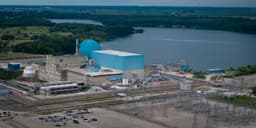
Nuclear Stocks Poised for Growth: NuScale Power, Constellation Energy, and More


- Market Theme Reset: Strong market themes often require a reset before advancing, and nuclear stocks are currently undergoing this phase.
- Nuclear Stocks Movement: The movement of nuclear stocks indicates they are in a transitional period, potentially setting the stage for future growth.

Countering the Bubble: A Protective Fund Portfolio for Current Conditions


Types of Market Crashes: Stock market bubbles can lead to two distinct types of crashes when they burst: sector-specific crashes and systemic crashes.
Sector-Specific Crashes: An example of a sector-specific crash is the dot-com collapse that occurred between 2000 and 2002, which primarily affected technology stocks.
Systemic Crashes: In contrast, systemic crashes impact the entire market, as seen during the financial crisis of 2008-09, where widespread declines occurred across various sectors.
Uniqueness of Bubbles: Each stock market bubble is unique, much like snowflakes, indicating that the circumstances and outcomes of each bubble's burst can vary significantly.

Top Income Opportunities for 2026: Dividend Stocks, Energy Pipelines, and More Recommended Choices


- Bond Market Performance: The bond market experienced its best year since 2020, surprising income investors who were losing hope.
- Future Outlook: Despite some emerging risks, the outlook for the bond market in 2026 remains positive.

UBS Identifies Key Factors to Boost Stock Market Momentum in 2026


Market Performance: The S&P 500 has achieved a 16% return in 2025, but investors are advised to look beyond the final week of the year.
Focus on Future Catalysts: Key factors that could drive market momentum into early 2026 include earnings growth, leadership changes at the Federal Reserve, and a Supreme Court ruling on President Trump's tariffs.
Expert Insight: Ulrike Hoffman-Burchardi, UBS Wealth Management's chief investment officer, emphasizes that the catalysts for 2026 are more significant than the potential for a year-end rally.
Investment Strategy: Investors should prioritize understanding these upcoming catalysts rather than being distracted by short-term market fluctuations.

State Street® Utilities Select Sector SPDR® ETF announces dividend of $0.3172
Dividend Declaration: State Street® Utilities Select Sector SPDR® ETF (XLU) has declared a quarterly dividend of $0.3172 per share, payable on December 24 to shareholders of record on December 22, with an ex-dividend date also on December 22.
Yield Information: The 30-Day SEC Yield for XLU is reported at 2.73% as of December 18.
Market Predictions: Insights are provided on the 2026 market outlook, discussing potential sector outperformers and laggards as the market undergoes changes.
Energy Supply Issues: The U.S. has ordered a Washington coal plant to remain operational to prevent winter energy shortages, while the Pacific Northwest has experienced significant power outages due to severe storms.

Utilities Are Struggling: 2 Stocks Worth Considering for Purchase.

- Utility Stocks Performance: Utility stocks are currently experiencing a decline in value.
- Investment Opportunity: Despite the downturn, they are considered undervalued and present a compelling investment opportunity.
Nuclear Stocks Poised for Growth: NuScale Power, Constellation Energy, and More
- Market Theme Reset: Strong market themes often require a reset before advancing, and nuclear stocks are currently undergoing this phase.
- Nuclear Stocks Movement: The movement of nuclear stocks indicates they are in a transitional period, potentially setting the stage for future growth.
Countering the Bubble: A Protective Fund Portfolio for Current Conditions
Types of Market Crashes: Stock market bubbles can lead to two distinct types of crashes when they burst: sector-specific crashes and systemic crashes.
Sector-Specific Crashes: An example of a sector-specific crash is the dot-com collapse that occurred between 2000 and 2002, which primarily affected technology stocks.
Systemic Crashes: In contrast, systemic crashes impact the entire market, as seen during the financial crisis of 2008-09, where widespread declines occurred across various sectors.
Uniqueness of Bubbles: Each stock market bubble is unique, much like snowflakes, indicating that the circumstances and outcomes of each bubble's burst can vary significantly.
Top Income Opportunities for 2026: Dividend Stocks, Energy Pipelines, and More Recommended Choices
- Bond Market Performance: The bond market experienced its best year since 2020, surprising income investors who were losing hope.
- Future Outlook: Despite some emerging risks, the outlook for the bond market in 2026 remains positive.
UBS Identifies Key Factors to Boost Stock Market Momentum in 2026
Market Performance: The S&P 500 has achieved a 16% return in 2025, but investors are advised to look beyond the final week of the year.
Focus on Future Catalysts: Key factors that could drive market momentum into early 2026 include earnings growth, leadership changes at the Federal Reserve, and a Supreme Court ruling on President Trump's tariffs.
Expert Insight: Ulrike Hoffman-Burchardi, UBS Wealth Management's chief investment officer, emphasizes that the catalysts for 2026 are more significant than the potential for a year-end rally.
Investment Strategy: Investors should prioritize understanding these upcoming catalysts rather than being distracted by short-term market fluctuations.
State Street® Utilities Select Sector SPDR® ETF announces dividend of $0.3172
Dividend Declaration: State Street® Utilities Select Sector SPDR® ETF (XLU) has declared a quarterly dividend of $0.3172 per share, payable on December 24 to shareholders of record on December 22, with an ex-dividend date also on December 22.
Yield Information: The 30-Day SEC Yield for XLU is reported at 2.73% as of December 18.
Market Predictions: Insights are provided on the 2026 market outlook, discussing potential sector outperformers and laggards as the market undergoes changes.
Energy Supply Issues: The U.S. has ordered a Washington coal plant to remain operational to prevent winter energy shortages, while the Pacific Northwest has experienced significant power outages due to severe storms.
Utilities Are Struggling: 2 Stocks Worth Considering for Purchase.
- Utility Stocks Performance: Utility stocks are currently experiencing a decline in value.
- Investment Opportunity: Despite the downturn, they are considered undervalued and present a compelling investment opportunity.