Trump's team seeks Taiwan's assistance in training workers for US chip manufacturing, sources reveal.
Taiwan-U.S. Trade Negotiations: The U.S. is negotiating a deal with Taiwan that may involve Taiwanese companies, including TSMC, investing in U.S. semiconductor manufacturing and training American workers, while Taiwan seeks to reduce tariffs on its exports to the U.S.
Investment Comparisons: Taiwan's proposed investment in the U.S. is expected to be smaller than those pledged by South Korea and Japan, which have committed $350 billion and $550 billion, respectively, to reduce U.S. tariffs.
Challenges in U.S. Operations: TSMC has faced difficulties in finding skilled workers for its U.S. projects, leading to increased costs and delays in building its new factory in Arizona.
Geopolitical Implications: Any agreement with Taiwan could provoke tensions with China, as Taiwan is claimed by Beijing, and the U.S. remains Taiwan's key international supporter despite the absence of formal diplomatic relations.
Trade with 70% Backtested Accuracy
Analyst Views on NVDA

About NVDA
About the author


Nvidia vs. Oracle: Compelling Investment Stories

- Nvidia's Market Performance: Nvidia's stock has surged over 700% in the past three years, pushing its market capitalization beyond $4 trillion, making it the largest company globally, which highlights its dominant position in high-performance AI applications and attracts significant investor interest.
- Oracle's Market Challenges: Oracle, with a market cap of $440 billion, has seen its stock drop over 52% since last September, primarily due to high spending on AI infrastructure and a debt exceeding $100 billion, raising concerns about its financial health among investors.
- Financial Performance Highlights: Oracle's recent Q2 FY2026 earnings report revealed a 14% year-over-year revenue increase to $16.05 billion, with net income soaring 95% to $6.13 billion, including a $2.7 billion pre-tax gain, showcasing its strong growth potential in the cloud computing sector.
- Future Growth Expectations: Despite facing debt pressures, Oracle's forward price-to-earnings ratio stands at just 19.8, indicating that its stock is at a two-year low, and analysts expect significant revenue growth in the future, potentially providing a good buying opportunity for investors.
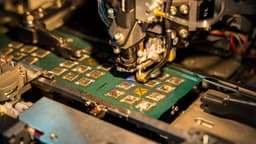
Montage Technology Shares Surge 60% on Hong Kong Debut, Raising $902 Million
- Strong Debut Performance: Montage Technology's shares surged approximately 60% on their Hong Kong debut, climbing from the offering price of HK$106.89 to HK$171, indicating robust market demand for its high-performance semiconductors and reinforcing its position in the cloud computing and AI sectors.
- Significant Fundraising: The IPO raised $902 million, reflecting strong investor interest in Chinese AI and semiconductor firms, particularly as the public tranche was oversubscribed by more than 700 times and the international offering was nearly 38 times covered.
- Intensifying Market Competition: Despite Montage's successful listing, competition is heating up, with Huawei and its chip unit HiSilicon holding a leading share of the domestic market, suggesting that the push for self-sufficiency will lead to fiercer rivalry within the industry.
- Evolving Policy Landscape: As the Chinese government intensifies efforts for self-sufficiency in advanced chips, the recent approval for Nvidia's H200 imports under specific conditions highlights the uncertainty in policy that could impact market dynamics.
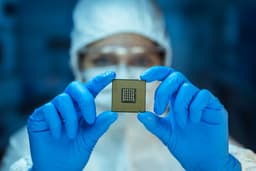
Intel CEO Discusses Future Growth and Tech Investments


- Surging Market Demand: Intel's server CPU demand is skyrocketing due to the proliferation of AI applications, and although management anticipates a sequential decline in shipments for Q1 due to undersupply, new supply is expected to come online by the end of Q1, driving rapid growth in the data center business.
- Price Increase Strategy: Intel plans to raise server CPU prices by 10% for Chinese customers, which will not only boost revenue but also reflect the company's pricing power and competitiveness, especially against the backdrop of surging AI demand.
- Capacity Improvement and Customer Confidence: By recruiting external suppliers to assist with production, Intel has improved yields by 7% to 8% monthly on its 18A node, enhancing customer confidence in its foundry services and likely attracting more clients for collaboration.
- Ongoing Technology Investments: Despite cost-cutting measures, Intel continues to invest in GPUs and new materials, particularly glass substrates and potentially diamond materials, indicating the company's commitment to innovation while still prioritizing the traditional CPU market's demands.

Intel CEO Discusses Future Growth Opportunities
- Surging Market Demand: Intel's server CPU demand is skyrocketing as AI applications shift from model training to executing everyday tasks, with CEO Tan noting that customer demand is outpacing production capacity, leading to expectations of higher sales volumes and prices in 2026.
- Price Increase Strategy: Intel plans to raise server CPU prices by 10% for Chinese customers, which will help boost revenue in its Data Center and AI (DCAI) segment, despite generating only $16.9 billion in 2025, significantly lower than the $26.1 billion peak in 2020.
- Capacity Improvement Plans: Tan revealed that Intel is improving yields for its 18A node by recruiting outside suppliers, with current yields increasing by 7% to 8% per month, which will enhance customer confidence in Intel's foundry services and attract more external clients.
- Future Technology Investments: Despite streamlining operations through layoffs, Tan committed to ongoing investments in GPUs and novel materials, including glass substrates and diamond materials, to enhance future chip performance, demonstrating Intel's continued dedication to technological innovation.
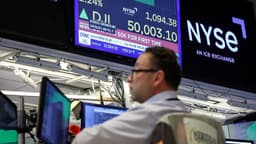
Seattle Seahawks Win Super Bowl, Dow Surpasses 50,000


- Market Surge: The Dow Jones Industrial Average surged over 1,200 points on Friday, surpassing the 50,000 mark for the first time, closing the week up 2.5%, indicating a strong recovery in market sentiment despite earlier tech stock sell-offs.
- Bitcoin Rebound: Bitcoin rebounded above $70,000 on Friday, recovering from a sharp drop that nearly brought it below $60,000, reflecting a renewed confidence in the cryptocurrency market, although it remains over 50% off its all-time high.
- Super Bowl Advertising Boom: During the Super Bowl, NBC's average price for a 30-second ad reached $8 million, with some slots exceeding $10 million, highlighting strong demand in the advertising market, particularly from AI companies.
- Legal Battle Between Hims and Novo: Novo Nordisk is suing Hims & Hers over alleged copycat versions of its Wegovy obesity drug, leading Hims to announce the withdrawal of its product, which caused its shares to drop over 20% before the market opened.
Major Wall Street Rating Updates on Monday


- Robinhood Upgrade: Wolfe upgraded Robinhood from Peer Perform to Outperform to capitalize on the recent selloff due to deteriorating sentiment in the crypto ecosystem, indicating that investors should seize the buying opportunity.
- Bullish on TeraWulf and Cipher Mining: Morgan Stanley initiated coverage on TeraWulf and Cipher Mining with an Overweight rating, citing significant upside potential from attractive valuations in the bitcoin mining sector.
- Timken's New CEO Drives Growth: KeyBanc upgraded Timken from Sector Weight to Overweight with a $130 price target, primarily based on expectations that new CEO Lucian Boldea will enhance organic growth initiatives and improve margins.
- Align Technologies Brand Strength: HSBC upgraded Align Technologies from Hold to Buy, emphasizing that its strong brand presence and R&D culture are key long-term growth drivers in the orthodontics market.
Nvidia vs. Oracle: Compelling Investment Stories
- Nvidia's Market Performance: Nvidia's stock has surged over 700% in the past three years, pushing its market capitalization beyond $4 trillion, making it the largest company globally, which highlights its dominant position in high-performance AI applications and attracts significant investor interest.
- Oracle's Market Challenges: Oracle, with a market cap of $440 billion, has seen its stock drop over 52% since last September, primarily due to high spending on AI infrastructure and a debt exceeding $100 billion, raising concerns about its financial health among investors.
- Financial Performance Highlights: Oracle's recent Q2 FY2026 earnings report revealed a 14% year-over-year revenue increase to $16.05 billion, with net income soaring 95% to $6.13 billion, including a $2.7 billion pre-tax gain, showcasing its strong growth potential in the cloud computing sector.
- Future Growth Expectations: Despite facing debt pressures, Oracle's forward price-to-earnings ratio stands at just 19.8, indicating that its stock is at a two-year low, and analysts expect significant revenue growth in the future, potentially providing a good buying opportunity for investors.
Montage Technology Shares Surge 60% on Hong Kong Debut, Raising $902 Million
- Strong Debut Performance: Montage Technology's shares surged approximately 60% on their Hong Kong debut, climbing from the offering price of HK$106.89 to HK$171, indicating robust market demand for its high-performance semiconductors and reinforcing its position in the cloud computing and AI sectors.
- Significant Fundraising: The IPO raised $902 million, reflecting strong investor interest in Chinese AI and semiconductor firms, particularly as the public tranche was oversubscribed by more than 700 times and the international offering was nearly 38 times covered.
- Intensifying Market Competition: Despite Montage's successful listing, competition is heating up, with Huawei and its chip unit HiSilicon holding a leading share of the domestic market, suggesting that the push for self-sufficiency will lead to fiercer rivalry within the industry.
- Evolving Policy Landscape: As the Chinese government intensifies efforts for self-sufficiency in advanced chips, the recent approval for Nvidia's H200 imports under specific conditions highlights the uncertainty in policy that could impact market dynamics.
Intel CEO Discusses Future Growth and Tech Investments
- Surging Market Demand: Intel's server CPU demand is skyrocketing due to the proliferation of AI applications, and although management anticipates a sequential decline in shipments for Q1 due to undersupply, new supply is expected to come online by the end of Q1, driving rapid growth in the data center business.
- Price Increase Strategy: Intel plans to raise server CPU prices by 10% for Chinese customers, which will not only boost revenue but also reflect the company's pricing power and competitiveness, especially against the backdrop of surging AI demand.
- Capacity Improvement and Customer Confidence: By recruiting external suppliers to assist with production, Intel has improved yields by 7% to 8% monthly on its 18A node, enhancing customer confidence in its foundry services and likely attracting more clients for collaboration.
- Ongoing Technology Investments: Despite cost-cutting measures, Intel continues to invest in GPUs and new materials, particularly glass substrates and potentially diamond materials, indicating the company's commitment to innovation while still prioritizing the traditional CPU market's demands.
Intel CEO Discusses Future Growth Opportunities
- Surging Market Demand: Intel's server CPU demand is skyrocketing as AI applications shift from model training to executing everyday tasks, with CEO Tan noting that customer demand is outpacing production capacity, leading to expectations of higher sales volumes and prices in 2026.
- Price Increase Strategy: Intel plans to raise server CPU prices by 10% for Chinese customers, which will help boost revenue in its Data Center and AI (DCAI) segment, despite generating only $16.9 billion in 2025, significantly lower than the $26.1 billion peak in 2020.
- Capacity Improvement Plans: Tan revealed that Intel is improving yields for its 18A node by recruiting outside suppliers, with current yields increasing by 7% to 8% per month, which will enhance customer confidence in Intel's foundry services and attract more external clients.
- Future Technology Investments: Despite streamlining operations through layoffs, Tan committed to ongoing investments in GPUs and novel materials, including glass substrates and diamond materials, to enhance future chip performance, demonstrating Intel's continued dedication to technological innovation.
Seattle Seahawks Win Super Bowl, Dow Surpasses 50,000
- Market Surge: The Dow Jones Industrial Average surged over 1,200 points on Friday, surpassing the 50,000 mark for the first time, closing the week up 2.5%, indicating a strong recovery in market sentiment despite earlier tech stock sell-offs.
- Bitcoin Rebound: Bitcoin rebounded above $70,000 on Friday, recovering from a sharp drop that nearly brought it below $60,000, reflecting a renewed confidence in the cryptocurrency market, although it remains over 50% off its all-time high.
- Super Bowl Advertising Boom: During the Super Bowl, NBC's average price for a 30-second ad reached $8 million, with some slots exceeding $10 million, highlighting strong demand in the advertising market, particularly from AI companies.
- Legal Battle Between Hims and Novo: Novo Nordisk is suing Hims & Hers over alleged copycat versions of its Wegovy obesity drug, leading Hims to announce the withdrawal of its product, which caused its shares to drop over 20% before the market opened.
Major Wall Street Rating Updates on Monday
- Robinhood Upgrade: Wolfe upgraded Robinhood from Peer Perform to Outperform to capitalize on the recent selloff due to deteriorating sentiment in the crypto ecosystem, indicating that investors should seize the buying opportunity.
- Bullish on TeraWulf and Cipher Mining: Morgan Stanley initiated coverage on TeraWulf and Cipher Mining with an Overweight rating, citing significant upside potential from attractive valuations in the bitcoin mining sector.
- Timken's New CEO Drives Growth: KeyBanc upgraded Timken from Sector Weight to Overweight with a $130 price target, primarily based on expectations that new CEO Lucian Boldea will enhance organic growth initiatives and improve margins.
- Align Technologies Brand Strength: HSBC upgraded Align Technologies from Hold to Buy, emphasizing that its strong brand presence and R&D culture are key long-term growth drivers in the orthodontics market.