Trump Says We Will 'Take Gaza' And 'Cherish It' In White House Meeting With Jordan's King Abdullah
Trump's Proposal for Gaza: President Trump proposed that the U.S. could take control of the Gaza Strip and relocate its Palestinian population to Jordan or Egypt, claiming it would bring peace and economic development to the region, despite widespread criticism from world leaders.
King Abdullah's Response: King Abdullah of Jordan indicated that further discussions with Egypt are necessary regarding the potential transfer of Palestinians, emphasizing Jordan's existing challenges with hosting refugees and reaffirming his commitment to a two-state solution.
Trade with 70% Backtested Accuracy
Analyst Views on OILU


No data
About the author


Trump Administration Weighs Sea Inspections Of Iranian Oil Tankers


U.S. Strategy on Iranian Oil: The Trump administration is considering a strategy to halt and inspect Iranian oil tankers at sea under an international agreement aimed at preventing the spread of weapons of mass destruction, which could disrupt crude deliveries and impact reputations in the oil trade.
Potential Economic Impact: Delays in oil deliveries may create uncertainty in illicit trade networks, while prolonged sanctions against Iran could lead to significant economic consequences, particularly for its oil exports to China.
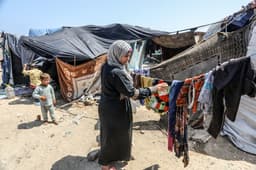
Trump Says We Will 'Take Gaza' And 'Cherish It' In White House Meeting With Jordan's King Abdullah

Trump's Proposal for Gaza: President Trump proposed that the U.S. could take control of the Gaza Strip and relocate its Palestinian population to Jordan or Egypt, claiming it would bring peace and economic development to the region, despite widespread criticism from world leaders.
King Abdullah's Response: King Abdullah of Jordan indicated that further discussions with Egypt are necessary regarding the potential transfer of Palestinians, emphasizing Jordan's existing challenges with hosting refugees and reaffirming his commitment to a two-state solution.

Hamas Relents On Israeli Troops In Gaza, Paves Way For Potential Hostage Release

Ceasefire Negotiations: Hamas has reportedly agreed to some of Israel's ceasefire demands, with U.S. National Security Adviser Jake Sullivan expressing optimism about reaching a deal that includes a hostage release and a temporary presence of Israeli forces in Gaza.
Regional Implications: The potential ceasefire could shift the balance of power in the Middle East, especially following recent developments in Syria and ongoing tensions between Israel and Hezbollah, which have seen continued attacks despite previous expectations of a pause in fighting.
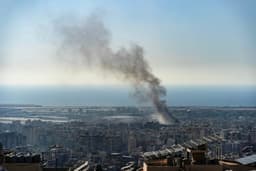
Ceasefire Deal Between Israel, Hezbollah Takes Effect Wednesday: Biden
Cease-Fire Agreement: Israel and Lebanon have accepted a U.S.-proposed cease-fire deal to end the conflict with Hezbollah, set to take effect at 4 a.m. Wednesday, which includes a 60-day truce overseen by the U.S. and United Nations.
Market Reactions: Following the announcement, oil prices fell, while Israeli stocks showed an increase of 23.5% year-to-date, despite concerns from Israeli officials about future security risks related to Hezbollah.

Netanyahu Backs Cease-Fire Deal With Hezbollah, Israeli Hardliner Calls For 'Security Zone' Inside Lebanon
Cease-fire Proposal: A 60-day cease-fire deal has been proposed to end hostilities between Israel and Hezbollah, aimed at shifting focus to Iran and pressuring Hamas for hostage release, according to Israeli Prime Minister Benjamin Netanyahu.
Concerns and Market Reactions: Despite the proposal, concerns remain about its effectiveness, with Israeli officials advocating for a security zone in Lebanon. Meanwhile, oil prices have seen a slight decline, while Israeli stocks have increased significantly this year.
Amid Trump's 'Drill Baby, Drill' Pledge, Strategist Predicts US Oil Supply Will See 'Marginal' Increase: 'Does The World Need That Much Oil?'
Trump's Oil Production Plans: Donald Trump's proposal to significantly increase U.S. oil production has been met with skepticism from energy experts, who question the necessity of an additional 3 million barrels per day and highlight potential geopolitical risks and market complexities that may hinder such growth.
Shift Towards Renewables: While Trump focuses on fossil fuels, Elon Musk advocates for solar power as a sustainable energy future, indicating a growing investment opportunity in renewables amidst political changes and cautious attitudes from oil producers regarding increased output.
Trump Administration Weighs Sea Inspections Of Iranian Oil Tankers
U.S. Strategy on Iranian Oil: The Trump administration is considering a strategy to halt and inspect Iranian oil tankers at sea under an international agreement aimed at preventing the spread of weapons of mass destruction, which could disrupt crude deliveries and impact reputations in the oil trade.
Potential Economic Impact: Delays in oil deliveries may create uncertainty in illicit trade networks, while prolonged sanctions against Iran could lead to significant economic consequences, particularly for its oil exports to China.
Trump Says We Will 'Take Gaza' And 'Cherish It' In White House Meeting With Jordan's King Abdullah
Trump's Proposal for Gaza: President Trump proposed that the U.S. could take control of the Gaza Strip and relocate its Palestinian population to Jordan or Egypt, claiming it would bring peace and economic development to the region, despite widespread criticism from world leaders.
King Abdullah's Response: King Abdullah of Jordan indicated that further discussions with Egypt are necessary regarding the potential transfer of Palestinians, emphasizing Jordan's existing challenges with hosting refugees and reaffirming his commitment to a two-state solution.
Hamas Relents On Israeli Troops In Gaza, Paves Way For Potential Hostage Release
Ceasefire Negotiations: Hamas has reportedly agreed to some of Israel's ceasefire demands, with U.S. National Security Adviser Jake Sullivan expressing optimism about reaching a deal that includes a hostage release and a temporary presence of Israeli forces in Gaza.
Regional Implications: The potential ceasefire could shift the balance of power in the Middle East, especially following recent developments in Syria and ongoing tensions between Israel and Hezbollah, which have seen continued attacks despite previous expectations of a pause in fighting.
Ceasefire Deal Between Israel, Hezbollah Takes Effect Wednesday: Biden
Cease-Fire Agreement: Israel and Lebanon have accepted a U.S.-proposed cease-fire deal to end the conflict with Hezbollah, set to take effect at 4 a.m. Wednesday, which includes a 60-day truce overseen by the U.S. and United Nations.
Market Reactions: Following the announcement, oil prices fell, while Israeli stocks showed an increase of 23.5% year-to-date, despite concerns from Israeli officials about future security risks related to Hezbollah.
Netanyahu Backs Cease-Fire Deal With Hezbollah, Israeli Hardliner Calls For 'Security Zone' Inside Lebanon
Cease-fire Proposal: A 60-day cease-fire deal has been proposed to end hostilities between Israel and Hezbollah, aimed at shifting focus to Iran and pressuring Hamas for hostage release, according to Israeli Prime Minister Benjamin Netanyahu.
Concerns and Market Reactions: Despite the proposal, concerns remain about its effectiveness, with Israeli officials advocating for a security zone in Lebanon. Meanwhile, oil prices have seen a slight decline, while Israeli stocks have increased significantly this year.
Amid Trump's 'Drill Baby, Drill' Pledge, Strategist Predicts US Oil Supply Will See 'Marginal' Increase: 'Does The World Need That Much Oil?'
Trump's Oil Production Plans: Donald Trump's proposal to significantly increase U.S. oil production has been met with skepticism from energy experts, who question the necessity of an additional 3 million barrels per day and highlight potential geopolitical risks and market complexities that may hinder such growth.
Shift Towards Renewables: While Trump focuses on fossil fuels, Elon Musk advocates for solar power as a sustainable energy future, indicating a growing investment opportunity in renewables amidst political changes and cautious attitudes from oil producers regarding increased output.