Procter & Gamble (PG) Options Volume Hits 44,592 Contracts, Significantly Above Average

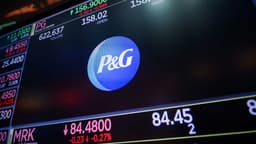
- Active Options Trading: Procter & Gamble's options volume today reached 44,592 contracts, equivalent to approximately 4.5 million shares, representing 43.1% of its average daily trading volume over the past month, indicating heightened market interest in its future performance.
- High Strike Call Options: The $145 strike call option expiring on February 20, 2026, has seen 6,089 contracts traded today, representing about 608,900 underlying shares, suggesting increased investor expectations for P&G's stock price appreciation.
- SITE Options Activity: SiteOne Landscape Supply Inc's options volume today stands at 2,449 contracts, approximately 244,900 shares, accounting for 42.6% of its average daily trading volume over the past month, reflecting growing market interest in the company.
- Bullish Call Options: The $140 strike call option for SITE expiring on February 20, 2026, has recorded a trading volume of 1,965 contracts today, representing around 196,500 shares, indicating investor confidence in the company's future growth.
Trade with 70% Backtested Accuracy
Analyst Views on PG

About PG
About the author

Procter & Gamble's Stock Rebounds, Optimistic Outlook Ahead

- Stock Rebound: Procter & Gamble's shares have risen 10% this year, a sharp contrast to the 13% decline in 2025, indicating a recovery in market confidence towards consumer goods, with expectations for this trend to continue.
- Strong Market Performance: The consumer staples sector rose nearly 6% last week and is up over 12% year-to-date, marking the best start since 1997, reflecting investors' shift towards defensive stocks amid economic uncertainty.
- Improving External Environment: The weaker dollar and lower oil prices are benefiting Procter & Gamble's international sales, with an estimated foreign exchange tailwind of approximately $200 million expected for fiscal year 2026, enhancing the company's profitability.
- Strategic Investment: New CEO Shailesh Jejurikar has stated plans to increase brand investment to drive market growth while looking to cut costs where possible, with expectations for stronger growth in the first half of 2026.

Three Consumer Staples Stocks Making Significant Gains This Month

Investor Sentiment: Investors are shifting away from tech stocks in search of safer assets, with a notable decline in major tech companies like NVIDIA and Oracle, which have seen significant losses over the past months.
Consumer Staples Appeal: As the market moves towards risk-off environments, consumer staples are becoming more attractive to investors due to their consistent sales and strong dividend income, despite the tech sector's previous dominance.
Stock Performance: Companies like Procter & Gamble and Reynolds Consumer Products are showing resilience, with Procter & Gamble maintaining its dividend increases for 70 consecutive years, while Reynolds has successfully mitigated tariff impacts.
Market Trends: The article highlights a potential shift in market dynamics, with consumer staples stocks breaking out and gaining attention from analysts, suggesting a strategic pivot for investors looking for stability amidst market volatility.
Comparison of FSTA and RSPS Consumer Staples ETFs

- Cost Comparison: FSTA's expense ratio is just 0.08%, significantly lower than RSPS's 0.40%, meaning investors pay only $8 annually for every $10,000 invested in FSTA compared to $40 for RSPS, greatly reducing investment costs.
- Performance Metrics: As of February 3, 2026, FSTA boasts a 1-year return of 8.34%, surpassing RSPS's 7.01%, indicating that FSTA has provided higher returns over the past year, potentially attracting yield-seeking investors.
- Risk Assessment: Over the past five years, FSTA's maximum drawdown stands at 16.57%, lower than RSPS's 18.61%, showcasing FSTA's relative stability during market fluctuations, which may appeal to risk-averse investors.
- Holding Structure: FSTA holds 96 stocks primarily focused on consumer defensive names, while RSPS equally weights 36 stocks, leading to a strategy where FSTA may achieve higher returns when top companies perform well but also faces greater volatility risk.

Comparison Analysis of FSTA and RSPS ETFs
- Expense Ratio Advantage: FSTA boasts a significantly lower expense ratio of 0.08% compared to RSPS's 0.40%, meaning investors pay only $8 annually for every $10,000 invested in FSTA versus $40 for RSPS, enhancing FSTA's cost-effectiveness for long-term investors.
- Return Performance Discrepancy: While RSPS offers a slightly higher dividend yield, FSTA has outperformed in one-year and five-year total returns, indicating that FSTA may provide better capital appreciation opportunities amid market fluctuations.
- Holdings Structure Comparison: FSTA holds 96 stocks, primarily concentrated in large consumer brands like Costco, Walmart, and Procter & Gamble, which account for nearly 37% of its assets, whereas RSPS evenly distributes its 36 holdings, ensuring a balanced risk and return profile.
- Investment Strategy Choice: FSTA's concentrated holdings strategy may yield excess returns when large brands perform well, but it also poses greater risks during market downturns, while RSPS's equal-weight strategy helps mitigate single-stock volatility, making it suitable for risk-averse investors.

Investor Confusion in AI Competition

- Investor Sentiment Shift: Following earnings calls from tech giants like Microsoft, Google, and Amazon, investor confusion about future directions led to Amazon losing over $300 billion in market cap, reflecting strong skepticism regarding its $200 billion AI investment plan.
- Capital Expenditure Comparison: Google announced an increase in capital expenditures to $175 billion to $185 billion, exceeding the expected $115 billion to $120 billion, indicating a proactive approach in AI despite challenges from slowing ad revenues.
- Changing Competitive Landscape: With Alphabet's ongoing investments and successes in AI, YouTube's user base has grown to 750 million, and Waymo's self-driving business is outpacing Tesla, suggesting a strengthening competitive advantage that may attract more investor interest.
- Mixed Market Reactions: Despite OpenAI and Anthropic's strong performance in AI, Microsoft's Copilot sales have been disappointing, highlighting investor concerns about its future growth and reflecting differing levels of confidence across companies.
Comparison of Consumer Staples ETFs: XLP vs IYK

- Cost Comparison: State Street's XLP offers a significantly lower expense ratio of 0.08% compared to iShares' IYK at 0.38%, which means that for the same returns, XLP can provide higher net returns for long-term cost-conscious investors.
- Portfolio Composition: XLP focuses exclusively on 36 consumer staples stocks without including healthcare or basic materials, while IYK holds 54 stocks, with 85% in consumer defensive and 11% in healthcare, indicating that IYK's diversified strategy may appeal to investors seeking broader exposure.
- Returns and Risks: Over the past year, XLP delivered a return of 9.9% compared to IYK's 11.3%, and while IYK's returns are slightly higher, XLP's maximum drawdown of 16.31% indicates a higher risk profile during market volatility.
- Market Performance: XLP's top holdings include Walmart and Costco, providing a strong retail foundation, whereas IYK leans more towards product manufacturers, offering investors a defensive investment option in healthcare despite its higher fees.
Procter & Gamble's Stock Rebounds, Optimistic Outlook Ahead
- Stock Rebound: Procter & Gamble's shares have risen 10% this year, a sharp contrast to the 13% decline in 2025, indicating a recovery in market confidence towards consumer goods, with expectations for this trend to continue.
- Strong Market Performance: The consumer staples sector rose nearly 6% last week and is up over 12% year-to-date, marking the best start since 1997, reflecting investors' shift towards defensive stocks amid economic uncertainty.
- Improving External Environment: The weaker dollar and lower oil prices are benefiting Procter & Gamble's international sales, with an estimated foreign exchange tailwind of approximately $200 million expected for fiscal year 2026, enhancing the company's profitability.
- Strategic Investment: New CEO Shailesh Jejurikar has stated plans to increase brand investment to drive market growth while looking to cut costs where possible, with expectations for stronger growth in the first half of 2026.
Three Consumer Staples Stocks Making Significant Gains This Month
Investor Sentiment: Investors are shifting away from tech stocks in search of safer assets, with a notable decline in major tech companies like NVIDIA and Oracle, which have seen significant losses over the past months.
Consumer Staples Appeal: As the market moves towards risk-off environments, consumer staples are becoming more attractive to investors due to their consistent sales and strong dividend income, despite the tech sector's previous dominance.
Stock Performance: Companies like Procter & Gamble and Reynolds Consumer Products are showing resilience, with Procter & Gamble maintaining its dividend increases for 70 consecutive years, while Reynolds has successfully mitigated tariff impacts.
Market Trends: The article highlights a potential shift in market dynamics, with consumer staples stocks breaking out and gaining attention from analysts, suggesting a strategic pivot for investors looking for stability amidst market volatility.
Comparison of FSTA and RSPS Consumer Staples ETFs
- Cost Comparison: FSTA's expense ratio is just 0.08%, significantly lower than RSPS's 0.40%, meaning investors pay only $8 annually for every $10,000 invested in FSTA compared to $40 for RSPS, greatly reducing investment costs.
- Performance Metrics: As of February 3, 2026, FSTA boasts a 1-year return of 8.34%, surpassing RSPS's 7.01%, indicating that FSTA has provided higher returns over the past year, potentially attracting yield-seeking investors.
- Risk Assessment: Over the past five years, FSTA's maximum drawdown stands at 16.57%, lower than RSPS's 18.61%, showcasing FSTA's relative stability during market fluctuations, which may appeal to risk-averse investors.
- Holding Structure: FSTA holds 96 stocks primarily focused on consumer defensive names, while RSPS equally weights 36 stocks, leading to a strategy where FSTA may achieve higher returns when top companies perform well but also faces greater volatility risk.
Comparison Analysis of FSTA and RSPS ETFs
- Expense Ratio Advantage: FSTA boasts a significantly lower expense ratio of 0.08% compared to RSPS's 0.40%, meaning investors pay only $8 annually for every $10,000 invested in FSTA versus $40 for RSPS, enhancing FSTA's cost-effectiveness for long-term investors.
- Return Performance Discrepancy: While RSPS offers a slightly higher dividend yield, FSTA has outperformed in one-year and five-year total returns, indicating that FSTA may provide better capital appreciation opportunities amid market fluctuations.
- Holdings Structure Comparison: FSTA holds 96 stocks, primarily concentrated in large consumer brands like Costco, Walmart, and Procter & Gamble, which account for nearly 37% of its assets, whereas RSPS evenly distributes its 36 holdings, ensuring a balanced risk and return profile.
- Investment Strategy Choice: FSTA's concentrated holdings strategy may yield excess returns when large brands perform well, but it also poses greater risks during market downturns, while RSPS's equal-weight strategy helps mitigate single-stock volatility, making it suitable for risk-averse investors.
Investor Confusion in AI Competition
- Investor Sentiment Shift: Following earnings calls from tech giants like Microsoft, Google, and Amazon, investor confusion about future directions led to Amazon losing over $300 billion in market cap, reflecting strong skepticism regarding its $200 billion AI investment plan.
- Capital Expenditure Comparison: Google announced an increase in capital expenditures to $175 billion to $185 billion, exceeding the expected $115 billion to $120 billion, indicating a proactive approach in AI despite challenges from slowing ad revenues.
- Changing Competitive Landscape: With Alphabet's ongoing investments and successes in AI, YouTube's user base has grown to 750 million, and Waymo's self-driving business is outpacing Tesla, suggesting a strengthening competitive advantage that may attract more investor interest.
- Mixed Market Reactions: Despite OpenAI and Anthropic's strong performance in AI, Microsoft's Copilot sales have been disappointing, highlighting investor concerns about its future growth and reflecting differing levels of confidence across companies.
Comparison of Consumer Staples ETFs: XLP vs IYK
- Cost Comparison: State Street's XLP offers a significantly lower expense ratio of 0.08% compared to iShares' IYK at 0.38%, which means that for the same returns, XLP can provide higher net returns for long-term cost-conscious investors.
- Portfolio Composition: XLP focuses exclusively on 36 consumer staples stocks without including healthcare or basic materials, while IYK holds 54 stocks, with 85% in consumer defensive and 11% in healthcare, indicating that IYK's diversified strategy may appeal to investors seeking broader exposure.
- Returns and Risks: Over the past year, XLP delivered a return of 9.9% compared to IYK's 11.3%, and while IYK's returns are slightly higher, XLP's maximum drawdown of 16.31% indicates a higher risk profile during market volatility.
- Market Performance: XLP's top holdings include Walmart and Costco, providing a strong retail foundation, whereas IYK leans more towards product manufacturers, offering investors a defensive investment option in healthcare despite its higher fees.