Nvidia Rivals Gold as Shield Against Inflation, Survey Shows
- Tech Stocks vs. Gold as Inflation Hedge: Survey respondents view tech giants like Nvidia and Amazon as potential hedges against inflation, challenging gold's traditional role.
- Inflation Concerns in the US: Despite a decrease from 2022 levels, inflation remains a top concern for investors, with resurgent inflation cited as the biggest risk to financial markets.
- US Dollar as Preferred Haven Currency: The US dollar is overwhelmingly favored as the best currency for market turmoil, surpassing the Swiss franc and Japanese yen.
- Gold Demand and Geopolitical Unrest: Gold prices have risen due to demand from sources like the People’s Bank of China, amid efforts by countries to diversify away from the dollar post-Russia's asset confiscation.
- Survey Insights and Economic Resilience: The MLIV Pulse survey reflects investor sentiments on recession risks, tech stock performance, and the impact of the Fed's monetary policy on the economy.
Trade with 70% Backtested Accuracy
Analyst Views on JPY


No data
About the author


Takaichi's Win Sparks "Sell the Fact" Response in USDJPY; Focus Shifts to Upcoming US NFP


USD Performance: The US Dollar weakened due to a lack of catalysts, with analysts attributing the decline to China's banks reducing exposure to US Treasuries, while the market anticipates key economic reports, particularly the US NFP report, which could influence Fed rate expectations.
JPY Update: The Japanese Yen saw a rally following PM Takaichi's expected election victory, with the Bank of Japan maintaining interest rates and slightly upgrading growth and inflation forecasts, although recent data has not supported a rate hike.
USDJPY Technical Analysis: The USDJPY pair experienced a drop amid the "sell the fact" reaction to Takaichi's victory, with current trading positioned between intervention levels and trendlines, indicating potential bullish and bearish trading opportunities.
Upcoming Economic Data: Key economic indicators are set to be released, including US Retail Sales, Employment Cost Index, Jobless Claims, and CPI reports, which are expected to significantly impact market movements and Fed policy outlook.

USD/JPY Remains Influenced by Intervention Risks, but for What Duration?
Election Outcome: Japan's Prime Minister Takaichi secured a landslide victory in the snap election, granting her ruling LDP party a 'supermajority' mandate to pursue fiscal expansion, including a proposed suspension of food sales tax for two years.
Currency Intervention: The USD/JPY currency pair has shown a slight upward movement, but verbal interventions from Tokyo officials are limiting gains, with traders anticipating potential actual intervention to stabilize the yen.
Market Reactions: Despite the recent election results, the USD/JPY pair is currently down, maintaining a bearish bias as it hovers below key resistance levels, with market analysts suggesting intervention may be necessary if the pair approaches 160.00.
Historical Context: Past interventions have led to significant fluctuations in the USD/JPY pair, with a notable drop from 160.00 to near 140.00 after a July 2024 intervention, followed by a recovery back to 159.00 within six months.

Goldman Sachs: USD/JPY Remains on Track for 160 Following Japan's Election Outcomes
Election Results: The ruling LDP party, led by Takaichi, achieved a landslide victory in Japan's snap election, solidifying her mandate and establishing a 'supermajority'.
Yen Reaction: Despite the election outcome, the Japanese yen has shown resilience, with USD/JPY decreasing by 0.4% to 155.30, influenced by verbal interventions from Tokyo officials and potential for actual intervention.
Market Predictions: Goldman Sachs anticipates a continued rise in USD/JPY, potentially reaching over 160, but warns that this may be short-lived due to possible responses from the Japanese finance ministry.
Interest Rate Outlook: Analysts, including ANZ, predict that markets are overestimating future Bank of Japan rate hikes, suggesting that any further increases may be limited and could lead to a decline in the yen.

Weekly Market Forecast for February 9th-13th
Japanese Yen and Elections: Following Japan's lower house elections, Prime Minister Sanae Takaichi secured a supermajority, strengthening the yen as she aims to tackle cost-of-living issues and enhance national security.
U.S. Economic Data Releases: Key U.S. economic indicators, including retail sales and labor market data, are set to be released this week after delays due to a government shutdown, with expectations of moderate growth and potential easing of inflation pressures.
U.K. GDP Projections: The U.K. is expected to report modest GDP growth figures, with a dovish tone from the Bank of England suggesting possible rate cuts if the data underperforms, amid slowing inflation trends.
Inflation Trends in the U.S.: U.S. inflation is projected to show a decline in headline figures, driven by slower food and fuel price increases, while core inflation may firm due to various economic factors, indicating mixed pressures on consumer prices.
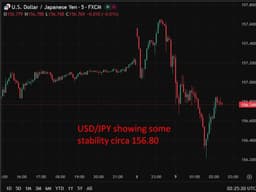
Japan Intensifies Yen Alerts as Kihara Joins Katayama and Mimura, Boosting JPY Outlook.
Japan's Intervention Rhetoric: Senior officials in Japan, including Chief Cabinet Secretary Minoru Kihara and Finance Minister Satsuki Katayama, have intensified warnings regarding the yen's rapid and one-sided movements, indicating a potential for market intervention.
Coordinated Messaging: The government is closely monitoring foreign exchange developments and maintaining dialogue with markets, signaling a low tolerance for further sharp depreciation of the yen, particularly after recent election outcomes.
Fiscal Policy Context: The heightened intervention rhetoric follows a landslide election win for Sanae Takaichi, which has raised expectations for expansionary fiscal policy, contributing to downward pressure on the yen.
Operational Readiness: Japan's top currency diplomat, Atsushi Mimura, emphasized the urgency of monitoring FX movements and the readiness to act if necessary, reinforcing the government's commitment to market stability and fiscal sustainability.

Yen Rises Following Warnings of Verbal Intervention; Initial Movements Misleading.
Yen Performance: The yen weakened in early trading as Japan's markets prepared for renewed pressure following a landslide victory for Takaichi's party.
Election Impact: The election results have revived concerns about the yen's stability, prompting discussions about potential interventions.
Intervention Signals: Comments from Japan's finance minister and her deputy indicated a readiness to intervene in the currency market to support the yen.
Market Reaction: Following these intervention warnings, the yen experienced a rebound, leading to a decrease in the USD/JPY exchange rate.
Takaichi's Win Sparks "Sell the Fact" Response in USDJPY; Focus Shifts to Upcoming US NFP
USD Performance: The US Dollar weakened due to a lack of catalysts, with analysts attributing the decline to China's banks reducing exposure to US Treasuries, while the market anticipates key economic reports, particularly the US NFP report, which could influence Fed rate expectations.
JPY Update: The Japanese Yen saw a rally following PM Takaichi's expected election victory, with the Bank of Japan maintaining interest rates and slightly upgrading growth and inflation forecasts, although recent data has not supported a rate hike.
USDJPY Technical Analysis: The USDJPY pair experienced a drop amid the "sell the fact" reaction to Takaichi's victory, with current trading positioned between intervention levels and trendlines, indicating potential bullish and bearish trading opportunities.
Upcoming Economic Data: Key economic indicators are set to be released, including US Retail Sales, Employment Cost Index, Jobless Claims, and CPI reports, which are expected to significantly impact market movements and Fed policy outlook.
USD/JPY Remains Influenced by Intervention Risks, but for What Duration?
Election Outcome: Japan's Prime Minister Takaichi secured a landslide victory in the snap election, granting her ruling LDP party a 'supermajority' mandate to pursue fiscal expansion, including a proposed suspension of food sales tax for two years.
Currency Intervention: The USD/JPY currency pair has shown a slight upward movement, but verbal interventions from Tokyo officials are limiting gains, with traders anticipating potential actual intervention to stabilize the yen.
Market Reactions: Despite the recent election results, the USD/JPY pair is currently down, maintaining a bearish bias as it hovers below key resistance levels, with market analysts suggesting intervention may be necessary if the pair approaches 160.00.
Historical Context: Past interventions have led to significant fluctuations in the USD/JPY pair, with a notable drop from 160.00 to near 140.00 after a July 2024 intervention, followed by a recovery back to 159.00 within six months.
Goldman Sachs: USD/JPY Remains on Track for 160 Following Japan's Election Outcomes
Election Results: The ruling LDP party, led by Takaichi, achieved a landslide victory in Japan's snap election, solidifying her mandate and establishing a 'supermajority'.
Yen Reaction: Despite the election outcome, the Japanese yen has shown resilience, with USD/JPY decreasing by 0.4% to 155.30, influenced by verbal interventions from Tokyo officials and potential for actual intervention.
Market Predictions: Goldman Sachs anticipates a continued rise in USD/JPY, potentially reaching over 160, but warns that this may be short-lived due to possible responses from the Japanese finance ministry.
Interest Rate Outlook: Analysts, including ANZ, predict that markets are overestimating future Bank of Japan rate hikes, suggesting that any further increases may be limited and could lead to a decline in the yen.
Weekly Market Forecast for February 9th-13th
Japanese Yen and Elections: Following Japan's lower house elections, Prime Minister Sanae Takaichi secured a supermajority, strengthening the yen as she aims to tackle cost-of-living issues and enhance national security.
U.S. Economic Data Releases: Key U.S. economic indicators, including retail sales and labor market data, are set to be released this week after delays due to a government shutdown, with expectations of moderate growth and potential easing of inflation pressures.
U.K. GDP Projections: The U.K. is expected to report modest GDP growth figures, with a dovish tone from the Bank of England suggesting possible rate cuts if the data underperforms, amid slowing inflation trends.
Inflation Trends in the U.S.: U.S. inflation is projected to show a decline in headline figures, driven by slower food and fuel price increases, while core inflation may firm due to various economic factors, indicating mixed pressures on consumer prices.
Japan Intensifies Yen Alerts as Kihara Joins Katayama and Mimura, Boosting JPY Outlook.
Japan's Intervention Rhetoric: Senior officials in Japan, including Chief Cabinet Secretary Minoru Kihara and Finance Minister Satsuki Katayama, have intensified warnings regarding the yen's rapid and one-sided movements, indicating a potential for market intervention.
Coordinated Messaging: The government is closely monitoring foreign exchange developments and maintaining dialogue with markets, signaling a low tolerance for further sharp depreciation of the yen, particularly after recent election outcomes.
Fiscal Policy Context: The heightened intervention rhetoric follows a landslide election win for Sanae Takaichi, which has raised expectations for expansionary fiscal policy, contributing to downward pressure on the yen.
Operational Readiness: Japan's top currency diplomat, Atsushi Mimura, emphasized the urgency of monitoring FX movements and the readiness to act if necessary, reinforcing the government's commitment to market stability and fiscal sustainability.
Yen Rises Following Warnings of Verbal Intervention; Initial Movements Misleading.
Yen Performance: The yen weakened in early trading as Japan's markets prepared for renewed pressure following a landslide victory for Takaichi's party.
Election Impact: The election results have revived concerns about the yen's stability, prompting discussions about potential interventions.
Intervention Signals: Comments from Japan's finance minister and her deputy indicated a readiness to intervene in the currency market to support the yen.
Market Reaction: Following these intervention warnings, the yen experienced a rebound, leading to a decrease in the USD/JPY exchange rate.