November Fed Rate Cut In Jeopardy: 12 Reasons Veteran Trader Expects A Hold As Strong Data, Rising Oil Prices Shuffle The Deck
Market Expectations Shift: Strong U.S. economic data and rising oil prices are leading traders to reconsider their expectations for the Federal Reserve's November meeting, with a growing likelihood of a smaller 25-basis-point rate cut instead of an aggressive 50-basis-point cut.
Concerns Over Inflation: Geopolitical tensions and economic indicators suggest inflationary pressures are increasing, prompting analysts to argue against further aggressive rate cuts and advocating for a more cautious approach from the Fed.
Trade with 70% Backtested Accuracy
Analyst Views on UTEN


No data
About the author


US Rating Downgrade Pushes Treasury Yields To 5%: What It Means For Stocks


Moody's Credit Downgrade Impact: The recent downgrade of U.S. credit by Moody's has led to a surge in 30-year Treasury yields, raising concerns about debt sustainability and negatively affecting equity valuations across markets.
Market Reactions Historical Comparison: Historical reactions to previous U.S. credit downgrades in 2011 and 2023 show sharp initial sell-offs in equity markets, with differing recovery patterns; while the 2011 market rebounded quickly, the 2023 market continued to decline before eventually recovering.
'Tariffs Are A Means To An End': Bessent Defends Trade Strategy, Pushes Growth Plan
Economic Roadmap: Treasury Secretary Scott Bessent emphasized a focus on reducing government spending, cutting regulations, and promoting private-sector growth to address the U.S.'s spending problem and achieve sustainable economic expansion.
Trade and Tariffs: Bessent discussed using tariffs as a strategic tool to incentivize reshoring manufacturing back to the U.S., while also hinting at collaborations with Elon Musk for improving Treasury efficiency and payment systems.

Market Inflation Bets Soar As 10-Year Breakeven Rate Hits 16-Month Peak: It Will 'Slow Federal Reserve Policy Rate Cuts'

Rising Inflation Expectations: The U.S. 10-year breakeven inflation rate has reached 2.45%, indicating that investors expect inflation to average this rate over the next decade, influenced by trade policy uncertainties and potential tariff increases.
Market Sentiment on Tariffs and Inflation: Speculation about rising tariffs is contributing to fears of higher consumer prices, with betting markets showing increased odds for inflation exceeding expectations in 2025, suggesting a prolonged period of economic uncertainty.

Tech Stocks Tumble On AI Nightmare, Nvidia Eyes Worst Day Since March 2020, Bitcoin Drops Below $100,000: What's Driving Markets Monday?


Tech Stock Selloff: A significant selloff in tech stocks occurred, driven by fears of increased AI competition after China's DeepSeek launched a large language model platform outperforming ChatGPT, resulting in the Magnificent Seven stocks losing about $600 billion in market value.
Market Reactions: The Nasdaq 100 dropped 3%, with major chipmakers like Nvidia and Broadcom experiencing severe losses; investors shifted to safer Treasury assets as Bitcoin's market cap fell by $110 billion amid risk-off sentiment.
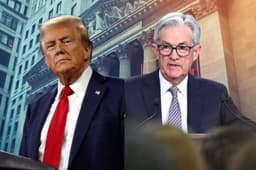
Why Trump's Boost To Treasury Yields, Inflation Expectations May Weaken Fed's Efforts To Cut Interest Rates
Impact of Trump's Return on Treasury Yields: Rising U.S. Treasury yields and a stronger dollar following Donald Trump's return to the White House are complicating the Federal Reserve's plans to lower interest rates, with expectations of a 25 basis point cut potentially being undermined by fiscal concerns linked to Trump's proposed policies.
Inflation Concerns and Economic Outlook: Trump's fiscal strategies could significantly increase the federal deficit and national debt, raising inflation expectations above the Fed's target, which may pressure the central bank to tighten its stance on inflation in response to potential price increases driven by his policies.
November Fed Rate Cut In Jeopardy: 12 Reasons Veteran Trader Expects A Hold As Strong Data, Rising Oil Prices Shuffle The Deck
Market Expectations Shift: Strong U.S. economic data and rising oil prices are leading traders to reconsider their expectations for the Federal Reserve's November meeting, with a growing likelihood of a smaller 25-basis-point rate cut instead of an aggressive 50-basis-point cut.
Concerns Over Inflation: Geopolitical tensions and economic indicators suggest inflationary pressures are increasing, prompting analysts to argue against further aggressive rate cuts and advocating for a more cautious approach from the Fed.
US Rating Downgrade Pushes Treasury Yields To 5%: What It Means For Stocks
Moody's Credit Downgrade Impact: The recent downgrade of U.S. credit by Moody's has led to a surge in 30-year Treasury yields, raising concerns about debt sustainability and negatively affecting equity valuations across markets.
Market Reactions Historical Comparison: Historical reactions to previous U.S. credit downgrades in 2011 and 2023 show sharp initial sell-offs in equity markets, with differing recovery patterns; while the 2011 market rebounded quickly, the 2023 market continued to decline before eventually recovering.
'Tariffs Are A Means To An End': Bessent Defends Trade Strategy, Pushes Growth Plan
Economic Roadmap: Treasury Secretary Scott Bessent emphasized a focus on reducing government spending, cutting regulations, and promoting private-sector growth to address the U.S.'s spending problem and achieve sustainable economic expansion.
Trade and Tariffs: Bessent discussed using tariffs as a strategic tool to incentivize reshoring manufacturing back to the U.S., while also hinting at collaborations with Elon Musk for improving Treasury efficiency and payment systems.
Market Inflation Bets Soar As 10-Year Breakeven Rate Hits 16-Month Peak: It Will 'Slow Federal Reserve Policy Rate Cuts'
Rising Inflation Expectations: The U.S. 10-year breakeven inflation rate has reached 2.45%, indicating that investors expect inflation to average this rate over the next decade, influenced by trade policy uncertainties and potential tariff increases.
Market Sentiment on Tariffs and Inflation: Speculation about rising tariffs is contributing to fears of higher consumer prices, with betting markets showing increased odds for inflation exceeding expectations in 2025, suggesting a prolonged period of economic uncertainty.
Tech Stocks Tumble On AI Nightmare, Nvidia Eyes Worst Day Since March 2020, Bitcoin Drops Below $100,000: What's Driving Markets Monday?
Tech Stock Selloff: A significant selloff in tech stocks occurred, driven by fears of increased AI competition after China's DeepSeek launched a large language model platform outperforming ChatGPT, resulting in the Magnificent Seven stocks losing about $600 billion in market value.
Market Reactions: The Nasdaq 100 dropped 3%, with major chipmakers like Nvidia and Broadcom experiencing severe losses; investors shifted to safer Treasury assets as Bitcoin's market cap fell by $110 billion amid risk-off sentiment.
Why Trump's Boost To Treasury Yields, Inflation Expectations May Weaken Fed's Efforts To Cut Interest Rates
Impact of Trump's Return on Treasury Yields: Rising U.S. Treasury yields and a stronger dollar following Donald Trump's return to the White House are complicating the Federal Reserve's plans to lower interest rates, with expectations of a 25 basis point cut potentially being undermined by fiscal concerns linked to Trump's proposed policies.
Inflation Concerns and Economic Outlook: Trump's fiscal strategies could significantly increase the federal deficit and national debt, raising inflation expectations above the Fed's target, which may pressure the central bank to tighten its stance on inflation in response to potential price increases driven by his policies.
November Fed Rate Cut In Jeopardy: 12 Reasons Veteran Trader Expects A Hold As Strong Data, Rising Oil Prices Shuffle The Deck
Market Expectations Shift: Strong U.S. economic data and rising oil prices are leading traders to reconsider their expectations for the Federal Reserve's November meeting, with a growing likelihood of a smaller 25-basis-point rate cut instead of an aggressive 50-basis-point cut.
Concerns Over Inflation: Geopolitical tensions and economic indicators suggest inflationary pressures are increasing, prompting analysts to argue against further aggressive rate cuts and advocating for a more cautious approach from the Fed.