Meta set to launch new smart glasses featuring a display next month, according to reports.
Meta's New Glasses Announcement: Meta is set to reveal its first consumer-ready smart glasses, named Hypernova, at the upcoming Connect conference, focusing on virtual and augmented reality.
Features of Hypernova: The glasses will feature a small digital display in the right lens for notifications, a 20-degree field of view, and will be controlled via a wristband that interprets hand gestures using sEMG sensor technology.
Pricing and Branding: Expected to retail around $800, the glasses will be sold through a partnership with EssilorLuxottica, potentially under the Prada brand, which may suit the design of Hypernova.
Functionality Overview: Hypernova will allow users to take photos, make calls, send messages, listen to audio, and interact with an AI assistant through various methods including voice and manual controls.
Trade with 70% Backtested Accuracy
Analyst Views on META

About META
About the author


Meta Platforms Stock Price Target Could Reach $1,000

- Price Potential Analysis: Meta Platforms has a price target of $1,000, representing a potential 49% gain, which is significantly higher than the S&P 500's long-term average annual return of 10%, reflecting market optimism about its future growth.
- Strong Historical Performance: Over the past three years, Meta's stock has climbed at a compound annual growth rate of 53%, reaching a market cap of $1.7 trillion, demonstrating resilience and continued investment appeal in a turbulent market.
- Financial Health Status: In Q4 2024, Meta's daily active users grew by 7% year-over-year to 3.58 billion, ad impressions surged by 18%, ad pricing increased by 6%, and revenue rose by 24% to $59.9 billion, indicating a solid business foundation.
- Investment Outlook: Despite projected capital expenditures of $115 billion to $135 billion by 2026, Meta reported an impressive operating margin of 41% and holds $81.6 billion in cash and marketable securities, showcasing its strong financial capacity for long-term investments.
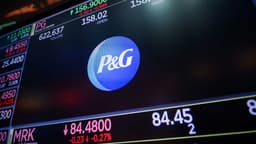
Procter & Gamble's Stock Rebounds, Optimistic Outlook Ahead

- Stock Rebound: Procter & Gamble's shares have risen 10% this year, a sharp contrast to the 13% decline in 2025, indicating a recovery in market confidence towards consumer goods, with expectations for this trend to continue.
- Strong Market Performance: The consumer staples sector rose nearly 6% last week and is up over 12% year-to-date, marking the best start since 1997, reflecting investors' shift towards defensive stocks amid economic uncertainty.
- Improving External Environment: The weaker dollar and lower oil prices are benefiting Procter & Gamble's international sales, with an estimated foreign exchange tailwind of approximately $200 million expected for fiscal year 2026, enhancing the company's profitability.
- Strategic Investment: New CEO Shailesh Jejurikar has stated plans to increase brand investment to drive market growth while looking to cut costs where possible, with expectations for stronger growth in the first half of 2026.

Walmart Is Allowing Major Tech Companies to Cover AI Costs. Who Else Stands to Benefit?


- Walmart's AI Strategy: Walmart is not investing heavily in artificial intelligence but is prepared to utilize AI tools developed by major tech companies.
- Collaboration with Big Tech: The retail giant is waiting to implement AI advancements that come from the significant research and development efforts of Big Tech firms.

China Warning Impacts Gold Market Liquidity

- Money Flow Trends: In the Magnificent Seven stocks, Microsoft Corp (NASDAQ:MSFT) shows positive early money flows, indicating increased investor confidence that could drive its stock price higher.
- Market Sentiment Analysis: Apple Inc (NASDAQ:AAPL) and Meta Platforms Inc (NASDAQ:META) exhibit neutral money flows, suggesting investors are taking a wait-and-see approach, which may affect their short-term performance.
- Negative Money Flows: Amazon.com, Inc. (NASDAQ:AMZN), Alphabet Inc Class C (NASDAQ:GOOG), NVIDIA Corp (NASDAQ:NVDA), and Tesla Inc (NASDAQ:TSLA) experience negative early money flows, reflecting diminished market confidence in these tech stocks, potentially leading to price declines.
- Gold Market Reaction: The warning from China triggers selling in the gold market (CRYPTO:BTC), prompting investors to carefully assess their positions and consider tactical adjustments based on market signals to navigate potential volatility.

Super Bowl LX: Seahawks Defeat Patriots 29-13

- Game Outcome: On February 8, 2026, Super Bowl LX saw the Seattle Seahawks defeat the New England Patriots 29-13, with 30 of the 42 total points scored in the fourth quarter, highlighting the game's intensity and enhancing the Seahawks' brand image.
- Ad Performance: According to USA Today's Ad Meter, brands like Anheuser-Busch, Lay's, and Dunkin' resonated well with viewers again this year, indicating effective emotional and comedic messaging strategies that continue to engage audiences.
- Viewer Feedback: Some ads featuring AI tools failed to win over viewers, reflecting a limited acceptance of technology-driven advertising among consumers, suggesting that companies need to reassess their advertising strategies to improve effectiveness.
- Market Impact: The Super Bowl remains a crucial platform for brand marketing, where successful ads can significantly boost brand visibility and directly influence sales performance, prompting companies to increase their advertising budgets in future campaigns.
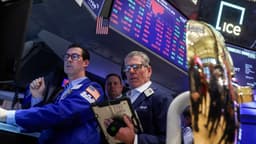
Big Tech Spending Plans Raise Investor Concerns

- Surging Capital Expenditures: Microsoft is projected to increase its capital expenditures to $123 billion by 2026, up from $83 billion last year, indicating strong confidence in future growth but raising concerns about AI profitability.
- Negative Market Reaction: Amazon's stock has fallen about 12% this month, while Microsoft and Alphabet are down over 3% each, and Meta has slid around 5%, reflecting cautious investor sentiment towards high spending plans.
- Increased Debt Financing: Despite having massive cash reserves, these tech giants are tapping debt markets, with Alphabet looking to raise about $15 billion through a high-grade dollar bond sale, and Meta having issued $30 billion in investment-grade debt to fund its data center expansion.
- Historic Spending Project: Canaccord Genuity analysts noted that these companies' capital expenditures could account for approximately 2.1% of U.S. GDP by 2026, marking one of the largest infrastructure projects in U.S. history, although investors must remain vigilant about leverage management.
Meta Platforms Stock Price Target Could Reach $1,000
- Price Potential Analysis: Meta Platforms has a price target of $1,000, representing a potential 49% gain, which is significantly higher than the S&P 500's long-term average annual return of 10%, reflecting market optimism about its future growth.
- Strong Historical Performance: Over the past three years, Meta's stock has climbed at a compound annual growth rate of 53%, reaching a market cap of $1.7 trillion, demonstrating resilience and continued investment appeal in a turbulent market.
- Financial Health Status: In Q4 2024, Meta's daily active users grew by 7% year-over-year to 3.58 billion, ad impressions surged by 18%, ad pricing increased by 6%, and revenue rose by 24% to $59.9 billion, indicating a solid business foundation.
- Investment Outlook: Despite projected capital expenditures of $115 billion to $135 billion by 2026, Meta reported an impressive operating margin of 41% and holds $81.6 billion in cash and marketable securities, showcasing its strong financial capacity for long-term investments.
Procter & Gamble's Stock Rebounds, Optimistic Outlook Ahead
- Stock Rebound: Procter & Gamble's shares have risen 10% this year, a sharp contrast to the 13% decline in 2025, indicating a recovery in market confidence towards consumer goods, with expectations for this trend to continue.
- Strong Market Performance: The consumer staples sector rose nearly 6% last week and is up over 12% year-to-date, marking the best start since 1997, reflecting investors' shift towards defensive stocks amid economic uncertainty.
- Improving External Environment: The weaker dollar and lower oil prices are benefiting Procter & Gamble's international sales, with an estimated foreign exchange tailwind of approximately $200 million expected for fiscal year 2026, enhancing the company's profitability.
- Strategic Investment: New CEO Shailesh Jejurikar has stated plans to increase brand investment to drive market growth while looking to cut costs where possible, with expectations for stronger growth in the first half of 2026.
Walmart Is Allowing Major Tech Companies to Cover AI Costs. Who Else Stands to Benefit?
- Walmart's AI Strategy: Walmart is not investing heavily in artificial intelligence but is prepared to utilize AI tools developed by major tech companies.
- Collaboration with Big Tech: The retail giant is waiting to implement AI advancements that come from the significant research and development efforts of Big Tech firms.
China Warning Impacts Gold Market Liquidity
- Money Flow Trends: In the Magnificent Seven stocks, Microsoft Corp (NASDAQ:MSFT) shows positive early money flows, indicating increased investor confidence that could drive its stock price higher.
- Market Sentiment Analysis: Apple Inc (NASDAQ:AAPL) and Meta Platforms Inc (NASDAQ:META) exhibit neutral money flows, suggesting investors are taking a wait-and-see approach, which may affect their short-term performance.
- Negative Money Flows: Amazon.com, Inc. (NASDAQ:AMZN), Alphabet Inc Class C (NASDAQ:GOOG), NVIDIA Corp (NASDAQ:NVDA), and Tesla Inc (NASDAQ:TSLA) experience negative early money flows, reflecting diminished market confidence in these tech stocks, potentially leading to price declines.
- Gold Market Reaction: The warning from China triggers selling in the gold market (CRYPTO:BTC), prompting investors to carefully assess their positions and consider tactical adjustments based on market signals to navigate potential volatility.
Super Bowl LX: Seahawks Defeat Patriots 29-13
- Game Outcome: On February 8, 2026, Super Bowl LX saw the Seattle Seahawks defeat the New England Patriots 29-13, with 30 of the 42 total points scored in the fourth quarter, highlighting the game's intensity and enhancing the Seahawks' brand image.
- Ad Performance: According to USA Today's Ad Meter, brands like Anheuser-Busch, Lay's, and Dunkin' resonated well with viewers again this year, indicating effective emotional and comedic messaging strategies that continue to engage audiences.
- Viewer Feedback: Some ads featuring AI tools failed to win over viewers, reflecting a limited acceptance of technology-driven advertising among consumers, suggesting that companies need to reassess their advertising strategies to improve effectiveness.
- Market Impact: The Super Bowl remains a crucial platform for brand marketing, where successful ads can significantly boost brand visibility and directly influence sales performance, prompting companies to increase their advertising budgets in future campaigns.
Big Tech Spending Plans Raise Investor Concerns
- Surging Capital Expenditures: Microsoft is projected to increase its capital expenditures to $123 billion by 2026, up from $83 billion last year, indicating strong confidence in future growth but raising concerns about AI profitability.
- Negative Market Reaction: Amazon's stock has fallen about 12% this month, while Microsoft and Alphabet are down over 3% each, and Meta has slid around 5%, reflecting cautious investor sentiment towards high spending plans.
- Increased Debt Financing: Despite having massive cash reserves, these tech giants are tapping debt markets, with Alphabet looking to raise about $15 billion through a high-grade dollar bond sale, and Meta having issued $30 billion in investment-grade debt to fund its data center expansion.
- Historic Spending Project: Canaccord Genuity analysts noted that these companies' capital expenditures could account for approximately 2.1% of U.S. GDP by 2026, marking one of the largest infrastructure projects in U.S. history, although investors must remain vigilant about leverage management.