"Melinda French Gates Calls on Billionaires Benefiting from America's System to Increase Their Philanthropic Contributions"


Philanthropic Responsibility: Melinda French Gates emphasizes that billionaires who have benefited from the U.S. system should contribute more to philanthropy, stating that "to whom much is given, much is expected."
The Giving Pledge: French Gates co-founded the Giving Pledge, which encourages billionaires to donate the majority of their wealth, noting that while some signatories give significantly, many have not given enough.
Notable Signatories: Over 250 individuals from various countries have signed the Giving Pledge, including prominent figures like Elon Musk and Mark Zuckerberg, who are encouraged to share their wealth for philanthropic causes.
Recent Philanthropic Trends: Philanthropists like MacKenzie Scott have gained attention for their substantial donations, highlighting a growing public discourse on the responsibility of wealthy individuals to give back to society.
Trade with 70% Backtested Accuracy
Analyst Views on META

About META
About the author


Meta Increases AI Investment, Profitability Under Pressure

- AI Budget Surge: Meta plans to increase its capital expenditures to $135 billion in 2026, an 87% rise from last year, aimed at supporting its AI Superintelligence team, which is expected to drive future technological innovation and market competitiveness.
- Profitability Pressure: As capital expenditures rise, Meta's depreciation expenses increased by 20% in 2025 and are expected to rise further in 2026, leading to a decline in operating margin from 48% in Q4 2024 to 41%, although management still anticipates overall operating income growth.
- AI-Driven Revenue Growth: Meta achieved a 24% revenue growth in Q4, driven by increased user engagement and stable ad price hikes, demonstrating its effectiveness in AI applications and market potential.
- Generative AI Potential: Meta is planning to leverage generative AI to attract more advertisers, combining personalized content and shopping agent features, which is expected to generate substantial ad revenue and further solidify its market position.

Google Employees Demand End to Immigration Enforcement Ties


- Employee Open Letter: A total of 1,002 full-time employees at Google have signed an open letter urging the company to sever ties with federal immigration enforcement agencies, reflecting strong dissatisfaction with the lack of transparency regarding the company's contracts and technology usage with the federal government.
- Transparency Demands: The letter highlights that Google has failed to provide internal transparency about its collaboration with federal agencies, prompting employees to call on leadership, particularly CEO Sundar Pichai, for greater disclosure to enhance internal trust and accountability.
- Request to Withdraw Technology: Employees are demanding that Google withdraw its technology from all work associated with the Department of Homeland Security, Immigration and Customs Enforcement, and Customs and Border Protection, aiming to protect workers and communities from immigration enforcement actions and emphasizing social responsibility.
- Advocacy for Safety Measures: Additionally, employees are advocating for safety measures to protect workers and are calling for an all-hands meeting to address these concerns, indicating a heightened awareness of corporate policies and social responsibilities among the workforce.

Japan's LDP Secures Overwhelming Election Victory


- Election Impact: Japan's Prime Minister Sanae Takaichi and her ruling LDP secured a supermajority in the election, controlling over two-thirds of the Lower House, which allows her to freely pursue an agenda of increased spending and suspension of certain food taxes, likely stimulating economic growth further.
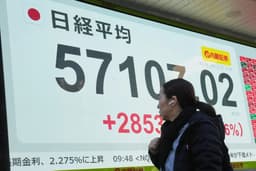
- Market Surge: Following the election results, Japanese stocks reached a record high, with the yen strengthening to 156.88 per dollar, reflecting renewed investor confidence and indicating positive market expectations regarding Takaichi's policies.
- U.S. Market Rebound: Major U.S. indexes rebounded post-election, with the S&P 500 rising 1.97% and the Nasdaq Composite climbing 2.18%, driven by strong performances from tech stocks like Nvidia and Oracle, which bolstered global investor confidence.
- Private Credit Concerns: The private credit market faces renewed uncertainty as AI pressures software companies, raising investor concerns about borrower business models and potentially increasing default risks, which could impact overall financial stability.

Czech Government Considers Social Media Ban for Children Under 15

- Government Support: Czech Prime Minister Andrej Babis expressed support for restricting social media access for children under 15, citing expert warnings about the detrimental effects on mental health and development, highlighting the government's commitment to child protection.
- Legislative Proposal Potential: Deputy Prime Minister Karel Havlicek indicated that the government is seriously considering legislative action, with a proposal potentially introduced this year if the cabinet agrees, signaling a significant policy shift regarding children's social media use in the Czech Republic.
- European Trend: The discussions in the Czech Republic align with trends in other European countries, as Spain, Greece, Britain, and France also explore stricter rules on teenage social media use, reflecting a reassessment of the impact of digital platforms on children's well-being.
- Tech Giants Push Back: Following Australia's precedent of banning social media access for users under 16, tech giants like Elon Musk's X complied swiftly, indicating strong industry pushback against youth social media bans and the challenges of implementing such regulations.

Japan's LDP Wins Election, Prime Minister Returns
- Election Outcome: Japan's ruling Liberal Democratic Party (LDP) secured a supermajority in the recent elections, allowing Prime Minister Sanae Takaichi to return to power, which indicates strong voter support for her administration.
- Economic Policy Initiatives: Takaichi's agenda includes increasing defense spending and suspending certain food-related taxes, which is expected to stimulate economic growth and enhance consumer confidence, positively impacting Japan's economy.
- Market Reaction: Following the election results, Japanese stocks reached a record high, with the yen strengthening to 156.88 per dollar, reflecting renewed investor confidence in the government's future policies and economic direction.
- International Market Trends: U.S. markets also showed strong performance post-election, with major index futures rising, indicating global investor interest in tech stocks, particularly in the AI sector, further contributing to the overall market recovery.

Big Tech Loses Over $1 Trillion in Valuation
- Big Tech Valuation Loss: According to FactSet data, Big Tech has collectively lost over $1 trillion in valuation over the past week, with Amazon alone shedding more than $300 billion, indicating a significant decline in market confidence that may lead investors to reassess the future growth potential of the tech sector.
- US-India Trade Deal Framework: The U.S. and India released a framework for a trade deal, although India showed resistance to U.S. demands for opening its agricultural market to imports, while Trump removed a 25% tariff on India for purchasing Russian oil, which could impact trade relations and future economic cooperation between the two nations.
- Luckin Coffee's High-End Store Launch: China's Luckin Coffee opened its first high-end store in Shenzhen, marking a shift from its original budget coffee kiosk strategy to directly compete with Starbucks, a strategic move that could attract a more affluent consumer base and enhance brand image and market share.
- Dow Jones Surpasses 50,000: The Dow Jones Industrial Average closed above 50,000 for the first time on Friday, driven by a rebound in tech stocks, a milestone that not only reflects a strong market recovery but may also attract more investors to focus on the long-term growth potential of the U.S. stock market.
Meta Increases AI Investment, Profitability Under Pressure
- AI Budget Surge: Meta plans to increase its capital expenditures to $135 billion in 2026, an 87% rise from last year, aimed at supporting its AI Superintelligence team, which is expected to drive future technological innovation and market competitiveness.
- Profitability Pressure: As capital expenditures rise, Meta's depreciation expenses increased by 20% in 2025 and are expected to rise further in 2026, leading to a decline in operating margin from 48% in Q4 2024 to 41%, although management still anticipates overall operating income growth.
- AI-Driven Revenue Growth: Meta achieved a 24% revenue growth in Q4, driven by increased user engagement and stable ad price hikes, demonstrating its effectiveness in AI applications and market potential.
- Generative AI Potential: Meta is planning to leverage generative AI to attract more advertisers, combining personalized content and shopping agent features, which is expected to generate substantial ad revenue and further solidify its market position.
Google Employees Demand End to Immigration Enforcement Ties
- Employee Open Letter: A total of 1,002 full-time employees at Google have signed an open letter urging the company to sever ties with federal immigration enforcement agencies, reflecting strong dissatisfaction with the lack of transparency regarding the company's contracts and technology usage with the federal government.
- Transparency Demands: The letter highlights that Google has failed to provide internal transparency about its collaboration with federal agencies, prompting employees to call on leadership, particularly CEO Sundar Pichai, for greater disclosure to enhance internal trust and accountability.
- Request to Withdraw Technology: Employees are demanding that Google withdraw its technology from all work associated with the Department of Homeland Security, Immigration and Customs Enforcement, and Customs and Border Protection, aiming to protect workers and communities from immigration enforcement actions and emphasizing social responsibility.
- Advocacy for Safety Measures: Additionally, employees are advocating for safety measures to protect workers and are calling for an all-hands meeting to address these concerns, indicating a heightened awareness of corporate policies and social responsibilities among the workforce.
Japan's LDP Secures Overwhelming Election Victory
- Election Impact: Japan's Prime Minister Sanae Takaichi and her ruling LDP secured a supermajority in the election, controlling over two-thirds of the Lower House, which allows her to freely pursue an agenda of increased spending and suspension of certain food taxes, likely stimulating economic growth further.
- Market Surge: Following the election results, Japanese stocks reached a record high, with the yen strengthening to 156.88 per dollar, reflecting renewed investor confidence and indicating positive market expectations regarding Takaichi's policies.
- U.S. Market Rebound: Major U.S. indexes rebounded post-election, with the S&P 500 rising 1.97% and the Nasdaq Composite climbing 2.18%, driven by strong performances from tech stocks like Nvidia and Oracle, which bolstered global investor confidence.
- Private Credit Concerns: The private credit market faces renewed uncertainty as AI pressures software companies, raising investor concerns about borrower business models and potentially increasing default risks, which could impact overall financial stability.
Czech Government Considers Social Media Ban for Children Under 15
- Government Support: Czech Prime Minister Andrej Babis expressed support for restricting social media access for children under 15, citing expert warnings about the detrimental effects on mental health and development, highlighting the government's commitment to child protection.
- Legislative Proposal Potential: Deputy Prime Minister Karel Havlicek indicated that the government is seriously considering legislative action, with a proposal potentially introduced this year if the cabinet agrees, signaling a significant policy shift regarding children's social media use in the Czech Republic.
- European Trend: The discussions in the Czech Republic align with trends in other European countries, as Spain, Greece, Britain, and France also explore stricter rules on teenage social media use, reflecting a reassessment of the impact of digital platforms on children's well-being.
- Tech Giants Push Back: Following Australia's precedent of banning social media access for users under 16, tech giants like Elon Musk's X complied swiftly, indicating strong industry pushback against youth social media bans and the challenges of implementing such regulations.
Japan's LDP Wins Election, Prime Minister Returns
- Election Outcome: Japan's ruling Liberal Democratic Party (LDP) secured a supermajority in the recent elections, allowing Prime Minister Sanae Takaichi to return to power, which indicates strong voter support for her administration.
- Economic Policy Initiatives: Takaichi's agenda includes increasing defense spending and suspending certain food-related taxes, which is expected to stimulate economic growth and enhance consumer confidence, positively impacting Japan's economy.
- Market Reaction: Following the election results, Japanese stocks reached a record high, with the yen strengthening to 156.88 per dollar, reflecting renewed investor confidence in the government's future policies and economic direction.
- International Market Trends: U.S. markets also showed strong performance post-election, with major index futures rising, indicating global investor interest in tech stocks, particularly in the AI sector, further contributing to the overall market recovery.
Big Tech Loses Over $1 Trillion in Valuation
- Big Tech Valuation Loss: According to FactSet data, Big Tech has collectively lost over $1 trillion in valuation over the past week, with Amazon alone shedding more than $300 billion, indicating a significant decline in market confidence that may lead investors to reassess the future growth potential of the tech sector.
- US-India Trade Deal Framework: The U.S. and India released a framework for a trade deal, although India showed resistance to U.S. demands for opening its agricultural market to imports, while Trump removed a 25% tariff on India for purchasing Russian oil, which could impact trade relations and future economic cooperation between the two nations.
- Luckin Coffee's High-End Store Launch: China's Luckin Coffee opened its first high-end store in Shenzhen, marking a shift from its original budget coffee kiosk strategy to directly compete with Starbucks, a strategic move that could attract a more affluent consumer base and enhance brand image and market share.
- Dow Jones Surpasses 50,000: The Dow Jones Industrial Average closed above 50,000 for the first time on Friday, driven by a rebound in tech stocks, a milestone that not only reflects a strong market recovery but may also attract more investors to focus on the long-term growth potential of the U.S. stock market.