Mark Cuban Says Cutting PBM Fees Won't Reduce Pharmaceutical R&D Funding: 'Manufacturers Can Sell To Us For More'
Mark Cuban's Argument on PBMs: Billionaire Mark Cuban argues that reducing pharmacy benefit manager (PBM) fees could enhance pharmaceutical companies' profits, allowing for increased investment in research and development (R&D), challenging the notion that high drug prices are necessary for innovation.
Critique of PBMs: Cuban criticizes PBMs for inflating drug prices and limiting access to care, claiming they manipulate costs through rebates and fees, which ultimately detracts from funds available for R&D and innovation in the pharmaceutical industry.
Trade with 70% Backtested Accuracy
Analyst Views on KURE

No data
About the author

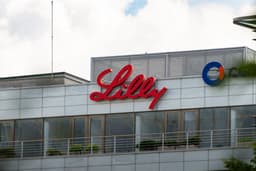
Eli Lilly CEO Criticizes PBM 'Rent-Seeking', Claims They Increased Insulin List Prices to $275: 'We Can Easily Bypass Them'

Critique of Pharmacy Benefit Managers: Eli Lilly CEO Dave Ricks criticized pharmacy benefit managers (PBMs) for inflating insulin prices, claiming they profit from the difference between high list prices and low net prices, which harms uninsured patients.
Response to Price Inflation: Ricks noted that despite Lilly's efforts to introduce a low-cost insulin option, PBMs resisted these changes, prompting the company to create LillyDirect, a direct-to-consumer platform to bypass the PBM system.
Industry Support Against PBMs: Ricks' views align with those of industry disruptors like Mark Cuban, who also condemned PBMs for their role in escalating healthcare costs, indicating a growing challenge to the PBM business model.
Eli Lilly's Stock Performance: Following these developments, Eli Lilly's stock has shown positive performance, closing higher and reflecting a strong price trend over the year, despite a poor value ranking.

Economist Warns Trump's Full Drug Tariff Will Burden Americans, Not Foreign Companies

Impact of Proposed Tariffs: Economist Justin Wolfers argues that President Trump's proposed 100% tariffs on foreign pharmaceuticals will ultimately increase costs for American patients and insurers, particularly for patented drugs with no competition.
Criticism from the Pharmaceutical Industry: The Pharmaceutical Research and Manufacturers of America (PhRMA) warns that the tariffs will divert funds away from American manufacturing and the development of new treatments, despite the potential for a surge in domestic manufacturing investment.
Burden on Vulnerable Patients: While generic drugs are exempt from the tariffs, those relying on specialized, foreign-made brand-name medications are expected to face significant price increases, leading to a "meaningful commercial hit" for U.S. consumers.
Market Reactions: Despite the proposed tariffs, major pharmaceutical companies like Eli Lilly and Pfizer may benefit from the policy shift, while broader market indices such as the S&P 500 and Nasdaq 100 have shown positive performance.

Mark Cuban Reveals How Wholesalers Coerce Pharmacies into Nearly Exclusive Agreements, Highlighting PBMs' 'Stranglehold' on Medication Costs
Mark Cuban's Critique of the Drug Industry: Mark Cuban criticized the U.S. prescription drug industry on social media, accusing wholesalers and Pharmacy Benefit Managers (PBMs) of manipulating prices through anti-competitive practices that inflate costs for consumers.
Opaque Pricing Mechanisms: Cuban explained how pharmacies are coerced into exclusive purchasing agreements with wholesalers, leading to artificially inflated prices and complicated rebate schemes that ultimately disadvantage patients and make the system difficult to navigate.

Mark Cuban Says Cutting PBM Fees Won't Reduce Pharmaceutical R&D Funding: 'Manufacturers Can Sell To Us For More'


Mark Cuban's Argument on PBMs: Billionaire Mark Cuban argues that reducing pharmacy benefit manager (PBM) fees could enhance pharmaceutical companies' profits, allowing for increased investment in research and development (R&D), challenging the notion that high drug prices are necessary for innovation.
Critique of PBMs: Cuban criticizes PBMs for inflating drug prices and limiting access to care, claiming they manipulate costs through rebates and fees, which ultimately detracts from funds available for R&D and innovation in the pharmaceutical industry.
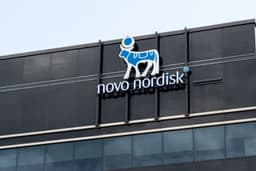
Trump's Pharma Tariffs Can Hit Novo Nordisk, Says Barclays Expert, But It's 'Difficult' To Predict As Drugmakers Have 'Complex Supply Chains'

Tariffs on Pharmaceuticals: The Trump administration is considering imposing up to 200% tariffs on pharmaceutical companies, with Barclays' Emily Field noting that Novo Nordisk may be particularly affected due to its supply chain in Denmark, while the overall sector is seen as unfavorable for such tariffs.
Impact on Investments and Costs: European pharma companies like Novartis, Roche, and AstraZeneca are planning significant investments in the U.S., but Barclays warns that high tariffs could inflate production costs and lead to drug shortages, negatively impacting patients.

Trump Threatens 200% Pharma Tariffs, But Analyst Says This Stock Is Immune And Expected To 'Benefit' From Levies

Impact of Proposed Tariffs: President Trump's proposed 200% tariffs on pharmaceutical imports could negatively affect profit margins and production costs for pharma companies, with analysts indicating insufficient time for firms to adjust their manufacturing processes before implementation.
Eli Lilly's Strategic Positioning: Despite potential industry challenges, Eli Lilly is expected to benefit from the tariffs due to its increased domestic manufacturing and innovative strategies like the direct-to-consumer model in partnership with Amazon, alongside significant acquisitions aimed at growth in gene-editing therapies.
Eli Lilly CEO Criticizes PBM 'Rent-Seeking', Claims They Increased Insulin List Prices to $275: 'We Can Easily Bypass Them'
Critique of Pharmacy Benefit Managers: Eli Lilly CEO Dave Ricks criticized pharmacy benefit managers (PBMs) for inflating insulin prices, claiming they profit from the difference between high list prices and low net prices, which harms uninsured patients.
Response to Price Inflation: Ricks noted that despite Lilly's efforts to introduce a low-cost insulin option, PBMs resisted these changes, prompting the company to create LillyDirect, a direct-to-consumer platform to bypass the PBM system.
Industry Support Against PBMs: Ricks' views align with those of industry disruptors like Mark Cuban, who also condemned PBMs for their role in escalating healthcare costs, indicating a growing challenge to the PBM business model.
Eli Lilly's Stock Performance: Following these developments, Eli Lilly's stock has shown positive performance, closing higher and reflecting a strong price trend over the year, despite a poor value ranking.
Economist Warns Trump's Full Drug Tariff Will Burden Americans, Not Foreign Companies
Impact of Proposed Tariffs: Economist Justin Wolfers argues that President Trump's proposed 100% tariffs on foreign pharmaceuticals will ultimately increase costs for American patients and insurers, particularly for patented drugs with no competition.
Criticism from the Pharmaceutical Industry: The Pharmaceutical Research and Manufacturers of America (PhRMA) warns that the tariffs will divert funds away from American manufacturing and the development of new treatments, despite the potential for a surge in domestic manufacturing investment.
Burden on Vulnerable Patients: While generic drugs are exempt from the tariffs, those relying on specialized, foreign-made brand-name medications are expected to face significant price increases, leading to a "meaningful commercial hit" for U.S. consumers.
Market Reactions: Despite the proposed tariffs, major pharmaceutical companies like Eli Lilly and Pfizer may benefit from the policy shift, while broader market indices such as the S&P 500 and Nasdaq 100 have shown positive performance.
Mark Cuban Reveals How Wholesalers Coerce Pharmacies into Nearly Exclusive Agreements, Highlighting PBMs' 'Stranglehold' on Medication Costs
Mark Cuban's Critique of the Drug Industry: Mark Cuban criticized the U.S. prescription drug industry on social media, accusing wholesalers and Pharmacy Benefit Managers (PBMs) of manipulating prices through anti-competitive practices that inflate costs for consumers.
Opaque Pricing Mechanisms: Cuban explained how pharmacies are coerced into exclusive purchasing agreements with wholesalers, leading to artificially inflated prices and complicated rebate schemes that ultimately disadvantage patients and make the system difficult to navigate.
Mark Cuban Says Cutting PBM Fees Won't Reduce Pharmaceutical R&D Funding: 'Manufacturers Can Sell To Us For More'
Mark Cuban's Argument on PBMs: Billionaire Mark Cuban argues that reducing pharmacy benefit manager (PBM) fees could enhance pharmaceutical companies' profits, allowing for increased investment in research and development (R&D), challenging the notion that high drug prices are necessary for innovation.
Critique of PBMs: Cuban criticizes PBMs for inflating drug prices and limiting access to care, claiming they manipulate costs through rebates and fees, which ultimately detracts from funds available for R&D and innovation in the pharmaceutical industry.
Trump's Pharma Tariffs Can Hit Novo Nordisk, Says Barclays Expert, But It's 'Difficult' To Predict As Drugmakers Have 'Complex Supply Chains'
Tariffs on Pharmaceuticals: The Trump administration is considering imposing up to 200% tariffs on pharmaceutical companies, with Barclays' Emily Field noting that Novo Nordisk may be particularly affected due to its supply chain in Denmark, while the overall sector is seen as unfavorable for such tariffs.
Impact on Investments and Costs: European pharma companies like Novartis, Roche, and AstraZeneca are planning significant investments in the U.S., but Barclays warns that high tariffs could inflate production costs and lead to drug shortages, negatively impacting patients.
Trump Threatens 200% Pharma Tariffs, But Analyst Says This Stock Is Immune And Expected To 'Benefit' From Levies
Impact of Proposed Tariffs: President Trump's proposed 200% tariffs on pharmaceutical imports could negatively affect profit margins and production costs for pharma companies, with analysts indicating insufficient time for firms to adjust their manufacturing processes before implementation.
Eli Lilly's Strategic Positioning: Despite potential industry challenges, Eli Lilly is expected to benefit from the tariffs due to its increased domestic manufacturing and innovative strategies like the direct-to-consumer model in partnership with Amazon, alongside significant acquisitions aimed at growth in gene-editing therapies.