Joby Aviation Partners with Nvidia for Autonomous Flight Development
Written by Emily J. Thompson, Senior Investment Analyst
Updated: 1 hour ago
0mins

Should l Buy JOBY?
Source: Fool
- Strategic Partnership: Joby Aviation's collaboration with Nvidia to leverage the IGX Thor platform enhances its autonomous flight capabilities, potentially positioning Joby as a leader in the electric vertical take-off and landing (eVTOL) market.
- Technological Innovation: By utilizing Nvidia's technology, Joby aims to advance its Superpilot system towards certifiable autonomy, strengthening its market position for both civil and military applications while mitigating competition from Wisk.
- Market Positioning: Unlike Archer Aviation, Joby not only designs and manufactures eVTOLs but also plans to operate transportation services, leveraging its first-mover advantage to secure funding and establish technological trust in the marketplace.
- Data-Driven Development: Joby's autonomous flight initiatives will generate substantial flight-hour data akin to Tesla's full self-driving software, further enhancing its technological capabilities and accelerating market entry, making it an attractive stock for investors seeking eVTOL exposure.
Trade with 70% Backtested Accuracy
Stop guessing "Should I Buy JOBY?" and start using high-conviction signals backed by rigorous historical data.
Sign up today to access powerful investing tools and make smarter, data-driven decisions.
Analyst Views on JOBY
Wall Street analysts forecast JOBY stock price to rise
6 Analyst Rating
1 Buy
3 Hold
2 Sell
Hold
Current: 9.880

Low
8.00
Averages
15.67
High
22.00
Current: 9.880
Low
8.00
Averages
15.67
High
22.00
About JOBY
Joby Aviation, Inc. is a transportation company developing an all-electric, vertical take-off and landing air taxi. The Company is engaged in designing and testing a piloted all-electric, vertical take-off and landing (eVTOL) aircraft. The Joby eVTOL is designed to transport a pilot and up to four passengers or an expected payload of up to 1,000 pounds at speeds of up to 200 miles per hour (mph). The aircraft is optimized for urban routes, with a target range of up to 100 miles on a single charge. The Company plans to manufacture, own and operate its aircraft itself, building a vertically integrated transportation company that delivers transportation services to customers, including government agencies such as the United States Air Force (USAF) through sales or contracted operations, and to individual end-users through a convenient app-based aerial ridesharing service. It also offers a network of terminals and loyal flyers in markets like New York and in Southern Europe.
About the author

Emily J. Thompson
Emily J. Thompson, a Chartered Financial Analyst (CFA) with 12 years in investment research, graduated with honors from the Wharton School. Specializing in industrial and technology stocks, she provides in-depth analysis for Intellectia’s earnings and market brief reports.

Joby Aviation Nears Critical FAA Certification and Dubai Launch

- FAA Certification Approaching: Joby Aviation is nearing a critical phase of FAA certification, which will pave the way for its future commercial operations and significantly enhance its competitiveness in the urban air mobility market.
- Dubai Market Launch: The company plans to launch its electric vertical takeoff and landing (eVTOL) aircraft in Dubai, a move that will not only open up the Middle Eastern market for Joby but also potentially attract significant investor interest in its future growth prospects.
- Investor Return Potential: Should Joby successfully execute its plans, it is expected to deliver substantial returns for long-term investors, especially against the backdrop of increasing urban mobility demand, making the company's market positioning crucial.
- Opportunity to Reshape Markets: The success of Joby Aviation could not only reshape the urban mobility landscape but also drive the development of related technologies and infrastructure, thereby creating new growth opportunities for the entire industry.
See More
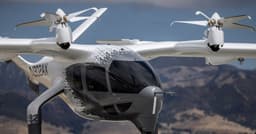
Joby Aviation Partners with Nvidia for Autonomous Flight Development

- Strategic Partnership: Joby Aviation's collaboration with Nvidia to leverage the IGX Thor platform enhances its autonomous flight capabilities, potentially positioning Joby as a leader in the electric vertical take-off and landing (eVTOL) market.
- Technological Innovation: By utilizing Nvidia's technology, Joby aims to advance its Superpilot system towards certifiable autonomy, strengthening its market position for both civil and military applications while mitigating competition from Wisk.
- Market Positioning: Unlike Archer Aviation, Joby not only designs and manufactures eVTOLs but also plans to operate transportation services, leveraging its first-mover advantage to secure funding and establish technological trust in the marketplace.
- Data-Driven Development: Joby's autonomous flight initiatives will generate substantial flight-hour data akin to Tesla's full self-driving software, further enhancing its technological capabilities and accelerating market entry, making it an attractive stock for investors seeking eVTOL exposure.
See More

Joby Partners with Nvidia to Develop Autonomous Flight Technology
- Collaborative Development: Joby's partnership with Nvidia will leverage the latter's IGX Thor platform alongside Joby's Superpilot technology to advance autonomous flight capabilities, which is expected to significantly enhance Joby's competitiveness in the eVTOL market.
- Market Leadership Advantage: Joby's vertically integrated strategy positions it as a first mover in the electric vertical take-off and landing market, with plans to launch autonomous flight features by late 2025, potentially gaining an edge in funding and market trust.
- Dual-Use Strategy: Joby's plan to develop autonomous eVTOLs for military applications in the near term not only allows for early technology testing but also lays the groundwork for future civil market adoption, akin to Tesla's data accumulation for full self-driving software.
- Risk Management and Competition: By collaborating with Nvidia, Joby mitigates the risk of Wisk overtaking it in the autonomous market, with expectations that Joby could launch both piloted air taxis and possibly autonomous military versions before Wisk's civil autonomous eVTOL is certified.
See More
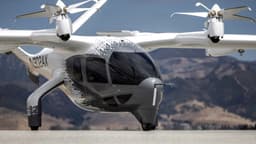
Joby Aviation Poised for Stock Surge
- Technological Edge: Joby's S4 eVTOLs utilize tilt-rotor technology, making them faster and more energy-efficient than competitors like Archer Aviation, which could enable Joby to dominate the emerging eVTOL market and replace traditional helicopters.
- Investor Backing: The company has garnered significant support from major investors and customers, including Toyota, Delta Air Lines, and the U.S. Air Force, which not only boosts market confidence but also lays a solid foundation for future growth.
- Acquisition Strategy: Joby's acquisition of Uber's Elevate aerial ride-hailing division in 2020 and Blade's helicopter service last year provides robust support for its future air taxi services, enhancing its operational capabilities.
- Market Outlook: With the FAA expected to approve Joby's first commercial flights this year and the launch of its air taxi services in Dubai, these catalysts could drive its stock price higher, despite a high projected P/E ratio of 47 times its 2027 sales.
See More

Joby Aviation's Electric Air Taxi Prospects Dim Amid Cash Burn
- Funding Challenges: Joby Aviation raised over $1 billion last month through convertible bonds and common stock, yet its stock price has fallen to around $10.50 due to dilution concerns, reflecting market skepticism about its profitability.
- Manufacturing Expansion Plans: The company aims to produce four electric air taxis per month by 2027, resulting in an annual output of only 48 units, which translates to over $100 million in revenue, a trivial amount compared to its $10 billion market cap.
- Cash Flow Pressure: Joby reported a negative free cash flow of $532 million over the last 12 months, and with increasing manufacturing investments, it is expected to continue operating at a loss for years, raising the risk of further shareholder dilution.
- Uncertain Market Outlook: Despite the significant market potential for electric air taxis, Joby's heavy cash burn and lack of substantial revenue may lead investors to adopt a cautious stance regarding its future, potentially impacting long-term stock performance.
See More
Joby Aviation Faces Challenges in Electric Air Taxi Market
- Funding and Stock Decline: Joby Aviation raised over $1 billion last month through convertible bonds and common stock, yet its stock price has fallen to $10.50 per share due to concerns about future profitability, reflecting market skepticism.
- Manufacturing Capacity Expansion: The company aims to produce four electric air taxis per month by 2027, but this annual target of 48 vehicles appears trivial against its $10 billion market cap, raising doubts about long-term growth prospects among investors.
- Cash Flow and Loss Issues: Joby reported a negative free cash flow of $532 million over the past 12 months, and as initial manufacturing investments ramp up, losses are expected to worsen, potentially leading to further shareholder dilution that could hinder stock price returns.
- Market Outlook and Competitive Pressure: While the market for electric air taxis is promising, Joby faces significant regulatory challenges and intense competition, particularly regarding FAA certification and safety requirements, which may delay the launch of its commercial operations.
See More
Joby Aviation Nears Critical FAA Certification and Dubai Launch
- FAA Certification Approaching: Joby Aviation is nearing a critical phase of FAA certification, which will pave the way for its future commercial operations and significantly enhance its competitiveness in the urban air mobility market.
- Dubai Market Launch: The company plans to launch its electric vertical takeoff and landing (eVTOL) aircraft in Dubai, a move that will not only open up the Middle Eastern market for Joby but also potentially attract significant investor interest in its future growth prospects.
- Investor Return Potential: Should Joby successfully execute its plans, it is expected to deliver substantial returns for long-term investors, especially against the backdrop of increasing urban mobility demand, making the company's market positioning crucial.
- Opportunity to Reshape Markets: The success of Joby Aviation could not only reshape the urban mobility landscape but also drive the development of related technologies and infrastructure, thereby creating new growth opportunities for the entire industry.
See More
Joby Aviation Partners with Nvidia for Autonomous Flight Development
- Strategic Partnership: Joby Aviation's collaboration with Nvidia to leverage the IGX Thor platform enhances its autonomous flight capabilities, potentially positioning Joby as a leader in the electric vertical take-off and landing (eVTOL) market.
- Technological Innovation: By utilizing Nvidia's technology, Joby aims to advance its Superpilot system towards certifiable autonomy, strengthening its market position for both civil and military applications while mitigating competition from Wisk.
- Market Positioning: Unlike Archer Aviation, Joby not only designs and manufactures eVTOLs but also plans to operate transportation services, leveraging its first-mover advantage to secure funding and establish technological trust in the marketplace.
- Data-Driven Development: Joby's autonomous flight initiatives will generate substantial flight-hour data akin to Tesla's full self-driving software, further enhancing its technological capabilities and accelerating market entry, making it an attractive stock for investors seeking eVTOL exposure.
See More
Joby Partners with Nvidia to Develop Autonomous Flight Technology
- Collaborative Development: Joby's partnership with Nvidia will leverage the latter's IGX Thor platform alongside Joby's Superpilot technology to advance autonomous flight capabilities, which is expected to significantly enhance Joby's competitiveness in the eVTOL market.
- Market Leadership Advantage: Joby's vertically integrated strategy positions it as a first mover in the electric vertical take-off and landing market, with plans to launch autonomous flight features by late 2025, potentially gaining an edge in funding and market trust.
- Dual-Use Strategy: Joby's plan to develop autonomous eVTOLs for military applications in the near term not only allows for early technology testing but also lays the groundwork for future civil market adoption, akin to Tesla's data accumulation for full self-driving software.
- Risk Management and Competition: By collaborating with Nvidia, Joby mitigates the risk of Wisk overtaking it in the autonomous market, with expectations that Joby could launch both piloted air taxis and possibly autonomous military versions before Wisk's civil autonomous eVTOL is certified.
See More
Joby Aviation Poised for Stock Surge
- Technological Edge: Joby's S4 eVTOLs utilize tilt-rotor technology, making them faster and more energy-efficient than competitors like Archer Aviation, which could enable Joby to dominate the emerging eVTOL market and replace traditional helicopters.
- Investor Backing: The company has garnered significant support from major investors and customers, including Toyota, Delta Air Lines, and the U.S. Air Force, which not only boosts market confidence but also lays a solid foundation for future growth.
- Acquisition Strategy: Joby's acquisition of Uber's Elevate aerial ride-hailing division in 2020 and Blade's helicopter service last year provides robust support for its future air taxi services, enhancing its operational capabilities.
- Market Outlook: With the FAA expected to approve Joby's first commercial flights this year and the launch of its air taxi services in Dubai, these catalysts could drive its stock price higher, despite a high projected P/E ratio of 47 times its 2027 sales.
See More
Joby Aviation's Electric Air Taxi Prospects Dim Amid Cash Burn
- Funding Challenges: Joby Aviation raised over $1 billion last month through convertible bonds and common stock, yet its stock price has fallen to around $10.50 due to dilution concerns, reflecting market skepticism about its profitability.
- Manufacturing Expansion Plans: The company aims to produce four electric air taxis per month by 2027, resulting in an annual output of only 48 units, which translates to over $100 million in revenue, a trivial amount compared to its $10 billion market cap.
- Cash Flow Pressure: Joby reported a negative free cash flow of $532 million over the last 12 months, and with increasing manufacturing investments, it is expected to continue operating at a loss for years, raising the risk of further shareholder dilution.
- Uncertain Market Outlook: Despite the significant market potential for electric air taxis, Joby's heavy cash burn and lack of substantial revenue may lead investors to adopt a cautious stance regarding its future, potentially impacting long-term stock performance.
See More
Joby Aviation Faces Challenges in Electric Air Taxi Market
- Funding and Stock Decline: Joby Aviation raised over $1 billion last month through convertible bonds and common stock, yet its stock price has fallen to $10.50 per share due to concerns about future profitability, reflecting market skepticism.
- Manufacturing Capacity Expansion: The company aims to produce four electric air taxis per month by 2027, but this annual target of 48 vehicles appears trivial against its $10 billion market cap, raising doubts about long-term growth prospects among investors.
- Cash Flow and Loss Issues: Joby reported a negative free cash flow of $532 million over the past 12 months, and as initial manufacturing investments ramp up, losses are expected to worsen, potentially leading to further shareholder dilution that could hinder stock price returns.
- Market Outlook and Competitive Pressure: While the market for electric air taxis is promising, Joby faces significant regulatory challenges and intense competition, particularly regarding FAA certification and safety requirements, which may delay the launch of its commercial operations.
See More