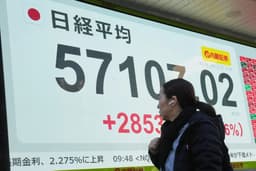
Japan increases key interest rate to 0.75%, signaling second hike of the year and a potentially hawkish outlook ahead.
Interest Rate Hike: The Bank of Japan raised interest rates from 0.50% to 0.75%, the highest since 1995, marking the second increase this year as part of a shift from its ultra-loose monetary policy.
Economic Outlook: The BoJ expects continued wage growth and positive corporate earnings through 2026, while maintaining that monetary policy remains stimulative due to negative real interest rates.
Inflation Trends: Japan's headline inflation decreased slightly to 2.9% in November, remaining above the BoJ's target for the 44th month, with core inflation steady at 3%.
Market Reactions: Following the rate hike, the Nikkei 225 Index rose by 1.5%, while the Japanese yen weakened to around 156 per dollar, with attention on Governor Kazuo Ueda's comments regarding future rate hikes.
Trade with 70% Backtested Accuracy
Analyst Views on DXJ


No data
About the author


BoJ Votes Unanimously to Increase Rates to 0.75% in Second Tightening Action of the Year


Interest Rate Increase: The Bank of Japan raised its key short-term interest rate by 25bps to 0.75%, the highest since September 1995, marking a shift from a very loose monetary policy.
Economic Outlook: The BoJ anticipates steady wage increases in 2026 due to improving corporate profits, but real interest rates remain significantly negative, with overall financial conditions still supportive of economic activity.
Future Rate Hikes: The central bank indicated potential for further rate increases if the economic outlook improves, despite inflation expected to dip below 2% through early FY 2026.
Market Reactions: The Nikkei 225 Index rose by 0.4% to 50,630, and the Japanese yen strengthened to around 156.7 per dollar, as traders speculated on possible government intervention in the currency market.
Japan's Inflation Falls to 2.9% in November as Food Prices Decrease; Core Inflation Remains Steady at 3%
Inflation Trends: Japan's annual inflation rate decreased to 2.9% in November, primarily due to a slowdown in food prices, particularly rice, which saw its smallest increase in 15 months.
Core Consumer Price Index: The core consumer price index remained steady at 3% year-on-year, consistent with October's figures and significantly above the Bank of Japan's 2% target, indicating potential for further interest rate hikes.
Interest Rate Increase: The Bank of Japan raised its benchmark interest rate by 25 basis points to 0.75%, the highest since 1995, as inflation persists above target levels.
Market Reactions: Following the interest rate hike, the Nikkei 225 Index rose by 1.5%, while the Japanese yen weakened to around 156 per dollar, reflecting market adjustments to the central bank's decisions.
Japan increases key interest rate to 0.75%, signaling second hike of the year and a potentially hawkish outlook ahead.
Interest Rate Hike: The Bank of Japan raised interest rates from 0.50% to 0.75%, the highest since 1995, marking the second increase this year as part of a shift from its ultra-loose monetary policy.
Economic Outlook: The BoJ expects continued wage growth and positive corporate earnings through 2026, while maintaining that monetary policy remains stimulative due to negative real interest rates.
Inflation Trends: Japan's headline inflation decreased slightly to 2.9% in November, remaining above the BoJ's target for the 44th month, with core inflation steady at 3%.
Market Reactions: Following the rate hike, the Nikkei 225 Index rose by 1.5%, while the Japanese yen weakened to around 156 per dollar, with attention on Governor Kazuo Ueda's comments regarding future rate hikes.
Japan's Services Expansion Reaches Six-Month Low Amidst Improving Factory Conditions
Manufacturing and Services PMI Trends: Japan's manufacturing PMI improved to 49.7 in December, indicating a slowdown in the downturn, while the services PMI fell to 52.5, marking the lowest since June and reflecting a slowdown in growth momentum.
Composite PMI and Business Sentiment: The Composite PMI decreased to 51.5, showing continued private sector growth for the ninth month, but businesses expressed reduced confidence for 2026, particularly in manufacturing, amid rising input costs.
Market Reactions: The Nikkei 225 Index fell 1% and the Topix Index declined 0.9%, while the Japanese yen strengthened by 0.45%, reflecting cautious sentiment ahead of a potential Bank of Japan interest rate hike.
Economic Outlook: Concerns over subdued new work from abroad and rising costs are affecting business optimism, with companies responding by increasing their charges amid the strongest rise in input prices since April.
Japan's GDP Declines by 0.6% While Nominal Wages Surge 2.6%, Exceeding Expectations
Economic Contraction: Japan's GDP contracted by 0.6% in Q3 2025, deeper than initial estimates, marking the first decline since Q1 2024, with business spending falling by 0.2%.
Wage and Current Account Trends: Nominal wages rose by 2.6% year-on-year in October 2025, while real wages continued to decline for the tenth month; the current account surplus increased but fell short of market expectations.
Bank Lending and Market Performance: Bank lending rose by 4.2% in November 2025, exceeding expectations, while the Nikkei 225 Index slipped slightly and the Topix Index saw a modest rise amid mixed market sentiment.
Geopolitical Tensions: Japan's geopolitical climate is tense, highlighted by an incident where a Chinese fighter aircraft targeted Japanese military jets, contributing to cautious market sentiment.
Japan's Bond Yields Reach New Highs Amid Rate Hike Speculations and Fiscal Worries
Rising Bond Yields: Japanese 10-year government bond yields have reached their highest levels since 2007, influenced by expectations of an interest rate hike by the Bank of Japan later this month.
Government Spending Concerns: The bond selloff is exacerbated by the Japanese government's plans to increase short-term debt issuance for a significant stimulus package, raising concerns about the country's already high debt-to-GDP ratio of around 230%.
Uncertainty in Rate Hikes: Bank of Japan Governor Kazuo Ueda indicated uncertainty regarding the neutral interest rate, suggesting caution in how much rates should be raised.
Market Implications: The potential for a rate hike has led to increased speculation in the markets, with analysts discussing the broader implications for the Japanese economy and its fiscal health.
BoJ Votes Unanimously to Increase Rates to 0.75% in Second Tightening Action of the Year
Interest Rate Increase: The Bank of Japan raised its key short-term interest rate by 25bps to 0.75%, the highest since September 1995, marking a shift from a very loose monetary policy.
Economic Outlook: The BoJ anticipates steady wage increases in 2026 due to improving corporate profits, but real interest rates remain significantly negative, with overall financial conditions still supportive of economic activity.
Future Rate Hikes: The central bank indicated potential for further rate increases if the economic outlook improves, despite inflation expected to dip below 2% through early FY 2026.
Market Reactions: The Nikkei 225 Index rose by 0.4% to 50,630, and the Japanese yen strengthened to around 156.7 per dollar, as traders speculated on possible government intervention in the currency market.
Japan's Inflation Falls to 2.9% in November as Food Prices Decrease; Core Inflation Remains Steady at 3%
Inflation Trends: Japan's annual inflation rate decreased to 2.9% in November, primarily due to a slowdown in food prices, particularly rice, which saw its smallest increase in 15 months.
Core Consumer Price Index: The core consumer price index remained steady at 3% year-on-year, consistent with October's figures and significantly above the Bank of Japan's 2% target, indicating potential for further interest rate hikes.
Interest Rate Increase: The Bank of Japan raised its benchmark interest rate by 25 basis points to 0.75%, the highest since 1995, as inflation persists above target levels.
Market Reactions: Following the interest rate hike, the Nikkei 225 Index rose by 1.5%, while the Japanese yen weakened to around 156 per dollar, reflecting market adjustments to the central bank's decisions.
Japan increases key interest rate to 0.75%, signaling second hike of the year and a potentially hawkish outlook ahead.
Interest Rate Hike: The Bank of Japan raised interest rates from 0.50% to 0.75%, the highest since 1995, marking the second increase this year as part of a shift from its ultra-loose monetary policy.
Economic Outlook: The BoJ expects continued wage growth and positive corporate earnings through 2026, while maintaining that monetary policy remains stimulative due to negative real interest rates.
Inflation Trends: Japan's headline inflation decreased slightly to 2.9% in November, remaining above the BoJ's target for the 44th month, with core inflation steady at 3%.
Market Reactions: Following the rate hike, the Nikkei 225 Index rose by 1.5%, while the Japanese yen weakened to around 156 per dollar, with attention on Governor Kazuo Ueda's comments regarding future rate hikes.
Japan's Services Expansion Reaches Six-Month Low Amidst Improving Factory Conditions
Manufacturing and Services PMI Trends: Japan's manufacturing PMI improved to 49.7 in December, indicating a slowdown in the downturn, while the services PMI fell to 52.5, marking the lowest since June and reflecting a slowdown in growth momentum.
Composite PMI and Business Sentiment: The Composite PMI decreased to 51.5, showing continued private sector growth for the ninth month, but businesses expressed reduced confidence for 2026, particularly in manufacturing, amid rising input costs.
Market Reactions: The Nikkei 225 Index fell 1% and the Topix Index declined 0.9%, while the Japanese yen strengthened by 0.45%, reflecting cautious sentiment ahead of a potential Bank of Japan interest rate hike.
Economic Outlook: Concerns over subdued new work from abroad and rising costs are affecting business optimism, with companies responding by increasing their charges amid the strongest rise in input prices since April.
Japan's GDP Declines by 0.6% While Nominal Wages Surge 2.6%, Exceeding Expectations
Economic Contraction: Japan's GDP contracted by 0.6% in Q3 2025, deeper than initial estimates, marking the first decline since Q1 2024, with business spending falling by 0.2%.
Wage and Current Account Trends: Nominal wages rose by 2.6% year-on-year in October 2025, while real wages continued to decline for the tenth month; the current account surplus increased but fell short of market expectations.
Bank Lending and Market Performance: Bank lending rose by 4.2% in November 2025, exceeding expectations, while the Nikkei 225 Index slipped slightly and the Topix Index saw a modest rise amid mixed market sentiment.
Geopolitical Tensions: Japan's geopolitical climate is tense, highlighted by an incident where a Chinese fighter aircraft targeted Japanese military jets, contributing to cautious market sentiment.
Japan's Bond Yields Reach New Highs Amid Rate Hike Speculations and Fiscal Worries
Rising Bond Yields: Japanese 10-year government bond yields have reached their highest levels since 2007, influenced by expectations of an interest rate hike by the Bank of Japan later this month.
Government Spending Concerns: The bond selloff is exacerbated by the Japanese government's plans to increase short-term debt issuance for a significant stimulus package, raising concerns about the country's already high debt-to-GDP ratio of around 230%.
Uncertainty in Rate Hikes: Bank of Japan Governor Kazuo Ueda indicated uncertainty regarding the neutral interest rate, suggesting caution in how much rates should be raised.
Market Implications: The potential for a rate hike has led to increased speculation in the markets, with analysts discussing the broader implications for the Japanese economy and its fiscal health.