Is Schwab Fundamental Emerging Markets Equity ETF (FNDE) a Strong ETF Right Now?


Overview of Schwab Fundamental Emerging Markets Equity ETF (FNDE): FNDE, launched in 2013 and managed by Charles Schwab, is a smart beta ETF focusing on emerging markets with over $6.25 billion in assets, aiming to match the performance of the Russell RAFI Emerging Markets Large Co. Index while maintaining an expense ratio of 0.39% and a 12-month trailing dividend yield of 4.10%.
Investment Considerations: While FNDE offers diversified exposure and has shown positive returns, investors may also explore traditional market cap weighted ETFs like Vanguard FTSE Emerging Markets ETF (VWO) and iShares Core MSCI Emerging Markets ETF (IEMG), which have lower expense ratios and could be more suitable for those seeking cheaper and lower-risk options.
Trade with 70% Backtested Accuracy
Analyst Views on IEMG


No data
About the author


Emerging Market Funds Outperform the S&P 500: The Rally Is Genuine.


Emerging Markets Potential: Investors may be underestimating the potential of emerging markets as a strong performer in 2025.
Market Performance Outlook: Emerging markets are projected to be among the top market performers, suggesting a shift in investment focus may be beneficial.

Uncommon Signal Indicates Emerging Markets May Be Entering a Prolonged Outperformance Phase


Emerging Markets vs. Developed Markets: The ratio of emerging markets to developed markets stocks has hit a historic low, similar to previous instances in 1988 and 2002, which led to significant outperformance of emerging markets in subsequent years.
Current Investment Landscape: Despite the focus on U.S. tech stocks and the S&P 500, there are emerging opportunities in international stocks, particularly in emerging markets, which have shown strong year-to-date returns compared to their developed counterparts.
Valuation Discrepancies: The current price-to-earnings ratio for the iShares Core MSCI Emerging Markets ETF is significantly lower than that of the Vanguard S&P 500 ETF, indicating a potential value opportunity for investors in emerging markets.
Macro Economic Conditions: Evolving macroeconomic conditions, including moderating inflation and declining interest rates, may create a favorable environment for emerging markets, suggesting that a shift in market leadership could be on the horizon.

IEMG and DVGR See Significant Inflows in ETFs


ETF Inflows: The DVGR ETF experienced the largest increase in inflows, adding 130,000 units, which represents a 38.2% rise in outstanding units.
Market Commentary: The views expressed in the article are those of the author and do not necessarily reflect the opinions of Nasdaq, Inc.

iShares Core MSCI Emerging Markets ETF Sees Significant Capital Inflow

52-Week Range of IEMG: IEMG's share price has a 52-week low of $47.29 and a high of $69.465, with the last trade recorded at $67.53.
Understanding ETFs: Exchange-traded funds (ETFs) function like stocks, where investors buy and sell "units" that can be created or destroyed based on demand.
Monitoring ETF Flows: Weekly monitoring of shares outstanding helps identify ETFs with significant inflows (new units created) or outflows (units destroyed), impacting the underlying holdings.
Author's Views: The opinions expressed in the article are those of the author and do not necessarily represent the views of Nasdaq, Inc.

Reasons for Shifting My Investments Away from U.S. Stocks, Following Warren Buffett's Example

Investment Strategy Shift: The author has reduced their investment in U.S. stocks in favor of international markets, despite the S&P 500's 17% increase in 2025.
Performance of Non-U.S. Markets: Data indicates that investing in non-U.S. markets has yielded significantly higher returns compared to U.S. stocks this year.
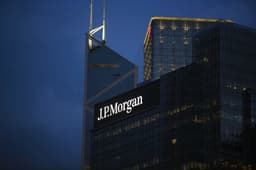
JP Morgan's 2026 Forecast: K-Shaped Growth and Policy Uncertainty

Economic Outlook: JP Morgan Asset Management anticipates a K-shaped economic recovery in 2026, with growth above 3% in the first half, driven by fiscal support, while inflation is expected to rise towards 4% before settling at 2% by year-end.
Key Policy Drivers: The bank identifies three main factors influencing economic volatility: increased U.S. tariffs impacting consumer prices, a decline in net immigration affecting job growth, and significant investments in AI projected to reach $588 billion.
Investment Strategy: JP Morgan advises investors to focus on fixed income and duration rather than yield levels, suggesting that TIPS and commodities remain relevant as inflation hedges, while also recommending a tilt towards value and international markets.
Global Market Trends: The firm highlights four structural themes, including revitalization of European and Japanese companies, the broadening impact of AI, increased fiscal spending in the Eurozone and Japan, and a global shift towards higher shareholder returns.
Emerging Market Funds Outperform the S&P 500: The Rally Is Genuine.
Emerging Markets Potential: Investors may be underestimating the potential of emerging markets as a strong performer in 2025.
Market Performance Outlook: Emerging markets are projected to be among the top market performers, suggesting a shift in investment focus may be beneficial.
Uncommon Signal Indicates Emerging Markets May Be Entering a Prolonged Outperformance Phase
Emerging Markets vs. Developed Markets: The ratio of emerging markets to developed markets stocks has hit a historic low, similar to previous instances in 1988 and 2002, which led to significant outperformance of emerging markets in subsequent years.
Current Investment Landscape: Despite the focus on U.S. tech stocks and the S&P 500, there are emerging opportunities in international stocks, particularly in emerging markets, which have shown strong year-to-date returns compared to their developed counterparts.
Valuation Discrepancies: The current price-to-earnings ratio for the iShares Core MSCI Emerging Markets ETF is significantly lower than that of the Vanguard S&P 500 ETF, indicating a potential value opportunity for investors in emerging markets.
Macro Economic Conditions: Evolving macroeconomic conditions, including moderating inflation and declining interest rates, may create a favorable environment for emerging markets, suggesting that a shift in market leadership could be on the horizon.
IEMG and DVGR See Significant Inflows in ETFs
ETF Inflows: The DVGR ETF experienced the largest increase in inflows, adding 130,000 units, which represents a 38.2% rise in outstanding units.
Market Commentary: The views expressed in the article are those of the author and do not necessarily reflect the opinions of Nasdaq, Inc.
iShares Core MSCI Emerging Markets ETF Sees Significant Capital Inflow
52-Week Range of IEMG: IEMG's share price has a 52-week low of $47.29 and a high of $69.465, with the last trade recorded at $67.53.
Understanding ETFs: Exchange-traded funds (ETFs) function like stocks, where investors buy and sell "units" that can be created or destroyed based on demand.
Monitoring ETF Flows: Weekly monitoring of shares outstanding helps identify ETFs with significant inflows (new units created) or outflows (units destroyed), impacting the underlying holdings.
Author's Views: The opinions expressed in the article are those of the author and do not necessarily represent the views of Nasdaq, Inc.
Reasons for Shifting My Investments Away from U.S. Stocks, Following Warren Buffett's Example
Investment Strategy Shift: The author has reduced their investment in U.S. stocks in favor of international markets, despite the S&P 500's 17% increase in 2025.
Performance of Non-U.S. Markets: Data indicates that investing in non-U.S. markets has yielded significantly higher returns compared to U.S. stocks this year.
JP Morgan's 2026 Forecast: K-Shaped Growth and Policy Uncertainty
Economic Outlook: JP Morgan Asset Management anticipates a K-shaped economic recovery in 2026, with growth above 3% in the first half, driven by fiscal support, while inflation is expected to rise towards 4% before settling at 2% by year-end.
Key Policy Drivers: The bank identifies three main factors influencing economic volatility: increased U.S. tariffs impacting consumer prices, a decline in net immigration affecting job growth, and significant investments in AI projected to reach $588 billion.
Investment Strategy: JP Morgan advises investors to focus on fixed income and duration rather than yield levels, suggesting that TIPS and commodities remain relevant as inflation hedges, while also recommending a tilt towards value and international markets.
Global Market Trends: The firm highlights four structural themes, including revitalization of European and Japanese companies, the broadening impact of AI, increased fiscal spending in the Eurozone and Japan, and a global shift towards higher shareholder returns.