Is now the right moment for Japan to take action?
Market Intervention Considerations: Tokyo officials may consider intervening in the currency market to signal that the rise of USD/JPY won't be unchecked, especially as the pair shows signs of bouncing back after testing a key level.
Current USD/JPY Status: The USD/JPY is currently at 154.65, having risen 0.3% on the day, but remains significantly lower than its peak above 159.00 following comments from BOJ governor Ueda.
Limitations of Intervention: Any intervention by Japan's Ministry of Finance (MOF) is unlikely to have a lasting impact unless there is a fundamental shift in the factors driving the yen's decline, suggesting a cautious approach to future actions.
Historical Context of Interventions: The MOF's last intervention occurred on July 11, 2024, and previous actions have shown no fixed timing, indicating their readiness to act when necessary to stabilize the yen.
Trade with 70% Backtested Accuracy
Analyst Views on JPY


No data
About the author

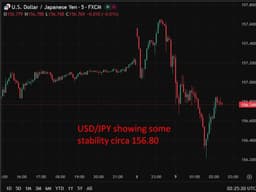
Japan Intensifies Yen Alerts as Kihara Joins Katayama and Mimura, Boosting JPY Outlook.

Japan's Intervention Rhetoric: Senior officials in Japan, including Chief Cabinet Secretary Minoru Kihara and Finance Minister Satsuki Katayama, have intensified warnings regarding the yen's rapid and one-sided movements, indicating a potential for market intervention.
Coordinated Messaging: The government is closely monitoring foreign exchange developments and maintaining dialogue with markets, signaling a low tolerance for further sharp depreciation of the yen, particularly after recent election outcomes.
Fiscal Policy Context: The heightened intervention rhetoric follows a landslide election win for Sanae Takaichi, which has raised expectations for expansionary fiscal policy, contributing to downward pressure on the yen.
Operational Readiness: Japan's top currency diplomat, Atsushi Mimura, emphasized the urgency of monitoring FX movements and the readiness to act if necessary, reinforcing the government's commitment to market stability and fiscal sustainability.

Yen Rises Following Warnings of Verbal Intervention; Initial Movements Misleading.
Yen Performance: The yen weakened in early trading as Japan's markets prepared for renewed pressure following a landslide victory for Takaichi's party.
Election Impact: The election results have revived concerns about the yen's stability, prompting discussions about potential interventions.
Intervention Signals: Comments from Japan's finance minister and her deputy indicated a readiness to intervene in the currency market to support the yen.
Market Reaction: Following these intervention warnings, the yen experienced a rebound, leading to a decrease in the USD/JPY exchange rate.
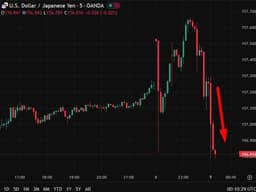
Nikkei Surpasses 56K for the First Time, Yen Intervention Warning Issued.

Verbal Yen Intervention Warning: Japan's finance minister has issued a warning regarding a potential verbal intervention in the yen's value, indicating concerns over its weakness.
Market Reaction: The yen weakened during early trading, prompting Japanese markets to prepare for renewed pressure following a significant electoral victory.
Election Impact: The recent landslide win for Takaichi has revived concerns about the yen's stability, leading to expectations of increased market volatility.
Super-Majority Effects: Takaichi's super-majority in the election is expected to influence economic policies, further impacting the yen's performance in the financial markets.
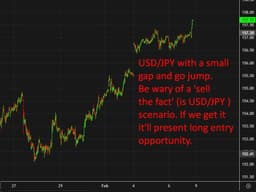
Yen Weakness Update: Takaichi's Super-Majority in Japan Election Increases Yen Pressure

Election Outcome: Prime Minister Sanae Takaichi's coalition achieved a historic landslide victory, securing a two-thirds super-majority in the lower house, which allows for expedited legislative processes and potential fiscal expansion.
Market Reactions: The election results are expected to boost Japanese equities due to anticipated increases in government spending, particularly in defense and technology, while also putting pressure on bond yields and the yen.
Fiscal Concerns: Takaichi's proposal to suspend the 8% sales tax on food raises concerns about funding and fiscal sustainability, with analysts urging her administration to provide credible financial plans amidst rising debt levels.
Bank of Japan's Position: The Bank of Japan faces challenges with a weaker yen potentially increasing inflation, while rising bond yields may tighten financial conditions; gradual tightening is anticipated, with a rate hike more likely in June.

Yen Declines in Early Trading as Japan Markets Prepare for Takaichi's Return Following Landslide Victory
Election Outcome: Sanae Takaichi's decisive victory in the snap election strengthens her mandate for aggressive reflationary policies, marking the ruling Liberal Democratic Party's most significant win since the mid-1990s.
Market Reactions: The "Takaichi trade" has led to a surge in Japanese equities while simultaneously putting pressure on the yen and government bonds, with the yen falling approximately 6% against the dollar since October.
Government Response: Finance Minister Satsuki Katayama has warned against excessive market moves and indicated readiness for intervention if necessary, emphasizing the importance of a professional approach to managing Japan's foreign reserves.
Future Considerations: Investors are weighing whether Takaichi's expanded mandate will lead to further stimulus or a more cautious fiscal approach, amid ongoing concerns about Japan's heavy debt burden and elevated government bond yields.
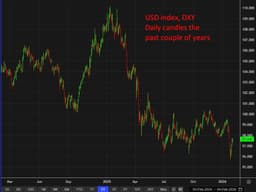
Barclays observes increasing risk premium impacting the US dollar

US Dollar Outlook: Barclays warns that the US dollar is facing increasing downside risks due to a rising risk premium, despite the US economy's strong performance compared to global peers.
Currency Comparisons: The Japanese yen is expected to have more potential for appreciation than the euro, which is already trading at high levels, limiting its upside potential.
Asian Currencies: Several Asian currencies may benefit from ongoing dollar depreciation as global investors diversify their portfolios away from the US, potentially increasing inflows into emerging market assets in Asia.
Monetary Policy Impact: The Federal Reserve's interest rate decisions are crucial for the dollar's direction, with current market expectations reflecting two rate cuts this year, which could significantly influence investor sentiment and positioning.
Japan Intensifies Yen Alerts as Kihara Joins Katayama and Mimura, Boosting JPY Outlook.
Japan's Intervention Rhetoric: Senior officials in Japan, including Chief Cabinet Secretary Minoru Kihara and Finance Minister Satsuki Katayama, have intensified warnings regarding the yen's rapid and one-sided movements, indicating a potential for market intervention.
Coordinated Messaging: The government is closely monitoring foreign exchange developments and maintaining dialogue with markets, signaling a low tolerance for further sharp depreciation of the yen, particularly after recent election outcomes.
Fiscal Policy Context: The heightened intervention rhetoric follows a landslide election win for Sanae Takaichi, which has raised expectations for expansionary fiscal policy, contributing to downward pressure on the yen.
Operational Readiness: Japan's top currency diplomat, Atsushi Mimura, emphasized the urgency of monitoring FX movements and the readiness to act if necessary, reinforcing the government's commitment to market stability and fiscal sustainability.
Yen Rises Following Warnings of Verbal Intervention; Initial Movements Misleading.
Yen Performance: The yen weakened in early trading as Japan's markets prepared for renewed pressure following a landslide victory for Takaichi's party.
Election Impact: The election results have revived concerns about the yen's stability, prompting discussions about potential interventions.
Intervention Signals: Comments from Japan's finance minister and her deputy indicated a readiness to intervene in the currency market to support the yen.
Market Reaction: Following these intervention warnings, the yen experienced a rebound, leading to a decrease in the USD/JPY exchange rate.
Nikkei Surpasses 56K for the First Time, Yen Intervention Warning Issued.
Verbal Yen Intervention Warning: Japan's finance minister has issued a warning regarding a potential verbal intervention in the yen's value, indicating concerns over its weakness.
Market Reaction: The yen weakened during early trading, prompting Japanese markets to prepare for renewed pressure following a significant electoral victory.
Election Impact: The recent landslide win for Takaichi has revived concerns about the yen's stability, leading to expectations of increased market volatility.
Super-Majority Effects: Takaichi's super-majority in the election is expected to influence economic policies, further impacting the yen's performance in the financial markets.
Yen Weakness Update: Takaichi's Super-Majority in Japan Election Increases Yen Pressure
Election Outcome: Prime Minister Sanae Takaichi's coalition achieved a historic landslide victory, securing a two-thirds super-majority in the lower house, which allows for expedited legislative processes and potential fiscal expansion.
Market Reactions: The election results are expected to boost Japanese equities due to anticipated increases in government spending, particularly in defense and technology, while also putting pressure on bond yields and the yen.
Fiscal Concerns: Takaichi's proposal to suspend the 8% sales tax on food raises concerns about funding and fiscal sustainability, with analysts urging her administration to provide credible financial plans amidst rising debt levels.
Bank of Japan's Position: The Bank of Japan faces challenges with a weaker yen potentially increasing inflation, while rising bond yields may tighten financial conditions; gradual tightening is anticipated, with a rate hike more likely in June.
Yen Declines in Early Trading as Japan Markets Prepare for Takaichi's Return Following Landslide Victory
Election Outcome: Sanae Takaichi's decisive victory in the snap election strengthens her mandate for aggressive reflationary policies, marking the ruling Liberal Democratic Party's most significant win since the mid-1990s.
Market Reactions: The "Takaichi trade" has led to a surge in Japanese equities while simultaneously putting pressure on the yen and government bonds, with the yen falling approximately 6% against the dollar since October.
Government Response: Finance Minister Satsuki Katayama has warned against excessive market moves and indicated readiness for intervention if necessary, emphasizing the importance of a professional approach to managing Japan's foreign reserves.
Future Considerations: Investors are weighing whether Takaichi's expanded mandate will lead to further stimulus or a more cautious fiscal approach, amid ongoing concerns about Japan's heavy debt burden and elevated government bond yields.
Barclays observes increasing risk premium impacting the US dollar
US Dollar Outlook: Barclays warns that the US dollar is facing increasing downside risks due to a rising risk premium, despite the US economy's strong performance compared to global peers.
Currency Comparisons: The Japanese yen is expected to have more potential for appreciation than the euro, which is already trading at high levels, limiting its upside potential.
Asian Currencies: Several Asian currencies may benefit from ongoing dollar depreciation as global investors diversify their portfolios away from the US, potentially increasing inflows into emerging market assets in Asia.
Monetary Policy Impact: The Federal Reserve's interest rate decisions are crucial for the dollar's direction, with current market expectations reflecting two rate cuts this year, which could significantly influence investor sentiment and positioning.