Is Costco Stock Priced Too High or Too Low?
Costco's Financial Performance: Costco reported its quarterly financial results, easing concerns among investors, with stock prices noted as of September 24, 2025.
Investment Recommendations: The Motley Fool's Stock Advisor identified 10 top stocks for investment, excluding Costco, highlighting past successes with companies like Netflix and Nvidia that yielded significant returns.
Stock Advisor Performance: The Stock Advisor boasts an average return of 1,062%, significantly outperforming the S&P 500's 189% return, encouraging potential investors to consider their latest recommendations.
Disclosure and Affiliations: Parkev Tatevosian, a CFA and affiliate of The Motley Fool, has no positions in the mentioned stocks, but The Motley Fool recommends Costco and may benefit from subscriptions through his link.
Trade with 70% Backtested Accuracy
Analyst Views on COST

About COST
About the author


Costco Stock Soars, But Investors Should Be Cautious
- Stock Performance: Costco's shares surged 16% at the start of 2026, nearing the $1,000 mark as of Monday's close, despite a staggering price-to-earnings ratio of 54, significantly higher than the S&P 500's average of 25, indicating investor optimism about future performance.
- Earnings Expectations: Scheduled to release its latest earnings on March 5, Costco's last report exceeded expectations, yet the stock failed to gain post-release, reflecting market concerns over its high valuation.
- Sales Growth: For the quarter ending November 23, 2025, the company reported an 8.3% year-over-year revenue increase, with a comparable sales growth rate of 6.4%, and a solid 7% growth in comparable sales during the crucial holiday month of December, showcasing its ability to maintain stable growth.
- Investment Advice: Despite Costco's strong performance, analysts advise caution before purchasing the stock ahead of earnings due to its high valuation, suggesting that there are better value investment options available in the market.

Costco Shares Rally to $1,000 Mark
- Stock Recovery: Costco's shares have surged 16% at the start of 2026, closing near $1,000 on Monday, indicating a rebound in investor sentiment as it approaches its all-time high of $1,078.
- Earnings Expectations: The company is set to release its latest earnings report on March 5, with market expectations leaning towards another strong performance, especially after a 7% comparable sales growth in December.
- Performance Stability: Despite occasional volatility, Costco has maintained an 8.3% revenue growth rate and a solid 6.4% comparable growth rate over the past quarters, demonstrating its consistent business growth capability.
- Valuation Concerns: Despite the stock's rise, Costco's price-to-earnings ratio stands at 54, significantly higher than the S&P 500's 25, leading analysts to caution that the stock is grossly overvalued, suggesting investors should be cautious.

Costco Shares Surge 16% to $1,000 Amid Earnings Anticipation

- Stock Surge: Costco's shares have rallied 16% at the start of 2026, closing at $1,000, indicating a rebound in investor sentiment as it approaches its all-time high of $1,078.
- Earnings Expectations: The company is set to release its earnings on March 5, with market expectations leaning towards continued strong performance, as evidenced by an 8.3% revenue increase and a 6.4% comparable growth rate reported for the period ending November 23, 2025.
- Sales Growth: In the crucial holiday month of December, Costco reported a 7% comparable sales growth across all regions, which, while not a significant acceleration, suggests a solid performance in the upcoming earnings report, boosting market confidence in its future results.
- Valuation Concerns: Despite the recent stock price increase, Costco's P/E ratio stands at 54, significantly higher than the S&P 500 average of 25, indicating that the stock is grossly overvalued, leading analysts to advise caution for investors ahead of the earnings release.

Consumer Staples Appear Expensive: Explore Clorox and Other High-Yield Stocks with Strong Dividends.

- Market Shift: There is a significant rotation from software stocks to safer investments like consumer staples.
- Investor Sentiment: Investors are concerned that advancements in AI, such as ChatGPT, may negatively impact service-oriented businesses while benefiting manufacturers of household products.

Walmart Reaches $1 Trillion Market Cap Amid Valuation Concerns


- Milestone Achievement: Walmart's market cap has surged by 28% over the past year, reaching $1 trillion, making it one of the few non-tech stocks in this exclusive club, yet this high valuation raises concerns among investors about potential overvaluation.
- Valuation Comparison: Currently, Walmart's P/E ratio stands at 45, significantly higher than its five-year average of 35 and the S&P 500's average of 25, indicating that the market has high expectations for its future growth, which is only at 6%, making such a premium hard to justify.
- Limited Growth Potential: Despite Walmart's expansion in e-commerce and the acquisition of Vizio providing new opportunities for its advertising business, its growth rate remains in the single digits, prompting investors to carefully assess the sustainability of its high valuation.
- Investment Advice: Given Walmart's elevated valuation, analysts recommend avoiding the stock, suggesting that there are other retail investment options available that may offer better long-term returns, despite Walmart's strong business fundamentals.
Comparison of FSTA and RSPS Consumer Staples ETFs
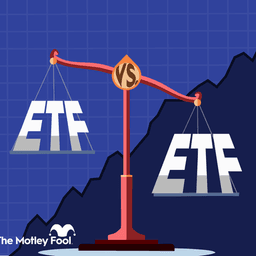
- Cost Comparison: FSTA's expense ratio is just 0.08%, significantly lower than RSPS's 0.40%, meaning investors pay only $8 annually for every $10,000 invested in FSTA compared to $40 for RSPS, greatly reducing investment costs.
- Performance Metrics: As of February 3, 2026, FSTA boasts a 1-year return of 8.34%, surpassing RSPS's 7.01%, indicating that FSTA has provided higher returns over the past year, potentially attracting yield-seeking investors.
- Risk Assessment: Over the past five years, FSTA's maximum drawdown stands at 16.57%, lower than RSPS's 18.61%, showcasing FSTA's relative stability during market fluctuations, which may appeal to risk-averse investors.
- Holding Structure: FSTA holds 96 stocks primarily focused on consumer defensive names, while RSPS equally weights 36 stocks, leading to a strategy where FSTA may achieve higher returns when top companies perform well but also faces greater volatility risk.
Costco Stock Soars, But Investors Should Be Cautious
- Stock Performance: Costco's shares surged 16% at the start of 2026, nearing the $1,000 mark as of Monday's close, despite a staggering price-to-earnings ratio of 54, significantly higher than the S&P 500's average of 25, indicating investor optimism about future performance.
- Earnings Expectations: Scheduled to release its latest earnings on March 5, Costco's last report exceeded expectations, yet the stock failed to gain post-release, reflecting market concerns over its high valuation.
- Sales Growth: For the quarter ending November 23, 2025, the company reported an 8.3% year-over-year revenue increase, with a comparable sales growth rate of 6.4%, and a solid 7% growth in comparable sales during the crucial holiday month of December, showcasing its ability to maintain stable growth.
- Investment Advice: Despite Costco's strong performance, analysts advise caution before purchasing the stock ahead of earnings due to its high valuation, suggesting that there are better value investment options available in the market.
Costco Shares Rally to $1,000 Mark
- Stock Recovery: Costco's shares have surged 16% at the start of 2026, closing near $1,000 on Monday, indicating a rebound in investor sentiment as it approaches its all-time high of $1,078.
- Earnings Expectations: The company is set to release its latest earnings report on March 5, with market expectations leaning towards another strong performance, especially after a 7% comparable sales growth in December.
- Performance Stability: Despite occasional volatility, Costco has maintained an 8.3% revenue growth rate and a solid 6.4% comparable growth rate over the past quarters, demonstrating its consistent business growth capability.
- Valuation Concerns: Despite the stock's rise, Costco's price-to-earnings ratio stands at 54, significantly higher than the S&P 500's 25, leading analysts to caution that the stock is grossly overvalued, suggesting investors should be cautious.
Costco Shares Surge 16% to $1,000 Amid Earnings Anticipation
- Stock Surge: Costco's shares have rallied 16% at the start of 2026, closing at $1,000, indicating a rebound in investor sentiment as it approaches its all-time high of $1,078.
- Earnings Expectations: The company is set to release its earnings on March 5, with market expectations leaning towards continued strong performance, as evidenced by an 8.3% revenue increase and a 6.4% comparable growth rate reported for the period ending November 23, 2025.
- Sales Growth: In the crucial holiday month of December, Costco reported a 7% comparable sales growth across all regions, which, while not a significant acceleration, suggests a solid performance in the upcoming earnings report, boosting market confidence in its future results.
- Valuation Concerns: Despite the recent stock price increase, Costco's P/E ratio stands at 54, significantly higher than the S&P 500 average of 25, indicating that the stock is grossly overvalued, leading analysts to advise caution for investors ahead of the earnings release.
Consumer Staples Appear Expensive: Explore Clorox and Other High-Yield Stocks with Strong Dividends.
- Market Shift: There is a significant rotation from software stocks to safer investments like consumer staples.
- Investor Sentiment: Investors are concerned that advancements in AI, such as ChatGPT, may negatively impact service-oriented businesses while benefiting manufacturers of household products.
Walmart Reaches $1 Trillion Market Cap Amid Valuation Concerns
- Milestone Achievement: Walmart's market cap has surged by 28% over the past year, reaching $1 trillion, making it one of the few non-tech stocks in this exclusive club, yet this high valuation raises concerns among investors about potential overvaluation.
- Valuation Comparison: Currently, Walmart's P/E ratio stands at 45, significantly higher than its five-year average of 35 and the S&P 500's average of 25, indicating that the market has high expectations for its future growth, which is only at 6%, making such a premium hard to justify.
- Limited Growth Potential: Despite Walmart's expansion in e-commerce and the acquisition of Vizio providing new opportunities for its advertising business, its growth rate remains in the single digits, prompting investors to carefully assess the sustainability of its high valuation.
- Investment Advice: Given Walmart's elevated valuation, analysts recommend avoiding the stock, suggesting that there are other retail investment options available that may offer better long-term returns, despite Walmart's strong business fundamentals.
Comparison of FSTA and RSPS Consumer Staples ETFs
- Cost Comparison: FSTA's expense ratio is just 0.08%, significantly lower than RSPS's 0.40%, meaning investors pay only $8 annually for every $10,000 invested in FSTA compared to $40 for RSPS, greatly reducing investment costs.
- Performance Metrics: As of February 3, 2026, FSTA boasts a 1-year return of 8.34%, surpassing RSPS's 7.01%, indicating that FSTA has provided higher returns over the past year, potentially attracting yield-seeking investors.
- Risk Assessment: Over the past five years, FSTA's maximum drawdown stands at 16.57%, lower than RSPS's 18.61%, showcasing FSTA's relative stability during market fluctuations, which may appeal to risk-averse investors.
- Holding Structure: FSTA holds 96 stocks primarily focused on consumer defensive names, while RSPS equally weights 36 stocks, leading to a strategy where FSTA may achieve higher returns when top companies perform well but also faces greater volatility risk.