Iran launches over 100 drones at Israel in retaliatory attack
Iran's Drone Attack on Israel: Iran has retaliated against Israeli airstrikes by launching over 100 drones towards Israel, raising tensions in the region and impacting global markets, with U.S. stock futures dropping and oil prices surging.
Impact on Nuclear Talks and U.S. Involvement: The International Atomic Energy Agency confirmed damage to Iran's Natanz nuclear facility without radiation increase, while upcoming U.S.-Iran nuclear talks are now uncertain following these developments, despite the U.S. denying involvement in the strikes.
Trade with 70% Backtested Accuracy
Analyst Views on UCO


No data
About the author


Significant Risk, Possibly Greater Rewards with These 3 Leveraged ETFs


Market Trends: The S&P continues its upward trend into 2026, with bullish investors looking to capitalize on rising stocks and commodities, despite economic uncertainties.
Investment Strategies: Leveraged exchange-traded funds (ETFs) are attracting investors, particularly those willing to take on higher risks for potentially greater rewards, especially in sectors like silver and crude oil.
ETF Performance: The ProShares Ultra Silver ETF (AGQ) offers 2x leverage on silver prices, appealing to investors seeking direct exposure without additional cash outlay, while maintaining strong liquidity.
Oil Market Outlook: The beginning of 2026 may be volatile for the oil market, with potential price increases driven by U.S. interventions in Venezuela and Iran, prompting investors to consider targeted ETFs for short-term gains.

Oil Prices Decline as Market Concentrates on U.S. Interest Rate Predictions and Geopolitical Tensions


Oil Price Movement: Oil prices dropped over 1% on Monday, with Brent Crude at $63.15/bbl and U.S. West Texas Intermediate at $59.58/bbl, as investors monitored Ukraine peace talks and anticipated a U.S. Federal Reserve interest rate cut.
Ukraine Peace Talks: Progress in peace negotiations regarding Ukraine remains slow, with unresolved issues over security guarantees and Russian-held territories, while U.S. and Russian officials disagree on the proposed peace plan.
Market Outlook: Analysts suggest that a ceasefire poses a downside risk to oil prices, while damage to Russian oil infrastructure could lead to price increases; oversupply concerns are expected to materialize as Russian oil flows adapt to sanctions.
Sudan's Oil Control: The Rapid Support Forces in Sudan announced control over the Heglig oilfield, crucial for South Sudan's oil revenue, highlighting geopolitical tensions affecting oil supply.
OPEC+ Expected to Maintain Current Output Levels, with 2027 Baseline Plans Under Review - Report

OPEC+ Production Levels: OPEC+ is expected to maintain current production levels at its upcoming meeting, with discussions focused on assessing countries' maximum production capacities for future output baselines.
Diverging Member Interests: Some members, like Nigeria, are advocating for higher production quotas despite limited capacity, while the UAE has significant spare capacity and recently increased its output share.
Previous Production Cuts: OPEC+ had been reducing production for several years until April, when eight members began to increase output to regain market share, but they decided to pause further hikes for Q1 2026 due to oversupply concerns.
Market Impact: Crude oil futures have seen a slight decline, trading at $57.72 per barrel, influenced by geopolitical developments and changes in U.S. crude stockpiles.
Goldman Sachs Projects Increase in Global Oil Demand Until 2040

Global Oil Demand Growth: Goldman Sachs projects global oil demand will increase from 103.5 million bbl/day in 2024 to 113 million bbl/day by 2040, with an average growth of ~900,000 bbl/day from 2025 to 2030.
Challenges in Low-Carbon Alternatives: The report highlights limited alternatives for jet fuel and petrochemicals due to technological bottlenecks, contributing to sustained oil demand despite the push for low-carbon solutions.
Long-Term Forecast Uncertainty: Analysts caution that long-term oil demand forecasts are highly uncertain and may be revised significantly, influenced by advancements in low-carbon technology and potential economic recessions.
Comparison with IEA Predictions: Goldman's outlook contrasts with the International Energy Agency's previous prediction of a peak in oil demand by the end of the decade, indicating a more optimistic view on future oil consumption.
Trump proposes offshore oil drilling off California, Newsom deems plan 'dead on arrival'

Trump Administration's Drilling Plan: The Trump administration is preparing to announce a plan for oil drilling off the California coast, Alaska, and the Eastern Gulf of Mexico, which may escalate tensions with California Governor Gavin Newsom.
Governor Newsom's Opposition: Governor Newsom has publicly opposed the drilling plan, stating it is "dead on arrival" and highlighting that it faces widespread opposition across political lines in California.
Impact on California's Oil Production: California's crude oil production has significantly decreased, while U.S. oil output has increased, prompting Newsom to seek collaboration with oil refiners to manage rising gasoline prices.
Replacement of Biden-era Program: If implemented, Trump's proposal would replace a Biden-era offshore leasing program that limited lease auctions, indicating a shift in energy policy for the upcoming years.
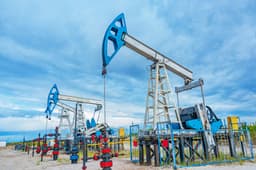
Shutdown Developments Boost Oil Prices—Is a Genuine Recovery for Energy ETFs on the Horizon?

Oil Price Recovery: Oil prices increased on Monday due to optimism surrounding a potential end to the U.S. government shutdown, with Brent crude rising to $64.15 and West Texas Intermediate to $60.31, helping to stabilize market sentiment after previous losses.
ETF Market Reaction: Oil-focused ETFs, such as the United States Oil Fund (USO) and ProShares Ultra Bloomberg Crude Oil (UCO), experienced increased trading volumes as investors anticipated higher short-term prices, reflecting a broader recovery in energy sector investments.
Geopolitical Factors: Disruptions in Russian oil supply, including drone attacks and sanctions, are providing additional support to oil markets, while OPEC+ maintains a cautious approach to output increases, addressing concerns about rising global inventories.
Investor Sentiment: The current market presents a mixed outlook for investors in energy ETFs, balancing optimism from potential U.S. policy relief and geopolitical risks against ongoing inventory builds and volatility in crude prices.
Significant Risk, Possibly Greater Rewards with These 3 Leveraged ETFs
Market Trends: The S&P continues its upward trend into 2026, with bullish investors looking to capitalize on rising stocks and commodities, despite economic uncertainties.
Investment Strategies: Leveraged exchange-traded funds (ETFs) are attracting investors, particularly those willing to take on higher risks for potentially greater rewards, especially in sectors like silver and crude oil.
ETF Performance: The ProShares Ultra Silver ETF (AGQ) offers 2x leverage on silver prices, appealing to investors seeking direct exposure without additional cash outlay, while maintaining strong liquidity.
Oil Market Outlook: The beginning of 2026 may be volatile for the oil market, with potential price increases driven by U.S. interventions in Venezuela and Iran, prompting investors to consider targeted ETFs for short-term gains.
Oil Prices Decline as Market Concentrates on U.S. Interest Rate Predictions and Geopolitical Tensions
Oil Price Movement: Oil prices dropped over 1% on Monday, with Brent Crude at $63.15/bbl and U.S. West Texas Intermediate at $59.58/bbl, as investors monitored Ukraine peace talks and anticipated a U.S. Federal Reserve interest rate cut.
Ukraine Peace Talks: Progress in peace negotiations regarding Ukraine remains slow, with unresolved issues over security guarantees and Russian-held territories, while U.S. and Russian officials disagree on the proposed peace plan.
Market Outlook: Analysts suggest that a ceasefire poses a downside risk to oil prices, while damage to Russian oil infrastructure could lead to price increases; oversupply concerns are expected to materialize as Russian oil flows adapt to sanctions.
Sudan's Oil Control: The Rapid Support Forces in Sudan announced control over the Heglig oilfield, crucial for South Sudan's oil revenue, highlighting geopolitical tensions affecting oil supply.
OPEC+ Expected to Maintain Current Output Levels, with 2027 Baseline Plans Under Review - Report
OPEC+ Production Levels: OPEC+ is expected to maintain current production levels at its upcoming meeting, with discussions focused on assessing countries' maximum production capacities for future output baselines.
Diverging Member Interests: Some members, like Nigeria, are advocating for higher production quotas despite limited capacity, while the UAE has significant spare capacity and recently increased its output share.
Previous Production Cuts: OPEC+ had been reducing production for several years until April, when eight members began to increase output to regain market share, but they decided to pause further hikes for Q1 2026 due to oversupply concerns.
Market Impact: Crude oil futures have seen a slight decline, trading at $57.72 per barrel, influenced by geopolitical developments and changes in U.S. crude stockpiles.
Goldman Sachs Projects Increase in Global Oil Demand Until 2040
Global Oil Demand Growth: Goldman Sachs projects global oil demand will increase from 103.5 million bbl/day in 2024 to 113 million bbl/day by 2040, with an average growth of ~900,000 bbl/day from 2025 to 2030.
Challenges in Low-Carbon Alternatives: The report highlights limited alternatives for jet fuel and petrochemicals due to technological bottlenecks, contributing to sustained oil demand despite the push for low-carbon solutions.
Long-Term Forecast Uncertainty: Analysts caution that long-term oil demand forecasts are highly uncertain and may be revised significantly, influenced by advancements in low-carbon technology and potential economic recessions.
Comparison with IEA Predictions: Goldman's outlook contrasts with the International Energy Agency's previous prediction of a peak in oil demand by the end of the decade, indicating a more optimistic view on future oil consumption.
Trump proposes offshore oil drilling off California, Newsom deems plan 'dead on arrival'
Trump Administration's Drilling Plan: The Trump administration is preparing to announce a plan for oil drilling off the California coast, Alaska, and the Eastern Gulf of Mexico, which may escalate tensions with California Governor Gavin Newsom.
Governor Newsom's Opposition: Governor Newsom has publicly opposed the drilling plan, stating it is "dead on arrival" and highlighting that it faces widespread opposition across political lines in California.
Impact on California's Oil Production: California's crude oil production has significantly decreased, while U.S. oil output has increased, prompting Newsom to seek collaboration with oil refiners to manage rising gasoline prices.
Replacement of Biden-era Program: If implemented, Trump's proposal would replace a Biden-era offshore leasing program that limited lease auctions, indicating a shift in energy policy for the upcoming years.
Shutdown Developments Boost Oil Prices—Is a Genuine Recovery for Energy ETFs on the Horizon?
Oil Price Recovery: Oil prices increased on Monday due to optimism surrounding a potential end to the U.S. government shutdown, with Brent crude rising to $64.15 and West Texas Intermediate to $60.31, helping to stabilize market sentiment after previous losses.
ETF Market Reaction: Oil-focused ETFs, such as the United States Oil Fund (USO) and ProShares Ultra Bloomberg Crude Oil (UCO), experienced increased trading volumes as investors anticipated higher short-term prices, reflecting a broader recovery in energy sector investments.
Geopolitical Factors: Disruptions in Russian oil supply, including drone attacks and sanctions, are providing additional support to oil markets, while OPEC+ maintains a cautious approach to output increases, addressing concerns about rising global inventories.
Investor Sentiment: The current market presents a mixed outlook for investors in energy ETFs, balancing optimism from potential U.S. policy relief and geopolitical risks against ongoing inventory builds and volatility in crude prices.