Has Wall Street Peaked? ETF Strategies to Follow


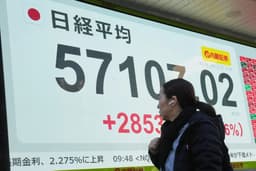
Market Outlook: Christopher Wood from Jefferies Financial Group warns that the U.S. stock market may be entering a decline similar to Japan's in 1989, with expectations of a weakening dollar and reduced global market share for U.S. equities. He advises diversifying portfolios with Chinese, Indian, and European assets.
Indian Market Insights: Despite flat revenue growth projections for Indian companies, profitability is expected to improve due to favorable macroeconomic conditions. Analysts suggest that corporate earnings may recover over the next few quarters, driven by lower interest rates and increased government spending.
Trade with 70% Backtested Accuracy
Analyst Views on INDY


No data
About the author


Dell, Heineken, and 28 Additional Selections for 2026 from the Barron’s Roundtable


Dramatic Start to 2026: The year has begun with significant tensions, likened to a transition from conflict to peace efforts.
Greenland's Political Situation: Greenland was on the verge of becoming the seventh state of New England, highlighting its unique geopolitical status.

India slaps anti-dumping duties on Chinese plastic processing machines


India's Anti-Dumping Measures: The Indian government has imposed anti-dumping duties on plastic processing machinery from China and Taiwan, ranging from 27% to 63%, as part of efforts to protect domestic manufacturing and reduce reliance on Chinese imports.
Taiwan's Trade Actions: Taiwan is set to impose anti-dumping duties on Chinese-made beer and hot-rolled steel for four months starting July 3, while China has reportedly halted shipments of specialty fertilizers to India for the past two months.

Country ETFs to Gain/Lose on Oil Price Rebound

Israel's Attack on Iran: Israel conducted a surprise "preemptive strike" against Iran, claiming it was necessary to counter Iran's nuclear weapons program, leading to explosions in Tehran and heightened tensions in the region.
Market Impact and ETF Insights: The attack caused a surge in crude oil prices by about 5%, affecting global commodity markets, with potential implications for various country-based exchange-traded funds (ETFs) related to oil production and economic dependency on oil imports.
JD Vance: India-Pakistan conflict is 'none of our business'
U.S. Vice President's Stance: J.D. Vance emphasized that the U.S. will not intervene in the escalating tensions between India and Pakistan, urging both nations to de-escalate the situation while expressing hope that it won't lead to a nuclear conflict.
Recent Military Actions: India conducted airstrikes targeting what it called "terrorist infrastructure" in Pakistan following an attack on tourists, leading to increased hostilities and casualties, with potential economic impacts due to rising freight costs and insurance premiums in the region.
Explore India ETFs In Light of Geopolitics & Growth

Investor Sentiment Amid Geopolitical Tensions: Despite rising tensions with Pakistan, investors remain optimistic about India's long-term economic prospects, supported by structural reforms and strong macroeconomic fundamentals. Indian financial markets showed resilience following military actions, with limited investor concern regarding immediate escalation.
Market Volatility and Earnings Outlook: While Indian companies have reported better-than-expected earnings, forward earnings downgrades indicate caution among investors. The potential for short-term volatility exists depending on the trajectory of India-Pakistan relations, with upcoming earnings possibly under pressure if conflicts intensify.

Thursday’s big stock stories: What’s likely to move the market in the next trading session


Market Overview: The S&P 500 and Dow ended higher, with significant attention on upcoming earnings reports from major companies like Apple and Amazon, both of which have seen substantial declines in their stock prices over the past three months.
CEO Insights and Economic Concerns: Jim Cramer highlighted leaders in various sectors, including ServiceNow and Starbucks, while also addressing potential risks for U.S. companies with overseas franchises amid changing global sentiments.
Dell, Heineken, and 28 Additional Selections for 2026 from the Barron’s Roundtable
Dramatic Start to 2026: The year has begun with significant tensions, likened to a transition from conflict to peace efforts.
Greenland's Political Situation: Greenland was on the verge of becoming the seventh state of New England, highlighting its unique geopolitical status.
India slaps anti-dumping duties on Chinese plastic processing machines
India's Anti-Dumping Measures: The Indian government has imposed anti-dumping duties on plastic processing machinery from China and Taiwan, ranging from 27% to 63%, as part of efforts to protect domestic manufacturing and reduce reliance on Chinese imports.
Taiwan's Trade Actions: Taiwan is set to impose anti-dumping duties on Chinese-made beer and hot-rolled steel for four months starting July 3, while China has reportedly halted shipments of specialty fertilizers to India for the past two months.
Country ETFs to Gain/Lose on Oil Price Rebound
Israel's Attack on Iran: Israel conducted a surprise "preemptive strike" against Iran, claiming it was necessary to counter Iran's nuclear weapons program, leading to explosions in Tehran and heightened tensions in the region.
Market Impact and ETF Insights: The attack caused a surge in crude oil prices by about 5%, affecting global commodity markets, with potential implications for various country-based exchange-traded funds (ETFs) related to oil production and economic dependency on oil imports.
JD Vance: India-Pakistan conflict is 'none of our business'
U.S. Vice President's Stance: J.D. Vance emphasized that the U.S. will not intervene in the escalating tensions between India and Pakistan, urging both nations to de-escalate the situation while expressing hope that it won't lead to a nuclear conflict.
Recent Military Actions: India conducted airstrikes targeting what it called "terrorist infrastructure" in Pakistan following an attack on tourists, leading to increased hostilities and casualties, with potential economic impacts due to rising freight costs and insurance premiums in the region.
Explore India ETFs In Light of Geopolitics & Growth
Investor Sentiment Amid Geopolitical Tensions: Despite rising tensions with Pakistan, investors remain optimistic about India's long-term economic prospects, supported by structural reforms and strong macroeconomic fundamentals. Indian financial markets showed resilience following military actions, with limited investor concern regarding immediate escalation.
Market Volatility and Earnings Outlook: While Indian companies have reported better-than-expected earnings, forward earnings downgrades indicate caution among investors. The potential for short-term volatility exists depending on the trajectory of India-Pakistan relations, with upcoming earnings possibly under pressure if conflicts intensify.
Thursday’s big stock stories: What’s likely to move the market in the next trading session
Market Overview: The S&P 500 and Dow ended higher, with significant attention on upcoming earnings reports from major companies like Apple and Amazon, both of which have seen substantial declines in their stock prices over the past three months.
CEO Insights and Economic Concerns: Jim Cramer highlighted leaders in various sectors, including ServiceNow and Starbucks, while also addressing potential risks for U.S. companies with overseas franchises amid changing global sentiments.