Google set to debut its first AI glasses in 2026


Google's AI Glasses Launch: Google plans to release its first AI-powered glasses in 2026, collaborating with companies like Samsung and Warby Parker, and focusing on features such as audio interaction with the Gemini AI assistant and in-lens displays for navigation and translations.
Learning from Past Mistakes: Co-founder Sergey Brin acknowledged previous failures in smart glasses due to less advanced AI and supply chain issues, emphasizing that current technology allows for more helpful and less distracting functionalities.
Competitive Market Landscape: The AI wearables market is becoming increasingly competitive, with Meta leading through successful products like Ray-Ban Meta glasses and other companies like Snap and Alibaba also entering the space.
Software Updates for Galaxy XR: Google announced software updates for its Galaxy XR headset, including new features that allow connectivity with Windows PCs and a travel mode for use in vehicles and airplanes.
Trade with 70% Backtested Accuracy
Analyst Views on META

About META
About the author

China Warning Impacts Gold Market Liquidity


- Money Flow Trends: In the Magnificent Seven stocks, Microsoft Corp (NASDAQ:MSFT) shows positive early money flows, indicating increased investor confidence that could drive its stock price higher.
- Market Sentiment Analysis: Apple Inc (NASDAQ:AAPL) and Meta Platforms Inc (NASDAQ:META) exhibit neutral money flows, suggesting investors are taking a wait-and-see approach, which may affect their short-term performance.
- Negative Money Flows: Amazon.com, Inc. (NASDAQ:AMZN), Alphabet Inc Class C (NASDAQ:GOOG), NVIDIA Corp (NASDAQ:NVDA), and Tesla Inc (NASDAQ:TSLA) experience negative early money flows, reflecting diminished market confidence in these tech stocks, potentially leading to price declines.
- Gold Market Reaction: The warning from China triggers selling in the gold market (CRYPTO:BTC), prompting investors to carefully assess their positions and consider tactical adjustments based on market signals to navigate potential volatility.

Super Bowl LX: Seahawks Defeat Patriots 29-13

- Game Outcome: On February 8, 2026, Super Bowl LX saw the Seattle Seahawks defeat the New England Patriots 29-13, with 30 of the 42 total points scored in the fourth quarter, highlighting the game's intensity and enhancing the Seahawks' brand image.
- Ad Performance: According to USA Today's Ad Meter, brands like Anheuser-Busch, Lay's, and Dunkin' resonated well with viewers again this year, indicating effective emotional and comedic messaging strategies that continue to engage audiences.
- Viewer Feedback: Some ads featuring AI tools failed to win over viewers, reflecting a limited acceptance of technology-driven advertising among consumers, suggesting that companies need to reassess their advertising strategies to improve effectiveness.
- Market Impact: The Super Bowl remains a crucial platform for brand marketing, where successful ads can significantly boost brand visibility and directly influence sales performance, prompting companies to increase their advertising budgets in future campaigns.
Big Tech Spending Plans Raise Investor Concerns

- Surging Capital Expenditures: Microsoft is projected to increase its capital expenditures to $123 billion by 2026, up from $83 billion last year, indicating strong confidence in future growth but raising concerns about AI profitability.
- Negative Market Reaction: Amazon's stock has fallen about 12% this month, while Microsoft and Alphabet are down over 3% each, and Meta has slid around 5%, reflecting cautious investor sentiment towards high spending plans.
- Increased Debt Financing: Despite having massive cash reserves, these tech giants are tapping debt markets, with Alphabet looking to raise about $15 billion through a high-grade dollar bond sale, and Meta having issued $30 billion in investment-grade debt to fund its data center expansion.
- Historic Spending Project: Canaccord Genuity analysts noted that these companies' capital expenditures could account for approximately 2.1% of U.S. GDP by 2026, marking one of the largest infrastructure projects in U.S. history, although investors must remain vigilant about leverage management.
Key Highlights from Monday's Investing Club Meeting


- Tech Stock Rally: The S&P 500 rose on Monday, buoyed by strong performances in big tech, with club holdings Nvidia and Broadcom climbing over 3%, indicating sustained market confidence in AI investments.
- Broadcom Rating Upgrade: The club upgraded Broadcom to a buy-equivalent 1 rating on Friday, reflecting optimism about its growth potential as a major beneficiary of increased AI spending, especially with Alphabet and Meta planning to boost their AI budgets.
- Microsoft Downgrade: Melius Research downgraded Microsoft from buy to hold, citing concerns that CEO Satya Nadella has lost the AI narrative; however, the club maintains a long-term positive outlook on Microsoft shares, indicating confidence in its future performance.
- Corning Stock Surge: Corning's stock jumped 7% to record highs after being featured as an
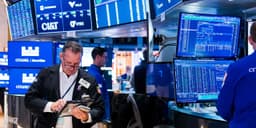
The Tranquility in the Bond Market May Be Coming to an End: A Crucial Week for Fixed-Income Risks.

- U.S. Treasury Yields: Yields on U.S. Treasury bonds increased early Monday, impacting stock gains and the dollar's strength.
- Market Pressures: Traders and investors are considering various pressures that may challenge the market's recent stability in the upcoming weeks.

Four Tech Giants to Spend $625 Billion on AI Infrastructure
- Massive Investment Plans: The four tech giants are projected to collectively spend $625 billion on new data centers and AI infrastructure by 2026, with Alphabet at $185 billion, Amazon at $200 billion, Meta at $135 billion, and Microsoft at $105 billion, indicating fierce competition in the AI market.
- Market Reaction: Despite the large investment figures, analysts are skeptical about the positive impact on profits, as evidenced by Microsoft's stock plummeting 11% in a single day last week, reflecting concerns over slowing growth in its cloud computing segment.
- Investor Opportunities: The Global X Data Center and Digital Infrastructure ETF (DTCR) is seen as a great way for investors to capitalize on the rapidly growing AI spending trend, currently managing $1.1 billion in assets and yielding a 13.3% return in 2026.
- Optimistic Market Outlook: Grand View Research estimates that the data center construction market will grow from $241 billion in 2024 to $456 billion by 2030, with a compound annual growth rate of 11.8%, highlighting the accelerating trend in AI infrastructure development.
China Warning Impacts Gold Market Liquidity
- Money Flow Trends: In the Magnificent Seven stocks, Microsoft Corp (NASDAQ:MSFT) shows positive early money flows, indicating increased investor confidence that could drive its stock price higher.
- Market Sentiment Analysis: Apple Inc (NASDAQ:AAPL) and Meta Platforms Inc (NASDAQ:META) exhibit neutral money flows, suggesting investors are taking a wait-and-see approach, which may affect their short-term performance.
- Negative Money Flows: Amazon.com, Inc. (NASDAQ:AMZN), Alphabet Inc Class C (NASDAQ:GOOG), NVIDIA Corp (NASDAQ:NVDA), and Tesla Inc (NASDAQ:TSLA) experience negative early money flows, reflecting diminished market confidence in these tech stocks, potentially leading to price declines.
- Gold Market Reaction: The warning from China triggers selling in the gold market (CRYPTO:BTC), prompting investors to carefully assess their positions and consider tactical adjustments based on market signals to navigate potential volatility.
Super Bowl LX: Seahawks Defeat Patriots 29-13
- Game Outcome: On February 8, 2026, Super Bowl LX saw the Seattle Seahawks defeat the New England Patriots 29-13, with 30 of the 42 total points scored in the fourth quarter, highlighting the game's intensity and enhancing the Seahawks' brand image.
- Ad Performance: According to USA Today's Ad Meter, brands like Anheuser-Busch, Lay's, and Dunkin' resonated well with viewers again this year, indicating effective emotional and comedic messaging strategies that continue to engage audiences.
- Viewer Feedback: Some ads featuring AI tools failed to win over viewers, reflecting a limited acceptance of technology-driven advertising among consumers, suggesting that companies need to reassess their advertising strategies to improve effectiveness.
- Market Impact: The Super Bowl remains a crucial platform for brand marketing, where successful ads can significantly boost brand visibility and directly influence sales performance, prompting companies to increase their advertising budgets in future campaigns.
Big Tech Spending Plans Raise Investor Concerns
- Surging Capital Expenditures: Microsoft is projected to increase its capital expenditures to $123 billion by 2026, up from $83 billion last year, indicating strong confidence in future growth but raising concerns about AI profitability.
- Negative Market Reaction: Amazon's stock has fallen about 12% this month, while Microsoft and Alphabet are down over 3% each, and Meta has slid around 5%, reflecting cautious investor sentiment towards high spending plans.
- Increased Debt Financing: Despite having massive cash reserves, these tech giants are tapping debt markets, with Alphabet looking to raise about $15 billion through a high-grade dollar bond sale, and Meta having issued $30 billion in investment-grade debt to fund its data center expansion.
- Historic Spending Project: Canaccord Genuity analysts noted that these companies' capital expenditures could account for approximately 2.1% of U.S. GDP by 2026, marking one of the largest infrastructure projects in U.S. history, although investors must remain vigilant about leverage management.
Key Highlights from Monday's Investing Club Meeting
- Tech Stock Rally: The S&P 500 rose on Monday, buoyed by strong performances in big tech, with club holdings Nvidia and Broadcom climbing over 3%, indicating sustained market confidence in AI investments.
- Broadcom Rating Upgrade: The club upgraded Broadcom to a buy-equivalent 1 rating on Friday, reflecting optimism about its growth potential as a major beneficiary of increased AI spending, especially with Alphabet and Meta planning to boost their AI budgets.
- Microsoft Downgrade: Melius Research downgraded Microsoft from buy to hold, citing concerns that CEO Satya Nadella has lost the AI narrative; however, the club maintains a long-term positive outlook on Microsoft shares, indicating confidence in its future performance.
- Corning Stock Surge: Corning's stock jumped 7% to record highs after being featured as an
The Tranquility in the Bond Market May Be Coming to an End: A Crucial Week for Fixed-Income Risks.
- U.S. Treasury Yields: Yields on U.S. Treasury bonds increased early Monday, impacting stock gains and the dollar's strength.
- Market Pressures: Traders and investors are considering various pressures that may challenge the market's recent stability in the upcoming weeks.
Four Tech Giants to Spend $625 Billion on AI Infrastructure
- Massive Investment Plans: The four tech giants are projected to collectively spend $625 billion on new data centers and AI infrastructure by 2026, with Alphabet at $185 billion, Amazon at $200 billion, Meta at $135 billion, and Microsoft at $105 billion, indicating fierce competition in the AI market.
- Market Reaction: Despite the large investment figures, analysts are skeptical about the positive impact on profits, as evidenced by Microsoft's stock plummeting 11% in a single day last week, reflecting concerns over slowing growth in its cloud computing segment.
- Investor Opportunities: The Global X Data Center and Digital Infrastructure ETF (DTCR) is seen as a great way for investors to capitalize on the rapidly growing AI spending trend, currently managing $1.1 billion in assets and yielding a 13.3% return in 2026.
- Optimistic Market Outlook: Grand View Research estimates that the data center construction market will grow from $241 billion in 2024 to $456 billion by 2030, with a compound annual growth rate of 11.8%, highlighting the accelerating trend in AI infrastructure development.