

General Motors and Ford Set to Report Quarterly Results

General Motorsis scheduled to report quarterly results before market open on Tuesday, January 27, with a conference call scheduled for 8:30 am EST, while Fordis scheduled to report after market close on Tuesday, February 10, with a conference call scheduled for 5:00 pm EST. What to watch for:GM SALES:In January, General Motors reported a 6% increase in U.S. sales for the full year, with growth across multiple areas of GM's portfolio. All four GM brands grew in 2025, the company said. Sales in Q4 declined 7% compared to the same period in 2024. In 2025, GM sold nearly 700,000 Chevrolet and Buick models with starting prices below $30,000 and GM Envolve sales to fleet and commercial customers grew 8% in 2025. "Demand for our brands and products is strong at every price point, and we are well-positioned to build on this momentum in the year ahead," said Duncan Aldred, SVP and president of North America. The company also announced that new energy vehicle sales reached nearly 1M units in China in 2025, accounting for more than half of its total sales in the country. In 2025, GM achieved growth in both retail sales and market share in China. The company and its joint ventures delivered nearly 1.9< vehicles, up 2.3% from a year earlier.GM GUIDANCE:Along with its Q3 earnings, the company guided to a FY25 EPS view of $9.75-$10.50. Consensus, which stood at $9.45 at the time, has since risen to $10.39. The company also forecast FY25 EBIT-adjusted view of $12B-$13B and FY25 gross tariff impact of $3.5B-$4.5B.GM PARTNERSHIPS, INITIATIVES:In October, Lithium Americasannounced that together with GM, it reached a non-binding agreement in principle with the U.S. Department of Energy to advance the first draw of $435M on the previously announced $2.26B DOE loan. Lithium Americas also announced the finalization of the parties' agreement on certain amendments to the company's loan for financing the construction of the processing facilities at Thacker Pass. Also in October, GM announced in a regulatory filing that the company was taking charges of $1.6B on a strategic realignment of its electric vehicle capacity. In January, the company announced that it expects an additional $6B in charges related to the review of EV capacity. GM also announced in October an end to its next-generation hydrogen fuel cell development program. The company also announced that driver-assistance and Gemini AI was coming to vehicles and unveiled a centralized vehicle computing platform. In November, GM made a $250M commitment to Parma Metal Center and in December, the company announced Apple Musicwas coming natively to GM vehicles.ANALYST VIEW:Barclays raised the firm's price target on GM to $100 from $85 and kept an Overweight rating on the shares. The firm adjusted targets in the autos and mobility group as part of a Q4 preview. Barclays continue to prefer the car makers, saying they are benefiting from "healthy" production rates and reduced electric vehicle losses.Meanwhile, JPMorgan raised the firm's price target on GM to $100 from $85 and kept an Overweight rating on the shares. The firm upped 2026 estimates for Ford and G< well ahead of consensus to reflect stronger global production. It sees "billion dollar tailwinds" from reduced emissions compliance costs. JPMorgan expects GM and Ford's 2026 guidance to benefit from eliminated penalties associated with incomplete compliance with U.S. federal corporate average fuel economy and greenhouse gas.Additionally, Goldman Sachs raised the firm's price target on GM to $98 from $93 and kept a Buy rating on the shares. The updated price target reflects recent auto sales datapoints and comments surrounding 2026 growth over market expectations from several suppliers at conferences during the quarter, the analyst said.FORD SALES:In November, Ford reported October U.S. total vehicle sales of 175,584, up from 172,756 last year, or up 1.6% year-over-year. The company reported October U.S. Internal Combustion sales of 153,377, compared to 148,268 last year, up 3.4% and October U.S. total electrified vehicle sales of 22,207, down from 24,488 last year, or down 9.3% year-over-year. In December, Ford reported total U.S. vehicle sales of 164,925 in November, down 0.9% from the same month of last year. Total electrified vehicle sales of 20,548 were down 18.4% from last year, while internal combustion vehicle sales of 144,377 were up 2.2% year-over-year. In January, Ford reported Q4 U.S. sales up 2.7% to 545,216 vehicles. Ford's total sales for the year climbed 6% to 2,204,124 vehicles, with overall market share reaching 13.2%. In Q4, Ford sales were up 2.7%, again outperforming the industry, with market share increasing in Q4 by 0.9 percentage points. "This past year proved that Ford has the right product and powertrain offering for the lives of our customers," said Andrew Frick, president, Ford Blue and Model e. "We're growing share and beating the trend because we offer a great range of products, from accessible entry-level models to high-performance off-roaders."FORD GUIDANCE:Along with its Q3 results, Ford guided to FY25 adjusted EBIT of $6B-$6.5B. The company said, "Ford's underlying business is performing at the high end of the guidance range previously outlined in February, while absorbing a $1B net tariff headwind. Additionally, between 2025 and 2026, Ford expects the Novelis fire to be a headwind of $1B or less. Full-year 2025 guidance now reflects: A 2025 adjusted EBIT headwind of $1.5B to $2B and an adjusted free cash flow headwind of about $2B to $3B in the fourth quarter due to the Novelis fire. That Ford has line of sight to mitigate at least $1B of the Novelis-related adjusted EBIT headwind in 2026 and is working to improve the situation further."Ford and Novelis provided a November update following an additional fire incident at the Novelis Oswego aluminum plant. "The fire was swiftly contained and the plant was safely evacuated with no injuries to employees, contractors or first responders. As of this morning, the cold mill and heat treatment operations at the Novelis Oswego plant are back up and running…Ford reaffirms its full-year 2025 adjusted EBIT guidance of $6B-$6.5B and full year adjusted free cash flow of $2B-$3B. Novelis and Ford will continue to provide updates as further details become available," Ford stated.Additionally in December, Ford reported it would be taking a $19.5B write down. with the majority in Q4. on EV investments and raised its FY25 EBIT view to around $7B. The company stated, "The company is shifting to higher-return opportunities, including leveraging its U.S. manufacturing footprint to add trucks and vans to its lineup and launch a new, high-growth battery energy storage business. As part of these actions, Ford no longer plans to produce select larger electric vehicles where the business case has eroded due to lower-than-expected demand, high costs and regulatory changes. This approach prioritizes affordability, choice and profits. Ford will expand powertrain choice - including a range of hybrids and extended-range electric propulsion - while focusing its pure electric vehicle development on its flexible Universal EV Platform for smaller, affordable models. These actions provide a path to profitability in Model e by 2029, targeting annual improvements beginning in 2026. The actions will also improve profits in Ford Blue and Ford Pro over time with early signs of benefits in 2026."FORD PARTNERSHIPS, INITIATIVES:In October, Ford announced plans to increase F-150 and F-Series Super Duty truck production. In November, the company announced expanded availability of BlueCruise and plans to sell used vehicles on Amazon Autos. In December, Ford announced the next phase of its European strategy and reported plans to jointly develop two EVs as well as light commercial vehicles with Renault. Additionally in December, SK On announced it decided to end its U.S. battery joint venture with Ford. The company also announced in December that its next-generation F-150 Lightning would be hybrid and the company was launching a battery energy storage business.ANALYST VIEW:Barclays raised the firm's price target on Ford to $13 from $12 and kept an Equal Weight rating on the shares. The firm adjusted targets in the autos and mobility group as part of a Q4 preview.Meanwhile, JPMorgan analyst raised the firm's price target on Ford to $15 from $14 and kept an Overweight rating on the shares. The firm upped 2026 estimates for Ford and GM well ahead of consensus to reflect stronger global production.Additionally, TD Cowen raised the firm's price target on Ford to $15 from $13 and kept a Hold rating on the shares as part of a Q4 preview. The firm expects Ford's 2026 guidance to "embed some degree of conservatism" relative to its estimates, which are above consensus. Part of the stock reaction will likely hinge on the 2026 Model-e loss outlook, the analyst said.
Trade with 70% Backtested Accuracy
Analyst Views on GM

About GM
About the author

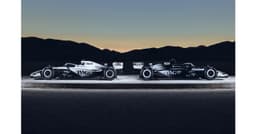
Cadillac F1 Team Unveils Historic First Livery

- First Livery Unveiled: The Cadillac F1 Team revealed its inaugural car livery during the Super Bowl, capturing the attention of over 130 million viewers, marking a new chapter for American participation in F1 and enhancing brand visibility globally.
- Unique Design Philosophy: The car features a striking black and white asymmetrical design that symbolizes the fusion of speed and power, reflecting Cadillac's commitment to F1 and innovation, which is expected to attract a younger fan base.
- Strong Driver Lineup: Led by experienced drivers Checo Pérez and Valtteri Bottas, who collectively boast 526 starts, 106 podiums, and 16 victories, the team showcases significant competitive potential for the 2026 season.
- Global Race Schedule: Competing in 24 races in 2026, including iconic American tracks like Miami, Texas, and Las Vegas, the Cadillac F1 Team aims to demonstrate American automotive innovation and strength, further solidifying its position in the global motorsport arena.
Cadillac F1 Team Unveils Historic First Livery
- First Livery Unveiling: The Cadillac F1 Team revealed its inaugural car livery during the Super Bowl, featuring a striking black and white design that marks a significant milestone ahead of its 2026 F1 debut, expected to attract over 130 million viewers and enhance brand visibility globally.
- Global Exposure Opportunity: By launching the livery during the culturally significant Super Bowl, the team not only showcased its American identity but also connected with a worldwide audience, further amplifying its influence in Formula 1.
- Showcasing Team Strength: Led by experienced drivers Checo Pérez and Valtteri Bottas, who collectively boast 526 starts, 106 podiums, and 16 victories, the team is well-positioned for a competitive 2026 season, establishing a strong foundation for success.
- Innovation Meets Tradition: The livery design draws inspiration from the Cadillac emblem, reflecting a blend of modernity and tradition, as the team aims to stand out in F1 through innovation and engineering excellence, showcasing American ingenuity and pride.
Cadillac F1 Team Unveils Maiden Livery Ahead of Debut
- Livery Unveiling: The Cadillac F1 Team unveiled its first Formula 1 car livery in Indianapolis and Silverstone, marking a significant milestone in its journey to the elite motorsport championship, which is expected to garner widespread attention.
- Team Debut Timing: The team is set to debut in 2026, becoming the 11th team in F1 history, showcasing Cadillac's ambition in high-end racing, which could enhance brand image and market recognition.
- Design Features: The striking black and white livery is designed to highlight the team's unique identity and competitiveness, likely increasing fan engagement and brand loyalty.
- Strategic Market Implications: By participating in F1, Cadillac not only demonstrates its technical prowess but also seizes the opportunity to expand its global market influence, particularly enhancing brand appeal among younger consumers.

General Motors Exceeds Q4 Earnings Expectations Amid EV Challenges
- Strong Earnings Report: General Motors exceeded market expectations in its Q4 2023 earnings report, demonstrating significant adjusted earnings despite facing profitability pressures in the electric vehicle sector, showcasing its financial resilience.
- Market Share Growth: The company achieved its highest U.S. market share since 2015, indicating a gradual recovery in competitiveness within the fiercely contested EV market, which boosts investor confidence.
- Increased Shareholder Returns: GM announced a 20% dividend increase and a new $6 billion share repurchase program, aimed at enhancing shareholder value while reflecting management's confidence in future profitability.
- Cost Control Initiatives: Despite incurring over $7 billion in EV production-related charges, GM successfully offset more than 40% of its tariff costs through cost-reduction initiatives, with expectations to further lower tariff expenses in 2026, thereby strengthening long-term profitability.

GM Navigates Tariff and EV Challenges Successfully
- Profitability Enhancement: GM successfully offset over 40% of its tariff costs in 2025, and despite pressures from declining EV profitability, it exceeded earnings expectations in Q4, demonstrating the sustainability of its profitability.
- Dividend and Buyback Initiatives: The company announced a 20% increase in dividends and authorized a $6 billion share repurchase program, which not only boosts investor confidence but also lays a solid foundation for future shareholder returns.
- EV Production Adjustments: Although GM anticipates a decline in EV volumes for 2026, it plans to cut EV losses by $1 billion to $1.5 billion to navigate market challenges, showcasing its adaptability in the EV transition.
- Production Relocation: GM is moving its Buick compact crossover production from China to Kansas, which is expected to incur about $1 billion in near-term costs, but this move will help mitigate future tariff expenses and strengthen the company's long-term competitiveness.

Automakers Significantly Cut Super Bowl Advertising
- Declining Ad Participation: Only General Motors, Toyota, and Volkswagen are expected to advertise during Super Bowl 60, marking a significant drop from 40% of ad minutes in 2012 to just 7% by 2025, reflecting broader uncertainty in the US automotive industry.
- Tightening Budgets: Automakers are tightening their advertising budgets amid economic challenges, with iSpot CEO Sean Muller noting that the automotive sector is pulling back on spending, leading to reduced ad expenditures.
- Strategic Shift: Instead of Super Bowl ads, automakers are focusing on other sports sponsorships and digital platforms, with Muller highlighting that they now account for roughly 60% of live sports ad spend, indicating a shift away from traditional advertising models.
- High Super Bowl Ad Costs: The average cost of Super Bowl ads is $8 million for a 30-second spot, posing a significant barrier for many automakers; Stellantis CMO Olivier Francois stated that the company will spread its advertising efforts over the year to optimize budget and creativity.
Cadillac F1 Team Unveils Historic First Livery
- First Livery Unveiled: The Cadillac F1 Team revealed its inaugural car livery during the Super Bowl, capturing the attention of over 130 million viewers, marking a new chapter for American participation in F1 and enhancing brand visibility globally.
- Unique Design Philosophy: The car features a striking black and white asymmetrical design that symbolizes the fusion of speed and power, reflecting Cadillac's commitment to F1 and innovation, which is expected to attract a younger fan base.
- Strong Driver Lineup: Led by experienced drivers Checo Pérez and Valtteri Bottas, who collectively boast 526 starts, 106 podiums, and 16 victories, the team showcases significant competitive potential for the 2026 season.
- Global Race Schedule: Competing in 24 races in 2026, including iconic American tracks like Miami, Texas, and Las Vegas, the Cadillac F1 Team aims to demonstrate American automotive innovation and strength, further solidifying its position in the global motorsport arena.
Cadillac F1 Team Unveils Historic First Livery
- First Livery Unveiling: The Cadillac F1 Team revealed its inaugural car livery during the Super Bowl, featuring a striking black and white design that marks a significant milestone ahead of its 2026 F1 debut, expected to attract over 130 million viewers and enhance brand visibility globally.
- Global Exposure Opportunity: By launching the livery during the culturally significant Super Bowl, the team not only showcased its American identity but also connected with a worldwide audience, further amplifying its influence in Formula 1.
- Showcasing Team Strength: Led by experienced drivers Checo Pérez and Valtteri Bottas, who collectively boast 526 starts, 106 podiums, and 16 victories, the team is well-positioned for a competitive 2026 season, establishing a strong foundation for success.
- Innovation Meets Tradition: The livery design draws inspiration from the Cadillac emblem, reflecting a blend of modernity and tradition, as the team aims to stand out in F1 through innovation and engineering excellence, showcasing American ingenuity and pride.
Cadillac F1 Team Unveils Maiden Livery Ahead of Debut
- Livery Unveiling: The Cadillac F1 Team unveiled its first Formula 1 car livery in Indianapolis and Silverstone, marking a significant milestone in its journey to the elite motorsport championship, which is expected to garner widespread attention.
- Team Debut Timing: The team is set to debut in 2026, becoming the 11th team in F1 history, showcasing Cadillac's ambition in high-end racing, which could enhance brand image and market recognition.
- Design Features: The striking black and white livery is designed to highlight the team's unique identity and competitiveness, likely increasing fan engagement and brand loyalty.
- Strategic Market Implications: By participating in F1, Cadillac not only demonstrates its technical prowess but also seizes the opportunity to expand its global market influence, particularly enhancing brand appeal among younger consumers.
General Motors Exceeds Q4 Earnings Expectations Amid EV Challenges
- Strong Earnings Report: General Motors exceeded market expectations in its Q4 2023 earnings report, demonstrating significant adjusted earnings despite facing profitability pressures in the electric vehicle sector, showcasing its financial resilience.
- Market Share Growth: The company achieved its highest U.S. market share since 2015, indicating a gradual recovery in competitiveness within the fiercely contested EV market, which boosts investor confidence.
- Increased Shareholder Returns: GM announced a 20% dividend increase and a new $6 billion share repurchase program, aimed at enhancing shareholder value while reflecting management's confidence in future profitability.
- Cost Control Initiatives: Despite incurring over $7 billion in EV production-related charges, GM successfully offset more than 40% of its tariff costs through cost-reduction initiatives, with expectations to further lower tariff expenses in 2026, thereby strengthening long-term profitability.
GM Navigates Tariff and EV Challenges Successfully
- Profitability Enhancement: GM successfully offset over 40% of its tariff costs in 2025, and despite pressures from declining EV profitability, it exceeded earnings expectations in Q4, demonstrating the sustainability of its profitability.
- Dividend and Buyback Initiatives: The company announced a 20% increase in dividends and authorized a $6 billion share repurchase program, which not only boosts investor confidence but also lays a solid foundation for future shareholder returns.
- EV Production Adjustments: Although GM anticipates a decline in EV volumes for 2026, it plans to cut EV losses by $1 billion to $1.5 billion to navigate market challenges, showcasing its adaptability in the EV transition.
- Production Relocation: GM is moving its Buick compact crossover production from China to Kansas, which is expected to incur about $1 billion in near-term costs, but this move will help mitigate future tariff expenses and strengthen the company's long-term competitiveness.
Automakers Significantly Cut Super Bowl Advertising
- Declining Ad Participation: Only General Motors, Toyota, and Volkswagen are expected to advertise during Super Bowl 60, marking a significant drop from 40% of ad minutes in 2012 to just 7% by 2025, reflecting broader uncertainty in the US automotive industry.
- Tightening Budgets: Automakers are tightening their advertising budgets amid economic challenges, with iSpot CEO Sean Muller noting that the automotive sector is pulling back on spending, leading to reduced ad expenditures.
- Strategic Shift: Instead of Super Bowl ads, automakers are focusing on other sports sponsorships and digital platforms, with Muller highlighting that they now account for roughly 60% of live sports ad spend, indicating a shift away from traditional advertising models.
- High Super Bowl Ad Costs: The average cost of Super Bowl ads is $8 million for a 30-second spot, posing a significant barrier for many automakers; Stellantis CMO Olivier Francois stated that the company will spread its advertising efforts over the year to optimize budget and creativity.


